
16 years one-stop China custom CNC machining parts factory
The VMT blog is dedicated to sharing our hard-earned knowledge in prototype manufacturing. We hope these articles will help you optimize your product designs and gain deeper insight into the world of rapid prototyping. Enjoy the read!
Get an Instant Quote All uploads files are safe and confidential
 VMT
VMT  2024 10 25
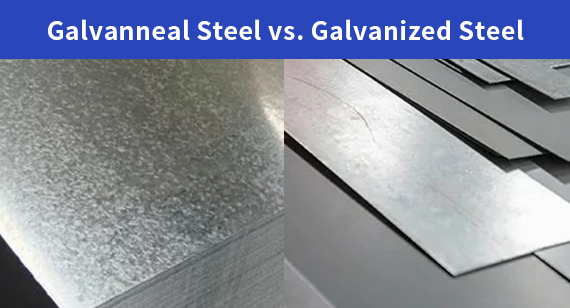
 In the world of sheet metal fabrication, choosing the right material is crucial to ensuring durability, cost-efficiency, and the desired performance of the final product. Two common materials that are often compared are Galvanneal steel and Galvanized steel. Both materials have undergone galvanization processes, which provide corrosion resistance by coating steel with zinc. However, the manufacturing processes, properties, and ideal applications for each material vary significantly.
 66
66
 Read more
 VMT 2024 10 24
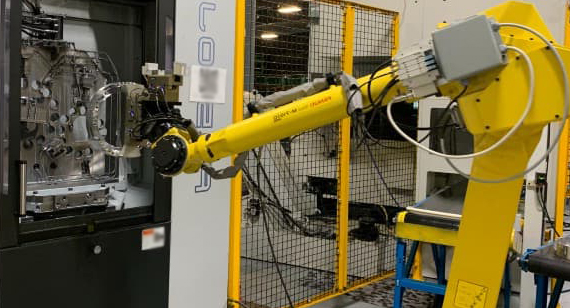
 In the rapidly evolving landscape of manufacturing, CNC robots have emerged as a transformative force, reshaping the way components are machined and assembled. These automated systems offer unparalleled precision, efficiency, and flexibility, making them an essential tool in modern manufacturing environments. This article delves into the intricacies of CNC robots, exploring their functionalities, advantages, and the pivotal role they play in automated machining processes.
66
Read more
 VMT 2024 10 23
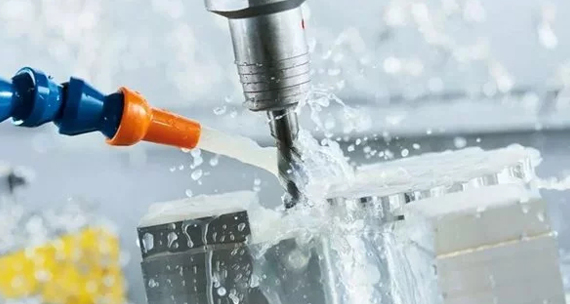
 Magnesium CNC machining is a specialized process that requires a thorough understanding of both the material's properties and the best practices to ensure safe and effective machining. Magnesium, known for its lightweight and high-strength characteristics, has found applications across various industries, including aerospace, automotive, and electronics. However, its unique properties also introduce specific risks that must be managed effectively. This article aims to provide an overview of magnesium, its machinability, associated risks, and essential safety guidelines for CNC machining.
66
Read more
 VMT 2024 10 22
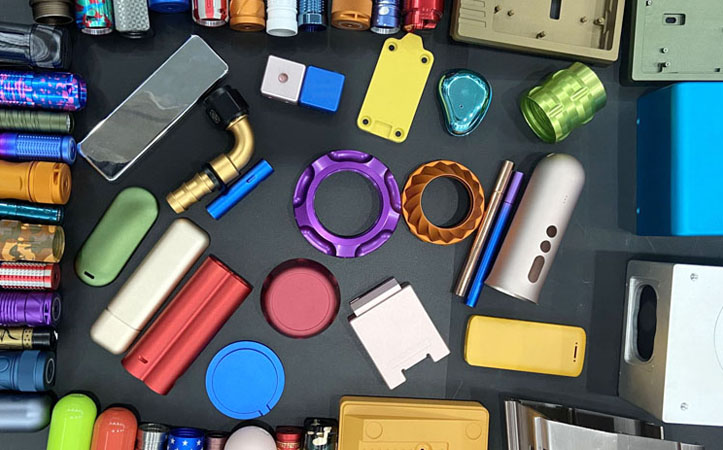
 In the realm of manufacturing, anodized aluminum stands out for its unique blend of functionality and aesthetics. This specialized finish transforms raw aluminum into a material that is not only visually appealing but also highly durable and resistant to corrosion. Anodizing enhances the properties of aluminum, making it an ideal choice for a wide range of applications, from aerospace components to consumer electronics. As an expert in CNC machined parts manufacturing, understanding anodized aluminum is essential for delivering quality products that meet the demands of various industries. This article will provide an in-depth exploration of anodized aluminum, its processes, benefits, limitations, and applications, ensuring that you have all the knowledge you need to leverage this remarkable material in your projects.
66
Read more
 VMT 2024 10 21
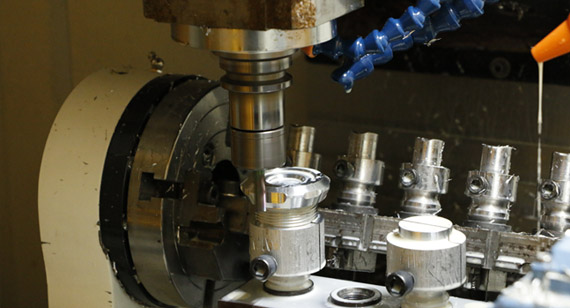
 In the world of manufacturing, tools are the backbone that supports the production of precision components and products. Tools in manufacturing encompass a wide variety of instruments and machinery designed to assist in the fabrication, assembly, and finishing of items. Whether it’s the cutting tools used in CNC machining or the molds utilized for injection molding, the right tools are critical to ensuring the efficiency, accuracy, and quality of the final product. This article will delve into what tools in manufacturing are, their importance, types, cost considerations, and more, providing a comprehensive understanding for professionals and enthusiasts alike.
66
Read more
 VMT 2024 10 20
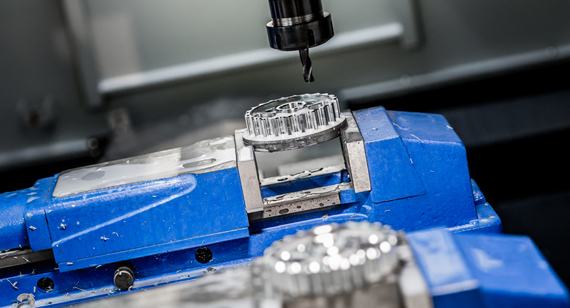
 End milling is a critical process in CNC machining that allows for high-precision cutting and shaping of various materials. With its ability to perform intricate designs and complex geometries, end milling has become an essential operation in the manufacturing sector, especially in industries that require custom CNC machined parts. This article delves into the different types of end mills, their applications, advantages, and processes involved in end milling.
66
Read more
 VMT 2024 10 19
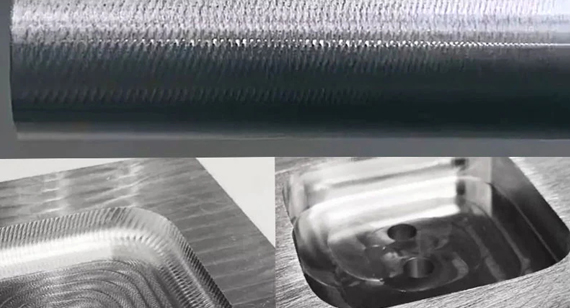
 In machining, vibrations can significantly affect quality, tool life, machine longevity, and productivity. Understanding the origins, consequences, and methods for reducing or avoiding vibration is essential to achieving precise and efficient machining results. By addressing vibration issues, manufacturers can optimize performance, minimize operational disruptions, and meet high standards in dimensional accuracy and surface finish quality.
66
Read more
 VMT 2024 10 18
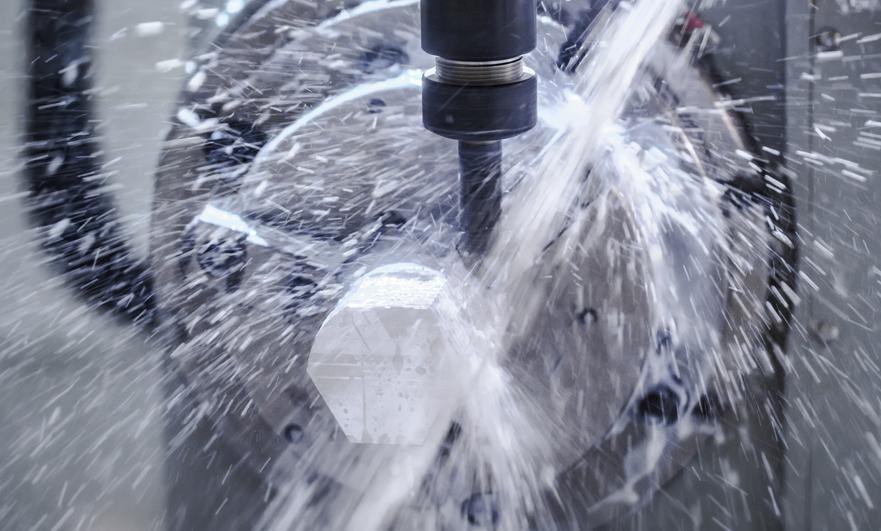
 Coolants are vital to CNC machining, not only for maintaining optimal temperatures but also for ensuring effective lubrication, extending tool life, and improving the surface finish of machined parts. This article provides a comprehensive look at the types of CNC machine tool coolants available, their uses across industries, the importance of selecting the right coolant, and the factors to consider when choosing the best coolant for CNC machining. Understanding coolants and their correct application can significantly impact both production efficiency and the longevity of CNC machinery.
66
Read more


 +86 15099911516