
16 years one-stop China custom CNC machining parts factory
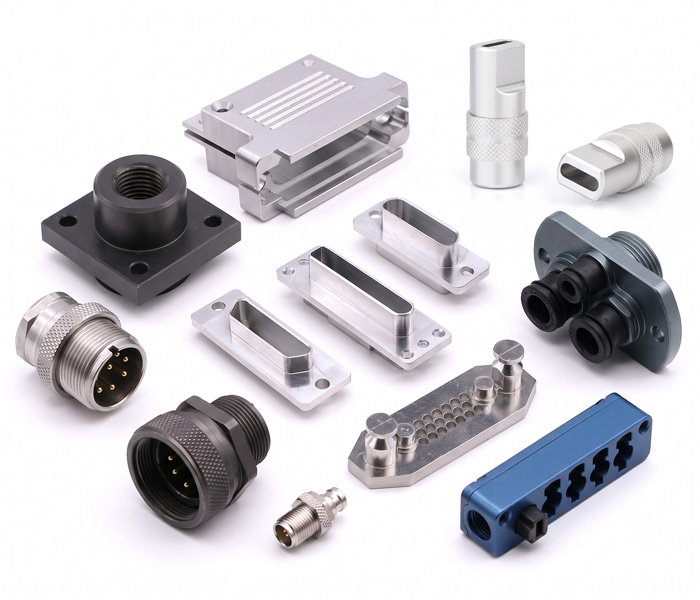
VMT delivers custom CNC machined connector housings with precise control of holes threads sealing grooves and mating surfaces helping OEMs achieve stable assembly from prototype to mass production.
 1-on-1 engineering DFM analysis to reduce design and assembly risks
Strict tolerance control for holes, threads, sealing grooves up to ±0.005 mm
100% inspection of critical dimensions, including CMM, thread, and visual inspections
Inspection reports available for both prototypes and mass production
100+ material and surface finish options, with material inspection reports available
1 DayPrototyping Machining
2 HoursQuick Quote
0 PcsMinimum Order Qualities
98%Yield


Whether you need industrial connector housings, sensor connector housings, circular connector housings, cable connector housings, waterproof connector housings, electrical connector housings, or custom interface housing components, VMT provides reliable prototyping and production solutions to meet your specific application requirements.
With rich experience serving OEM manufacturers, product developers, equipment manufacturers, electronics brands, robotics companies, communication device suppliers, and industrial hardware providers, we help turn your connector housing designs, assembly concepts, and functional requirements into high-quality precision machined parts. Our advanced CNC machining, precision milling, CNC turning, Swiss turning, turn-mill machining, surface finishing, and rapid prototyping capabilities ensure that each connector housing meets your requirements for dimensional accuracy, thread quality, sealing groove precision, assembly fit, surface appearance, and production consistency.
We offer a wide range of material options to help you balance strength, lightweight performance, corrosion resistance, electrical performance, cost control, and appearance. From concept development and prototype validation to small-batch production and large-scale manufacturing, VMT helps you shorten lead times, reduce machining and assembly risks, improve connector fit reliability, and bring high-quality custom connector housing solutions to market faster.
Solving CNC Connector Housing Machining Challenges Before They Affect Assembly
Connector housings require precise control of holes, threads, sealing grooves, mating surfaces, thin walls, and cosmetic finishes. VMT combines DFM review, precision CNC machining, fixture optimization, in-process inspection, and final quality control to help reduce assembly risk and improve batch consistency.
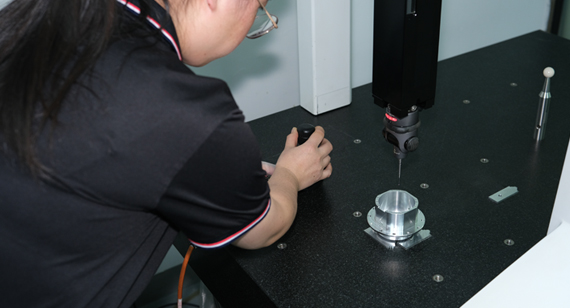
Hole Position Deviation
Mounting holes, pin holes, and mating interfaces must align accurately with other components. VMT reviews datum references, controls machining sequence, and uses CMM inspection to help reduce assembly misalignment.
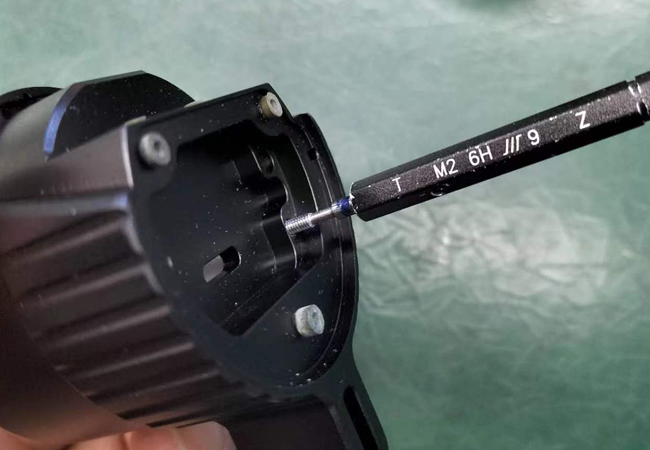
Thread Defects
Connector housings often include threaded holes, locking threads, or fastening structures. VMT controls thread depth, tool wear, and tapping quality, then verifies threads with gauges to reduce loose fit and assembly failure.
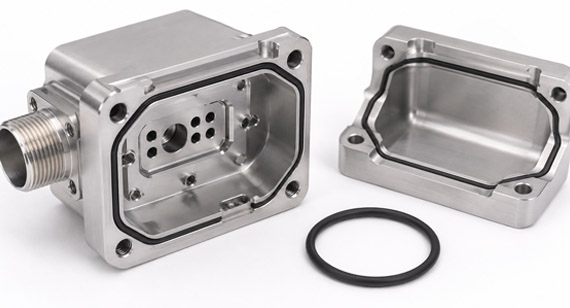
Sealing Groove Errors
Waterproof or protected connector housings require accurate O-ring or gasket grooves. VMT controls groove width, depth, burrs, sealing surfaces, and surface roughness through machining and dimensional inspection. When required, air tightness testing can also be performed with the mating parts or test fixture to verify sealing performance.
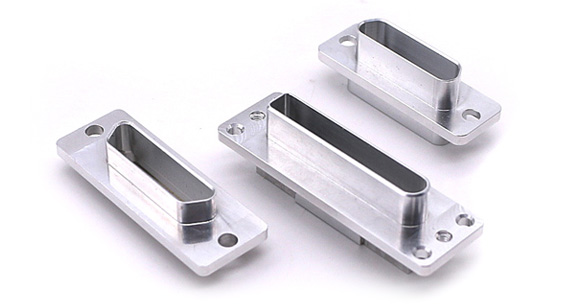
Thin-Wall Deformation
Thin walls and deep cavities can deform during machining if clamping or cutting forces are not controlled. VMT optimizes clamping force, machining sequence, and cutting parameters to improve dimensional stability.
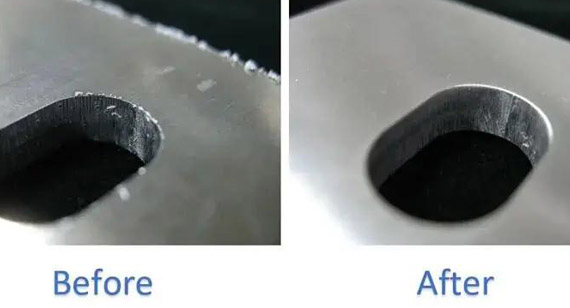
Burrs and Sharp Edges
Burrs around holes, threads, and cable interfaces can affect assembly or damage mating parts. VMT applies deburring, edge control, and visual inspection to deliver cleaner, safer connector housing parts.
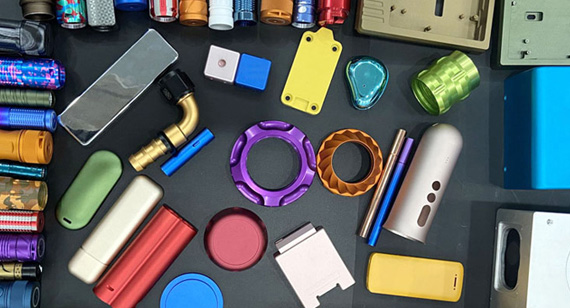
Surface Appearance Lssues: Surface Scratches or Color Inconsistency
Visible connector housings require stable surface quality after machining and finishing. VMT controls handling, finishing, inspection, and packaging to reduce scratches, dents, color variation, and cosmetic defects.
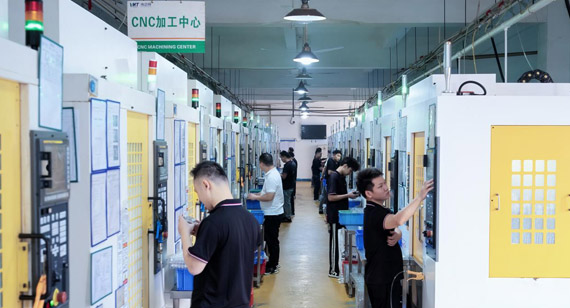
Prototype Approved but Batch Quality Unstable
A connector housing sample may pass prototype testing, but batch production can still face dimensional variation, thread inconsistency, surface defects, or assembly fit problems. VMT standardizes the machining process, fixture setup, tool control, in-process inspection, and final inspection plan to help maintain stable quality from prototype approval to mass production.
Need to reduce connector housing assembly risk? Upload your drawings and get DFM analysis before machining.
Custom CNC Machined Connector Housing Parts We Manufacture
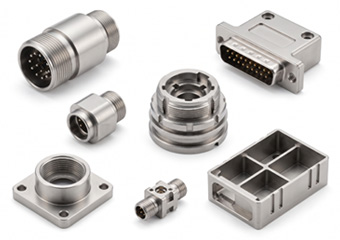
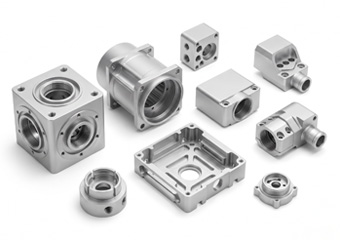
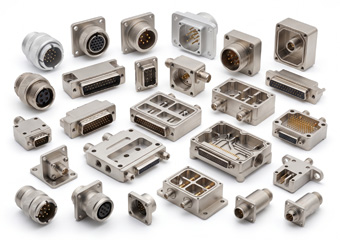
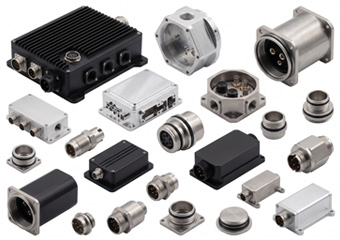
VMT manufactures custom CNC machined connector housings and related housing parts for industrial equipment, robotics, automotive electronics, medical devices, communication equipment, and precision instruments. With 100+ CNC machines, 12 QC steps, CMM inspection, and thread/pin gauge checks, we help control holes, threads, sealing grooves, mating surfaces, and batch consistency from prototype to mass production. Product images are published with customer permission.
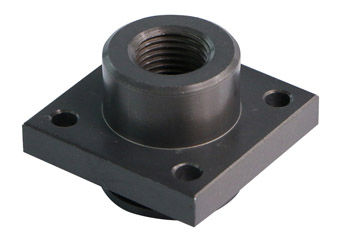
CNC Industrial Connector Housings
Custom CNC machined industrial connector housings for automation equipment, control systems, and industrial hardware. VMT controls mounting holes, threads, sealing areas, and assembly surfaces to support stable installation and reliable equipment connection.
Learn More
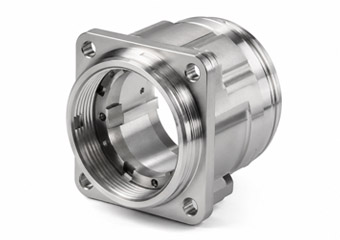
CNC Circular Connector Housings
CNC turned or turn-milled circular connector housings for sensor, cable, and industrial connection applications. We focus on bore accuracy, thread fit, sealing grooves, and mating surfaces to improve connector alignment and assembly performance.
Learn More
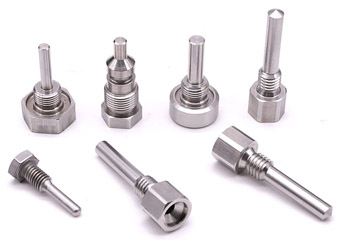
CNC Sensor Connector Housings
Precision CNC machined sensor connector housings for robotics, detection systems, and automation devices. VMT controls pin positions, mounting holes, sealing areas, and surface finish to support stable sensor assembly.
Learn More
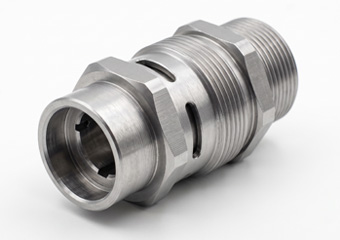
CNC Cable Connector Housings
Custom CNC machined cable connector housings for protected cable exits, strain relief structures, and equipment interfaces. We control cable openings, thread fit, edge quality, and mating surfaces to reduce assembly rework.
Learn More
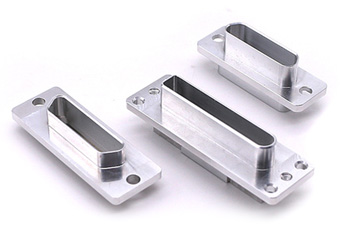
CNC Waterproof Connector Housings
CNC machined waterproof connector housings with O-ring grooves, gasket surfaces, threads, and corrosion-resistant finishes. VMT reviews sealing features before machining to help improve gasket fit and long-term product protection.
Learn More
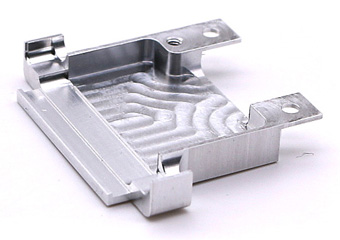
CNC Connector Shells & Backshells
CNC machined metal connector shells and backshells for interface protection, cable exit support, and mechanical shielding. We control thread fit, bore size, cable openings, and cosmetic surfaces for better assembly and appearance consistency.
Learn More
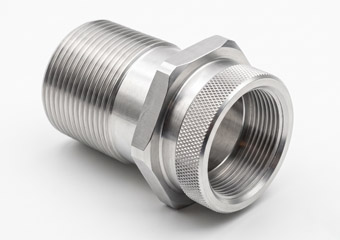
Threaded Sleeves & Coupling Rings
CNC turned threaded sleeves and coupling rings for connector locking, positioning, and mating structures. VMT controls thread depth, bore size, concentricity, and surface finish to support smoother locking and mating performance.
Learn More
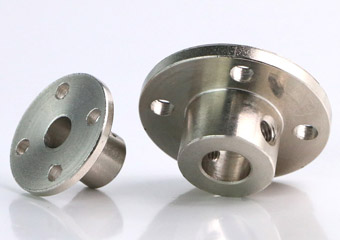
Mounting Flanges & Interface Blocks
Precision CNC machined mounting flanges and interface blocks for securing connector housings to panels, equipment, or modules. We control hole position, flatness, threads, and mating surfaces to reduce installation misalignment.
Learn More
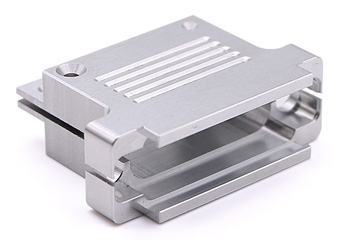
Communication Connector Housings
Custom CNC machined communication connector housings for base stations, network devices, signal modules, and communication equipment assemblies. VMT controls mounting holes, internal cavities, thread fit, mating surfaces, and surface finish to support stable signal interface assembly and reliable equipment protection.
Learn More
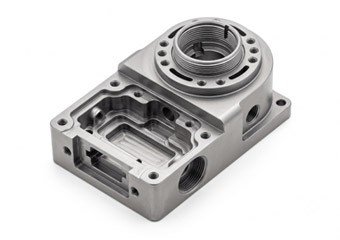
CNC Robotic Connector Housings
Precision CNC machined robotic connector housings for robot joints, motion control systems, sensor modules, and automation equipment. VMT controls pin positions, mounting holes, sealing areas, and mating surfaces to support accurate assembly, stable connection, and long-term movement reliability.
Learn More
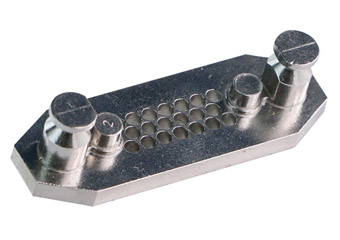
Electronic Connector Housings
Custom CNC machined automotive electronic connector housings for sensors, control modules, battery systems, and vehicle electronic assemblies. VMT controls hole position, thread quality, sealing grooves, and corrosion-resistant finishes to support stable assembly and reliable performance in demanding environments.
Learn More
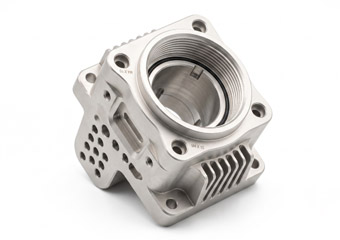
CNC Aviation Connector Housings
High-precision CNC machined aviation connector housings for aerospace, avionics, communication, and control system applications. VMT focuses on lightweight structure, thread accuracy, bore alignment, sealing surfaces, and inspection control to support reliable assembly and strict quality requirements.
Learn More
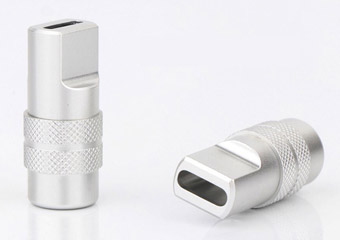
USB Type-C Connector Housings
Custom CNC machined USB Type-C metal connector housings with precision thin-wall machining, accurate mating dimensions, and premium cosmetic finishes.Critical dimensions and cosmetic surfaces are verified through CMM inspection and 100% visual inspection before shipment.
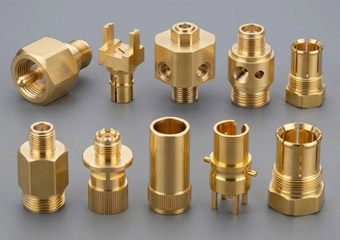
CNC RF Connector Housings
Custom CNC machined RF connector housings with precision bores, concentricity control, threaded interfaces, and high-accuracy mating surfaces.Critical dimensions are verified through CMM inspection, thread gauges, and pin gauges before shipment.
Learn More
CNC Machining Capabilities for Connector Housings
VMT supports custom connector housing projects with CNC milling, CNC turning, turn-mill machining, 5-axis machining, Swiss turning, EDM, deburring, and surface finishing. Based on your part structure, tolerance requirements, material, and production quantity, we select the right process to improve machining accuracy, assembly fit, and production stability.
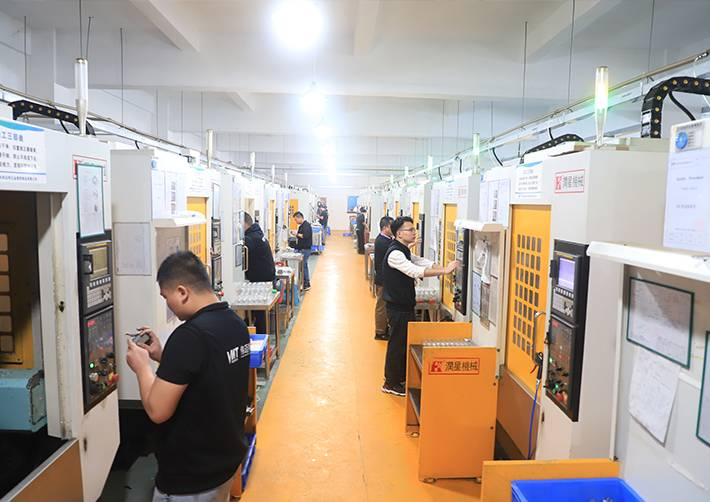
CNC Milling
Used for connector housings with mounting holes, flat surfaces, slots, pockets, sealing grooves, and multi-side features. CNC milling helps control hole position, mating surfaces, and installation accuracy.
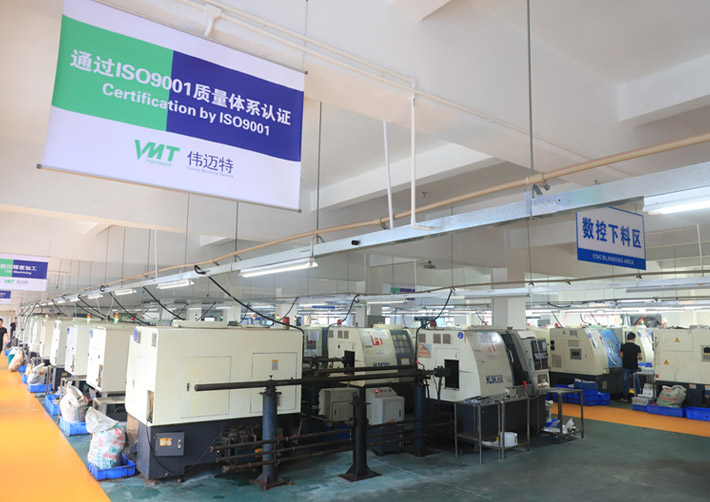
CNC Turning
Suitable for circular connector housings, threaded sleeves, coupling rings, and cylindrical housing structures. CNC turning helps control bore size, thread fit, concentricity, and roundness.
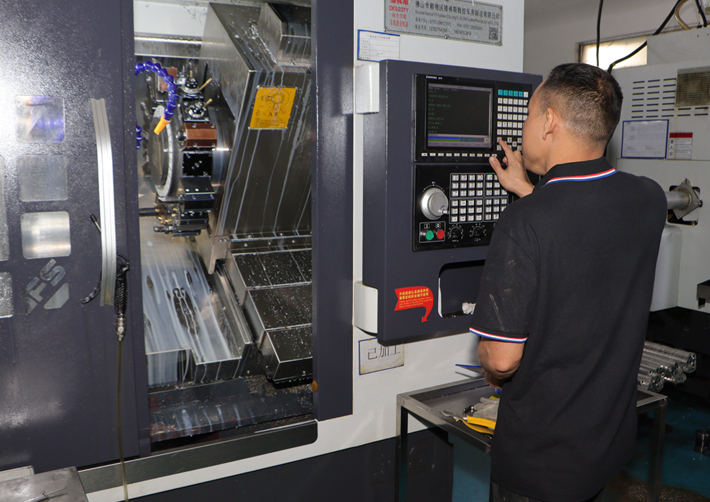
Turning-Milling Combined CNC Machining
Used for connector housings that combine round features, side holes, threads, grooves, and milled surfaces. Turn-mill machining can reduce repeated clamping and improve feature alignment.
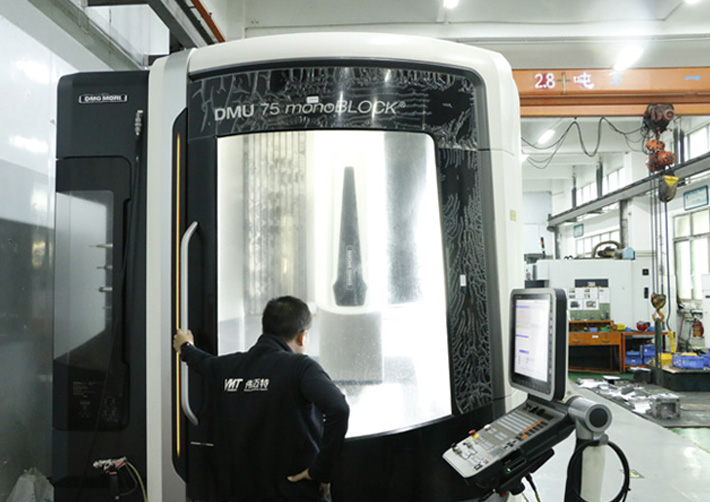
5-Axis CNC Machining
Suitable for complex connector housings with angled holes, curved surfaces, multi-angle interfaces, or difficult-to-reach features. 5-axis machining helps reduce setup errors and improve machining consistency.
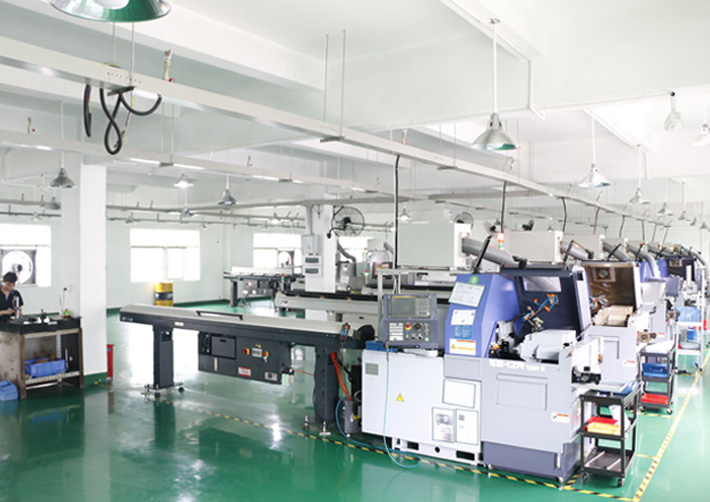
Swiss CNC Machining
Used for small, slender, or high-precision connector-related components such as sleeves, pins, shafts, and small cylindrical parts. Swiss turning supports stable machining for small-diameter precision parts.
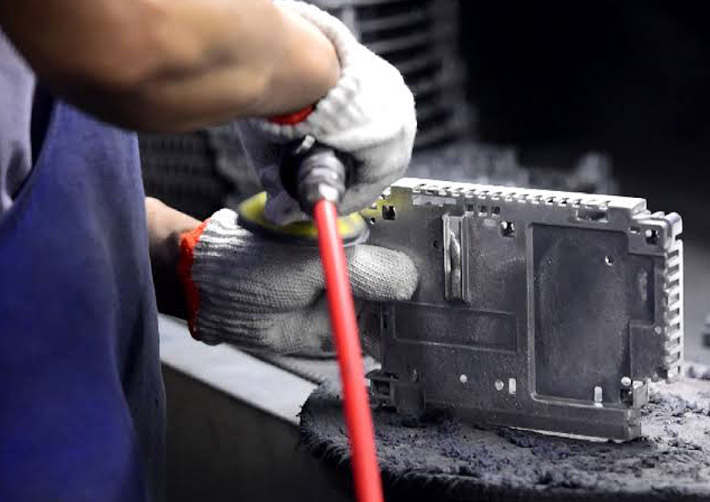
Deburring & Edge Control
Connector housings often have holes, threads, cable exits, sealing grooves, and mating edges. VMT controls burrs and sharp edges to improve assembly safety, cable protection, and final appearance.
Learn More
Materials for CNC Machined Connector Housings
Choosing the right material is critical for connector housing strength, weight, corrosion resistance, electrical performance, sealing reliability, and surface finish quality. VMT supports 100+ material options and helps customers select suitable metals or engineering plastics based on application environment, assembly requirements, tolerance needs, and production volume.
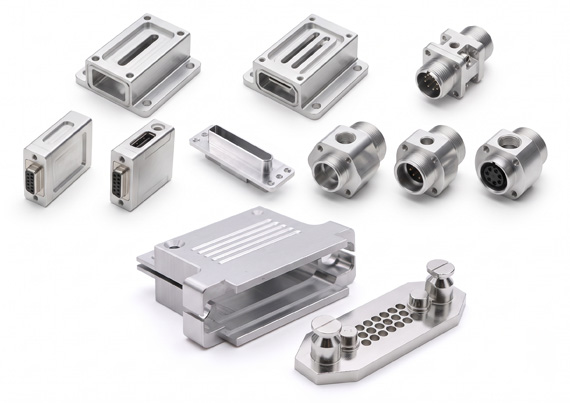
CNC Machining Aluminum Connector Housings
Common Grades: 6061 / 7075 / 6082 / 6063 Aluminum Alloy etc.
Aluminum 6061, 6063, 6082, and 7075 are commonly used for lightweight connector housings, communication equipment, sensor housings, and automation components. Aluminum offers good machinability, low weight, corrosion resistance, and excellent anodizing appearance, making it suitable for both prototypes and batch production.
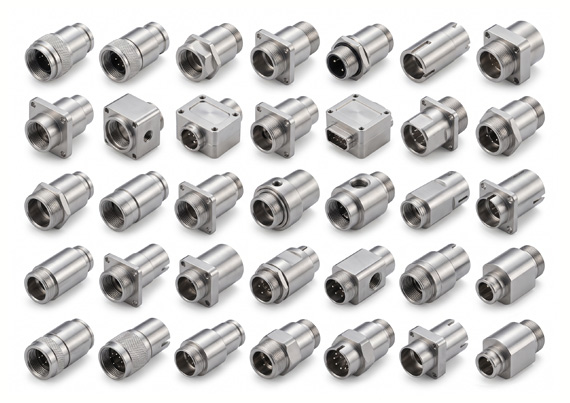
CNC Machining Stainless Steel Connector Housings
Common Grades: 303 / 304 / 316 / 420 / 410 Stainless Steel etc.
Stainless steel 303, 304, 316, 416, and 420 are suitable for connector housings used in harsh environments, medical devices, industrial equipment, and outdoor applications. VMT machines stainless steel housings with controlled threads, bores, sealing surfaces, and corrosion-resistant finishes to support long-term reliability.
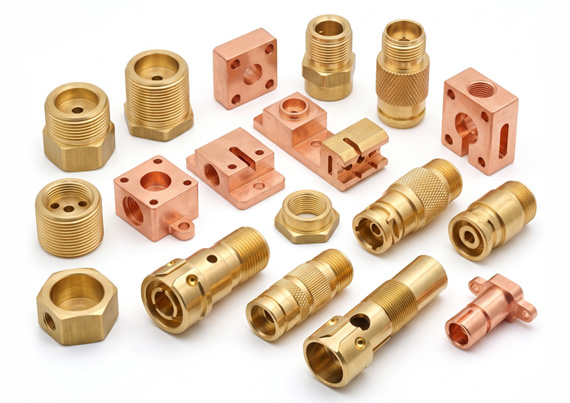
CNC Machining Brass & Copper Connector Housings
Common Grades: Copper C110 / Brass C360 etc.
Brass and copper are used for connector housing parts that require good conductivity, dimensional stability, or electrical interface performance. VMT supports CNC machining of brass and copper connector components with controlled bore size, thread fit, mating surfaces, and surface finishing requirements.
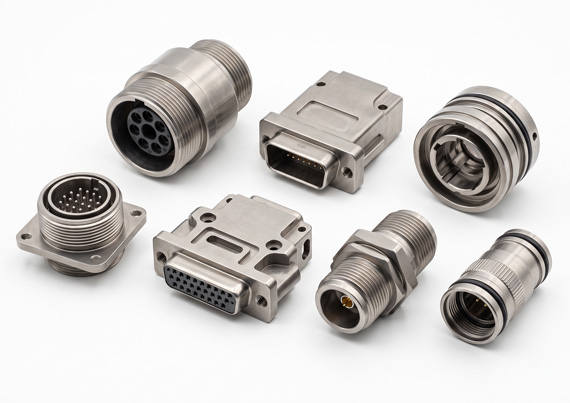
CNC Machining Titanium Connector Housings
Common Grades: Grade 2 Titanium / Ti-6Al-4V (Grade 5) etc.
Titanium connector housings are suitable for high-strength, lightweight, corrosion-resistant, and high-end applications such as aerospace, medical devices, and precision equipment. VMT controls machining parameters, tool wear, and surface quality to improve dimensional stability and part consistency.
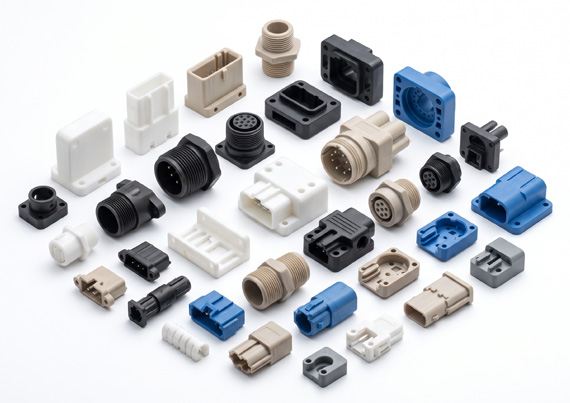
CNC Machining Engineering Plastic Connector Housings
Common Grades: POM / ABS / PTFE / PEEK / Nylon etc.
PEEK, POM, PTFE, Nylon, ABS, and other engineering plastics can be used for lightweight, insulating, or corrosion-resistant connector housing components. VMT machines plastic connector housing parts based on customer drawings, helping control holes, grooves, mounting surfaces, and assembly fit without mold investment.
Read More
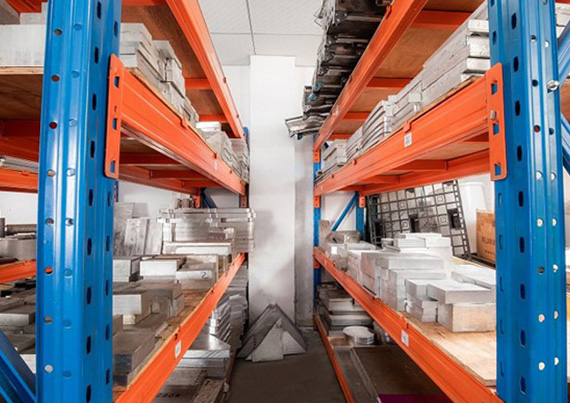
Material Selection Support
VMT helps customers balance strength, weight, corrosion resistance, insulation, conductivity, surface finish, cost, and production stability before machining. Material certificates and inspection reports can be provided when required for engineering approval or batch production traceability.
Surface Finishes & Coating Compensation for Connector Housings
Surface finishing is not only for appearance. For connector housings, coating thickness, masking areas, sealing surfaces, threads, bores, and mating dimensions can directly affect final assembly. VMT reviews surface treatment requirements before machining and helps reserve proper allowance for critical fit areas to reduce post-treatment assembly issues.
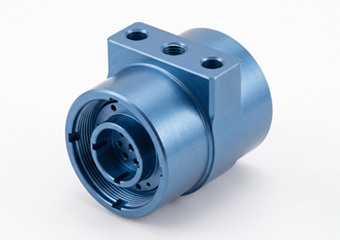
Anodizing
Anodizing is commonly used for aluminum connector housings to improve corrosion resistance, surface appearance, and color consistency. VMT reviews visible surfaces, tight-fit areas, and masking requirements before finishing to help reduce cosmetic and dimensional risks.
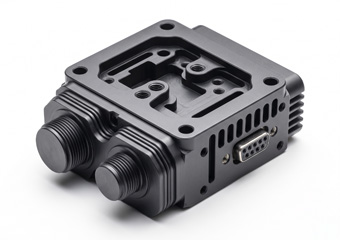
Hard Anodizing
Hard anodizing improves surface hardness, wear resistance, and durability for functional aluminum connector housings. Because coating thickness may affect threads, bores, and mating surfaces, VMT reviews dimensional allowance before machining and finishing.
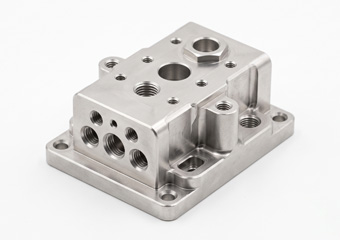
Passivation
Passivation is used for stainless steel connector housings to improve corrosion resistance without adding significant coating thickness. It is suitable for medical devices, industrial equipment, outdoor applications, and corrosion-sensitive environments.
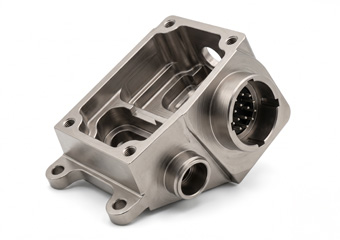
Electroless Nickel Plating
Electroless nickel plating provides uniform coating thickness and corrosion resistance for complex connector housing structures. It is suitable for parts with internal cavities, grooves, threads, and precision mating areas that require more consistent surface protection.
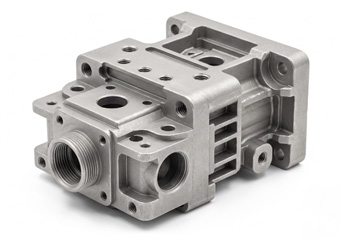
Sandblasting
Sandblasting creates a uniform matte texture and helps reduce visible machining marks. For connector housings with cosmetic surfaces, VMT controls blasting consistency and protects critical mating or sealing areas when required.
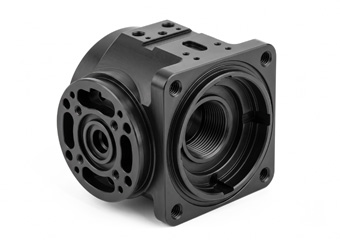
Black Oxide
Black oxide provides a dark appearance and mild corrosion protection for steel connector housing parts. VMT controls thread areas, mating surfaces, and appearance requirements to help maintain stable assembly and consistent visual quality.
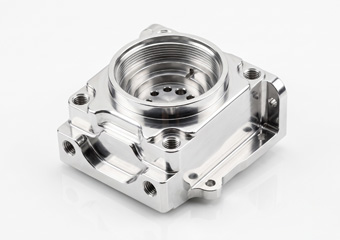
Polishing
Polishing can be used for visible stainless steel or aluminum connector housings to improve surface smoothness and cosmetic appearance. For critical holes, threads, sealing grooves, and mating surfaces, VMT reviews polishing requirements carefully to avoid affecting dimensional accuracy and assembly fit.
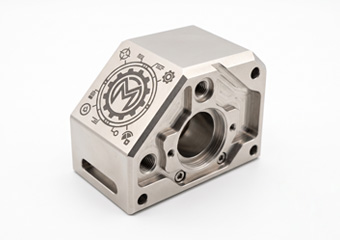
Laser Marking
Laser marking is used for part numbers, logos, direction marks, serial numbers, and traceability codes. VMT reviews marking position before production to avoid affecting sealing surfaces, mating areas, or visible cosmetic requirements.
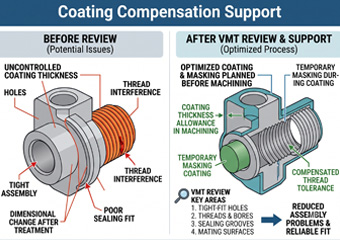
Coating Compensation Support
For connector housings with tight-fit holes, threads, bores, sealing grooves, or mating surfaces, VMT can review coating thickness and masking needs before machining. This helps reduce problems such as tight assembly, thread interference, poor sealing fit, or dimensional change after surface treatment.
Critical Dimensions & Quality Inspection for Connector Housings
Connector housings require strict inspection because small dimensional errors can affect connector fit, thread locking, sealing performance, and final assembly. VMT applies 12 QC steps and uses CMM, thread gauges, pin gauges, height gauges, micrometers, roughness testers, and visual inspection to verify critical features before shipment.
Hole Position Inspection
Mounting holes, pin holes, and positioning holes must align accurately with mating parts. VMT uses CMM, height gauges, and pin gauges to check hole position and help reduce assembly misalignment.
Thread Quality Inspection
Threads are critical for locking, fastening, and long-term connector reliability. VMT checks thread depth, thread fit, and tapping quality with thread gauges to help prevent loose fit, cross-threading, and assembly failure.
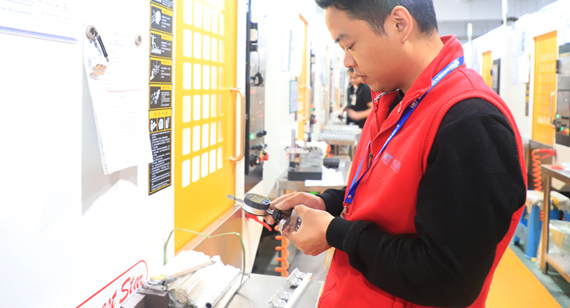
Bore & Inner Cavity Inspection
Bores and internal cavities can affect contact positioning, sleeve fit, and mating performance. VMT checks bore diameter, depth, roundness, and internal dimensions to support stable connector assembly.
Sealing Groove Inspection
For waterproof or protected connector housings, O-ring grooves and gasket grooves must be controlled carefully. VMT inspects groove width, depth, burrs, and sealing surfaces to help improve gasket fit and reduce leakage risk.
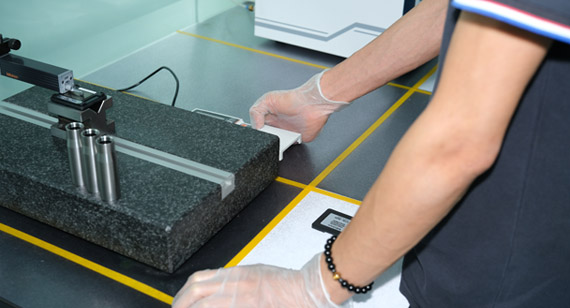
Flatness & Mating Surface Inspection
Flatness and mating surfaces affect installation stability, sealing performance, and connector alignment. VMT inspects key assembly surfaces to help reduce gaps, rocking, and poor fit during final assembly.
Surface Roughness Inspection
Functional surfaces, sealing areas, and visible cosmetic surfaces may require controlled roughness. VMT can inspect surface roughness when required to help meet assembly, sealing, or appearance requirements.
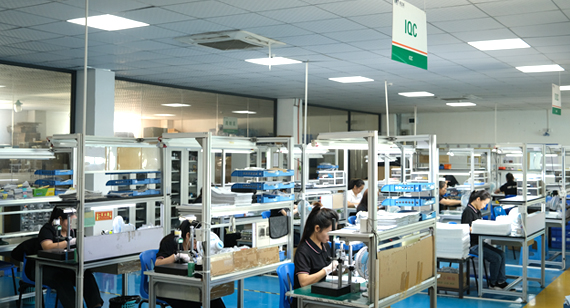
Appearance Inspection
Connector housings may have visible surfaces that affect final product quality. VMT checks burrs, scratches, dents, color inconsistency, sharp edges, and surface defects before packaging.
Inspection Documentation
Inspection reports can be provided when required, including CMM reports, first article inspection reports, material certificates, and surface treatment reports. This helps support engineering approval, batch traceability, and production quality control.
Applications of CNC Machined Connector Housings
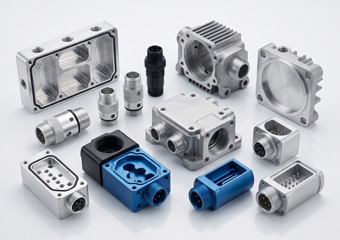
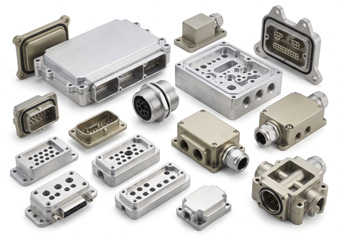
CNC machined connector housings are used in equipment that requires stable connection, accurate assembly, reliable protection, and long-term performance. VMT supports custom connector housing projects for industrial, electronic, automotive, robotic, medical, communication, and precision equipment applications.
100+
Sets of Machine
120+
Countries Shipped
100,000+
Parts Manufactured
Case Study: Custom Aluminum Connector Housing for Industrial Automation Equipment
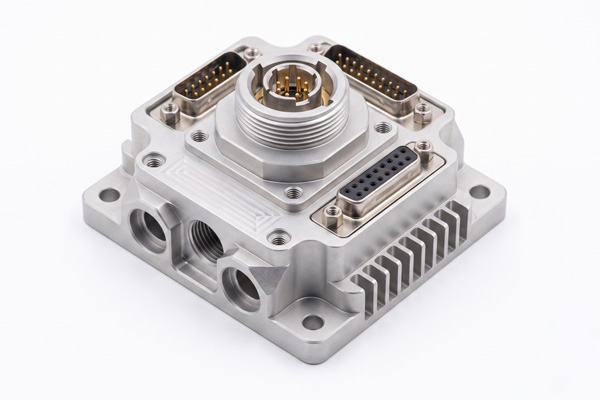
Project Background:
An industrial automation equipment manufacturer needed a custom aluminum connector housing for a compact control module. The part required stable connector fit, accurate mounting holes, reliable thread locking, and a clean anodized surface.
Project Challenge: Before working with VMT, the customer’s batch parts had hole position deviation, unstable thread quality, and visible surface scratches, causing difficult assembly, repeated rework, and delayed small-batch production.
VMT Solution: After reviewing the 2D drawings, 3D model, mating structure, thread depth, sealing groove, and anodizing requirements, VMT optimized the machining sequence, reduced repeated clamping, controlled key datum surfaces, and added in-process inspection for holes and threads.
Project Result:
VMT controlled key hole positions within ±0.01 mm, inspected critical threads with 100% thread gauges, and checked key dimensions before shipment. The customer achieved smoother assembly, more stable connector fit, better surface appearance, and fewer rework issues in batch production.
From RFQ to Finished Connector Housings
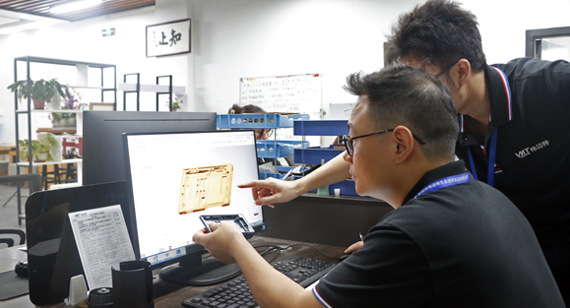
What to Include in Your Connector Housing RFQ
To help VMT review your connector housing project faster and provide a more accurate quotation, please send complete drawing, material, tolerance, surface finish, quantity, and inspection requirements. Clear RFQ information helps reduce communication time, avoid design misunderstanding, and support faster DFM review before machining.
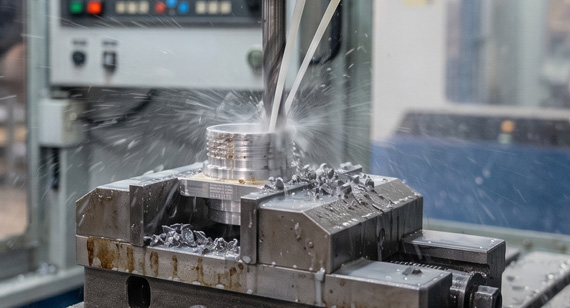
Simple RFQ Process for Connector Housing Projects
Send VMT your 2D drawings, 3D CAD files, material, quantity, tolerance, surface finish, assembly, and inspection requirements. Our engineering team will review your connector housing design, provide quotation and DFM feedback, then support prototype machining, inspection, batch production, final quality control, and protective packaging.
1. Send Drawings & Requirements: Upload your 2D drawings, 3D CAD files, material, quantity, surface finish, and critical tolerance requirements.
2. Engineering Review: VMT reviews hole positions, threads, sealing grooves, wall thickness, coating allowance, and assembly risks before machining.
3. Quote & DFM Feedback: We provide a quotation and practical DFM suggestions to help reduce machining risk, assembly issues, and unnecessary cost.
4. Prototype or Batch Machining: After approval, VMT starts prototype machining, pilot production, or batch production based on your project needs.
5. Inspection & Delivery: Critical dimensions, threads, sealing features, and appearance are inspected before shipment, with reports available when required.
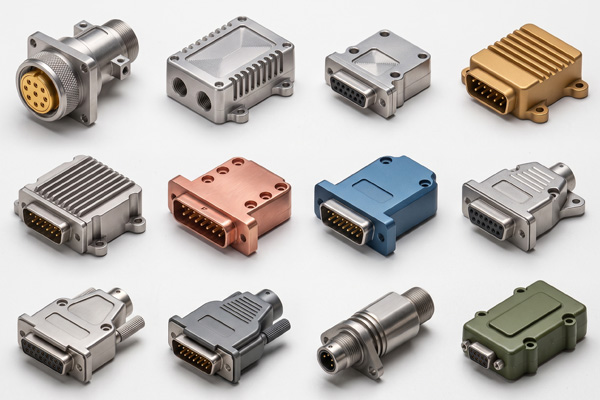
We customize production schedules for various projects to ensure we meet your CNC machining connector housing needs.
| Project Type |
Turnaround Time |
| Urgent high-Precision Samples |
24-Hour Delivery |
| CNC Prototype Manufacturing |
Simple Parts: 1–3 days,Complex Parts: 3–7 days |
| Molding Requirements |
Mold Production: Completed in 5 days, with samples delivered within 7 days. |
| High-Volume Production |
Lead Times: Depend on part complexity, with typical delivery within 2–4 weeks, always meeting customer deadlines. |
For projects with urgent deadlines, please contact us immediately for expedited processing.
Can you control hole position accuracy for connector housings?
Yes. VMT reviews datum references, hole-to-hole distance, mating parts, and assembly requirements before machining. We use CNC machining, fixture control, and CMM or pin gauge inspection to help reduce connector misalignment and assembly rework.
Can you machine threads for connector locking and fastening?
Yes. We machine internal threads, external threads, locking threads, and fastening holes based on customer drawings. Thread depth, thread fit, wall thickness, and tool access are reviewed before machining, and thread gauges can be used to verify critical threaded features.
How do you control sealing grooves for waterproof connector housings?
For waterproof or protected connector housings, VMT checks O-ring groove width, depth, sealing surface flatness, burr risk, and coating allowance before production. Controlled machining and inspection help improve gasket fit and reduce leakage risk.
Can you help with DFM before machining?
Yes. VMT provides DFM review for connector housing projects. We check hole positions, threads, sealing grooves, wall thickness, tool access, material choice, surface treatment, and inspection requirements to help reduce machining difficulty, assembly interference, and batch production risks.
How do you reduce deformation in thin-wall connector housings?
We evaluate wall thickness, cavity depth, clamping position, material stress, and machining sequence before production. By optimizing clamping force, cutting parameters, and machining order, VMT helps reduce thin-wall deformation and improve dimensional stability.
Can you control dimensions after anodizing or plating?
Yes. For connector housings with anodizing, hard anodizing, electroless nickel plating, or other coatings, VMT reviews coating thickness, masking areas, threads, bores, sealing grooves, and mating surfaces before finishing. This helps reduce tight assembly, thread interference, and post-treatment dimensional changes.
What materials can you machine for connector housings?
VMT supports aluminum, stainless steel, brass, copper, titanium, PEEK, POM, PTFE, nylon, ABS, and other engineering plastics. We can help customers select suitable materials based on strength, weight, corrosion resistance, conductivity, insulation, surface finish, and cost requirements.
Can you provide inspection reports?
Yes. Depending on project requirements, VMT can provide CMM reports, first article inspection reports, material certificates, surface treatment reports, and inspection records for critical dimensions such as holes, threads, bores, sealing grooves, flatness, and mating surfaces.
Do you support both prototypes and mass production?
Yes. VMT supports connector housing projects from prototype validation to small-batch and mass production. After sample approval, we can standardize the machining process, inspection plan, and packaging requirements to help maintain stable batch quality.
Do you supply standard connector parts?
No. VMT focuses on custom CNC machined connector housing parts based on customer drawings. We do not supply standard off-the-shelf connectors, molded plastic inserts, or stamped terminal components. Our service is for custom machined housings, shells, backshells, sleeves, rings, flanges, and interface blocks.

 2024-08-02
The manufacturer is strongly recommended. In the past few years of cooperation we have ordered several machined products from aluminum and stainless steel. These products are manufactured in compliance with tolerance requirements and require product finish. Now I have ordered another one. The service is excellent and any questions can be answered and resolved in time.
 2021-05-13
The dimensions are all customized according to my drawings no tolerance issues and the parts are delivered on time. I am very satisfied with it.
 2021-04-06
I pay much attention to the surface treatment aspect of this product. I was a little worried about the cooperation at the beginning. I am very satisfied with the product now and hope to cooperate for a long time.
 2022-09-22
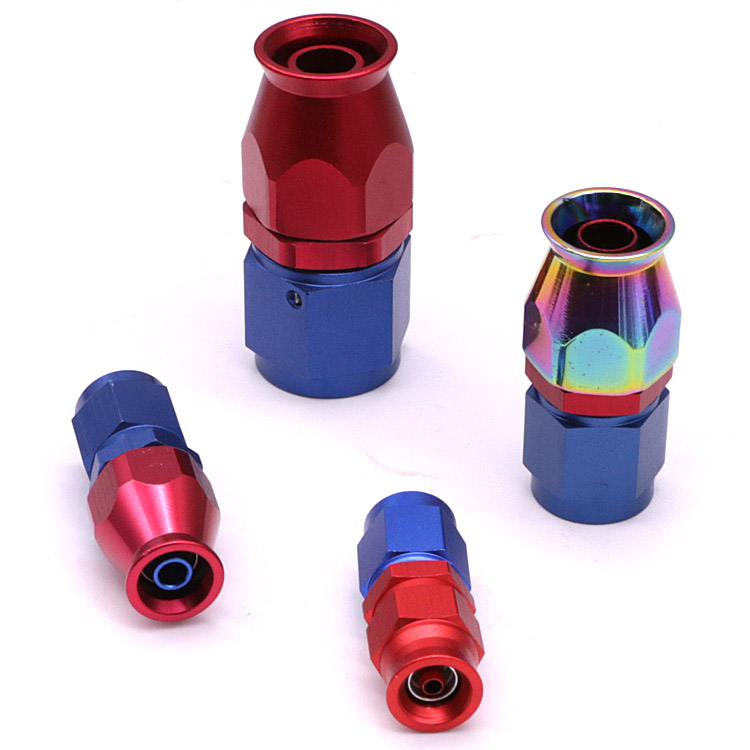
AN8 Straight PTFE Hose End Fitting for PTFE Fuel Line Fitting Adapter Black Blue Red


 +86 15099911516