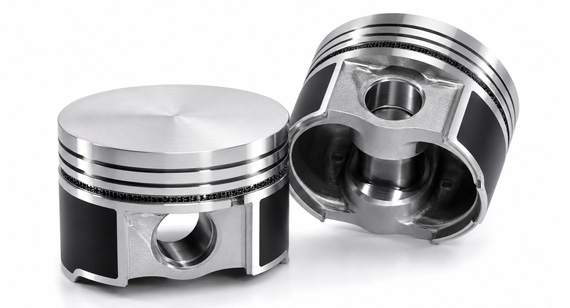
Custom CNC Flat-Top Pistons
Flat-top pistons serve custom engine chambers; CNC turning and milling control crown flatness, valve pockets, ring grooves and pin bores, while dimensional inspection confirms drawing-based fit.
Request a Custom Quote
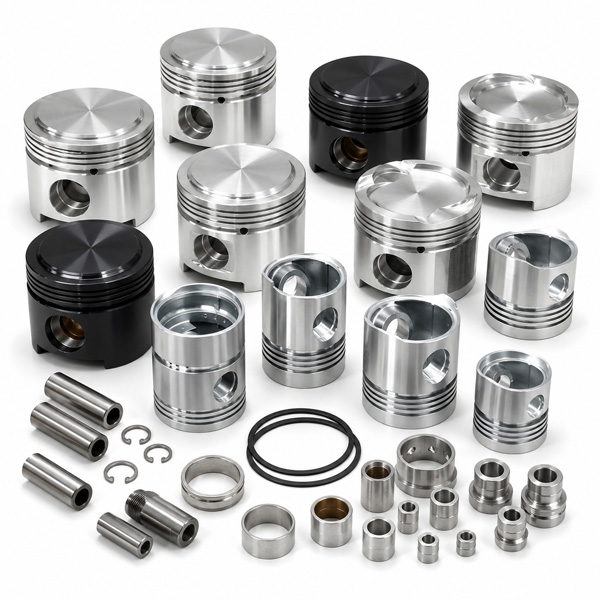
Custom CNC pistons and piston components for engine hydraulic pneumatic compressor pump and precision applications with DFM review machining inspection and production support.
 Custom-machined to drawings; non-standard CNC piston
1-on-1 engineering DFM support, 4-Hour DFM Analysis
Multi-process machining with tolerances up to ±0.005 mm, reduce costs by 30%
50+ surface finishes to improve appearance and texture quality
16 Years of Custom CNC Manufacturing, 100+ CNC Machines, 12-Step Quality Control
1 DayPrototyping Machining
2 HoursQuick Quote
0 PcsMinimum Order Qualities
98%Yield
Home / CNC Pistons /


Backed by 16 years of custom CNC manufacturing and experience supporting 1,000+ customers across multiple industries, VMT machines piston geometries for engine, fluid-power, pump, compressor and precision systems, helping you move from an approved drawing to assembly-ready parts and repeatable production.
VMT machines non-standard crown geometries from your 2D/3D drawings, controlling chamber profiles, grooves, bores and mating relationships so your prototype and production parts match the approved design.
Flat-top pistons serve custom engine chambers; CNC turning and milling control crown flatness, valve pockets, ring grooves and pin bores, while dimensional inspection confirms drawing-based fit.
Request a Custom Quote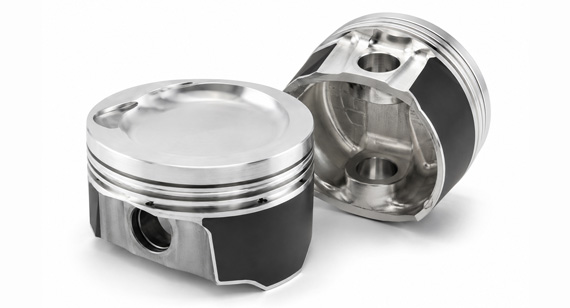
Dished pistons support recessed combustion designs; CNC machining controls dish depth, rim width, transitions, reliefs and groove positions, while profile inspection verifies chamber geometry and assembly clearance.
Discuss Your Drawing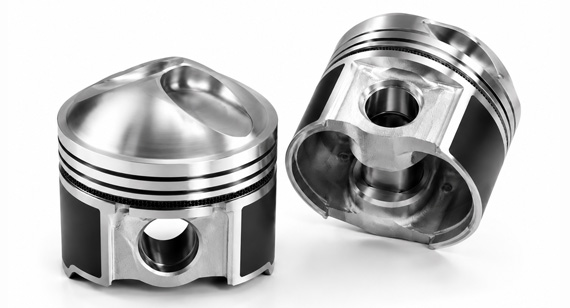
Domed pistons match raised combustion chambers; multi-axis CNC milling controls dome profiles, transitions and valve pockets, while profile inspection verifies clearance-critical surfaces for reliable engine validation.
Request a DFM Review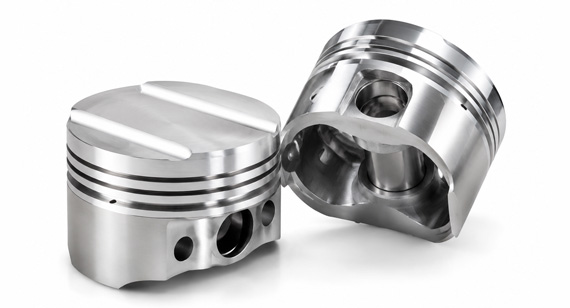
Stepped-crown pistons combine raised and lowered zones; coordinated turning and milling control step height, transition geometry and valve clearance, while dimensional inspection confirms assembly-ready relationships.
Upload Your Drawings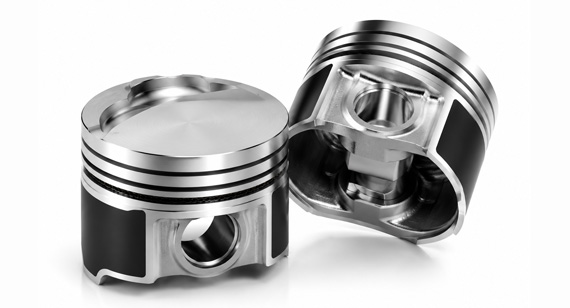
Step-dish pistons combine recessed chambers and defined perimeter zones; CNC milling controls dish depth, step geometry and edge transitions, while profile inspection verifies your approved model.
Discuss Requirements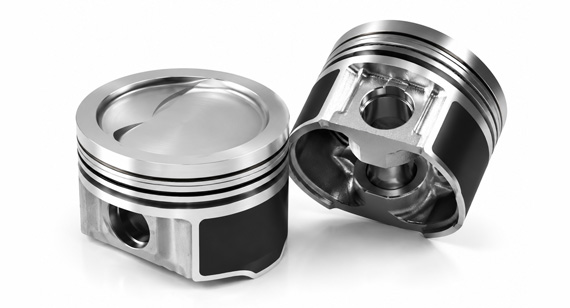
Bowl-in-piston parts support direct-injection chamber designs; 3D CNC machining controls bowl diameter, depth, lip geometry and relief features, while profile inspection confirms critical combustion surfaces.
Request Engineering ReviewVMT produces custom piston and plunger components for pressure, sealing, dosing, movement and wear-control systems, combining the appropriate CNC route with feature-specific inspection.
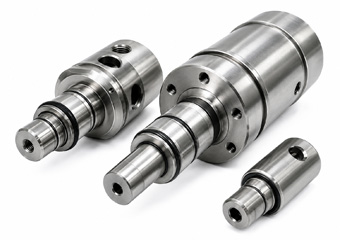
Hydraulic pistons convert fluid pressure into motion; CNC turning and milling control diameters, seal grooves, bores and threads, while dimensional inspection supports sealing and cylinder assembly.
Request a Quote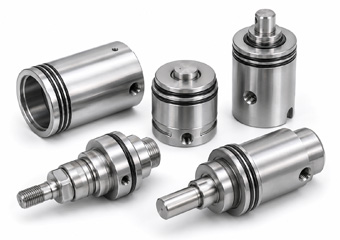
Pneumatic pistons drive automation actuators; CNC turning controls lightweight bodies, seal grooves, rod connections and concentric features, while fit inspection supports smooth movement and repeatable assembly.
Request a Quote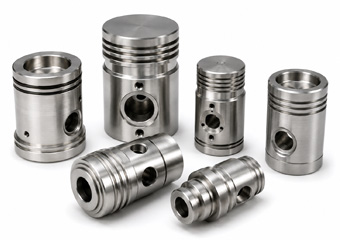
Compressor pistons serve air, gas and refrigeration systems; CNC machining controls crowns, ring grooves, pin bores and profiles, while dimensional inspection supports pressure, sealing and wear requirements.
Request a Quote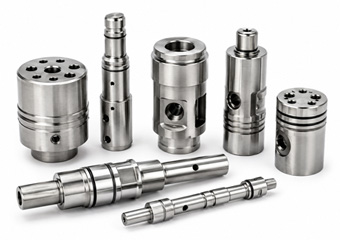
Pump pistons and plungers meter pressurized fluids; CNC turning, Swiss machining and grinding control diameter, straightness, sealing surfaces and threads, while final inspection supports stable pumping performance.
Request a Quote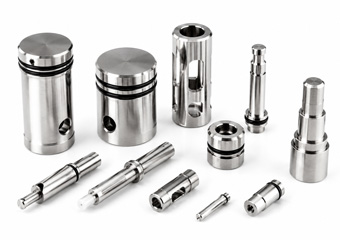
Miniature pistons serve valves, medical devices and instruments; Swiss machining controls small diameters, micro-grooves, threads and concentric steps, while enlarged inspection confirms reliable compact assembly.
Request a Quote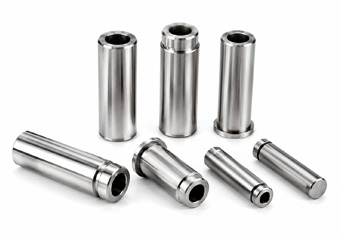
Piston pins connect moving assemblies; CNC turning and Swiss machining control diameter, concentricity, ends and lubrication holes, while gauge inspection verifies the specified bore and rod fit.
Request a Quote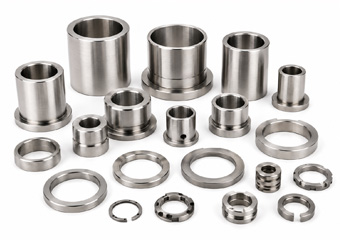
Bushings, spacers and retainers support alignment and motion control; CNC turning machines bores, shoulders, grooves and threads, while dimensional inspection confirms shaft and housing relationships.
Request a Quote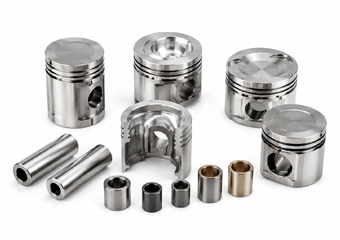
Piston prototypes validate geometry, material and assembly; flexible CNC programming controls revision changes and critical features, while inspection reports support design approval before pilot or repeat production.
Request a QuoteWith 100+ CNC machines and one-to-one engineering support, VMT adapts piston materials, machining routes and inspection plans to automotive, hydraulic, automation, compressor, pump, medical and heavy-equipment requirements, helping you reduce supplier handoffs and project risk.
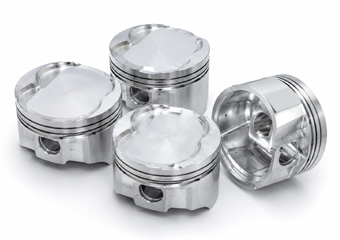
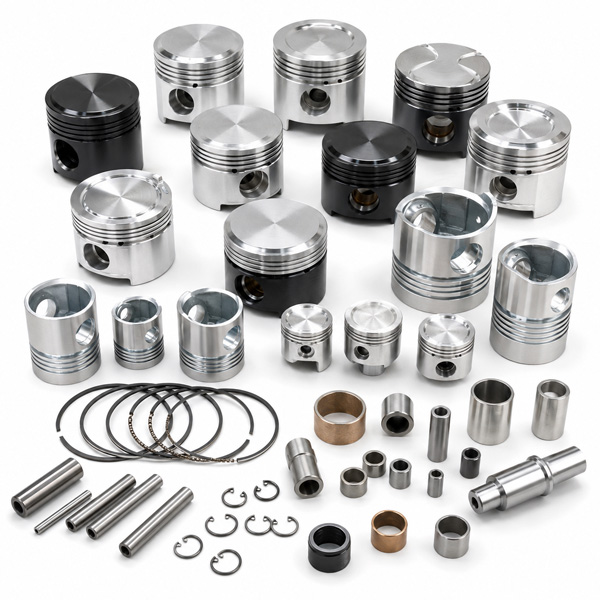
Engine pistons support automotive, motorcycle and small-engine projects; multi-axis CNC machining controls crown, grooves, bores and skirt features, while dimensional inspection supports prototype and production validation.
Discuss Your Project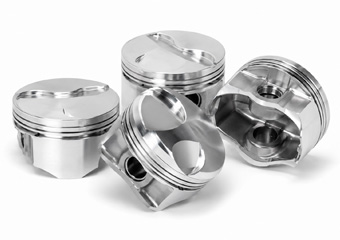
Performance pistons use custom forgings and complex crowns; multi-axis machining controls valve reliefs, ring lands and weight pockets, while profile inspection supports engine-testing confidence.
Discuss a Racing Piston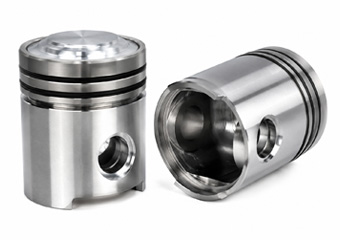
Hydraulic pistons serve cylinders and heavy equipment; CNC turning controls seal grooves, wear-ring seats, bores and threads, while post-finish inspection supports pressure sealing and reliable movement.
Request a Hydraulic Quote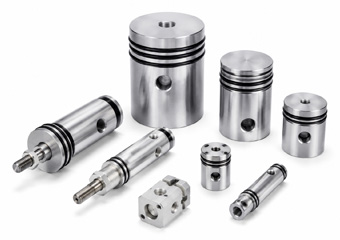
Pneumatic pistons drive robotics and automation; CNC turning controls lightweight diameters, grooves and connections, while concentricity inspection supports smooth motion, seal life and repeatable assembly.
Discuss an Automation Piston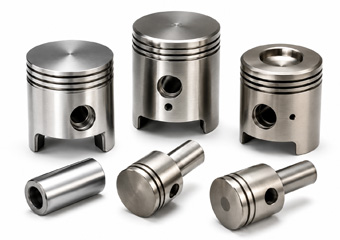
Compressor pistons operate under cyclic pressure; CNC machining controls grooves, bores, crowns and wear surfaces, while material and dimensional inspection support gas sealing and service stability.
Request a Compressor Quote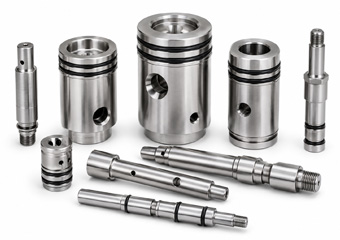
Pump plungers meter aggressive or high-pressure fluids; CNC turning, grinding and polishing control straightness and sealing surfaces, while final roughness inspection supports consistent fluid delivery.
Discuss a Pump Component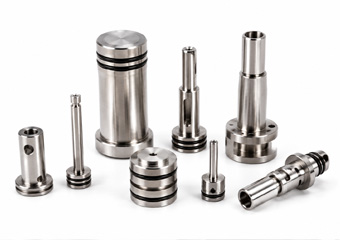
Miniature pistons support dosing and analytical equipment; Swiss machining controls micro-grooves, fine threads and small bores, while enlarged inspection supports repeatable fit in compact assemblies.
Discuss a Precision Piston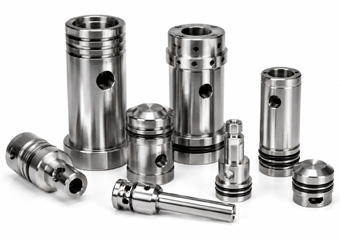
Heavy-duty pistons and plungers face pressure, wear and corrosion; CNC machining plus heat treatment and finishing control functional surfaces, while traceable inspection supports severe-duty equipment.
Request Engineering ReviewVMT combines 4-hour DFM feedback targets with fixture, process and inspection planning to identify manufacturability risks before material is cut, helping you reduce trial machining, assembly failures and batch variation.
| Project Risk | VMT Manufacturing Control | Value to Your Project |
|---|---|---|
| Unstable Piston and Pin Fit | Review mating dimensions, machining allowance, finish-bore sequence and measurement method before production. | Reduces seizure, looseness and repeated assembly trials. |
| Seal-Groove Width or Depth Variation | Control groove width, depth, corner radius, position, tool wear and deburring requirements. | Improves seal installation, movement and leakage control. |
| Outer Diameter and Bore Misalignment | Use common datums, optimized workholding and operation planning to preserve bore-to-OD relationships. | Lowers eccentric loading, motion resistance and assembly risk. |
| Thin-Wall Piston Deformation | Optimize clamping force, machining order, stock allowance, tool parameters and free-state inspection. | Improves roundness, repeatability and batch consistency. |
| Sliding Surface Roughness Is Unsuitable | Select turning, grinding, honing, polishing or coating according to the functional surface requirement. | Reduces friction, seal wear and premature surface damage. |
| Post-Finish Dimensions Change | Reserve coating or plating allowance and define masking, post-process inspection and final acceptance dimensions. | Reduces out-of-tolerance parts after anodizing, plating or coating. |
| Prototype Passes but Production Drifts | Retain first-article records, IPQC checkpoints, critical-dimension controls and batch traceability. | Improves repeat-order consistency and production confidence. |
| Multiple Mating Parts Come from Different Suppliers | Machine pistons, pins, bushings and retaining components under one coordinated datum and inspection plan. | Simplifies assembly matching and supplier management. |
Check thin sections, deep grooves, tool access, internal cavities, undercuts and assembly clearance before quoting.
Separate functional, assembly and general dimensions so you avoid unnecessary precision cost on non-critical features.
Evaluate strength, weight, wear, corrosion, machinability, heat treatment and surface-finishing compatibility for your operating environment.
Select CNC turning, mill-turn, 3/4/5-axis milling, Swiss machining, grinding or combined routes for your geometry and volume.
Confirm critical dimensions, measurement datums, inspection methods, reporting and post-finish checks before production begins.
From one-off prototypes to repeat production, CNC machining lets VMT adjust piston geometry, material and process controls without forcing you into a fixed catalog design or premature tooling investment.
Custom cylinders, rods, pins, seals and housings require unique diameters, grooves, threads, shoulders and datum relationships unavailable in standard pistons.
CNC programming supports controlled changes to crown, groove, bore and weight features without rebuilding full production tooling.
Approved drawings, samples or measurement data can support replacement components when original standard parts are no longer available.
Hydraulic, pneumatic, compressor and pump systems often require seal and wear-ring grooves tailored to pressure, media and motion.
CNC machining supports prototypes, maintenance quantities and specialized batches without high upfront casting or forging tooling costs.
Approved fixtures, tooling notes, inspection characteristics and revision records help stabilize pilot and repeat production.
VMT plans shared datums, workholding and inspection around the relationship between features, helping you avoid parts that pass isolated dimensions but fail during sealing, motion or assembly.
VMT centrally coordinates material, machining, surface treatment and inspection, helping you choose a piston material around load, wear, weight, corrosion and operating environment instead of selecting a grade by price alone.
These four alloys are common starting points for lightweight hydraulic, pneumatic, automation and development components. Final suitability depends on temperature, pressure, fatigue, wear and your validation requirements.
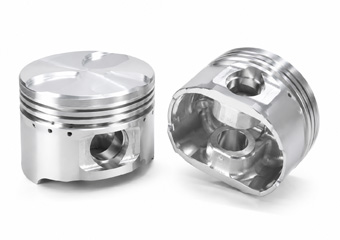
6061-T6 suits hydraulic, pneumatic and prototype pistons; its machinability supports hard anodizing, while controlled coating allowance preserves seal grooves and assembly dimensions for reliable lightweight operation.
Discuss 6061 Pistons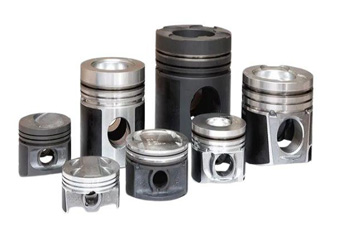
6082-T6 suits structural hydraulic and industrial pistons; its strength supports hard anodizing or electroless nickel, helping you balance load capacity, corrosion resistance and reduced component weight.
Discuss 6082 Pistons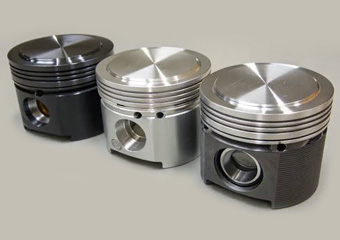
7075 suits high-strength lightweight pistons and prototypes; controlled roughing, stress management and hard anodizing support stiffness, while final inspection protects critical fits after finishing.
Discuss 7075 Pistons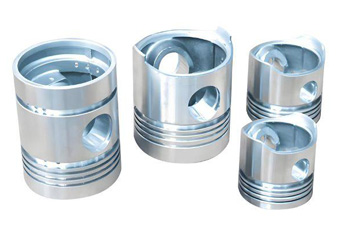
2024 suits customer-specified aerospace and high-load piston components; its fatigue strength supports anodizing or conversion coating, helping you achieve lightweight structures with controlled functional dimensions.
Discuss 2024 PistonsThe table uses your project perspective: where each option fits, what you need to control and what the selected route contributes to your part.
| Material / Blank | Where It Fits Your Project | What You Need to Control | Value to Your Project |
|---|---|---|---|
| Cast Aluminum-Silicon Alloys | You can use near-net cast blanks for engine and repeat-production piston programs. | Confirm blank allowance, datum quality, porosity acceptance, crown, ring grooves, pin bores and skirt machining. | You reduce material removal while retaining CNC control of critical functional features. |
| Hypereutectic Aluminum-Silicon | You can specify high-silicon alloys for lower expansion and wear-oriented engine designs. | Control tool selection, edge quality, groove finishing and inspection of brittle or wear-sensitive features. | You gain the specified thermal and wear behavior without sacrificing machined-feature consistency. |
| Forged 2618 Aluminum | You can use 2618 for high-load, racing and performance engine pistons. | Define forging allowance, crown geometry, valve reliefs, ring grooves, pin bores and thermal-clearance requirements. | You obtain custom geometry in a high-toughness forged alloy suited to demanding validation programs. |
| Forged 4032 Aluminum | You can use 4032 where lower thermal expansion and wear characteristics are required. | Control groove geometry, pin-bore relationships, edge condition and the approved cold-dimension strategy. | You support tighter cold-clearance planning and repeatable assembly within the approved design. |
| Billet 2618 / 4032 | You can use billet material for prototypes, low volumes, legacy engines and special crown designs. | Plan full material removal, fixture stability, multi-axis access, inspection and revision control. | You avoid dedicated forging or casting tooling while preserving design flexibility. |
| 6061-T6 | You can use 6061 for hydraulic, pneumatic, automation and non-combustion development pistons. | Control seal grooves, concentricity, coating allowance, thin sections and final dimensions after hard anodizing. | You gain good machinability, low weight and broad finishing options for suitable industrial applications. |
| 6082-T6 | You can use 6082 for higher-strength industrial piston and actuator components. | Review load, stress, finish compatibility, seal features and batch inspection requirements. | You balance structural strength, corrosion protection and reduced weight in suitable systems. |
| 7075-T6 / T651 | You can use 7075 for customer-approved high-strength lightweight pistons and prototypes. | Review temperature exposure, fatigue, residual stress, thin walls and post-finish dimensions. | You achieve high stiffness-to-weight performance when the environment and design approve this alloy. |
| 2014 / 2024 / Customer-Specified Aluminum | You can specify these alloys for aerospace-related fluid systems, development parts or supplied-material programs. | Confirm temper, heat treatment, traceability, allowance and finish compatibility before machining. | You keep manufacturing aligned with your approved material specification and documentation. |
VMT also machines piston, plunger, pin and bushing materials selected around pressure, corrosion, friction, wear, hardness and chemical compatibility.
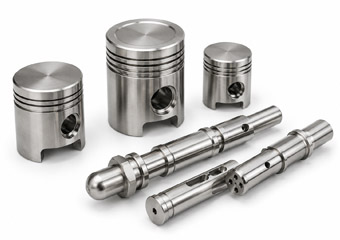
Stainless steel suits corrosion-resistant pistons and pump plungers; CNC turning plus passivation or polishing controls sealing surfaces, helping you improve fluid compatibility and service durability.
Discuss Stainless Pistons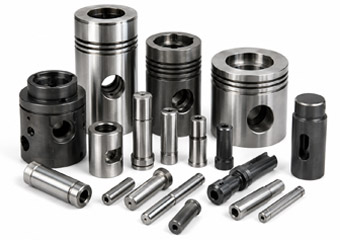
Alloy steel suits high-load pistons, pins and plungers; CNC machining followed by heat treatment and grinding controls hardness and fit, supporting wear resistance and heavy-duty operation.
Discuss Steel Pistons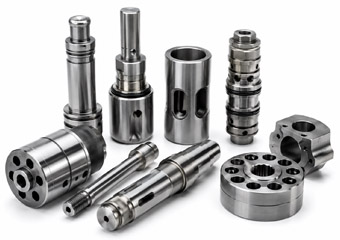
Tool steel suits wear-intensive plungers and pump components; CNC machining, heat treatment and finish grinding control hardness and geometry, helping you extend service life under repeated contact.
Discuss Tool-Steel Plungers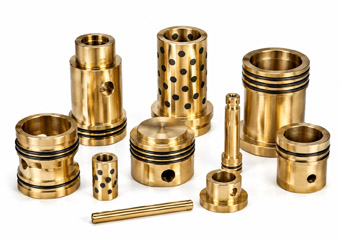
Brass and bronze suit low-friction pistons, guides and bushings; CNC turning plus polishing controls bearing surfaces, helping you improve sliding behavior, corrosion resistance and assembly stability.
Discuss Copper-Alloy Parts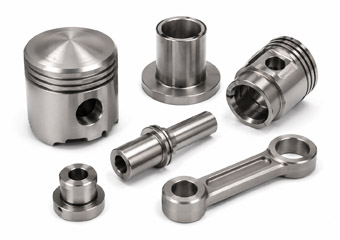
Titanium suits lightweight corrosion-resistant piston projects; controlled CNC machining and optional passivation or PVD manage heat and surface behavior, supporting high-value applications with strict weight targets.
Discuss Titanium Pistons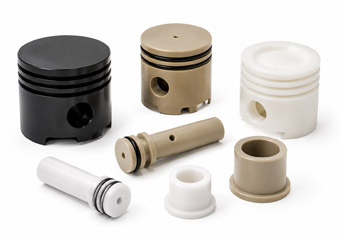
Engineering plastics suit low-friction, medical and chemical pistons; precision turning controls grooves and diameters without metal coating, helping you reduce weight, friction and media-reaction risk.
Discuss Plastic PistonsVMT combines CNC turning, mill-turn, 3/4/5-axis milling, Swiss machining, grinding and blank-finishing routes, helping you balance tooling investment, material use, feature access and repeatability.
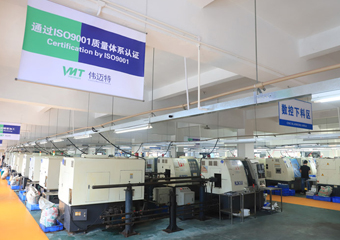
CNC turning forms piston diameters, faces, grooves, shoulders, tapers and threads; common-datum control preserves concentricity, while in-process measurement supports repeatable rotational geometry.
Discuss CNC Turning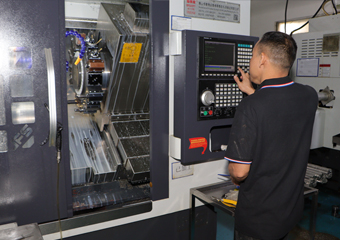
Mill-turn machining combines rotational and off-center features; fewer setups control bores, flats, holes and grooves, while shared datums reduce cumulative error and handling.
Discuss Mill-Turn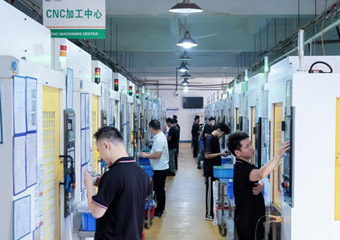
Multi-axis milling produces complex crowns, valve reliefs, internal pockets and angled features; controlled tool orientation improves access, while profile inspection verifies model-defined surfaces.
Discuss Multi-Axis Machining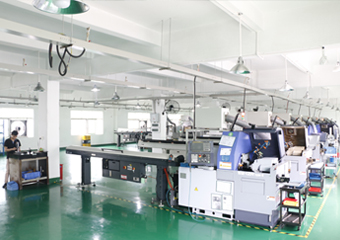
Swiss machining supports miniature pistons, pins and slender plungers; continuous bar support controls small diameters, grooves and fine threads, while enlarged inspection confirms compact features.
Discuss Swiss Machining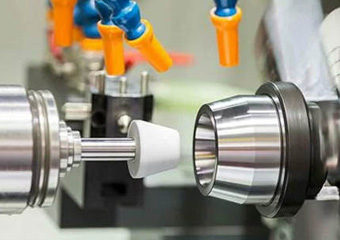
Grinding and honing finish piston bores, pins and plungers; controlled stock allowance improves roundness, straightness and roughness, while final inspection verifies sliding and sealing surfaces.
Discuss Precision Grinding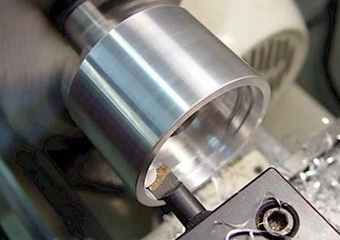
Boring and reaming finish pin, rod and guide bores; stable datums control diameter and position, while bore gauges or CMM checks confirm your specified fit.
Discuss Bore Finishing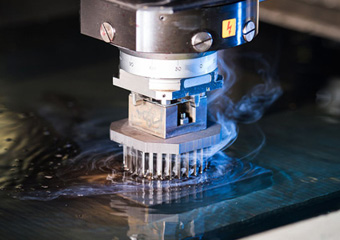
EDM produces narrow slots, small holes and hard-material features; non-contact machining protects difficult geometry, while dimensional inspection verifies inaccessible or wear-critical details.
Discuss Special Features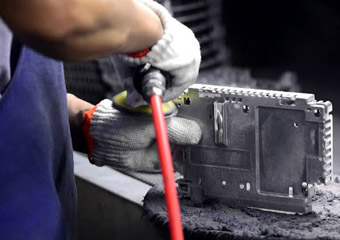
Controlled deburring removes edges from grooves, holes and passages; cleaning eliminates chips and residue, while visual inspection protects seals, flow paths and assembly surfaces.
Discuss Burr ControlBillet or bar-stock CNC machining provides flexible revisions without dedicated casting or forging tooling.
Preforms, optimized bar stock or customer-supplied blanks can reduce material removal while preserving CNC control.
Cast, forged or near-net blanks can be finish-machined after material, allowance and tooling economics are reviewed.
VMT plans inspection around the dimensions that control movement, sealing, alignment and post-finish assembly rather than listing measurement equipment without a functional purpose.
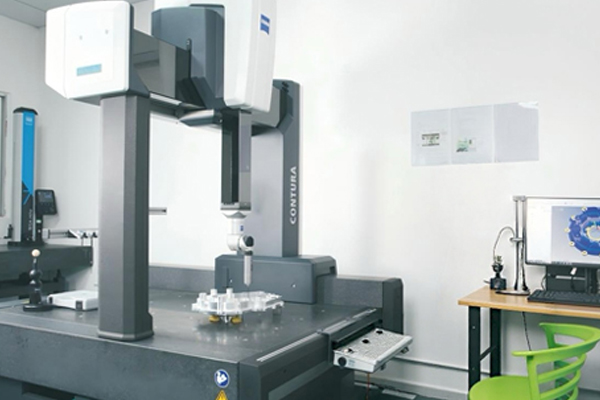
VMT coordinates machining allowance, masking, coating thickness and post-finish inspection, helping you use surface treatments to support wear, sealing, corrosion and friction requirements—not appearance alone.
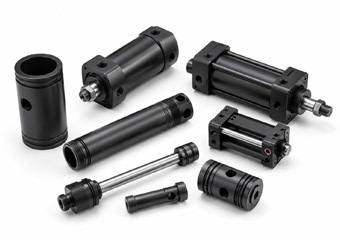
Aluminum hydraulic and pneumatic pistons gain harder wear-resistant surfaces through hard anodizing; controlled masking and allowance preserve seal grooves and critical assembly dimensions.
Discuss Hard Anodizing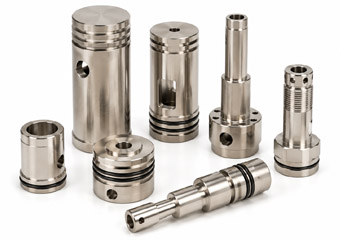
Steel or aluminum piston components gain uniform corrosion and wear protection through electroless nickel; coating allowance and final inspection preserve grooves, bores and mating dimensions.
Discuss Electroless Nickel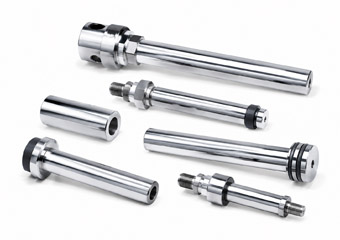
Steel piston rods and plungers gain hard low-friction wear surfaces through hard chrome; grinding and post-plating measurement support straightness, sealing and corrosion resistance.
Discuss Hard Chrome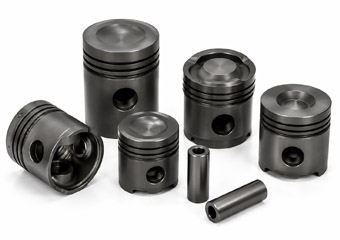
Aluminum engine pistons use phosphate coating on ring grooves and pin areas; the dry-lubricant layer reduces galling and micro-welding during initial operation.
Discuss Phosphate Coating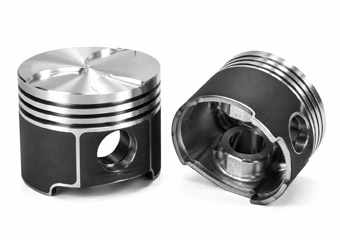
Engine piston skirts use graphite or specified anti-friction coatings; controlled coating thickness reduces drag, scuffing and bore wear while preserving the approved running clearance.
Discuss Skirt Coatings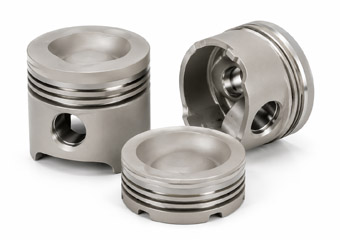
Engine piston crowns use specified ceramic thermal barriers to reduce heat transfer; controlled masking and surface preparation protect ring lands, bores and machined interfaces.
Discuss Thermal Coatings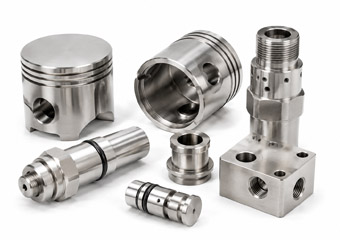
Stainless pistons and fluid-control components use passivation to remove free iron; clean surfaces improve corrosion resistance while maintaining machined sealing and assembly dimensions.
Discuss Passivation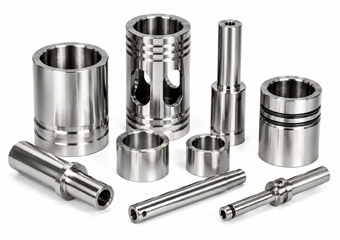
Piston pins, bores and plungers use grinding, polishing or lapping to refine roundness and roughness, helping you reduce friction, seal wear and leakage risk.
Discuss Precision FinishingVMT supports projects from one engineering prototype to repeat production, carrying approved drawings, fixtures, inspection plans and quality records forward so you do not restart supplier qualification after each design stage.
Validate piston structure, material, assembly relationships and basic function with flexible CNC machining and feature-level inspection.
Adjust grooves, clearances, hole positions, weight features or surface treatment based on fit and test feedback.
Verify fixtures, machining cycle, inspection frequency, coating control and repeatability across multiple parts.
Use approved processes, inspection standards, traceability and protective packaging for consistent repeat deliveries.
VMT connects drawing review, datum planning, seal-groove machining, hard-anodizing allowance and final inspection to reduce assembly and dimensional risk in a custom hydraulic piston project.
Project requirement: Produce a lightweight 6061-T6 piston with a concentric rod connection, controlled seal grooves, wear-ring seats and hard-anodized functional surfaces.
Manufacturing challenge: Thin-wall deformation, groove burrs, coating build-up and bore-to-outer-diameter misalignment could affect seal installation, cylinder movement and final assembly.
VMT manufacturing solution:
Project value: The combined DFM, machining and post-finish inspection plan gives your team a clearer route to assembly validation, pilot production and repeat-batch control.
VMT brings engineering review, multi-process machining, finishing coordination and quality control under one manufacturing workflow, helping you shorten communication chains and maintain consistent project requirements.
Custom CNC manufacturing experience supporting prototypes, revisions and repeat-production projects.
CNC turning, milling, mill-turn, Swiss, multi-axis machining and grinding support.
Fast quotation target for complete and reviewable RFQ packages.
Engineering feedback target after reviewing drawings, materials and project requirements.
Available for suitable projects after material, geometry and inspection review.
Manufacturing support from engineering samples to repeat and high-volume programs.
Incoming material, IPQC, final inspection, outgoing inspection and traceable quality records.
Centralized material, machining, surface-treatment and inspection coordination for your project.
Customers value responsive engineering communication, assembly-ready dimensions, controlled sealing features and stable repeat production when VMT supports their custom piston projects.
VMT’s engineers identified a datum conflict before machining and proposed a practical revision. The piston samples assembled correctly, and communication remained clear throughout the project.
The seal grooves, outer diameters and mating bores remained consistent after hard anodizing. The finished pistons fitted our cylinder assembly without repeated adjustment.
After the first batch was approved, the repeat order arrived with stable critical dimensions and surface quality. The inspection reports were clear, and delivery remained reliable.
Send the information below so VMT can review geometry, materials, manufacturing risk, inspection requirements and the correct prototype-to-production route.
Engine, hydraulic, pneumatic, compressor, pump and miniature pistons face different combinations of temperature, pressure, friction, wear and chemical exposure. Explain where the piston operates and which features affect sealing, movement or assembly.
Identify the diameters, grooves, bores, profiles, surfaces and mating relationships that can stop assembly or cause leakage. This helps VMT focus precision and inspection where it produces real value.
Billet machining offers flexibility for prototypes, while cast or forged blanks may reduce material removal for repeat production. The right route depends on geometry, material, quantity and tooling economics.
Hard anodizing, plating, coating, grinding and polishing can change final dimensions. Define masking, allowance and post-finish acceptance before machining so grooves, bores and sliding surfaces remain functional.
A prototype should confirm fixture stability, burr control, coating impact, inspection repeatability and mating-part fit—not only the overall shape.
Send your 2D drawing, 3D model or approved sample information. Before quotation, VMT engineers will review geometry, material, tolerance, machining route, surface treatment and inspection requirements.

 2024-08-02
The manufacturer is strongly recommended. In the past few years of cooperation we have ordered several machined products from aluminum and stainless steel. These products are manufactured in compliance with tolerance requirements and require product finish. Now I have ordered another one. The service is excellent and any questions can be answered and resolved in time.
 2021-05-13
The dimensions are all customized according to my drawings no tolerance issues and the parts are delivered on time. I am very satisfied with it.
 2021-04-06
I pay much attention to the surface treatment aspect of this product. I was a little worried about the cooperation at the beginning. I am very satisfied with the product now and hope to cooperate for a long time.
 2022-09-22
AN8 Straight PTFE Hose End Fitting for PTFE Fuel Line Fitting Adapter Black Blue Red


 +86 15099911516