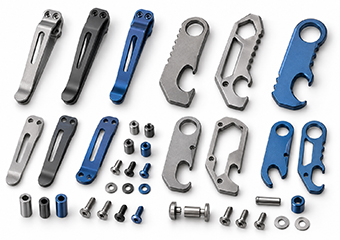
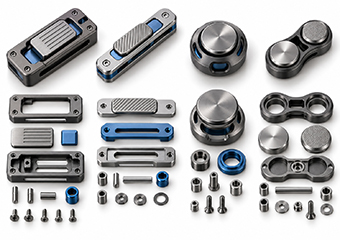
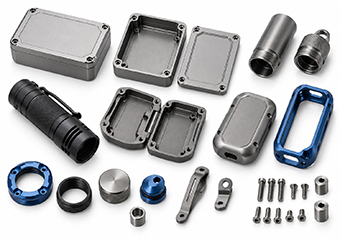
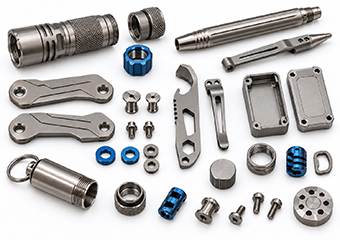
2. What Design Features Should Be Reviewed Before Machining?
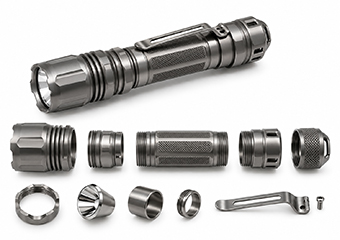
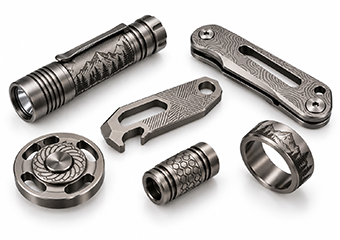
Deep cavities, thin walls, internal corners, small threads, narrow slots and cosmetic faces can all affect machinability. Before sampling, tool access, internal radii, wall thickness, datum structure, thread geometry, burr-sensitive areas and inspection access should be checked together. Small DFM changes at this stage can reduce machining risk without changing how the customer uses the product.
3. How Should Fit and Movement Be Defined Across an Assembly?
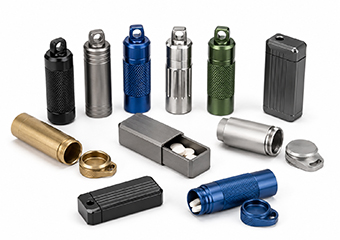
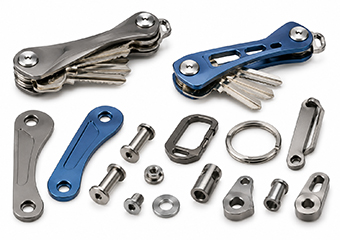
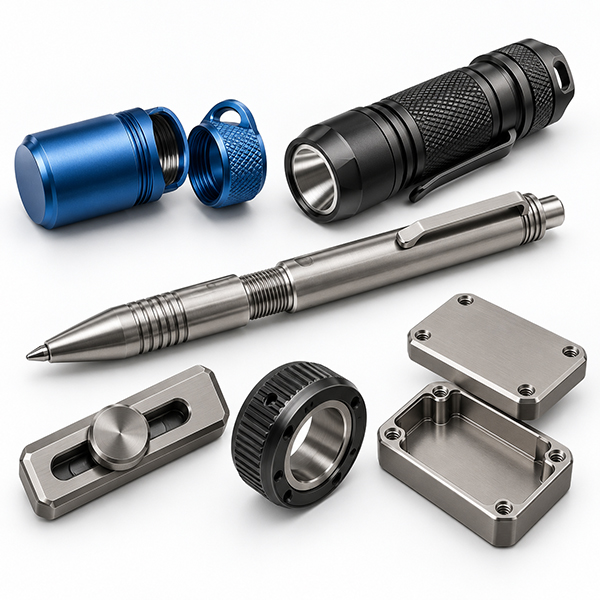
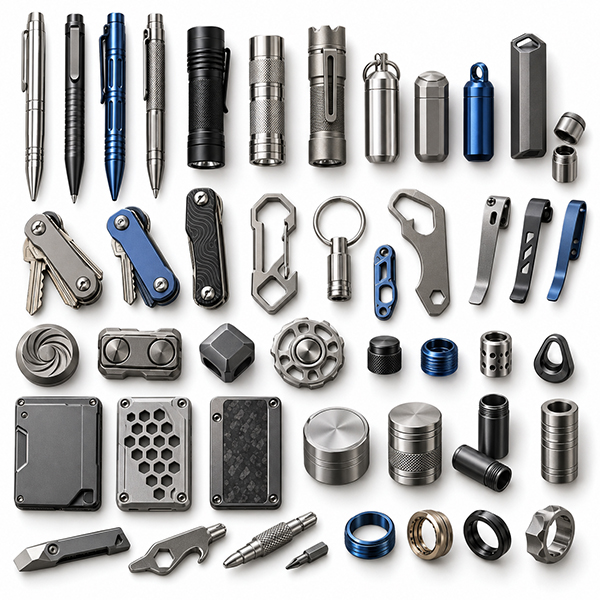
For sliders, pivots, threaded containers and multi-piece housings, one correct dimension does not guarantee a correct assembly. Functional clearances, datum relationships and post-finish conditions should be evaluated across the complete assembly because connected parts determine whether the final product feels tight, loose, smooth or inconsistent.
4. Why Must Surface Finishing Be Planned Before Production?
Anodizing, hard anodizing, bead blasting, polishing, brushing, passivation and suitable coatings change not only the look of the part, but sometimes the condition of critical surfaces. A finish should therefore be selected together with part geometry, mating features and movement requirements so post-finish fit can be verified where needed.
5. What Should an EDC Prototype Actually Validate?
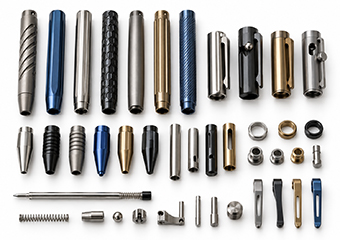
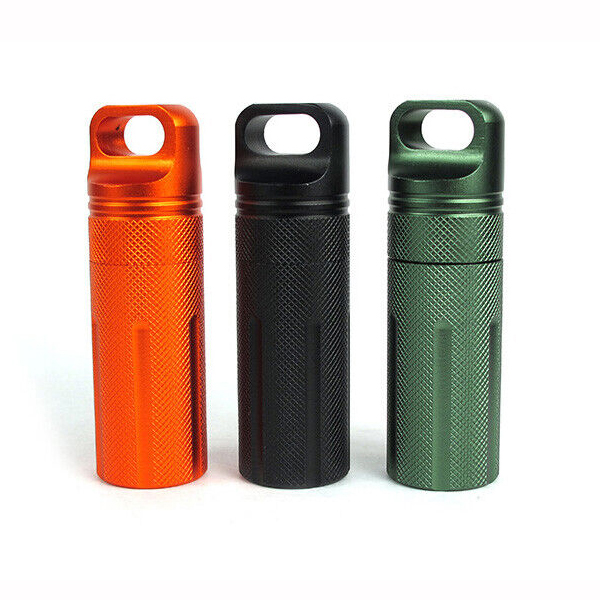
A prototype should validate more than basic dimensions. It should answer whether the lid fits correctly, threads feel smooth, sliders move properly, edge feel matches the product expectation, the finish direction looks right and the entire assembly works without rework. Prototype approval can also define the cosmetic reference for later production.
6. How Do You Prepare for Repeat Production?
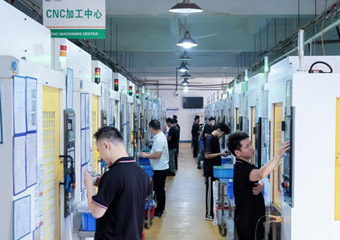
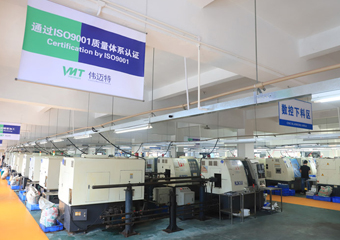
Moving from one successful sample to repeat production requires stable fixtures, machining sequences, finishing standards and inspection priorities. For EDC products, repeatability should preserve fit, movement and cosmetic appearance as well as drawing-defined dimensions.
7. How Can Buyers Improve DFM Communication Early?
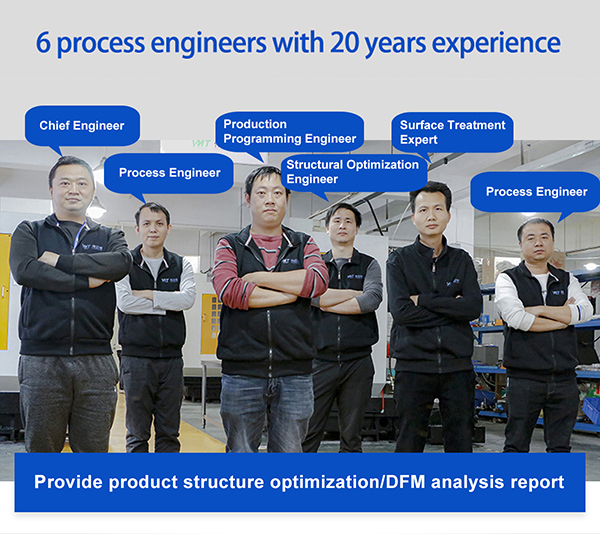
Buyers can speed up engineering review by identifying which features are function-critical, which surfaces are cosmetic, what finish is required and where movement, thread fit or assembly feel matters most. A useful DFM review focuses on these manufacturing priorities rather than treating every dimension as equally critical.
 +86 15099911516
  inquiry@vimetal.com.cn


 EDC Fit & Function DFM Review in 4 Hours