Free cookie consent management tool by TermsFeed Cookies

Home / Product / Electronic Industry /

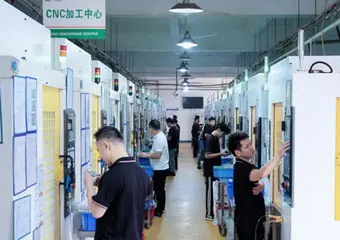
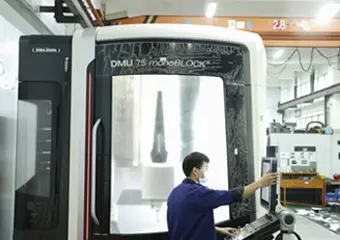
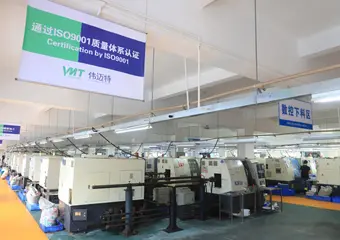
VMT is a CNC machining and manufacturing factory for various electronic equipment casings. With 16 years of experience in CNC machining electronic housings and various types of CNC electronic housing samples, you can send pictures to view and view the factory online, contact us immediately to obtain samples. We can provide you with various types of electronic product casing machining services to meet your customized CNC machining needs.


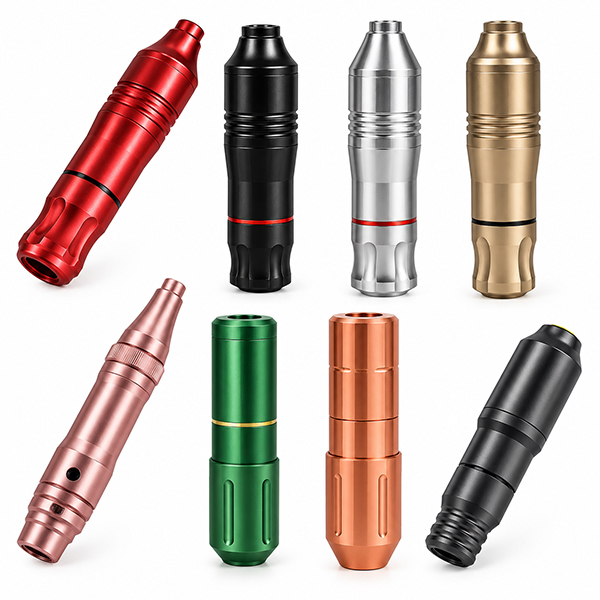
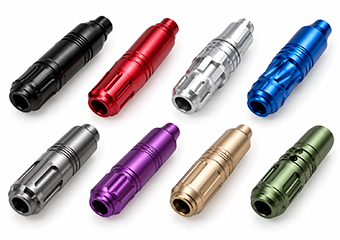
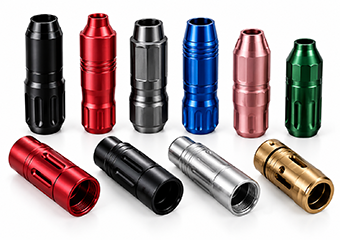
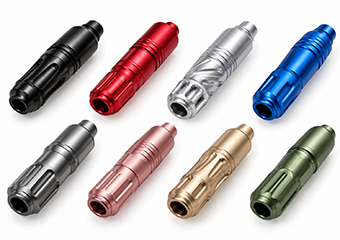
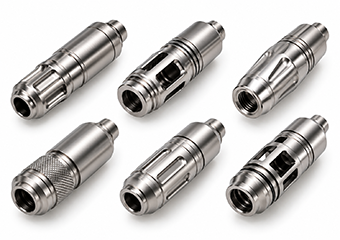
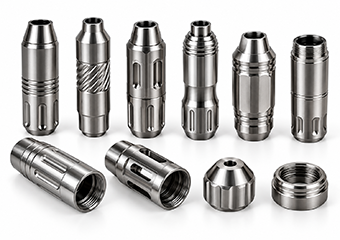
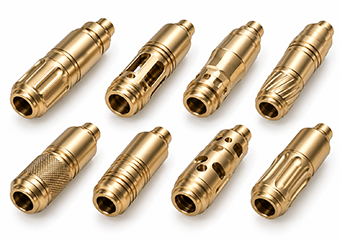
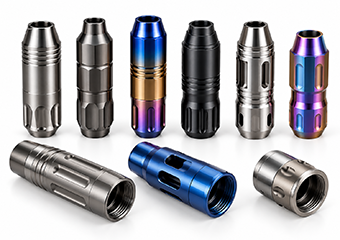
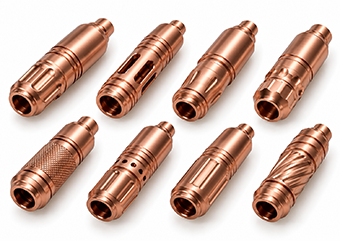
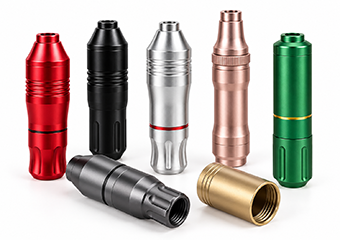
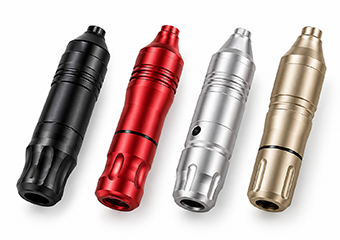
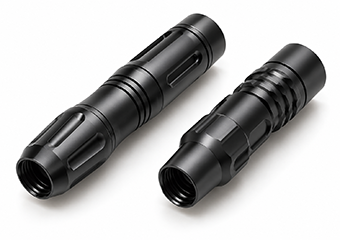
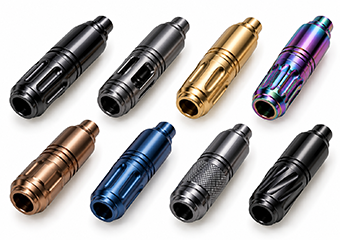
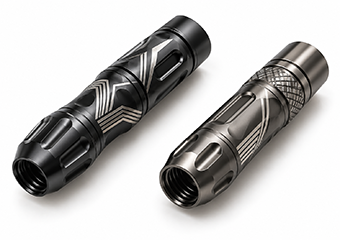
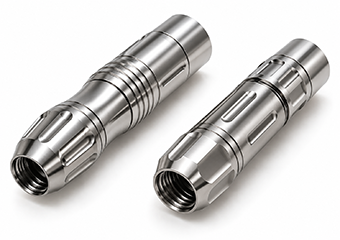
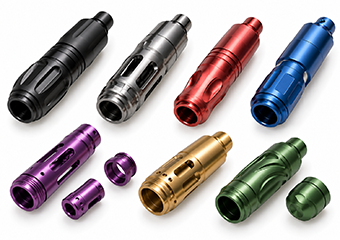
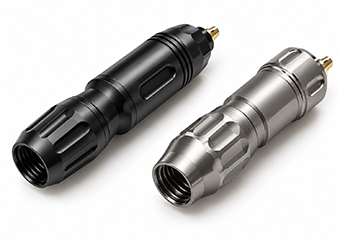
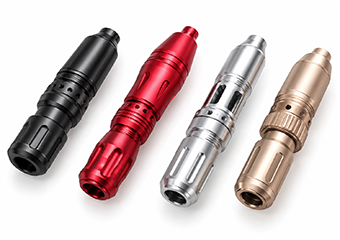
Custom CNC Machined Tattoo Pen Housings

Custom CNC Machined Tattoo Pen Housings

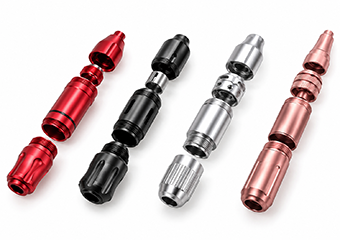
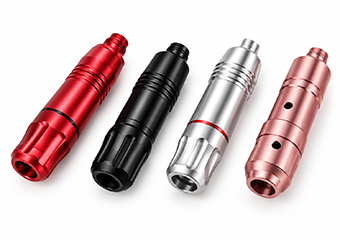
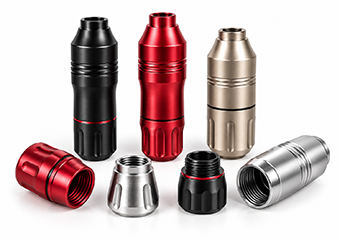
VMT custom machines tattoo pen housings, bodies and motor housings from your drawings, with DFM, CNC turning, milling, anodizing and CMM inspection. Critical dimensions can reach ±0.005 mm for suitable features, supporting prototypes through repeat production.

Product Specification:

  • Services : Custom CNC Machined Tattoo Pen Housings
  • Supply Ability : 100000 Pieces per Month
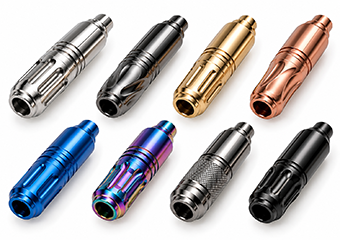
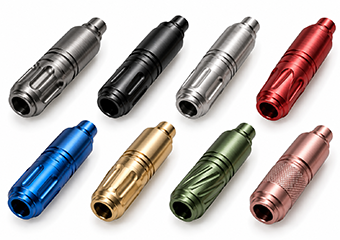
  • Material : Customer's Demand, Aluminum (AL 6061-T6, 6063, 7075-T 2014 2017 2011 etc), Stainless Steel (303,304,316L, 17-4(SUS630) etc ), Copper (C36000 (HPb62), C37700 (HPb59), C26800 (H68), C22000(H90) etc), Titanium (TA1,TA2/GR2, TA4/GR5, TC4, TC18 etc ), Other Materials.
  • Surface Roughness : Ra 0.1~3.2
  • Surface treatment : Customer's Demand、Anodized 、Plating、PVD 、Nickel Plating、Sandblasting、Powder Cating、Polishing、Multi-color anodized、Painting etc.
  • Tolerance : ±0.005 mm.(Custom Available)
  • Drawing format : CAD file (dwg, dxf, pdf, etc.), 3D File (step, stp, etc), drawing design.
  • Standard or not : Non standard,customized as drawing or sample
Inquiry Now
Product description
Custom CNC Machining Solutions

Custom CNC Machining Tattoo Pen Housings Factory

VMT provides custom CNC machining for metal tattoo pen housings, bodies and motor housings based on your drawings, assembly interfaces and cosmetic requirements. From motor bores and thin walls to threads, mating features and anodized surfaces, we coordinate DFM review, CNC turning, milling, finishing and inspection from prototype validation through repeat production.

DFM Review CNC Turning + Milling IPQC & CMM Inspection Prototype to Production
Housing Configurations

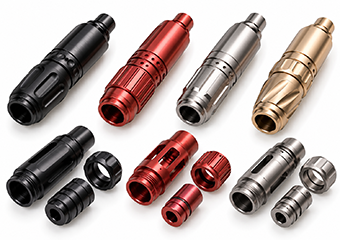
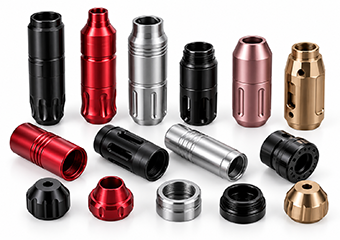
Custom Tattoo Pen Housing & Motor Housing Configurations We CNC Machine

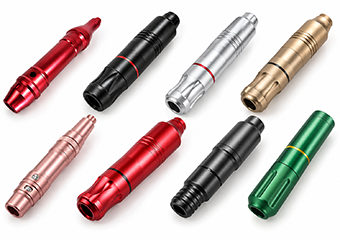
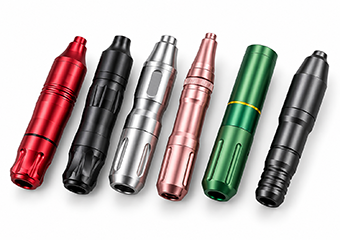
Tattoo pen designs vary in motor layout, drive structure, wall thickness, adjustment mechanism and external appearance. VMT machines custom metal housing components from customer drawings rather than supplying standard tattoo pen parts.

Custom CNC Machining Tattoo Pen Main Body Housings

Tattoo Pen Main Body Housings

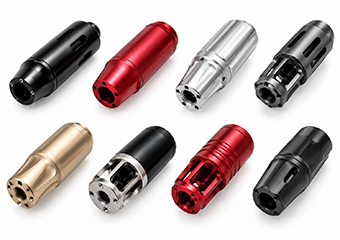
Main body housings form the primary metal structure around the motor and drive system. CNC turning controls the main ID, OD and shoulders, while secondary milling creates customer-specific openings and external features.

Request a Quote
Custom CNC Machining Tattoo Pen Motor Housings

Tattoo Pen Motor Housings

Motor housings locate and support the motor within the assembly. Machining focuses on motor bores, locating shoulders, shaft clearance and the dimensional relationships required for predictable installation.

Request a Quote
Custom CNC Machining Tattoo Pen Integrated One-Piece Pen Bodies

Integrated One-Piece Pen Bodies

Integrated bodies combine multiple structural and locating features into one component. DFM focuses on deep bores, thin walls, internal access and the machining sequence needed to control critical relationships.

Request a Quote
Custom CNC Machining Multi-Piece Tattoo Pen Housings

Multi-Piece Tattoo Pen Housings

Segmented housings may use threaded, stepped or locating interfaces between body sections. Thread fit, axial position and cosmetic alignment are reviewed together with the planned surface finish.

Request a Quote
Custom CNC Machining Tattoo Pen Drive Section Housings

Tattoo Pen Drive Section Housings

Drive section housings can contain bearing seats, guide bores, internal shoulders or side openings. Turning and milling are coordinated around the functional interfaces defined in the customer drawing.

Request a Quote
Custom CNC Machining Tattoo Pen Rear Housings & Metal End Caps

Rear Housings & Metal End Caps

Rear housings and end caps may combine concentric profiles, internal threads and connector-side features. Machining is planned around mating geometry, orientation and the final cosmetic requirement.

Request a Quote
Custom CNC Machining Tattoo Pen Adjustable-Stroke Housing Bodies

Adjustable-Stroke Housing Bodies

Housing designs around an adjustable-stroke mechanism may require controlled rotating relationships, internal clearance and stable mating geometry while maintaining a consistent external appearance.

Request a Quote
Custom CNC Machining Tattoo Pen Housing & Motor Housing Structures From Your Drawing

Custom Housing Structures From Your Drawing

For customer-specific cylindrical, stepped, lightweight or multi-feature housings, machining methods are selected after reviewing geometry, material, tolerances, surface finish and production volume.

Request a Quote
Engineering Problems We Solve

CNC Machining Challenges That Affect Tattoo Pen Housing Assembly

We build the machining route around the features that control final assembly: the motor bore, main housing axis, internal shoulders, threads, secondary openings and cosmetic surfaces. Our precision CNC machining capability can reach ±0.005 mm for suitable critical dimensions, machined surface roughness can reach Ra 0.2 μm where required, and critical features are checked through the machining and finishing sequence rather than only at final inspection.

Motor Bore & Housing Concentricity

Motor and drive misalignment often starts when turning and milling use unrelated references, so we establish the main axis first, carry that datum into later operations and verify bore/runout relationships where required; suitable critical dimensions can be controlled to ±0.005 mm after engineering review.

Thin-Wall Housing Distortion

Deep internal material removal can make a lightweight cylindrical body move under clamping or residual stress, so we separate roughing and finishing, control clamping force and check critical diameters during IPQC before the housing reaches surface finishing.

Deep Internal Bores & Shoulders

Long tool reach can create chatter, poor shoulder definition or hidden depth errors, so we review boring access, select turning or mill-turn tooling around the internal geometry and measure critical bore and shoulder depths before later operations add cost.

Threads & Mating Interfaces

Housing sections that assemble correctly before anodizing can bind after finishing, so thread starts, reliefs, mating diameters and coating allowance are reviewed together, with masking or post-finish gauge checks used where the drawing requires stable repeat assembly.

Secondary Milled Features

Button openings, connector ports, flats and slots must remain correctly positioned around the turned body, so indexed 3/4-axis, mill-turn or 5-axis machining is selected to reduce unnecessary datum transfers and preserve feature-to-axis relationships.

Cosmetic Surface Consistency

Visible housings can fail visually even when dimensions pass, so cosmetic A-surfaces are defined before fixturing, machining can reach Ra 0.2 μm where applicable, anodized color can be controlled to ΔE≤1.2 when specified, and finished parts are protected through inspection and packaging.

Design for Manufacturability

DFM Review Before CNC Machining Your Tattoo Pen Housing

Before machining starts, we review which features control assembly, where thin-wall or deep-bore risk exists, how turning and secondary milling should share datums, and which dimensions may change after anodizing or coating. The goal is to find problems while they can still be solved in the drawing and process plan—not after parts have already been machined and finished.

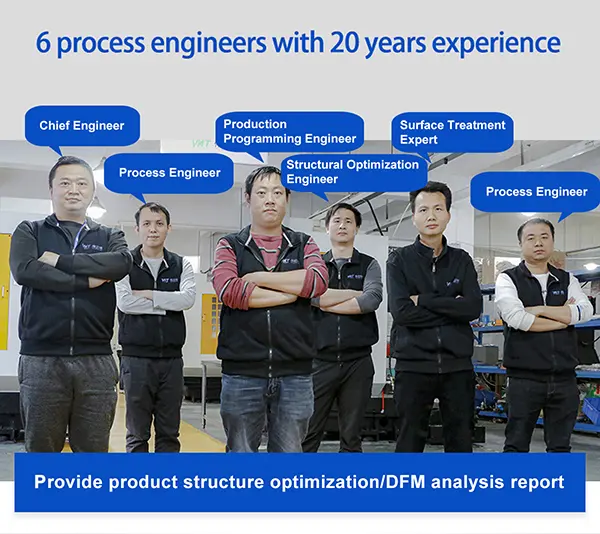
6 People with 20 Years of Experience in DFM Analysis Engineering Support
Wall Thickness & Distortion Risk

We map thin-wall zones, fixture contact and material-removal sequence before programming, then separate roughing and finishing where needed so lightweight housings are less likely to move after deep internal machining.

Motor Bore & Functional Fit

Motor bore size, axis and shoulder relationship are identified as functional characteristics before machining; suitable critical dimensions can be controlled to ±0.005 mm after engineering review so the process and inspection plan focus on repeatable motor seating.

Internal Shoulders & Axial Stack

Shoulder depths are reviewed against the complete internal stack because a correct bore diameter can still fail assembly if the axial seat is wrong; tool access and inspection points are therefore planned before release.

Housing Threads & Mating Interfaces

Thread start, relief, mating diameter and finishing buildup are checked together so threaded housing sections can still assemble after anodizing or coating, with masking, allowance and gauge verification defined where required.

Deep Bores & Tool Accessibility

Deep cavities are reviewed for tool reach, chip evacuation and measurement access, then turning, boring, mill-turn or multi-axis machining is selected according to the actual geometry rather than forcing every feature into one operation.

Secondary Openings & Datum Transfer

Button openings, connector ports, flats and slots are related back to the main turned datum, and 3/4-axis or 5-axis machining is selected where reducing re-clamping helps protect their position around the cylindrical body.

Cosmetic A-Surfaces

Visible surfaces are defined before fixture planning so clamp contact, deburring and handling stay away from critical appearance areas; machined surfaces can reach Ra 0.2 μm where the geometry and specification require it.

Anodizing / Coating Allowance

Critical bores, threads and mating diameters are identified before finishing so masking or dimensional allowance can be built into the machining plan, reducing the risk of a part passing before coating but failing afterward.

Logo, Marking & Process Sequence

Logo position, laser marking and engraving are reviewed together with clamping and finishing so branding remains aligned, avoids functional interfaces and is completed at the correct point in the manufacturing sequence.

Process Planning

CNC Machining Strategy for Tattoo Pen Housings

Tattoo pen housings usually combine a cylindrical ID/OD system with threads, internal shoulders, side openings, slots and cosmetic surfaces, so VMT matches turning, mill-turn, indexed milling, 5-axis machining or Swiss machining to the actual feature access and datum relationship instead of sending every housing through the same machine route.

CNC Milling Services

3/4-Axis CNC Milling

Best for side ports, button openings, flats, slots, logo pockets and accessible multi-face features after the main housing axis has been established by turning, keeping secondary machining economical without unnecessary 5-axis cost.

Best for: side openings, flats, slots, end caps, accessible secondary features

5 Axis CNC Machining Parts Services

5-Axis CNC Machining

Used for contoured pen bodies, angled connector features and complex multi-face housings where reducing setup transfers helps protect the relationship between the motor axis, external geometry and secondary openings.

Best for: contoured bodies, angled ports, multi-face housings, complex end sections

Custom CNC Turning Manufacturing Services

CNC Turning / Mill-Turn

Primary for cylindrical tattoo pen housings because ID, OD, shoulders, grooves and threads can be built around one rotational axis, while mill-turn adds ports, flats or slots with fewer datum transfers on suitable geometry.

Best for: main bodies, motor housings, threaded sections, concentric ID/OD features

Swiss CNC Machining Services

Swiss CNC Machining

Suited to smaller-diameter sleeves, rear caps, compact motor sleeves and slender concentric housing components where stable bar-fed turning supports repeatable threads and cylindrical features; VMT's published Swiss tolerance capability reaches ±0.01 mm for suitable geometry.

Best for: small sleeves, rear caps, motor sleeves, compact threaded cylindrical parts

Typical Process Route for a Custom Tattoo Pen Housing

Expand each step to see how the machining route protects axis relationships, thin walls, finish-sensitive fits and cosmetic surfaces.

01Establish the Main Housing Axis
CNC turning establishes the main OD, ID, shoulders, grooves and threads around one controlled axis so later motor-bore and mating features start from a stable rotational datum.
02Machine Secondary External Features
Indexed milling, 5-axis machining or mill-turn adds button openings, connector ports, flats and slots while referencing the established body datum to reduce positional drift.
03Finish Critical Bores & Fits
Motor seats, bearing interfaces and mating diameters are finished at the stage that best protects their relationship to the housing axis, with critical dimensions inspected before later operations add cost.
04Deburr Without Damaging Edges
Burrs are removed without rounding locating shoulders, changing thread starts or scratching cosmetic A-surfaces, keeping both assembly function and visible edges under control.
05Coordinate Surface Finishing
Bead blasting, anodizing, polishing, brushing, PVD or passivation are reviewed against fit-sensitive bores, threads and mating areas so masking or allowance is defined before finishing.
06Final Dimensional & Appearance Inspection
Drawing-defined dimensions, critical relationships and appearance requirements are checked through VMT's 12-step quality-control flow before protective packaging and shipment.
Material Selection

Materials for Custom CNC Tattoo Pen Housings

Material choice changes housing weight, wall rigidity, machining cost, corrosion behavior and finishing options, so VMT matches the alloy to the actual housing structure, appearance target and production requirement rather than using one default material for every design.

Custom CNC Machining 6061-T6 Aluminum Tattoo Pen Housings

6061-T6 Aluminum

Used for lightweight main and motor housings, 6061-T6 machines cleanly, anodizes consistently, and helps balance low mass, appearance, repeatable fit, and production cost.

Custom CNC Machining 7075-T6 Aluminum Tattoo Pen Housings

7075-T6 Aluminum

Used for thin-wall or higher-strength housings, 7075-T6 offers high strength-to-weight performance, supports anodizing, and helps retain rigidity while reducing unnecessary housing mass.

Custom CNC Machining 6063 Aluminum Tattoo Pen Housings

6063 Aluminum

Used for appearance-focused housings, 6063 machines well, develops attractive anodized surfaces, and helps brands achieve lightweight structures with clean, consistent cosmetic finishes.

Custom CNC Machining 303 Stainless Steel Tattoo Pen Housings Components

303 Stainless Steel

Used for compact motor sleeves or wear-prone housing features, 303 machines efficiently, accepts passivation, and provides durable threads, interfaces, and repeatable precision.

Custom CNC Machining 304 316 Stainless Steel Tattoo Pen Housings Components

304 / 316 Stainless Steel

Used where corrosion resistance and durable metal surfaces matter, 304/316 support passivation or electropolishing and provide robust housings for demanding cleaning environments.

Custom CNC Machining Brass Tattoo Pen Housings Components

Brass

Used for decorative bodies, counterweight sections, or precision inserts, brass machines smoothly, accepts polishing and plating, and adds premium appearance with controlled mass.

Custom CNC Machining Titanium Grade 5 Tattoo Pen Housings

Titanium Grade 5

Used for premium lightweight high-strength housings, Grade 5 titanium resists corrosion, accepts polishing or PVD, and delivers durability with reduced structural mass.

Custom CNC Machining Copper Tattoo Pen Housings Components

Copper

Used selectively for conductive, thermal, or decorative housing features, copper machines precisely, accepts polishing and plating, and adds heat-transfer or visual value.

Surface Finishing

Surface Finishes for Tattoo Pen Housings Without Losing Critical Fits

Tattoo pen housings are high-appearance components, but finishing must not compromise motor bores, housing threads, mating diameters or locating shoulders, so VMT reviews the finish together with machining allowance, masking and post-finish inspection.

Custom CNC Machining Type II Anodizing Tattoo Pen Housings

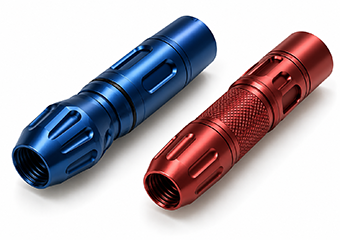
Type II Anodizing

Provides color, corrosion resistance and a durable cosmetic surface for aluminum housings, with critical threads and bores reviewed before finishing.

Custom CNC Machining Bead Blast and Anodizing Tattoo Pen Housings

Bead Blast + Anodizing

Creates a uniform matte appearance that reduces visible machining direction while supporting controlled anodized color on appearance-critical aluminum housings.

Custom CNC Machining Hard Anodizing Tattoo Pen Housings

Hard Anodizing

Adds wear resistance to suitable aluminum surfaces, with coating buildup reviewed against motor seats, threads and mating diameters before release.

Custom CNC Machining Polishing Tattoo Pen Housings

Polishing

Creates brighter or smoother visible surfaces while process control protects sharp transitions, engraved details and functional mating geometry.

Custom CNC Machining Brushing Tattoo Pen Housings

Brushing

Adds directional texture for premium cosmetic designs, with orientation controlled to keep production appearance consistent across visible housing surfaces.

Custom CNC Machining PVD DLC Coated Tattoo Pen Housings

PVD / DLC

Supports premium color or wear-focused surfaces on suitable designs, with coating thickness and fit-sensitive areas reviewed before processing.

Custom CNC Machining Laser Marking Engraving Tattoo Pen Housings

Laser Marking / Engraving

Adds logos, model information or serial marks after process planning so branding remains aligned and does not interfere with critical surfaces.

Custom CNC Machining Passivation Electropolishing Tattoo Pen Housings

Passivation / Electropolishing

Used mainly for stainless housing components to improve corrosion resistance or surface cleanliness while preserving drawing-defined functional geometry.

Critical-Fit Protection: Motor bores, threads, bearing seats and mating diameters are identified before finishing; depending on the finish and drawing, VMT can plan machining allowance, masking, controlled process sequence and post-finish dimensional verification so the finished housing does not lose the fit established during CNC machining.
Quality Control

Critical Dimensions We Inspect on CNC Tattoo Pen Housings

Inspection is built around the dimensions that decide whether the housing will assemble and look right: motor bore size and axis, internal shoulders, remaining wall thickness, threads, secondary openings and finished mating surfaces. Critical dimensions can reach ±0.005 mm after engineering review, machined surfaces can reach Ra 0.2 μm where required, and high-appearance anodized parts can be controlled to an approved color standard of ΔE≤1.2 when specified.

Checks are placed at the stage where they can prevent the next process from adding cost: IPQC verifies machining features before finishing, post-finish inspection confirms fit-sensitive areas after anodizing or coating, and final appearance inspection checks scratches, dents, color and handling condition before protective packaging.

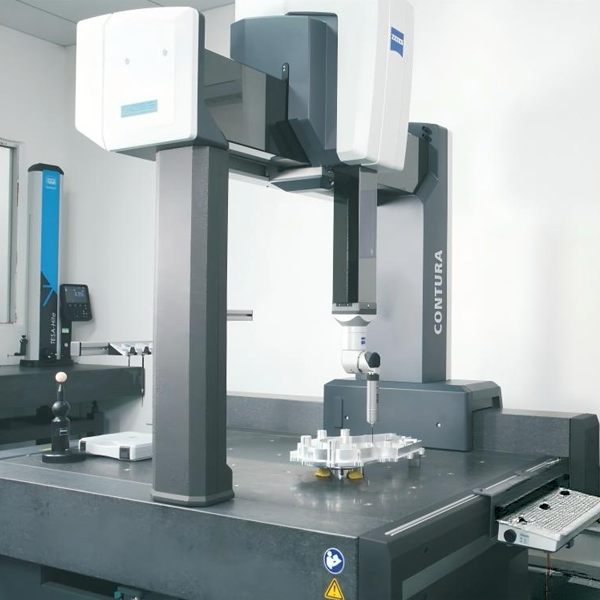
CMM Inspection for Custom Precision CNC Machined Parts
Inspection Focus Problem Prevented Typical Control Method Customer Result
Main Housing ID / OD Incorrect wall condition or mating diameter Bore / OD measurement against drawing; ±0.005 mm available for suitable critical dimensions after review Stable housing geometry and mating diameters
Motor Bore Loose, tight or off-position motor seating Bore gauge, CMM or dedicated measurement depending on tolerance and datum requirement More repeatable motor installation
Concentricity / Runout Motor and drive axis misalignment CMM or runout measurement where the drawing defines a functional axis relationship Better alignment through the assembled drive system
Internal Shoulder Depth Incorrect axial stack or component position Depth measurement, height gauge or CMM linked to the functional datum Controlled motor and drive seating depth
Wall Thickness Ovality, weak sections or distortion after material removal Section-specific IPQC checks before later machining and finishing More consistent lightweight housings
Threads & Mating Features Binding, looseness or failed assembly after finishing Thread gauges, mating checks and post-finish verification where coating buildup matters Smoother repeat assembly
Side Openings / Milled Features Misplaced buttons, connector ports, slots or flats Datum-based positional inspection or CMM from the same functional reference used in machining Correct relationship to the housing axis
Surface Roughness & Cosmetic A-Surfaces Visible tool marks, scratches or inconsistent pre-finish surfaces Roughness measurement where specified plus visual inspection; Ra 0.2 μm achievable where applicable Cleaner appearance before finishing
Finished Mating Areas & Color Fit or appearance changing after anodizing / coating Post-finish dimensional verification and approved color comparison; ΔE≤1.2 when specified Fit and appearance checked before shipment
Prototype to Production

From Tattoo Pen Housing Prototype to Repeat Production

A prototype confirms whether the design can be manufactured and assembled as intended. Production must confirm whether the same result can be repeated consistently across future batches.

1

Drawing & DFM

Review geometry, critical dimensions, material, finishing and quantity.

2

Prototype CNC

Validate motor installation, fit, clearance, wall condition and appearance.

3

Engineering Revision

Correct assembly or manufacturability issues before production release.

4

Process & Fixture

Define datums, fixtures, tooling, inspection points and finishing requirements.

5

Production & IPQC

Monitor critical features before the batch reaches later processes.

6

Finish & Final QC

Coordinate approved finishing and final dimensional/appearance inspection.

7

Repeat Orders

Maintain the approved manufacturing logic for future production batches.

Project Types

Tattoo Equipment Programs We Support

We machine the metal housing structures that define weight, assembly fit, external appearance and serviceability in tattoo pen programs. The machining plan is coordinated around your motor and drive interfaces, connector layout, adjustment mechanism, brand finish and production quantity so the housing is developed as part of the complete mechanical design rather than as an isolated cosmetic shell.

Custom CNC Machining Wireless Tattoo Pen Housings Development

Wireless Tattoo Pen Development

Main bodies and motor housings designed around compact internal packaging, low weight, connector access, critical motor alignment and high-appearance anodized surfaces.

Discuss Your Project
Custom CNC Machining Corded Tattoo Pen Housings

Corded Tattoo Pen Programs

Cylindrical metal bodies with RCA or other connector-side openings, controlled internal datums and customer-specific rear housing geometry for reliable assembly.

Discuss Your Project
Custom CNC Machining Adjustable-Stroke Tattoo Pen Housings

Adjustable-Stroke Projects

Housing sections built around rotating or adjustable mechanisms where internal clearance, thread fit, axial positioning and exterior alignment must remain coordinated.

Discuss Your Project
Custom CNC Machining OEM & Private-Label Tattoo Pen Housings

OEM & Private-Label Programs

Drawing-based housings with brand-specific geometry, anodized color, texture, laser marking and packaging requirements coordinated from prototype validation into repeat production.

Discuss Your Project
CNC Machining Wireless Microphone Body Shell Case Study
Cylindrical Aluminum Housing Case Study

Case Study: Reducing Machining Cost by 50% on a Cylindrical Aluminum Wireless Microphone Body Shell

The original production route used aluminum bar stock plus CNC machining, which required excessive material removal and long machining time for the deep internal cavity. For volume production, our engineers changed the route to a formed aluminum blank followed by CNC turning, live-tool machining and multi-axis CNC operations, reducing machining cost while keeping the required dimensional and appearance quality.

50%Machining cost reduction
200TStretching / forming equipment
5 StepsControlled manufacturing route
Turn + MillLive tooling & multi-axis machining
Project Requirement

Reduce material waste and machining time as the cylindrical aluminum housing moved from development into production, while maintaining stable inner/outer geometry, threaded features, button-hole position and final surface quality.

Manufacturing Challenge

Machining the full internal cavity from bar stock consumed too much material and cycle time. The part also required multiple machining stages, so a stable benchmark had to be maintained between turning and later operations. Button holes required consistent dimensional control and sharp-edge management before finishing.

VMT Manufacturing Solution

We used a 200T stretching process to create the near-net-shape blank, established the turning benchmark, machined the inner and outer surfaces by lathe, completed mouth threads and button-hole features with CNC / live tooling, and used additional multi-axis machining for the remaining geometry.

Inspection & Result

Button-hole tolerances were controlled with easy-to-check gauges, sharp corners were managed before painting and surface treatment, and the optimized process reduced machining cost by 50% while meeting the required quality level for production.

Customer Feedback

What Customers Say After Their CNC Parts Are Delivered

Samples are only useful when they lead to a stable production decision. We focus on delivering parts that pass customer testing, arrive in good condition and give purchasing and engineering teams confidence to move into the next order.

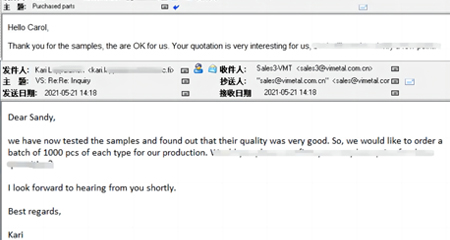
customer review sample 1000pcs

“We have now tested the samples and found out that their quality was very good. So, we would like to order a batch of 1000 pcs of each type for our production.”

Sample approval → 1,000 pcs production order

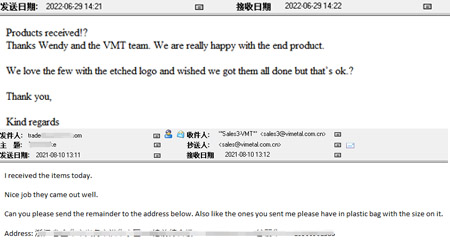
Customer Reviews - Finished product delivery

“Products received! Thanks Wendy and the VMT team. We are really happy with the end product.”

Finished-part quality recognized after delivery

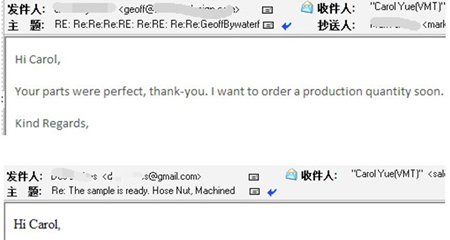
customer review parts perfect

“Your parts were perfect, thank-you. I want to order a production quantity soon.”

Approved parts → production intent

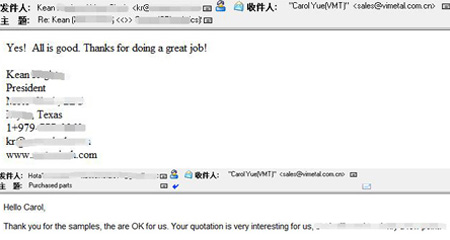
Customer Reviews - Drawing Compliance & Sample Approval

“Yes! All is good. Thanks for doing a great job!”

Quality and project execution confirmed
RFQ Preparation

What Should You Send Us for a Tattoo Pen Housing Quote?

Send the information you already have. We use it to review material, machining route, critical fits, surface finishing, inspection and production planning before quotation; missing manufacturing details can be clarified during DFM review.

STEP / STP / 3D CAD

Send the complete 3D geometry so we can review internal cavities, thin walls, tool access, turning features and secondary milled geometry.

2D Drawing

Mark critical tolerances, threads, GD&T, datum relationships and dimensions that directly control motor, drive or housing assembly.

Material

Tell us the alloy you want to machine. If it is not decided, share the part application plus weight, strength, corrosion, wear and appearance priorities and we can help compare suitable material options.

Prototype & Production Quantity

Tell us the first prototype quantity and expected production volume so we can decide whether the prototype process can scale directly or should be optimized before larger batches.

Critical Fits

Identify motor bores, internal shoulders, bearing/sleeve fits, threads and mating diameters that must assemble reliably so process and inspection controls focus on functional features.

Mating Parts / Interfaces

Provide mating-part drawings, samples or interface dimensions when available so the housing can be reviewed as part of the mechanical assembly rather than as an isolated shell.

Surface Finish & Color

Specify anodizing, bead blasting, polishing, PVD or other finishes together with target color, gloss or texture; approved samples are useful for appearance-critical projects.

Cosmetic A-Surfaces

Mark the visible areas that must remain free from clamp marks, scratches or color inconsistency so fixture contact, handling and packaging can be planned correctly.

Logo / Engraving

Provide logo artwork, location, orientation and marking method so engraving or laser marking is placed correctly in the machining and finishing sequence.

Packaging Requirement

Tell us if finished housings need individual protection, trays, labels or special handling so high-appearance surfaces remain protected after final inspection.

cnc machining parts Quote and DFM analysis
Related CNC Tattoo Components

Other Custom CNC Tattoo Machine Components

Need matching metal components for the same tattoo equipment program? We also machine separate grip systems and open-frame rotary structures from customer drawings, with process and inspection controls matched to each component's functional interfaces.

FAQ

Frequently Asked Questions About CNC Tattoo Pen Housings

Q: What material is commonly used for CNC tattoo pen housings?
A: 6061-T6 aluminum is a practical starting point for many housings because it balances low weight, machinability, anodizing and production cost. 7075-T6 can be considered when thin walls or higher structural strength justify it, while 6063 is useful for appearance-focused anodized parts. Stainless steel, titanium, brass or copper are selected only when the design needs their specific strength, wear, mass, corrosion or appearance characteristics.
Q: Is 6061-T6 or 7075-T6 aluminum better for a tattoo pen housing?
A: The better alloy depends on the housing rather than the material name. 6061-T6 is easier to machine and is well suited to most anodized bodies; 7075-T6 offers higher strength-to-weight performance but normally costs more and should be justified by wall thickness, loading or structural design. Send the drawing and expected finish and we can compare both options against machining risk and cost.
Q: How do you reduce thin-wall tattoo pen housing deformation during CNC machining?
A: We first identify where deep internal machining leaves weak wall sections, then plan roughing, remaining stock, clamping position and final finishing around those zones. Critical diameters can be checked during IPQC before later machining or anodizing. This is more reliable than applying a tight final tolerance after the housing has already moved.
Q: How do you control the motor bore relative to the housing body?
A: The main body axis is established first and the motor bore, shoulders and secondary features are related back to that functional datum wherever the drawing requires alignment. Suitable critical dimensions can reach ±0.005 mm after engineering review, with CMM, bore gauges or runout inspection selected according to the actual feature and tolerance.
Q: Will anodizing affect housing threads, motor bores or mating dimensions?
A: Yes, finishing can change effective fit on coated surfaces. We identify fit-sensitive bores, threads and mating diameters before machining, then decide whether the design needs allowance, masking or post-finish verification. This prevents a housing from passing before anodizing but binding during final assembly.
Q: Can turned and milled features be controlled on the same tattoo pen housing?
A: Yes. The cylindrical ID, OD, shoulders and threads are normally built around the turning datum, while button openings, connector ports, flats and slots are added by mill-turn, indexed milling or 5-axis machining. The process is selected to reduce unnecessary datum transfers so secondary features stay correctly positioned around the body axis.
Q: Is a STEP / STP file enough to quote a custom tattoo pen housing?
A: A STEP/STP file is enough to start geometry and manufacturability review, but a 2D drawing is strongly recommended for critical tolerances, GD&T, threads, cosmetic surfaces and inspection requirements. If those details are not finalized, send the 3D model first and identify how the housing assembles; we can point out what still needs to be defined before production.
Q: How should anodized color, texture and laser marking be specified?
A: Define the anodizing type, color target, matte or gloss expectation, bead-blast condition if used, and the A-surfaces that must remain consistent. For approved anodized color standards, ΔE≤1.2 can be controlled when specified. Logo artwork, position and orientation should also be provided before finishing so marking is placed correctly in the process sequence.
Q: Which dimensions should be marked as critical on the 2D drawing?
A: Mark the dimensions that decide assembly and function: motor bore size and axis, internal shoulder depth, bearing or sleeve fits, threads, housing-to-housing mating diameters, button/connector position and any datum relationship that keeps the drive system aligned. Avoid assigning ±0.005 mm everywhere; apply tighter control only where the function needs it so cost is not added to non-critical cosmetic geometry.
Q: How do you protect high-appearance tattoo pen housings from scratches after machining?
A: Cosmetic A-surfaces are identified before fixturing so clamp and handling contact can be kept away from visible areas. After finishing, appearance is inspected for scratches, dents, blasting or color inconsistency, and protective packaging is selected to reduce part-to-part contact. For high-appearance projects, packaging should be treated as part of the quality plan rather than an afterthought.
Engineering Guide

Engineering Guide to Custom CNC Tattoo Pen Housing Machining

A tattoo pen housing is easy to underestimate because much of the exterior is cylindrical. In practice, weight reduction, motor alignment, thin walls, threads, secondary openings and anodized appearance all interact, so the drawing should be prepared around the finished assembly—not only around what is easy to machine.

1. Start With the Motor and Functional Axis

The housing should be dimensioned around the features that control the internal mechanism. The motor bore, internal shoulders, drive-axis relationship and mating body sections matter more than an unrelated external cosmetic diameter. If those features are created from different datums without a clear functional reference, each individual dimension can pass inspection while the assembled mechanism still runs off-axis.

On the 2D drawing, define the datum structure around the motor and housing axis where alignment matters. Use GD&T only where it protects function, and identify the surfaces that locate the motor, drive mechanism, rear section or other mating components. Suitable critical dimensions can be controlled to ±0.005 mm after engineering review, but applying that tolerance to every diameter normally increases machining and inspection cost without improving the final product.

The practical result is a process plan built around the assembly relationship: turning establishes the rotational foundation, later milling references that foundation, and inspection checks the features that actually determine how the tattoo pen goes together.

2. Separate Functional Tolerances From Cosmetic Dimensions

Not every surface on a tattoo pen housing needs the same tolerance. Motor seats, bearing or sleeve fits, threaded interfaces and axial shoulders can directly affect assembly, while many external curves exist mainly for appearance and ergonomics. Using the same tight tolerance everywhere makes the program slower, increases tool changes and raises inspection cost.

Classify the drawing into functional features, mating features and cosmetic surfaces. Tighten only the relationships that affect alignment, fit or movement. For visible surfaces, define the cosmetic standard separately—surface roughness, acceptable tool marks, edge condition, blast texture or anodized color—so appearance is controlled without forcing unnecessary dimensional precision onto non-functional areas.

3. Reduce Weight Without Creating Unstable Thin Walls

Light weight is important for handheld tattoo equipment, but simply removing more internal material can create a housing that is difficult to manufacture consistently. Deep cavities leave less material to resist clamping force, and uneven wall thickness can allow the body to move as internal stress is released during machining.

Use gradual wall transitions where possible, avoid unnecessary deep pockets that add little functional value, and keep enough material around motor seats, threads and connector openings to support the final geometry. During DFM, the roughing and finishing sequence can then be arranged so the housing stabilizes before critical diameters are completed.

4. Plan Turning, Milling and Tool Access Together

Most tattoo pen housings are not pure turning parts. The main ID, OD, shoulders, grooves and threads are naturally created around a lathe axis, but side ports, button openings, flats, slots and logo pockets require live tooling, indexed milling or 5-axis access. The process should therefore be planned as one coordinated route instead of treating turning and milling as unrelated operations.

Where possible, establish the main rotational datum first and reuse it during secondary machining. Mill-turn can reduce re-clamping on suitable geometry; 3/4-axis milling is economical for accessible side features; 5-axis machining becomes useful when angled features or contoured bodies would otherwise require several setups.

5. Plan Anodizing Before Finalizing Critical Fits

Anodizing should be considered while the housing is still being dimensioned. Threads, motor bores, bearing seats and mating diameters may behave differently after a surface layer is added, while bead blasting before anodizing can also change the appearance and edge condition of cosmetic areas.

Identify which surfaces are allowed to receive the finish and which must preserve a functional fit. Depending on the drawing, the process may use machining allowance, masking or post-finish verification. For appearance-critical housings, define the finish sample, gloss/matte expectation and A-surfaces before production; approved anodized color standards can be controlled to ΔE≤1.2 when specified.

6. Design the Housing So Critical Features Can Be Inspected

A dimension is only useful in production if it can be measured reliably. Deep shoulders, narrow internal grooves and complex datum relationships can be difficult to verify after the complete housing is finished. If inspection access is ignored during design, the part may require expensive special gauges or leave critical features dependent on indirect measurement.

During drawing review, identify how each critical feature will be checked: bore gauge, thread gauge, depth measurement, CMM, runout inspection or mating-part verification. Place IPQC before the next expensive process when possible. A motor bore should be checked before anodizing; a finished thread may need another mating check afterward.

Discuss Your Tattoo Pen Housing Project

Turn Your Tattoo Pen Housing Drawing Into a Production-Ready CNC Process

Send your available STEP/STP file, 2D drawing, material, quantity, critical fits and surface-finish requirements. We can review manufacturability, machining risks, inspection priorities and finishing considerations before quotation.

Related suggestion

Write us

Give us a call or send an inquiry to our emailbox, we will answer your doubts according to your customers' requirements, and quote you immediately.

Upload 2D/3D drawings

Upload Your Files or Contact inquiry@vimetal.com.cn to Get Instant Quote (Please attach 2D CAD drawings and 3D CAD models in any format including STEP, IGES, DWG, PDF, STL, ZIP, etc.).
Upload files ( Max file size: 20MB )

Upload 2D/3D drawings

Upload Your Files or Contact inquiry@vimetal.com.cn to Get Instant Quote (Please attach 2D CAD drawings and 3D CAD models in any format including STEP, IGES, DWG, PDF, STL, ZIP, etc.).
Upload files ( Max file size: 20MB )
+86 15099911516
loading