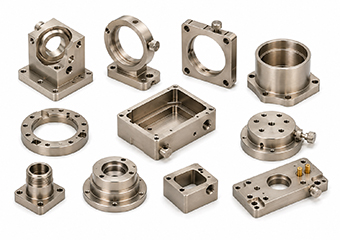
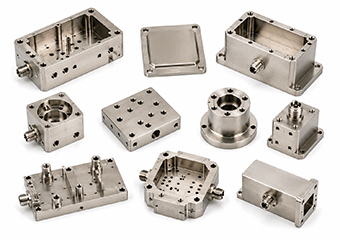
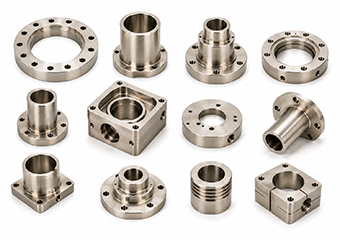
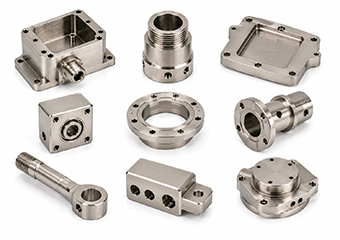
2. Why Does Kovar Require Careful CNC Machining?
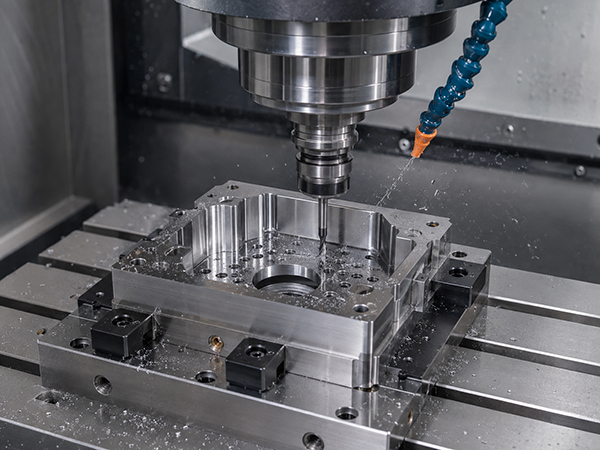
Kovar does not machine like aluminum or free-cutting steel. Work hardening, chip behavior, tool wear and burr formation mean the cutting edge must continue removing material instead of repeatedly rubbing a previously machined surface. Stable workholding, suitable cutting engagement and effective chip evacuation therefore become important to dimensional and surface consistency.
3. How Should Kovar Parts Be Designed for CNC Machining?
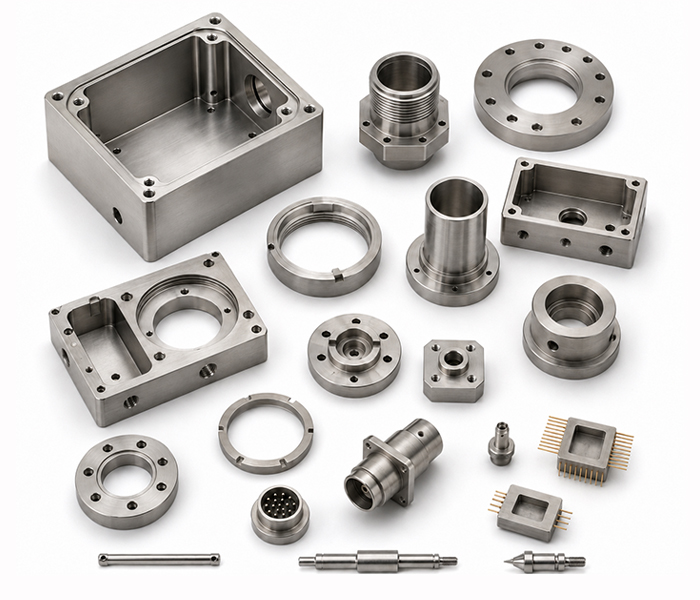
Designers should pay particular attention to thin unsupported walls, deep narrow cavities, extremely small internal radii, deep small-diameter holes, difficult tool access and unnecessarily tight tolerances. Early DFM can identify whether these features should be modified or require a more specialized machining route.
4. How Are Kovar Machining Tolerances Determined?
The correct tolerance depends on part size, wall thickness, datum structure, feature accessibility, material removal and inspection capability. Critical functional dimensions should be distinguished from non-critical dimensions so manufacturing effort is focused where it provides real assembly or sealing value.
5. How Can Distortion Be Reduced?
Distortion control may involve fixture support, balanced material removal, separating roughing and finishing operations, controlling clamping force and monitoring critical geometry after material has been removed. The exact strategy depends on the structure of the component rather than Kovar material alone.
6. What Should Be Considered Before Surface Finishing?
Nickel plating, nickel-gold systems, electroless nickel, polishing and other downstream processes can affect final dimensions and surface conditions. Coating thickness, masking areas and sealing surfaces should therefore be reviewed before machining allowances are finalized.
7. What Affects Kovar CNC Machining Cost?
Cost is influenced by raw material usage, machining time, geometry complexity, tooling, tolerance requirements, inspection, surface treatment and production quantity. Thin walls, deep pockets, small precision holes and excessive tight tolerances can significantly increase machining risk and cycle time.
8. How Should You Prepare a Kovar Machining RFQ?
Provide complete 2D and 3D drawings, exact material specification, quantity, critical tolerances, finishing requirements, inspection expectations and relevant mating information. Clear RFQ data helps establish a more practical and repeatable manufacturing route.
 +86 15099911516
  inquiry@vimetal.com.cn


 ASTM F15 / UNS K94610 Material Review Before Machining