3. Which Plastics Are Best for CNC Machining?
The choice depends on application rather than machinability alone.
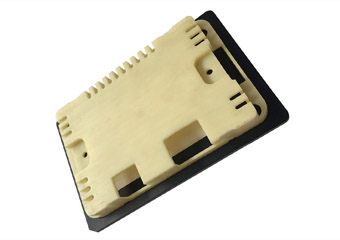
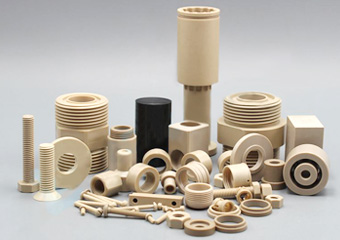
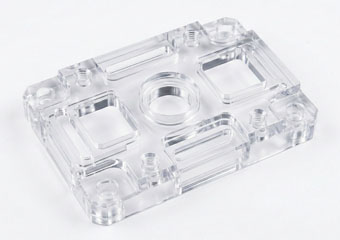
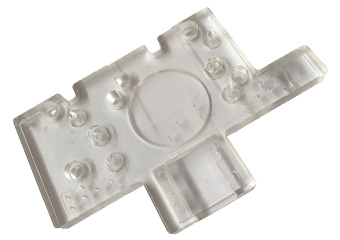
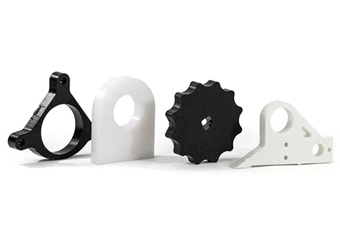
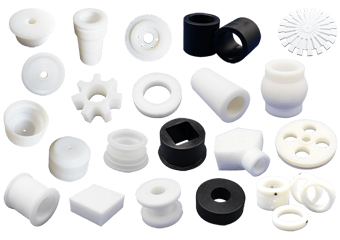
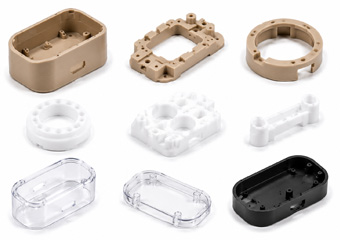
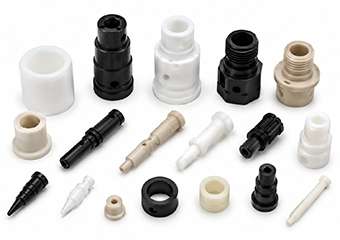
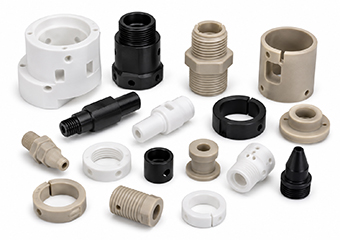
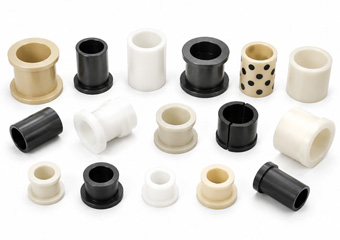
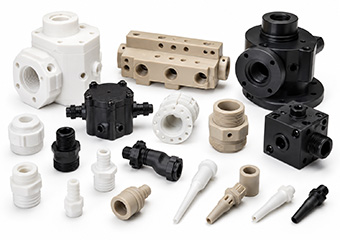
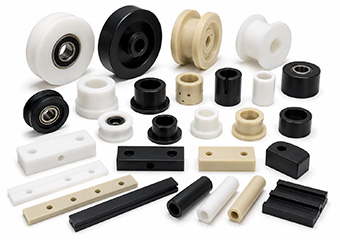
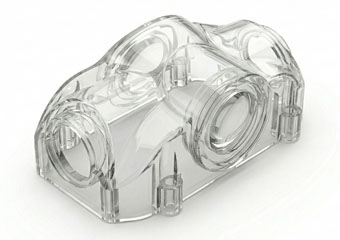
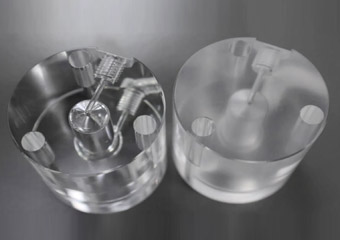
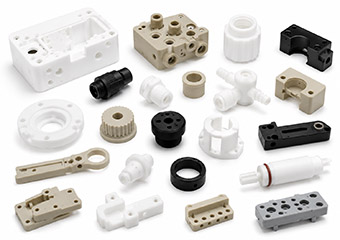
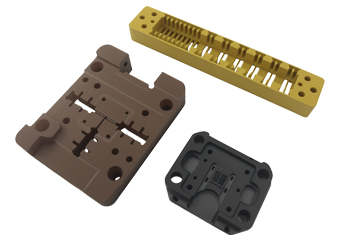
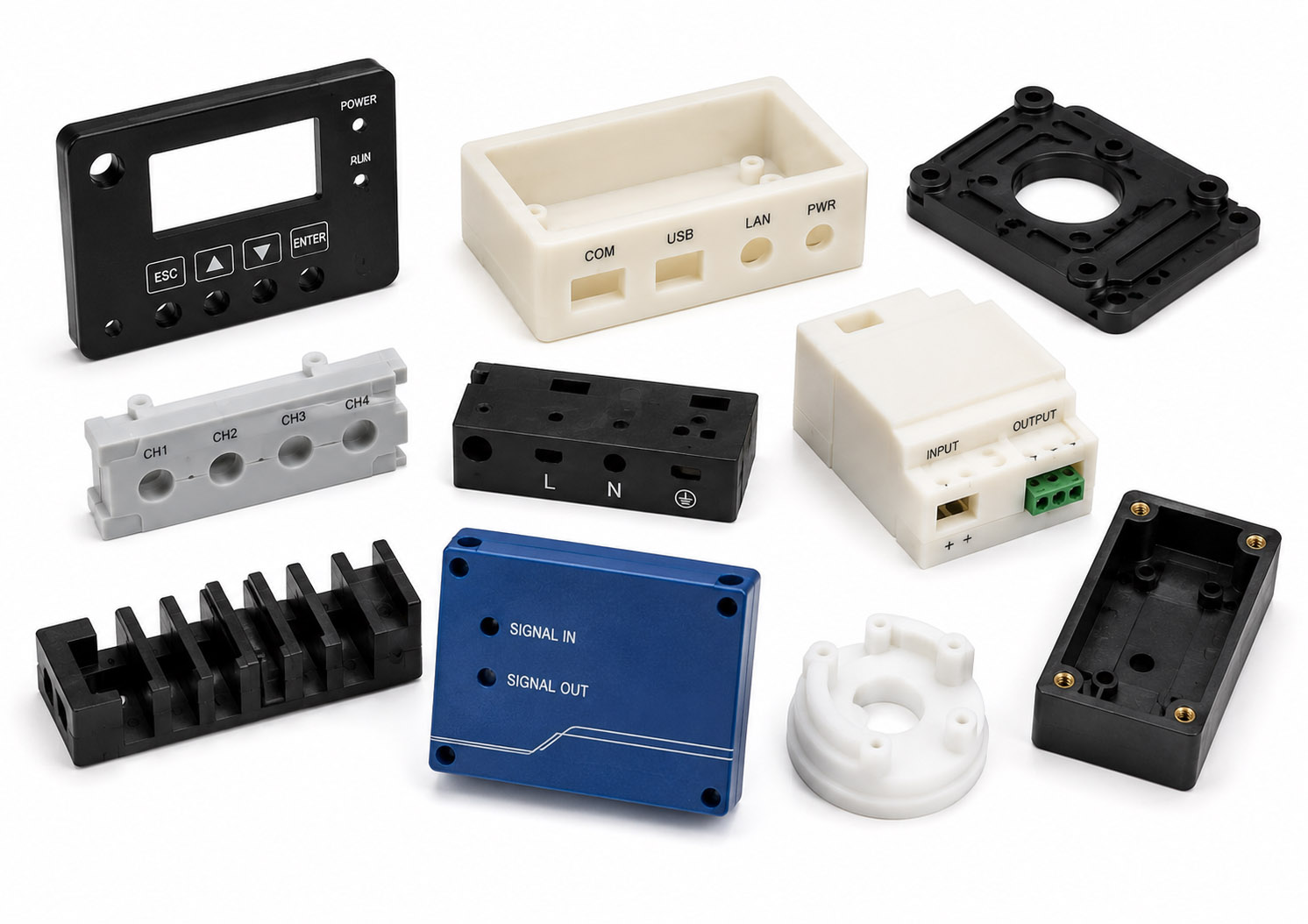
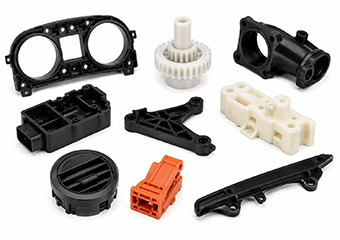
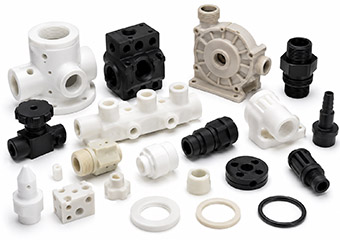
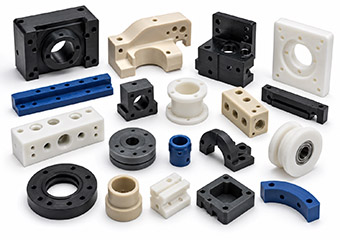
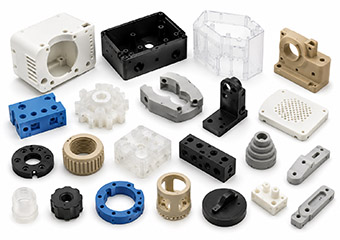
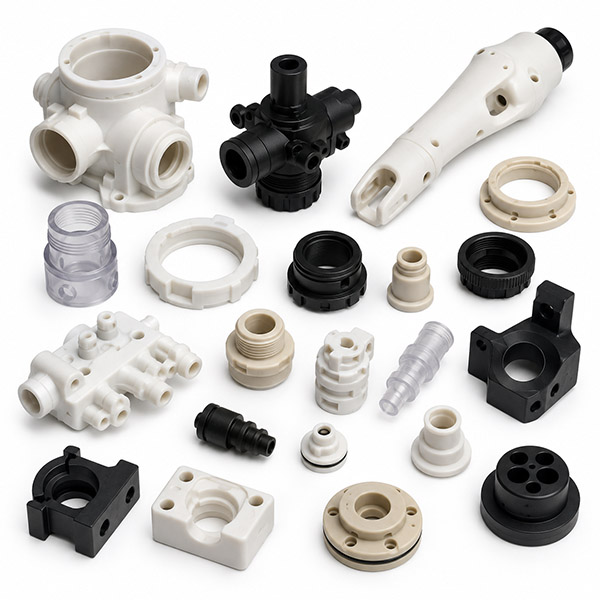
POM offers good dimensional behavior and low friction. Nylon provides toughness and wear performance but can absorb moisture. PEEK supports demanding thermal and chemical applications. PTFE offers low friction and chemical resistance but is relatively soft. Acrylic and polycarbonate are commonly considered for transparent components.
Material selection should therefore begin with operating conditions and functional requirements.
4. Why Do CNC Machined Plastic Parts Warp?
Plastic parts can warp because of internal stock stress, heat, uneven material removal, thin-wall geometry or clamping forces.
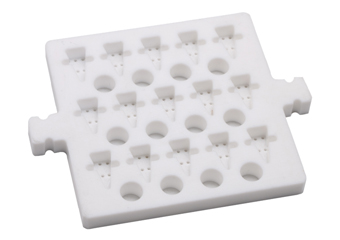
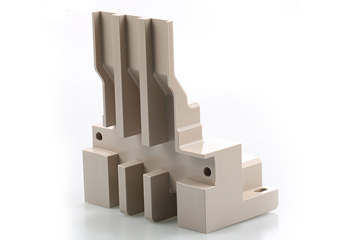
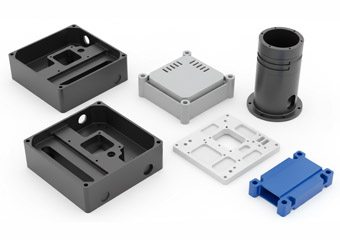
A large pocket machined into one side of a plate, for example, may release stress unevenly. Removing material in controlled stages and considering part support, roughing and finishing strategy can reduce this risk.
5. How Should Plastic Parts Be Designed for CNC Machining?
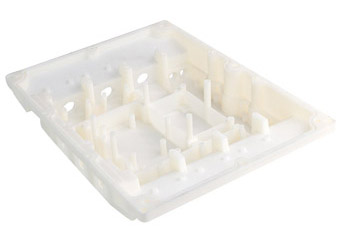
Good CNC plastic design considers tool access, internal radii, wall thickness, pocket depth, hole geometry, threads, datums and realistic tolerances.
Avoid applying metal-part design rules automatically to softer or more thermally sensitive plastics. Features should instead reflect the properties of the selected material and the functional requirements of the assembly.
6. How Are Plastic CNC Machining Tolerances Determined?
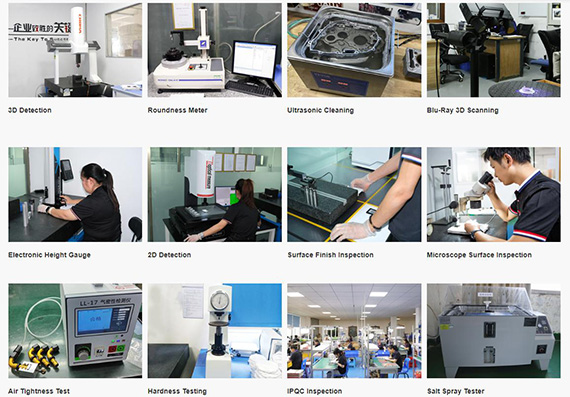
Tolerance capability depends on the selected plastic, feature size, part geometry, wall thickness, stock condition, temperature and measurement method.
Critical tolerances should therefore be identified by function. This allows machining and inspection resources to focus on dimensions that control fit, movement, sealing or assembly rather than unnecessarily tightening every feature.
7. What Affects Plastic CNC Machining Cost?
Major cost factors include:
- Plastic material and stock size
- Material removal volume
- Number of machining setups
- Part geometry
- Tool access
- Deep pockets and small features
- Tight tolerances
- Surface finishing
- Inspection requirements
- Production quantity
Cost reduction should therefore start with DFM rather than simply reducing the price per machining hour.
8. When Should You Use CNC Machining Instead of Injection Molding?
CNC machining is particularly useful when you need functional prototypes, low-volume production, frequent design changes or engineering materials without investing in molds.
Injection molding becomes more attractive when part design is mature and high production volume can spread tooling cost across a large quantity of parts.
For many projects, CNC machining is used first for design validation before the final manufacturing process is selected.
9. What Should You Include in a Plastic CNC Machining RFQ?
A complete RFQ helps avoid assumptions and unnecessary quotation revisions.
Provide:
- 3D CAD file
- 2D drawing
- Plastic type and grade
- Critical dimensions
- Tolerance requirements
- Surface finish
- Thread specifications
- Assembly requirements
- Inspection requirements
- Prototype and production quantity
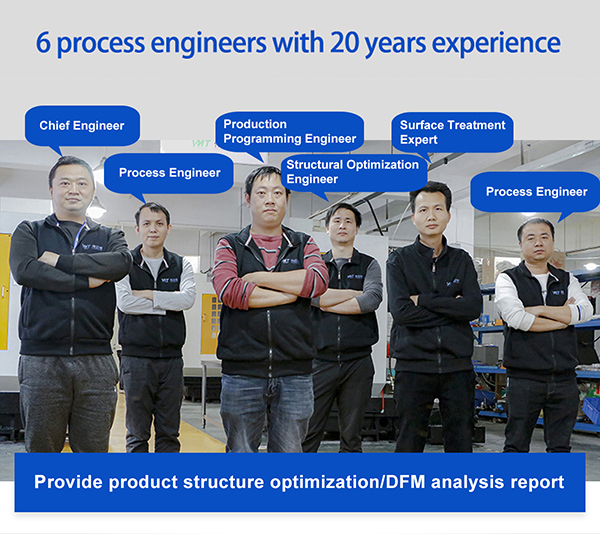
If material or tolerance is not yet confirmed, send the design first and request an engineering review.
 +86 15099911516
  inquiry@vimetal.com.cn


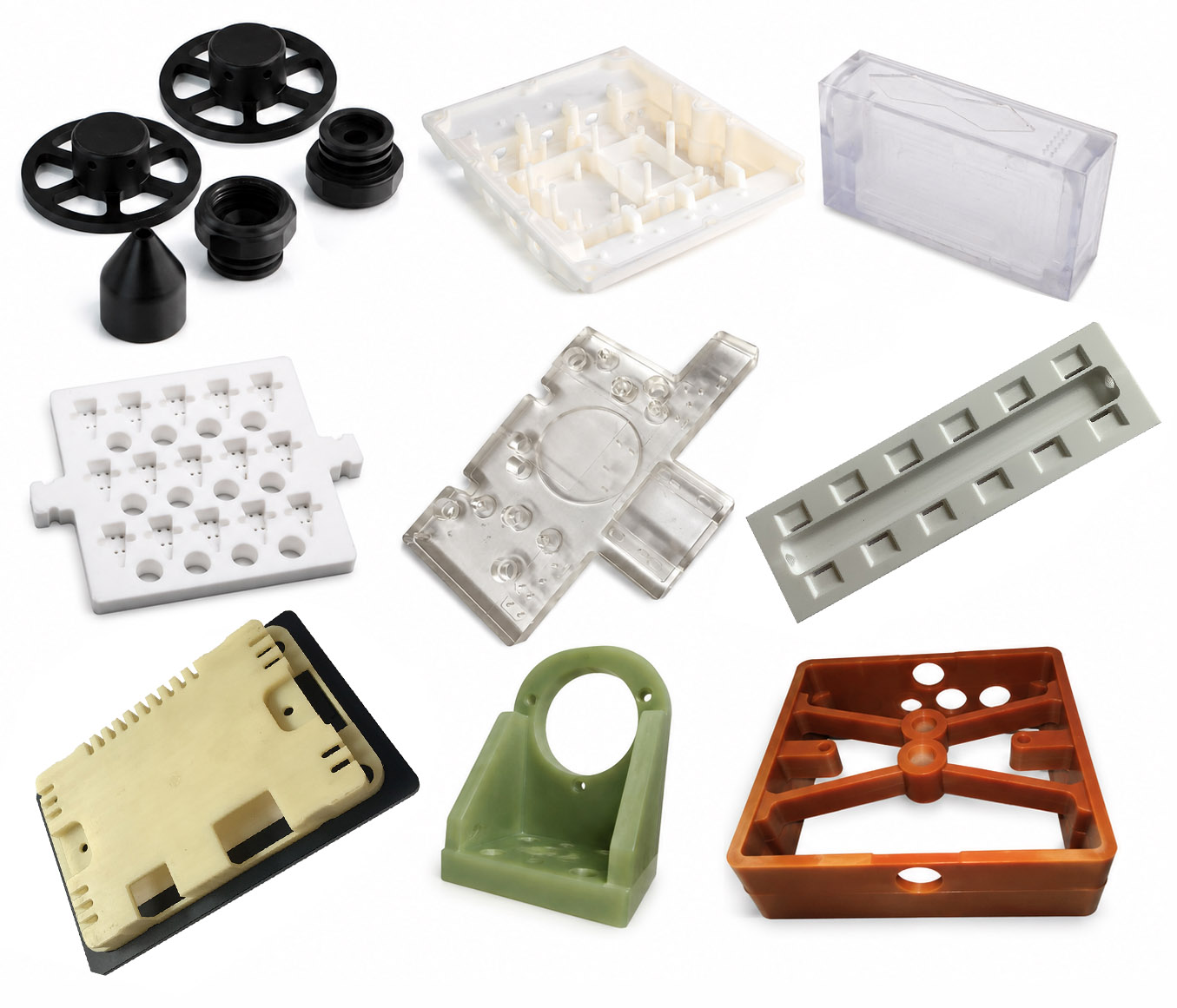
 Engineering Plastic Grade Verification with Material Test Reports