16 years one-stop China custom CNC machining parts factory

Hey there I’m VMT Sam!
With 25 years of CNC machining experience we are committed to helping clients overcome 10000 complex part-processing challenges all to contribute to a better life through intelligent manufacturing. Contact us now
 310 |
Published by VMT at Jul 28 2026 | Reading Time:About 5 minutes
310 |
Published by VMT at Jul 28 2026 | Reading Time:About 5 minutes


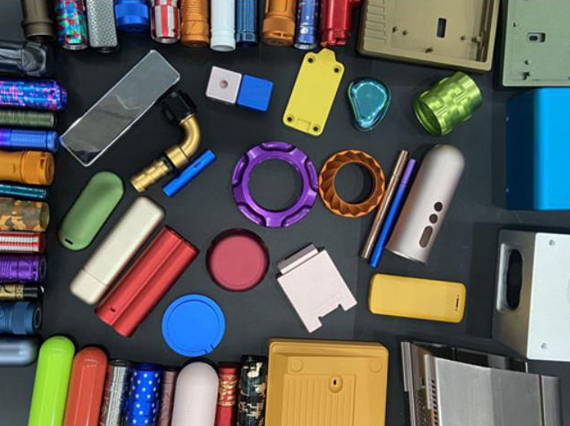
In modern industry, aluminum CNC machined parts are widely used for their light weight, high strength, and excellent machinability. Yet in certain applications — electronic product aluminum enclosures, automotive chassis or decorative parts, and consumer goods like camera, drone and aluminum brackets — pure aluminum often fails to meet specific color and performance requirements. As a well-known surface treatment, anodizing gives aluminum CNC machined parts a rich range of color options while also improving corrosion resistance and durability. This article covers this important surface treatment technology and color options — the types, how to color, how to handle color differences between batches, and how to remove color. At the end, we also share a real case where our factory solved a color inconsistency issue on a batch of aluminum electronic enclosures for a customer.
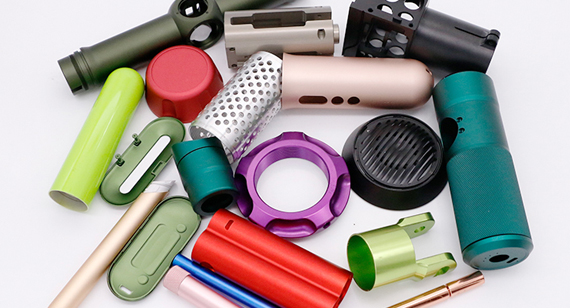
Anodizing processes for aluminum CNC machined parts follow MIL-A-8625, which classifies the standard processes by application spec. The three standard types are listed below, followed by the chemical-electrolyte variants used for specific cases.
Type I: Chromic Acid Anodizing (MIL-A-8625 Type I)
Chromic acid anodizing produces a thin, opaque coating — pale gray or yellow-green with a reddish tint. The layer is thin and the pores are very small, so its dyeing capability is poor. It cannot produce rich colors; the only colors it can absorb are dark shades like black or dark green.
Type II: Sulfuric Acid Anodizing (MIL-A-8625 Type II)
Sulfuric acid anodizing is the main type covered in this article. The coating is fully transparent and colorless, but the highly porous sponge-like structure absorbs organic or inorganic dyes easily. That is why Type II is the choice for vivid colors such as red, blue, gold, and pink.
Type III: Hard Anodizing (MIL-A-8625 Type III)
Hard anodizing produces a thick, dense coating in dark gray, charcoal gray, dark bronze, or brown. Dye uptake is limited; the deepest color it takes is a deep, uniform black. Type III is specified mainly for wear resistance rather than color.
Chemical-Electrolyte Systems
Sulfuric Acid (Standard Type II)
This is the standard Type II anodizing process. It is described above and not repeated here.
Oxalic Acid (Non-Standard Special Process)
Oxalic acid anodizing is not classified as a standalone type in MIL-A-8625 — it is a non-standard special process. It carries its own tint and is suitable for dark colors only; it cannot be dyed to a light shade.
Phosphoric Acid (MIL-A-8625 Type IV)
Phosphoric acid anodizing is almost never used for coloring. The pores are very large and the oxide film is thin and brittle. Its only practical use is as an adhesive primer layer for glue, paint, or coatings.
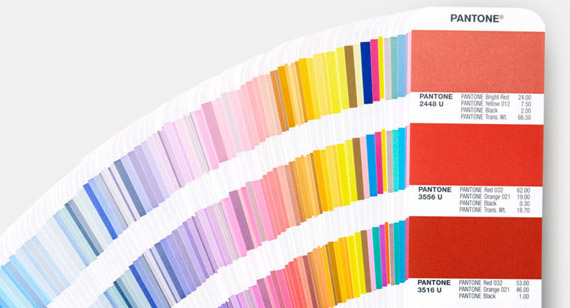
Color matching on aluminum CNC machined parts is a key step in anodizing. The factors that affect color matching include:
Aluminum Grade
Different aluminum grades affect anodized color and performance in different ways. Take Type II anodizing, the standard type used for a range of colors — aluminum 6061 fits Type II very well, and aluminum 6063 fits as well. But high-strength aerospace alloy 7075 is relatively performed not that good like that of 6061 or 6063.(7075 alloying elements especially copper do not dissolve cleanly, which causes the oxide layer to look cloudy, yellowish, or muddy gray instead of clear and then the staining effect will be slightly less pronounced ).
When choosing an anodizing process, select based on the color and performance requirements of the product. If the project needs rich, bright colors, aluminum parts should use Type II anodizing. If the project requires dark or black colors with high wear resistance, Type III hard anodizing is the best choice. If the project needs to keep a dark green or black tone but with more precise dimensional stability — where the oxide layer cannot be too thick or it will interfere with assembly — Type I anodizing is the right choice.
Dye Amount and Layering
The type and amount of dye have a significant impact on color effect and layering. In practice, select dyes and dyeing processes according to the color and process requirements of the product, and run enough testing and adjustment.
Substrate Microstructure
The microstructure of the aluminum part affects the color and performance of the anodized film. During manufacturing, control of the material's microstructure is needed to obtain better color and performance — a consistent grain structure across the part gives a more uniform dye result.
Methods for Adding Color to Anodized Aluminum Parts
Four main methods are used to add color to anodized aluminum parts:
Anodizing is the process of placing aluminum products as the anode in an electrolyte solution and subjecting them to electric current to form a layer of aluminum oxide on the surface. This oxide layer exhibits excellent wear resistance, corrosion resistance, and decorative properties. The basic anodizing process includes pre-treatment, anodizing, and sealing.
Cleaning and Etching of Aluminum Components:
Before anodizing, aluminum components must undergo thorough cleaning and etching. The cleaning process involves removing oil, dust, and other impurities to ensure the formation of the oxide film on a clean surface. Etching is performed to remove the natural oxide film and mechanical scratches from the aluminum surface, making it more uniform and rough, which aids in the formation of the oxide film.
Formation of Thin Film:
During the anodizing process, aluminum components are placed as anodes in an electrolyte solution, and an electric current is passed to form a layer of aluminum oxide film on the surface. Precise control of parameters such as current density, time, and temperature is necessary to ensure the thickness and uniformity of the oxide film. Additionally, agitation and circulation of the electrolyte are essential to ensure uniform current distribution on the anode surface.
Color Addition:
The oxide film formed by anodizing is gray-white in color and requires dyeing to achieve a variety of colors. During the dyeing process, different dyes and dyeing techniques can be chosen to achieve various color effects and levels. In practice, suitable dyes and dyeing techniques should be selected based on the product's color requirements and process specifications, followed by thorough experimentation and adjustment.
Sealing:
Sealing is the final step in the anodizing process, aimed at enhancing the corrosion resistance and hardness of the oxide film. Common sealing methods include hot water sealing, steam sealing, and chromate sealing. Selection of appropriate sealing methods and process parameters should be based on the product's operating environment and performance requirements.
In real production, color inconsistency between batches of anodized aluminum CNC machined parts is a common headache. Three root causes drive most of these issues:
Material Batch Variation
Even within the same alloy grade, different batches — and different mills — show small differences in chemical composition. Those small differences change how the dye takes to the oxide film, and the visible color drifts from batch to batch. When selecting a CNC machining and anodizing vendor, check that the vendor can supply material batch certificates so every batch uses traceable, consistent stock.
Tank Chemistry and Process Drift
The electrochemical reaction is sensitive to current density, time fluctuation, and bath temperature. At higher bath temperatures, the pores in the oxide film grow larger and dye uptake speeds up, but color uniformity suffers; at lower temperatures, the pores shrink, dye uptake slows, and the color comes out lighter and uneven. Bath temperature must be controlled to within ±1°C, and bath concentration and impurity levels also need precise control. When choosing a vendor, look for one with a tight, documented process control flow across the anodizing line.
Acceptance Inspection
A vendor without a colorimeter cannot reliably measure color difference between batches. Choose a professional vendor that has dedicated inspection equipment, and hold incoming color difference to within ΔE 1 to 1.5 as the acceptance threshold. The best practice is to commission sample parts first and confirm color uniformity and finish against a master sample before running the full batch.
If colors of anodized components do not match, the following methods can be used to remove color:
Color anodized aluminum offers several advantages over plain aluminum or other surface finishes:
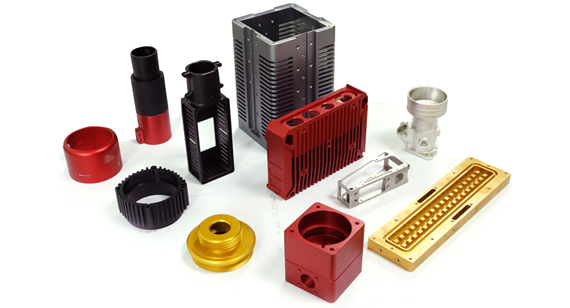
Color anodized aluminum is widely used across many industries. Below is a by-industry view of which aluminum CNC machined parts typically use which anodizing type:
| Industry |
Common Aluminum CNC Machined Part |
Typical Anodizing Type |
Common Colors |
| Electronics | Enclosures, heat sinks, brackets | Type II | Black, silver, blue, custom brand colors |
| Consumer goods (cameras, drones) | Brackets, frames, grips | Type II | Black, gray, custom colors |
| Automotive | Decorative trim, nameplates, interior accents | Type II / Type III | Black, silver, dark gray |
| Aerospace | Interior panels, brackets, identification tags | Type I / Type III | Dark gray, black, dark green |
| Medical devices | Housings, instrument bodies, handles | Type II / Type III | Black, gray, custom sterile colors |
| Cookware and kitchen tools | Pots, pans, utensils | Type III | Black, dark bronze |
| Architecture and construction | Window frames, façade panels, handrails | Type II | Light reflective tones, custom colors |
| Military and tactical | Equipment bodies, weapon components | Type III | Black, OD green, dark earth, camo tones |
| Safety signage | Markers, signs, hazard indicators | Type II | Bright green, yellow, red, orange |
| Optical and lighting | Reflectors, lamp housings, fixture bodies | Type II | Bright silver, polished tones |
In our extensive experience with aluminum CNC machining and anodizing, we have accumulated some practical insights:
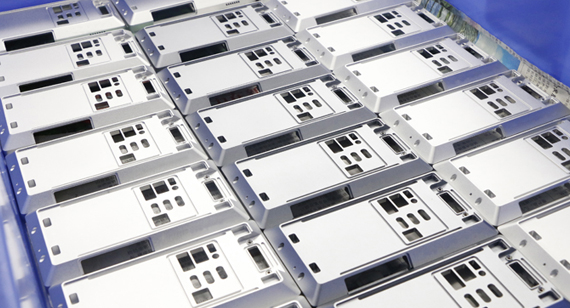
A consumer electronics brand came to our team with a batch of anodized aluminum electronic enclosures. The brand spec called for a uniform matte black across the entire run, with the enclosures going into a flagship product where the color had to match across production lots — every enclosure, every shipment, had to look identical.
Their previous supplier could not hold the color. The first batch came in slightly bluish-black; the second batch came in browner; the third batch was uneven within the same batch — some panels darker, some lighter.
We looked at the root causes first. Material traceability was the biggest issue: the previous vendor was pulling stock from multiple mills without batch certificates, so each lot carried small alloy differences that shifted the dye uptake. Tank control was the second issue: bath temperature and current density drifted over the run, so dye uptake varied across the batch.
We made three changes. First, we locked the material to with full batch certificates, and ran the same lot through the entire production batch so every enclosure saw the same alloy chemistry. Second, we tightened the bath controls — bath temperature held to ±1°C, current density continuously logged, and dye tank concentration rechecked every shift. Third, we added a colorimeter check at incoming inspection, with a ΔE ≤ 1.0 acceptance threshold against a master sample panel.
The result: across three subsequent batches of the same enclosure, color variation between batches and within a batch came in under ΔE 1.0 against the master sample, the brand's reject rate dropped to under 1%, and the matte black stayed consistent enough that the enclosures could ship as one production lot. The brand moved all of their enclosure anodizing to our line.
Anodizing provides a wide range of color choices and excellent performance for aluminum CNC machined parts. In practice, selecting the appropriate anodizing process and dyes based on product color requirements and performance specifications, followed by thorough experimentation and adjustment, can ensure the production of uniform, stable, and high-quality anodized oxide films. Additionally, addressing color mismatch issues requires careful consideration of factors such as aluminum grade, surface treatment type, dyeing process, and product quality inspection. Through continuous improvement and innovation, the anodizing process can be further optimized to meet evolving industry needs and customer expectations.
Need a consistent anodized color across batches, or help diagnosing an existing color drift? Send us your alloy spec, the color target (PMS / RAL / sample), the finish type, and the batch size, and our team will recommend a process and acceptance window — and run sample panels first so you can sign off before full production. Contact us for an anodizing review on your aluminum CNC machined parts.[2D Drawings (PDF files), 3D Drawings (IGS/STP/STEP files)]
Send your drawings, alloy grade, target color, finish type, batch size, and tolerance requirements. VMT will review your anodizing and CNC machining project and provide a practical solution and quote.
All information and uploaded files are secure and confidential.
1 Tell us what you need
2 Get solution & quote
3 Approve production
Email: inquiry@vimetal.com.cn
Q: How does anodizing affect the performance of aluminum CNC machined parts?
Anodizing significantly improves the corrosion resistance and wear resistance of aluminum CNC machined parts, extending their service life. Additionally, the oxide film provides certain decorative and insulating properties, meeting various application requirements.
Q: Is the color of anodizing stable?
The color stability of anodizing is generally good and can maintain vibrant colors and uniformity for a long time. However, precautions should be taken to avoid contact with corrosive substances such as strong acids or alkalis to prevent damage to the oxide film and affect color effects.
Q: How to select the appropriate anodizing process?
Selecting the appropriate anodizing process involves considering factors such as product color requirements, performance requirements, and cost. Collaboration with our technical team and thorough communication can help determine the most suitable anodizing process and dyes.
Q: How thick is the anodized layer on aluminum CNC machined parts?
For decorative applications, a thin anodized layer of 5 μm to 25 μm is typically enough — this is usually Type II anodizing, which can also be dyed to a range of colors. For industrial or marine applications, a thicker layer of 25 μm to 50 μm is needed to prevent corrosion or wear — this is typically Type III hard anodizing.
Q: What are the typical uses of different anodized colors on aluminum CNC machined parts?
Type II bright colors (red, blue, gold, etc.) are used on consumer electronics, cameras, and drones. Black and dark colors are used on cookware, military camouflage, and wear-resistant automotive or building components. Light reflective tones are used on architectural materials. Bright green, red, and yellow are used on safety signage.
Q: Do different anodized layer thicknesses use different coloring processes?
Yes. The thickness of the anodized layer is closely tied to its appearance and service life. For example, a 10 nm-thick layer is typically colored by an electrolytic electrochromic process, producing blue, red, and other electrochromic colors. A 50 μm-thick layer is colored by dye-based structural coloring, producing structural colors like blue, red, and so on.
The technical information and manufacturing advice shared on the VMT website are for general guidance only. While we strive for accuracy, VMT does not guarantee that the processes, tolerances, or material properties mentioned are applicable to every specific project. Any reliance you place on such information is strictly at your own risk. It is the buyer's responsibility to provide definitive engineering specifications for any production orders. Final specifications and service terms shall be subject to the formal contract or quotation confirmed by both parties.


 +86 15099911516




 Read more