16 years one-stop China custom CNC machining parts factory

Hey there I’m VMT Sam!
With 25 years of CNC machining experience we are committed to helping clients overcome 10000 complex part-processing challenges all to contribute to a better life through intelligent manufacturing. Contact us now
 1109 |
Published by VMT at Dec 10 2025 | Reading Time:About 3 minutes
1109 |
Published by VMT at Dec 10 2025 | Reading Time:About 3 minutes


Gold is known for its beauty, but you might worry when your gold jewelry, coins, or components start showing dull spots or tarnish. This creates confusion about gold corrosion, gold oxidation, and whether real gold can rust. The good news? You can prevent these issues easily. With the right care, your gold keeps its shine and stays protected for years.
Gold does not rust because it doesn’t react with oxygen or moisture. However, gold alloys can tarnish, corrode, or discolor when mixed metals react with sweat, chemicals, or salt water. To keep gold surfaces bright, clean them regularly, avoid harsh chemicals, store them properly, and use protective coatings when needed.
Now that you understand why pure gold doesn’t rust, it’s time to look deeper into what actually causes gold tarnish, gold corrosion, and gold surface oxidation—especially in gold alloys. By knowing these factors, you can better protect your jewelry, coins, or CNC machined parts made from gold or gold-plated materials.
Gold itself does not rust because it doesn’t react with oxygen or moisture, which are the main causes of metal rusting. However, gold alloys—such as 14K or 18K—can show tarnish, tarnish, or surface corrosion when the mixed metals (like copper, nickel, or silver) react with sweat, chemicals, or salt water. This is why some gold items stay bright, while others darken over time.
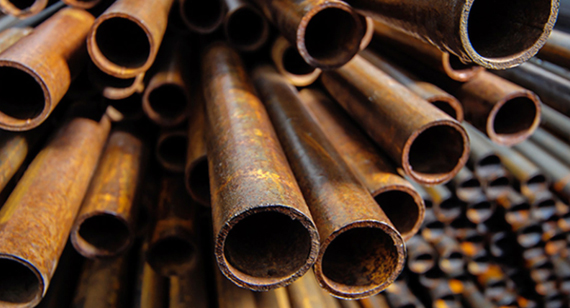
Metals rust only when they react with oxygen and moisture. Iron-based metals rust quickly because they bond easily with oxygen, forming reddish iron oxide. Gold, however, is chemically stable, so it doesn’t react with air or water. That’s why gold shows strong rust resistance, while metals like steel or iron corrode, degrade, and lose strength over time.
Gold tarnish, gold corrosion, and gold staining may look similar, but they come from different causes. Tarnish happens when alloy metals darken from sweat or chemicals. Corrosion is a deeper reaction where mixed metals break down, especially in chlorine or salt water. Staining occurs when external substances—like makeup, lotion, or dirt—leave marks on the gold surface without damaging the metal itself.
Tbale: Comparison of Gold Tarnish vs. Gold Corrosion vs. Gold Staining
| Category | What It Is | Main Cause | Does It Damage Gold? | Common Signs | Fixability |
| Gold Tarnish | Surface darkening or dulling of gold alloys | Sweat, oils, chemicals, moisture reacting with alloy metals | No – only affects the surface | Dark spots, dull tone, slight color shift | Easy to clean and polish |
| Gold Corrosion | Breakdown of alloy metals in gold mixtures | Chlorine, salt water, acids, harsh chemicals | Yes – can weaken alloy metals | Pitting, rough texture, reddish or greenish patches | May require professional repair |
| Gold Staining | External substances leaving marks on the gold surface | Makeup, lotion, perfume, dirt, metal transfer | No – gold remains intact | Skin marks, dirt buildup, surface smudges | Easily removable with cleaning |
Summary of Key Differences
Tip: To reduce the risk of tarnish, corrosion, and staining, keep gold alloys away from chlorine and harsh chemicals—this helps avoid costly restoration.
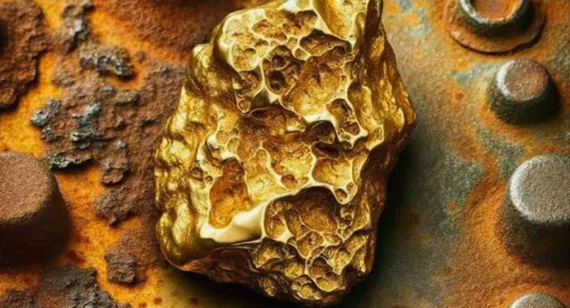
Gold surfaces corrode, form red spots, or lose shine when the alloy metals mixed with gold react to their environment. Sweat, perfumes, lotions, chlorine, and salt water accelerate gold alloy corrosion and gold oxidation. Red spots usually come from copper in lower-karat gold, while dullness appears when dirt, oils, or chemicals build up on the surface over time.
To keep gold surfaces bright and free from corrosion, red spots, or dullness, you need simple, consistent care. Gold itself doesn’t rust, but the alloy metals in 14K or 18K gold can react with sweat, chemicals, and moisture. Proper storage, gentle cleaning, and protection from harsh environments help maintain gold’s shine and prevent long-term damage.
Proper Storage
Store your gold items in a dry, closed space to limit exposure to moisture and air. Use soft pouches or lined jewelry boxes to prevent scratches and slow down gold tarnishing or tarnish. Keeping pieces separated also prevents metal transfer that can cause stains or surface dullness.
Avoid Contact with Chemicals
Chemicals like chlorine, perfume, lotion, sunscreen, and cleaning agents react with the alloy metals in gold and cause red spots, corrosion, and loss of shine. Remove your gold items before swimming, showering, cleaning, or applying skincare products to keep the surface bright.
Daily Cleaning
Gently wipe gold surfaces with a soft microfiber cloth to remove sweat, oils, and dirt. This prevents buildup that leads to dullness and gold surface oxidation. Regular light cleaning is safer and more effective than aggressive polishing later.
Avoid Using Abrasive Materials
Never use toothpaste, scouring pads, or harsh metal cleaners on gold. These abrasive materials scratch the surface, remove protective finishes, and accelerate gold tarnishing behavior. Stick to mild soap and soft cloths for safe cleaning.
Professional Maintenance
Have your gold jewelry, coins, or CNC machined parts professionally cleaned and inspected once or twice a year. Experts can remove deep stains, polish safely, and detect early signs of gold alloy corrosion before it becomes serious.
Use a Protective Coating
Applying a thin protective coating—such as clear lacquer, wax, or PVD coating—creates a barrier between gold surfaces and the environment. This reduces exposure to sweat, chemicals, and moisture, preventing red spots and extending the gold’s luster.
Gold is one of the most rust-resistant metals because it doesn’t react with oxygen or moisture. While pure gold stays bright, gold alloys can still show tarnish or surface changes due to the other metals mixed inside. Understanding how gold bars, coins, and jewelry behave helps you prevent issues like gold corrosion, gold oxidation, and loss of shine.
Gold Bar Rusting
Pure gold bars don’t rust, corrode, or tarnish because they contain almost no reactive metals. However, if a bar contains impurities or is stored in a humid, dirty, or chemically exposed environment, the surface may show tarnish from contaminants—not from the gold itself. This is usually just surface staining and is easy to clean.
Gold Coin Rusting
Gold coins rarely rust, but they can show dark spots or tarnish because many coins are made from gold alloys, not pure gold. Copper and silver in the alloy react with air, moisture, and skin oils, leading to tarnish. This doesn’t damage the gold but can affect the coin’s appearance or collectible value.
Gold Jewelry Rusting
Gold jewelry is the most likely to show tarnish because it’s often made from 14K or 18K gold alloys. Sweat, perfumes, lotions, and chlorine react with the alloy metals, causing red spots, tarnish, or dullness. While the gold itself doesn’t rust, the mixed metals can corrode over time without proper care.
Gold doesn’t rust because it’s a “noble metal,” meaning it doesn’t react with oxygen or moisture—the two elements required for rust to form. Rust happens to iron-based metals, but gold stays chemically stable even in humid or salty environments. Only the alloy metals mixed into lower-karat gold can tarnish, corrode, or discolor, not the gold itself.
Gold itself does not rust thanks to its chemical stability, making it highly resistant to oxygen and moisture. However, gold alloys, like 14K or 18K, can develop tarnish, red spots, tarnish, or corrosion due to the reactive metals mixed inside. Proper storage, avoiding chemicals, gentle cleaning, and protective coatings can preserve gold’s luster. For CNC machined parts, jewelry, coins, or bars, understanding gold’s rust resistance and taking preventive measures ensures long-lasting beauty and reduces maintenance costs.

1. Will Gold Rust in Salt Water?
Pure gold will not rust in salt water because it is chemically stable. However, gold alloys may tarnish or corrode if copper, nickel, or silver is present in the mixture.
2. Will Fake Gold Rust?
Yes, fake gold, such as gold-plated or gold-colored base metals, can rust or corrode because the underlying metals react with moisture and oxygen.
3. Will Gold Lose Its Luster?
Gold itself retains its shine indefinitely, but alloyed gold or gold-plated items can lose luster due to tarnish, dirt, or chemical exposure.
4. Will Gold Rust in Water? Does gold rust over time?
Pure gold does not rust in water and remains stable over time. Gold alloys may show tarnish or mild corrosion with prolonged exposure to moisture and contaminants.
5. Does Gold Rust in Chlorine?
Gold itself does not rust in chlorine, but lower-karat gold alloys can corrode because chlorine reacts with the alloy metals, causing red spots or dullness.
6. Does Gold Rust or Corrode?
Pure gold does not rust or corrode. Gold alloys may corrode slowly due to reactive metals, but proper care can prevent serious damage.
7. How Long Does It Take for Gold to Corrode?
Pure gold does not corrode. Alloyed gold may show signs of tarnish or corrosion within months or years, depending on exposure to chemicals, moisture, or sweat.
8. Does Pure Gold Rust?
No. Pure gold is highly stable and does not rust under normal conditions.
9. Does 14K Gold Rust?
14K gold can tarnish or corrode because it contains reactive metals like copper or nickel, but the gold itself remains intact.
10. Does 18K Gold Rust?
18K gold has more gold content, so it resists corrosion better than 14K, though it may still show minor tarnish from alloy metals over time.
11. Does Platinum Rust?
No, platinum is another noble metal like gold. It does not rust or corrode under normal conditions and maintains its shine for decades.


 +86 15099911516




 Read more