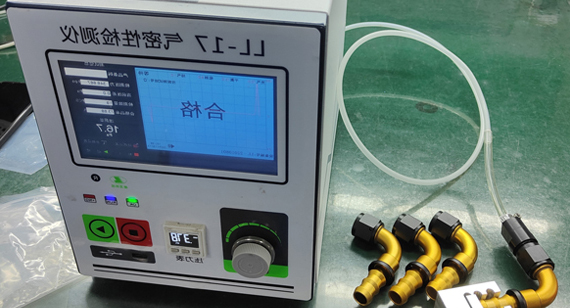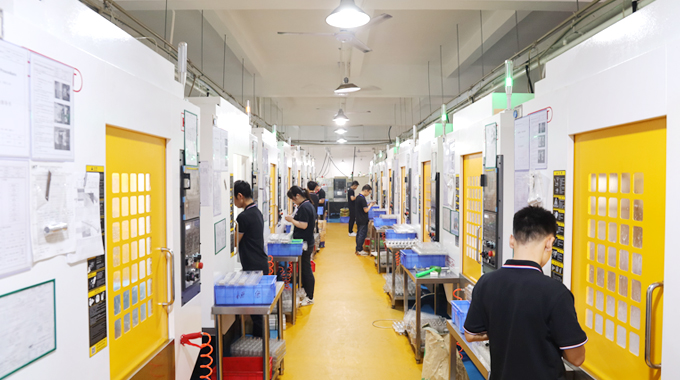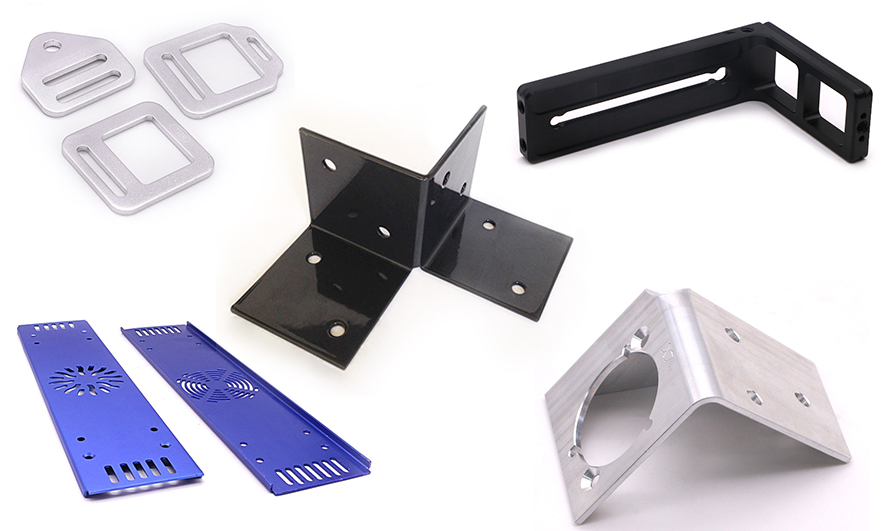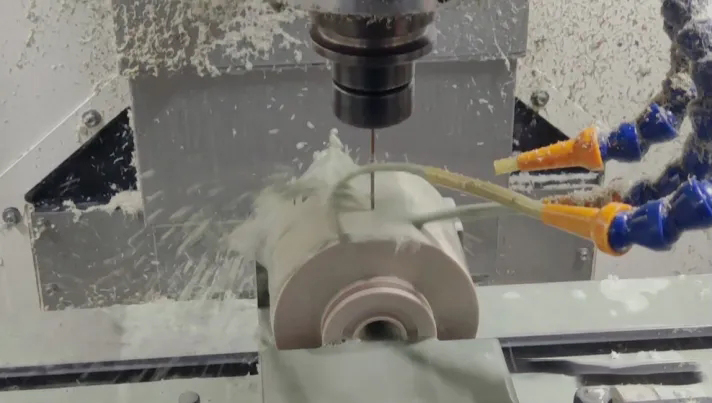
16 years one-stop China custom CNC machining parts factory

Hey there I’m VMT Sam!
With 25 years of CNC machining experience we are committed to helping clients overcome 10000 complex part-processing challenges all to contribute to a better life through intelligent manufacturing. Contact us now
 274 |
Published by VMT at Sep 08 2026 | Reading Time:About 10 minutes
274 |
Published by VMT at Sep 08 2026 | Reading Time:About 10 minutes


A wide variety of custom metal parts play a vital role in the aerospace, automotive, and electronics industries. Successfully manufacturing high-quality metal components requires choosing the optimal production process based on specific material selection and project requirements, such as volume, lead time, accuracy, and quality standards. Among the most common manufacturing techniques for metal parts, including CNC turning, CNC milling, extrusion, stamping, forging, and casting, each offers unique advantages for distinct applications. Furthermore, beyond material selection and processing, choosing the right surface finishing option is essential for achieving desired aesthetics, wear resistance, or corrosion protection.
Let's take a deep dive into metal material overviews, diverse fabrication processes, and surface finishing recommendations to help you master high-precision industrial metal parts manufacturing. In the final section, we will also share a case study on how our factory utilized precision CNC cylindrical grinding to overcome contouring and deburring challenges for a client's automotive micro-motor shaft. Learn how we manufactured custom tungsten carbide shafts with roundness and cylindricity controlled within 1 μm and achieved a mirror surface finish of Ra 0.02 μm.
Simply put, metal manufacturing is the process of selecting a specific metal (typically an alloy) and applying an appropriate technique to form the desired part geometry. If necessary, refined secondary machining or surface treatments are applied to create the final metal component.
Metal fabrication processes vary based on material type, part complexity, and production scale. For instance, CNC machining is ideal for high-precision forged metal prototypes and low-volume custom parts. Metal 3D printing is better suited for binder-mixed metal powder materials, allowing for flexible, intricate geometries in rapid prototyping and small-batch custom parts. Conversely, forging requires specialized forging alloys to economically produce medium-precision components in large volumes. And for more of the methods, we will discuss in the latter sections.
From here you can see that the choice of metal types dictates the manufacturing processes selectioon. For another thing, different metal alloys offer unique properties and suitable for the specific project itself.
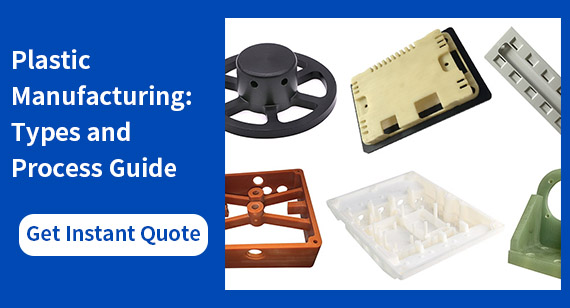
Metal Material Types - Overview
When it comes to metal parts manufacturing, the selection of the right material is one of the most crucial steps. The type of metal chosen will influence the performance, durability, cost, and ease of processing of the final product. Understanding the various metal materials available and their unique properties is essential in determining the best material for your specific application. In this section, we will take a look at some of the most common metal materials used in the manufacturing of custom parts—namely carbide, special alloys, and soft metals—and explain their respective benefits and limitations.
Carbide and Special Alloys (Tungsten Carbide, Titanium, Inconel)
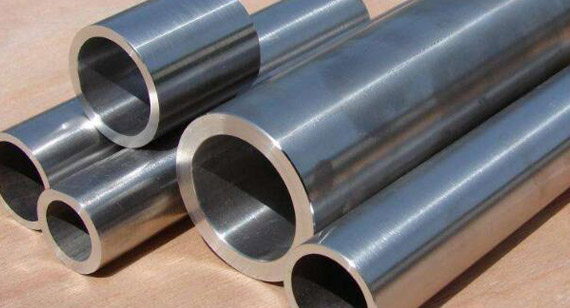
Carbide and special alloys are highly durable materials commonly specified in high-performance industries that require extreme precision, thermal stability, and wear resistance. Carbide itself is a composite of carbon and metal (typically tungsten), while special alloys like Titanium, Inconel, and Hastelloy offer exceptional resistance to heat, corrosion, and mechanical stress.
Properties of Carbide and Special Alloys:
High Hardness and Thermal Resistance: Maintains exceptional hardness and structural integrity even under extreme operating temperatures, making them essential for demanding machining environments.
Applications of Carbide and Special Alloys:
Soft Metals (Aluminum, Copper, Brass)
Soft metals are widely used across custom metal manufacturing due to their excellent machinability, versatility, and cost-effectiveness. These materials are less dense and much easier to cut, form, and finish compared to harder carbide grades or special alloys.
Properties of Soft Metals:
Applications of Soft Metals:
The choice of metal material is fundamental to the success of any manufacturing project. Carbide and special alloys are best suited for high-stress, high-temperature, and wear-heavy applications. On the other hand, soft metals offer superior versatility, fast production turnarounds, and lightweight durability. Matching the material properties to your specific operational environment ensures optimal performance and cost-efficiency.
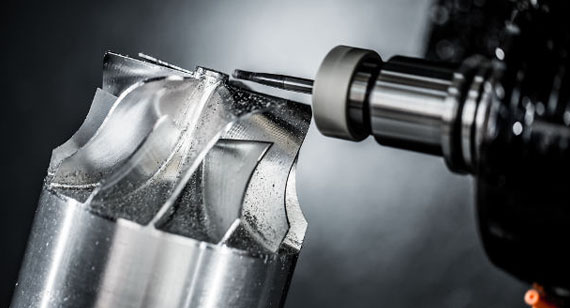
Creating custom metal parts requires selecting a manufacturing method that balances speed, accuracy, and cost-effectiveness. Among all subtractive manufacturing processes, CNC machining serves as the backbone of modern industrial metal parts manufacturing. By using computer-controlled tools to cut away material from a solid metal block, CNC machining achieves extreme precision, minimal tool wear, and exceptional repeatability across both prototypes and mass production.
From rapid CNC prototype processing to full-scale manufacturing, CNC technology supports a vast range of engineering metals, including aluminum (6061, 7075), stainless steel (304, 316), brass, copper, titanium, and special alloys, ensuring tight tolerances (up to ±0.005 mm) across complex geometries.
CNC Machining Technologies: CNC Milling vs. CNC Turning
While modern machine shops utilize multi-axis machining, the two foundational CNC operations are milling and turning. Depending on part geometry and functional requirements, manufacturers select or combine these technologies in multi-process workflows.
| Feature | CNC Turning (Lathe Operations) | CNC Milling (Multi-Axis Milling) |
| Motion Principle | Workpiece rotates; stationary cutting tool feeds in | Rotary tool moves along multiple axes; workpiece fixed |
| Ideal Geometry | Cylindrical, conical, and rotational symmetrical parts | Flat surfaces, pockets, complex 3D contours, and slots |
| Primary Capabilities | Threading, grooving, facing, boring, and profiling | Hole pattern drilling, 3D profiling, and cavity milling |
| Applicable Metals | Aluminum, brass, copper, carbon steel, stainless steel, titanium, and special alloys | Aluminum, brass, copper, carbon steel, stainless steel, titanium, and special alloys |
| Key Applications | Drivetrain shafts, connectors, pins, custom fittings | Structural brackets, electronic housings, manifolds, molds |
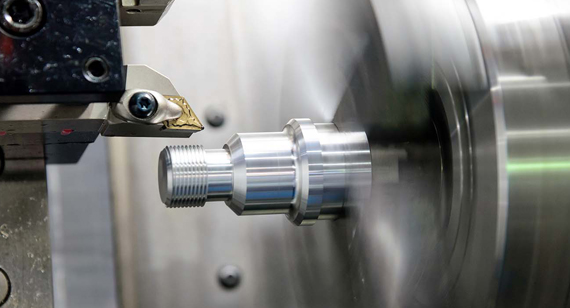
1. Precision CNC Turning Services
CNC turning spins the workpiece in a chuck at high speeds against rigid carbide cutting tools. It is the most efficient method for manufacturing symmetrical cylindrical parts. Advanced CNC lathes equipped with live tooling can perform off-center drilling, tapping, and milling in a single setup, drastically reducing lead times.
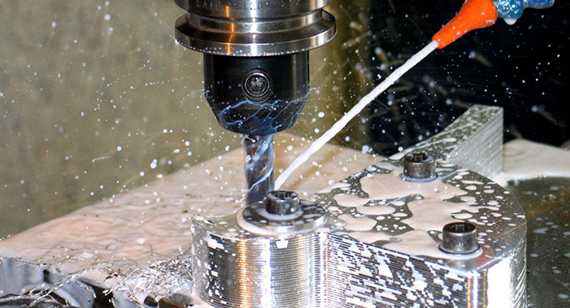
2. Precision CNC Milling Services
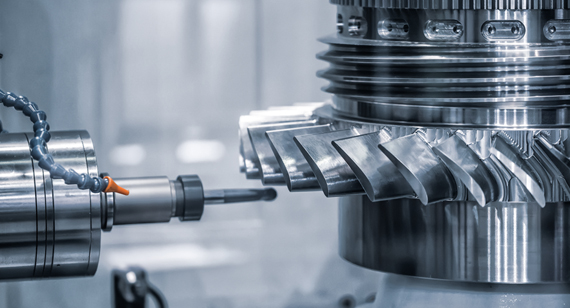
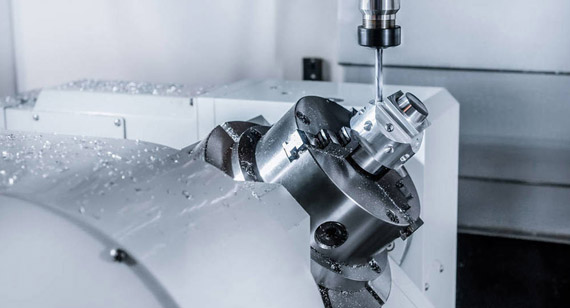
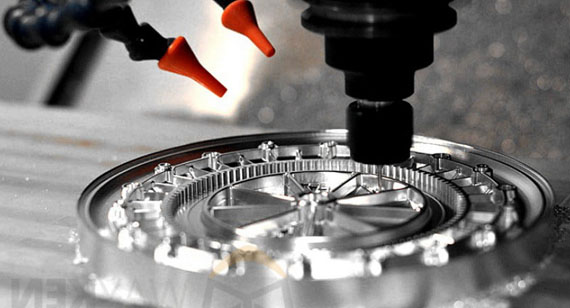
In CNC milling, high-speed rotary cutters traverse along 3-axis, 4-axis, or 5-axis setups to carve out intricate metal geometries. Multi-axis CNC milling eliminates manual repositioning, making it the preferred choice for high-complexity parts that require tight positional accuracy across multiple faces.
3. Swiss Machining for Micro and Small Component Manufacturing
For miniature custom parts and high-volume component manufacturing for small metal parts, Swiss-type CNC lathe machining services offer superior stability. By supporting the workpiece immediately adjacent to the cutting tool, Swiss machining largely reduces part deflection. It is specifically suited for high-precision micro-shafts, pins, and intricate medical hardware with tolerances down to ±0.002 mm.
4. Dimensional Tolerances and Quality Assurance
Achieving required part performance relies not only on cutting parameters but also on rigorous quality control. Standard CNC milling and turning achieve tolerances between ±0.01 mm and ±0.05 mm. When combined with secondary grinding or precision finish passes, critical dimensions can achieve ultra-tight tolerances under ±0.002 mm with surface finishes as smooth as Ra 0.2 µm.
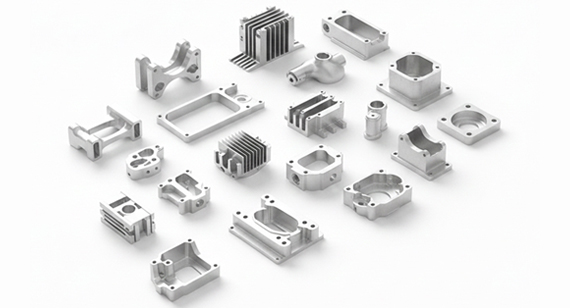
Metal extrusion is a high-efficiency formative manufacturing process where a metal billet is forced or drawn through a shaped die under high pressure. This technique enables the economical production of long, continuous metal profiles with uniform, complex cross-sections that would be difficult or costly to achieve through conventional machining alone.
By combining custom metal extrusion with secondary CNC machining services, manufacturers can produce complex profiles with high mechanical strength, tight dimensional tolerances, and minimal material waste, making it ideal for both prototype development and high-volume production.
3 Types of Extrusion Operations
Selecting the right extrusion technique depends on the target metal alloy, required strength, surface finish, and geometric complexity.
| Extrusion Type | Working Condition | Primary Benefits | Best Suited Metals and Applications |
| Hot Extrusion | Metal heated above recrystallization temperature | Reduces material resistance; allows extremely complex profiles | Aluminum alloys, copper, titanium; heavy structural beams, tubing, railings |
| Cold Extrusion | Performed at or near room temperature | Higher strength (work hardening), tighter tolerances, superior surface finish | Carbon steel, brass, aluminum; fasteners, gear blanks, connectors, high-precision pins |
| Friction Extrusion | Heat generated by friction between rotating tool and metal | Energy-efficient; capable of processing hard-to-extrude or recycled materials | Recycled aluminum chips, specialty alloys; sustainable metal parts manufacturing |
Engineering Metals for Extrusion
Material selection depends on the required strength, thermal conductivity, and post-machining capabilities:
Industrial Applications and CNC Post-Processing
Extruded metal profiles often serve as the raw stock for subsequent CNC milling, drilling, and tapping to achieve final precision tolerances.
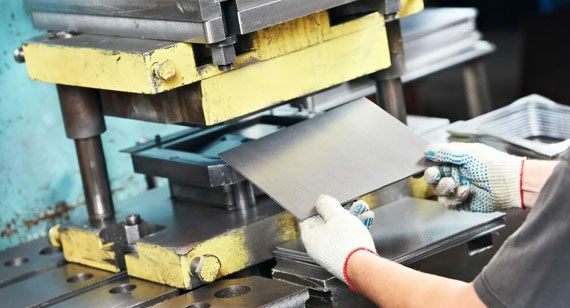
Metal stamping is a cold-forming manufacturing process that utilizes precision dies and high-tonnage mechanical or hydraulic presses to transform flat sheet metal into custom shapes. By combining operations such as blanking, punching, bending, and flanging, stamping provides an exceptionally fast, repeatable, and cost-effective solution for producing high-precision custom parts at scale.
Stamping Techniques
Modern sheet metal stamping integrates multiple forming and cutting techniques, often automated within a progressive die system to streamline high-speed production.
| Stamping Technique | Operation Type | Operational Objective | Primary Applications |
| Blanking and Punching | Cutting | Shears metal to form part outlines or interior holes | Flat brackets, washer blanks, connector outlines |
| Bending and Flanging | Forming | Deforms sheet along straight or curved axes without cutting | Chassis frames, mounting brackets, curved edges |
| Embossing and Coining | Surface Profile | Depresses or raises shallow surface patterns or shallow details | Decorative panels, structural rib stiffeners, logos |
| Progressive Die Stamping | Multi-Stage | Performs sequential cutting and forming operations at high speed | Continuous strip feeds for high-volume precision parts |
Common Sheet Metals Used in Stamping
Material selection for sheet metal stamping depends on yield strength, ductility, corrosion resistance, and post-forming springback characteristics:
Applications of Stamped Metal Parts
Stamped sheet metal components are foundational across high-volume manufacturing sectors. To achieve tight functional tolerances, stamped blanks are often combined with secondary CNC drilling, tapping, or precision grinding.
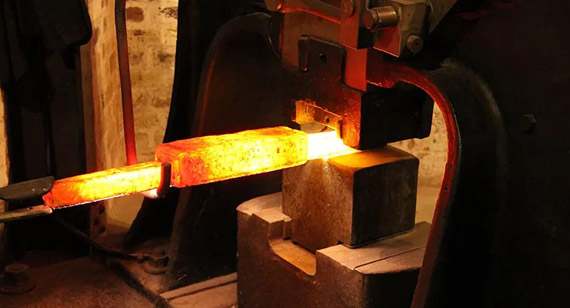
Forging is a formative manufacturing process that shapes solid metal workpieces through localized compressive forces delivered via hammers, presses, or rolls. Forging deforms the metal’s internal microstructures, aligning the grain flow along the contours of the part. This grain realignment produces components with exceptional structural integrity, high tensile strength, and superior fatigue resistance. In modern industrial manufacturing, forged blanks are often processed with secondary CNC milling and turning to achieve ultra-tight functional tolerances.
The 5 Essential Steps in Metal Forging
Producing high-reliability forged parts requires strict control over temperature, deformation force, and cooling rates.
Key Forging Technologies Compared
| Forging Method | Processing Temperature | Primary Advantage | Typical Applications |
| Open-Die Forging | Hot | Economical for large, simple shapes; no custom dies required | Large shafts, rings, heavy cylinders, marine shafts |
| Closed-Die (Impression) | Hot or Warm | High dimensional accuracy; ideal for complex geometries | Crankshafts, connecting rods, aerospace brackets |
| Cold Forging | Room Temperature | Exceptional surface finish, tight tolerances, no thermal scaling | Fasteners, gear blanks, micro-splines, precision pins |
| Upset and Roll Forging | Hot or Warm | Increases cross-sectional area or length continuously | Valve stems, axle shafts, leaf springs, wheel spindles |
Engineering Metals for Forging
Industrial Applications and Critical Forged Components
Forged metal components are excellent choices in safety-critical sectors where structural failure is not an option:
Casting is a formative manufacturing process in which molten metal is poured or injected into a mold cavity containing a desired geometry, where it cools and solidifies into shape. Casting allows for the economical production of complex, near-net-shape components with intricate internal cavities, wall-thickness variations, and organic contours that would be cost-prohibitive or geometrically impossible to achieve using subtractive machining alone.
While casting is ideal for achieving complex primary geometries at high volume, secondary CNC machining (milling, turning, drilling, and tapping) is often performed on raw castings to finalize critical mounting surfaces, O-ring grooves, and tight-tolerance bores.
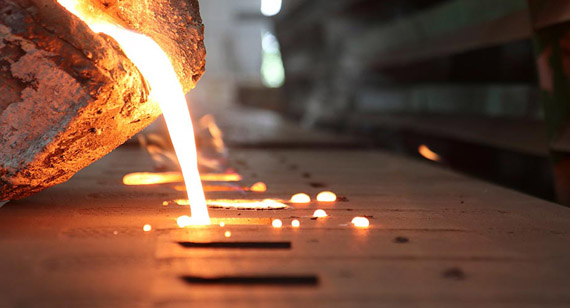
Key Casting Processes Compared
The choice of casting method depends on required dimensional tolerances, annual volume, wall thickness, and surface roughness targets.
| Casting Method | Tooling | Primary Advantage | Typical Applications and Volume |
| Investment Casting (Lost-Wax) | Ceramic shell over sacrificial wax pattern | Exceptional dimensional accuracy, complex internal passages, ultra-smooth surface finish | High-precision aerospace parts, medical implants, turbine blades (Low to Mid volume) |
| Die Casting (High Pressure) | Reusable hardened steel dies | Extremely high production speed, thin-wall capability, low per-part cost | Automotive housings, consumer electronics, power tool frames (High volume) |
| Sand Casting | Disposable compacted sand molds | Low initial tooling cost, capable of producing massive, heavy structural parts | Engine blocks, heavy pump casings, large valve bodies (Low to Mid volume) |
Engineering Metals for Casting
Applications of Cast Metal Parts
Raw cast components serve as the foundation for durable products across major industrial sectors:
Metal injection molding (MIM) is a powder metallurgy manufacturing process that combines the geometric design freedom of plastic injection molding with the high mechanical strength and thermal performance of solid metals. By blending fine metal powders with a polymeric binder to create a feedstock, MIM enables the high-volume, repeatable production of small, highly complex, three-dimensional metal components that are difficult or cost-prohibitive to produce using standard CNC machining or casting alone.
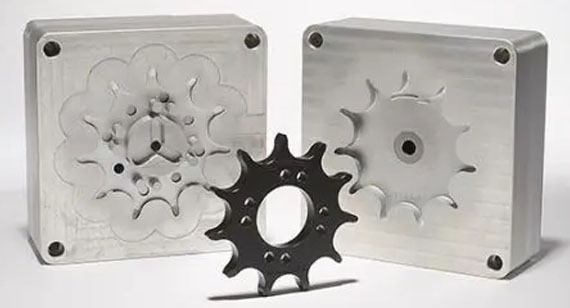
The 4 Essential Steps of the MIM Process
Feedstock Preparation: Micron-sized metal powders are uniformly mixed with thermoplastic binder materials to form a homogeneous feedstock.
Injection Molding: The heated feedstock is injected into a precision mold cavity using standard injection molding equipment, producing a "green part."
Debinding: Thermal or solvent processing removes the majority of the polymer binder, leaving behind a porous "brown part."
Sintering: The part is heated in a controlled-atmosphere furnace to near-melting temperatures (typically over 1,200°C/2,190°F). The metal particles fuse together, shrinking the part to full density (95%–99% theoretical density).
Metal Injection Molding vs. Die Casting
While both Metal Injection Molding and Die Casting are used for mass-producing metal parts, the two processes have distinct differences in terms of material suitability, design flexibility, and application.
| Engineering Feature | Metal Injection Molding | High-Pressure Die Casting |
| Material Capability | Stainless steel, titanium, tungsten, tool steels | Non-ferrous alloys (aluminum, zinc, magnesium) |
| Target Component Size | Small to micro parts (typically under 100 grams) | Medium to large structural components |
| Geometric Complexity | Extreme 3D complexity, thin walls, internal threads | Moderate 3D complexity; limited fine internal detail |
| Material Density | Very high (95%–99% solid metal density) | Moderate (susceptible to internal porosity) |
| Secondary Machining | Minimal; tight tolerances directly out of furnace | Frequently required for sealing surfaces and holes |
Engineering Metals Used in MIM
Industrial Applications for MIM Components
Metal injection molding excels in high-volume industries requiring miniature, high-precision parts with intricate geometries:
Metal 3D printing, also known as metal additive manufacturing (AM), is a process that builds custom metal parts layer by layer directly from 3D CAD data. It enables the economical fabrication of highly intricate geometries, internal fluid channels, and lightweight lattice structures that are impossible to produce using conventional manufacturing methods. Metal 3D printing is exceptionally suited for low-to-medium batch production and rapid functional prototyping.
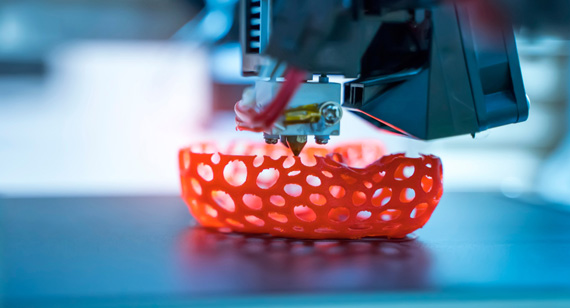
Primary Metal 3D Printing Technologies Compared
Selecting the appropriate additive technology depends on target component density, build volume, production speed, and structural integrity requirements.
| AM Technology | Process Mechanism | Primary Advantage | Typical Applications |
| Powder Bed Fusion (PBF / SLM / DMLS) | High-power laser or electron beam selectively melts metal powder layer by layer | Exceptional detail resolution, full density (99.9%), complex internal cavities | Aerospace turbine components, medical implants, conformal cooling dies |
| Direct Energy Deposition (DED) | Focused energy source melts metal powder or wire as it is deposited | High deposition rates; ideal for large components and localized repairs | Repairing worn shafts, adding features to forged/cast blanks, large aerospace structures |
| Binder Jetting | Liquid binder selectively binds powder; parts are subsequently sintered | Fast build speeds, cost-effective for medium batches, no build supports needed | Automotive engine brackets, structural housings, complex industrial hardware |
Engineering Metals for Additive Manufacturing
Applications of 3D Printed Metal Parts
Metal 3D printing shines in applications requiring custom geometries, weight reduction, and rapid turnaround:
When manufacturing metal parts, achieving the desired appearance, performance, and longevity requires more than just shaping and machining the material. Metal parts often need additional treatments to improve their corrosion resistance, surface hardness, aesthetic appeal, and wear resistance.
Whether it’s a high-end automotive part, a precision tool, or a structural component, the durability and aesthetics of metal parts are paramount. Without proper surface treatment, even the most robust metal parts can degrade over time due to environmental exposure or wear.
Surface finishing offers a wide range of techniques to enhance both the functional and visual qualities of metal parts. Below are some of the most commonly used surface finishing options that can significantly improve the performance and appearance of your metal components.
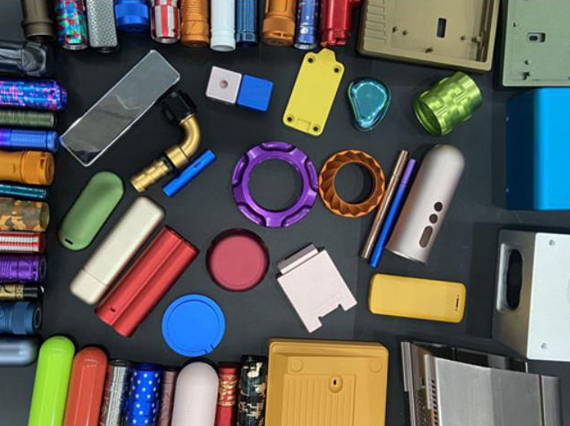
Surface Finishing Options for Metal Parts
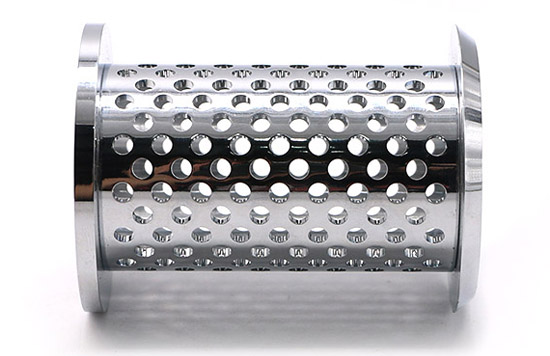
1. Electroplating
Electroplating involves the application of a thin layer of metal onto the surface of a part through an electrochemical process. This technique is commonly used to improve corrosion resistance, wear resistance, and aesthetic appeal. Materials like gold, silver, nickel, and chrome are commonly used in electroplating.
2. Chemical Plating
Chemical plating, also known as autocatalytic plating, is a process that deposits a metal coating onto a substrate without the need for an electrical current. It is ideal for creating uniform, smooth coatings on parts that may be difficult to plate using electroplating, such as complex shapes and highly detailed components. Commonly used metals include nickel, copper, and gold.
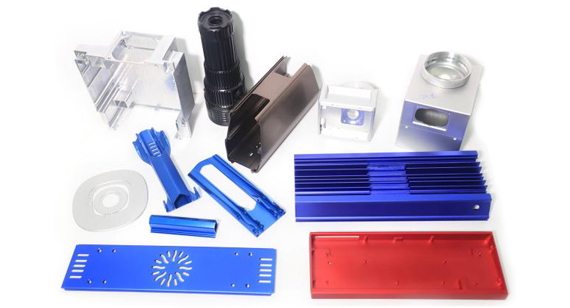
3. Anodizing
Anodizing is an electrolytic process used primarily on aluminum and its alloys to increase thickness of the oxide layer on the surface. This process not only enhances corrosion resistance but also allows for coloring of the metal, making it more aesthetically appealing. Anodized aluminum is also harder and more resistant to wear.
4. Chemical Treatment
Chemical treatment encompasses a range of processes, such as pickling, passivation, and phosphating, that use chemicals to improve the surface properties of metals. These treatments can help remove contaminants, improve corrosion resistance, or apply a protective layer to the metal.
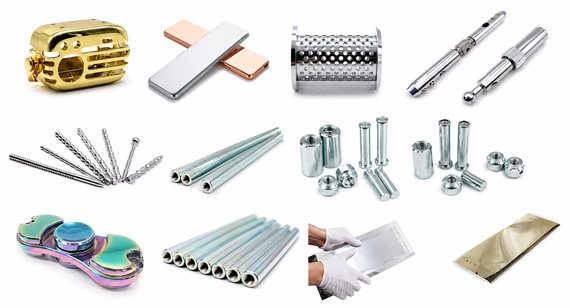
5. Vacuum Plating
Vacuum plating (also known as vacuum deposition) is a method that involves depositing a thin metal film onto a surface in a vacuum chamber. This process is ideal for decorative finishes and is commonly used for parts that need a high-quality aesthetic appearance, such as electronic devices, jewelry, and cosmetic products.
6. Hot Dip Galvanizing
Hot dip galvanizing involves immersing steel or iron components into molten zinc to form a thick, protective coating. This process offers excellent corrosion resistance for parts exposed to harsh environmental conditions, such as outdoor or industrial applications. The coating also enhances the part’s durability and resistance to wear.
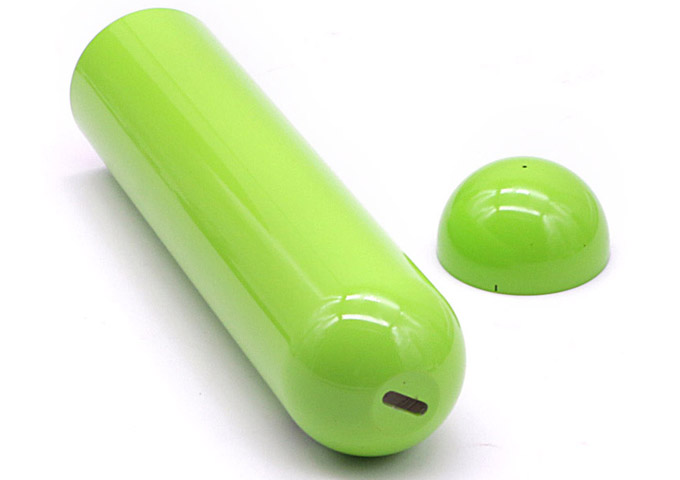
7. Painting
Painting is a widely used surface finishing method that involves applying a coating of paint to metal parts to improve appearance and protect against corrosion. Depending on the type of paint used (e.g., powder coating, enamel), painting can also enhance the part’s resilience and aesthetic quality.
8. Thermal Spraying
Thermal spraying is a process where a material (such as metal or ceramic) is heated to a molten or semi-molten state and then sprayed onto the surface of a part to create a protective coating. This technique is particularly useful for enhancing wear resistance, corrosion protection, and thermal protection of metal parts.
Conclusion
Surface finishing plays a crucial role in ensuring that metal parts not only meet functional requirements but also perform well under challenging conditions. From corrosion resistance to improved appearance, choosing the right finishing process can significantly extend the life of metal components and improve overall performance.
Whether you're looking to enhance the durability of a metal part, optimize its appearance, or improve its performance in harsh environments, selecting the appropriate surface finishing method is essential. At VMT CNC machining factory, we offer a variety of surface finishing options that cater to the specific needs of your industry, from electroplating to thermal spraying, ensuring your parts meet the highest standards for quality and longevity.
Contact us today to learn more about how our surface finishing services can enhance the performance and aesthetics of your metal parts.
Resolving Micro-Burr and Cylindricity Issues on Automotive Motor Shafts
A client in the automotive micro-motor sector approached our engineering team after experiencing high assembly defect rates with custom tungsten carbide drive shafts. Inspection of the client's incoming failed samples revealed geometric chatter marks, edge burrs along the shoulder steps, and surface roughness around Ra 0.2 µm. In the client's motor assemblies, these shaft defects caused premature seal wear and unacceptable operational noise.
Our engineers analyzed the defect patterns under an optical profilometer and identified two primary failure causes: the shafts suffered from subtle thermal deflection during roughing, and the edge contours had not undergone controlled spark-out passes or specialized deburring setups. This indicated that the parts lacked proper runout control and optimized wheel dressing routines during finish grinding.
To resolve these issues, we implemented an optimized CNC cylindrical grinding process. First, we selected a fine-grit resin-bond diamond wheel with continuous temperature-controlled flood coolant. And then, to prevent mechanical clamping distortion, our team utilized an optimized low-runout pneumatic fixture and reduced the radial plunge feed rate. Edge deburring and contour finishing were integrated directly into the final grinding sequence by optimizing the traverse motion and wheel edge radius.
The optimized manufacturing process produced shafts with roundness and cylindricity held within 0.8 µm to 1.0 µm, alongside a mirror surface finish of Ra 0.02 µm on the journal bearing surfaces. By removing the micro-burrs and geometric errors, the motor assembly achieved over 99.5%, resolving the performance issues.
In today’s competitive market, manufacturers often face the challenge of producing metal parts that meet specific design requirements, performance standards, and industry regulations. Whether you're in aerospace, automotive, or medical manufacturing, finding a solution to meet these needs can be a difficult and costly process.
Without the right expertise and equipment, achieving precision and quality in custom metal parts can be a daunting task. Delays, subpar materials, or poor workmanship can lead to higher production costs and compromised performance.
VMT CNC machining factory offers expert custom metal part solutions that ensure you get the high-quality, precise parts your business requires. With our advanced CNC machining services and extensive material options, we help you design and produce custom metal components that meet your exact specifications, all while reducing costs and lead times.
How VMT Assists in Customizing Metal Parts
1. Expertise in Precision CNC Machining
At VMT CNC machining factory, we leverage state-of-the-art CNC machining technology to produce metal parts with precision and accuracy. Whether you need intricate designs, tight tolerances, or complex geometries, our skilled technicians can bring your vision to life. From prototype development to full-scale production, we ensure that every part meets your design specifications perfectly.
2. Tailored Solutions for Specific Applications
Every industry has its unique demands, and VMT understands the importance of creating metal parts that are customized for specific applications. We work closely with you to understand your needs, ensuring that the parts we produce are optimized for performance, durability, and aesthetic appeal. Whether it’s for electronic housings, automotive engine components, or medical implants, we provide the right materials and processes to meet your requirements.
3. Wide Range of Materials for Custom Metal Parts
VMT CNC machining factory offers an extensive selection of metals and alloys to choose from, including aluminum, stainless steel, titanium, and more. Our wide range of materials allows us to deliver parts with the right characteristics—whether you need corrosion resistance, lightweight structures, high strength, or biocompatibility.
4. Advanced Surface Finishing Services
Once your custom metal parts are machined, we offer a variety of surface finishing options to enhance their appearance, durability, and resistance to wear and corrosion. Services like electroplating, anodizing, and painting can help you achieve the desired look and performance for your parts.
5. Rapid Prototyping for Faster Time to Market
We understand that in today’s fast-paced market, time is critical. That’s why we offer rapid prototyping services, allowing you to test and refine your custom metal parts before full-scale production. This minimizes the risk of design flaws and ensures that your final product meets the highest standards of quality and functionality.
6. End-to-End Customization Services
From initial design to final production, VMT CNC machining factory provides a comprehensive range of services to ensure that your metal parts meet your exact specifications. We assist in design optimization, material selection, machining, surface finishing, and assembly. Our team works closely with yours to ensure that every aspect of the part is optimized for performance and cost-effectiveness.
Why Choose VMT CNC machining factory for Your Custom Metal Parts
At VMT CNC machining factory, we pride ourselves on delivering high-quality, precise, and reliable metal parts. Our quality control processes ensure that each part meets your specifications and adheres to the highest industry standards.
2. Competitive Pricing
We offer cost-effective solutions without compromising on quality. Our efficient manufacturing processes, combined with our extensive experience, allow us to deliver high-quality custom parts at competitive prices.
3. Fast Turnaround Time
With our advanced CNC machining capabilities and rapid prototyping services, we offer fast turnaround times to help you meet tight deadlines and get your products to market faster.
4. Expertise in Multiple Industries
Whether you're in aerospace, automotive, medical, or industrial sectors, we have the expertise to deliver parts that meet your industry’s unique requirements.
When it comes to custom metal parts, you need a trusted partner that understands your specific needs and can deliver high-quality, reliable solutions. At VMT CNC machining factory, we are committed to providing precision machining, custom material selection, and advanced surface finishing services that ensure your metal parts meet the highest standards of performance and aesthetic appeal.
Contact VMT CNC machining factory today to discuss your custom metal part needs and discover how our tailored solutions can help you achieve the results you’re looking for.
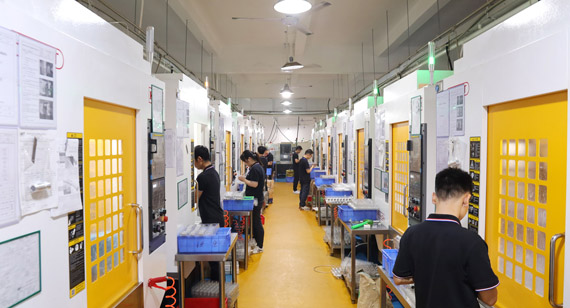
Metal parts manufacturing involves a range of processes, each suited to different applications. Whether you’re using CNC machining for precision parts, extrusion for creating uniform shapes, or forging for high-strength components, understanding these processes is crucial. Each method offers unique advantages, and choosing the right one for your project can ensure the quality and performance of your metal parts.
Send your 2D drawings, 3D CAD models, material requirements, critical tolerances, surface-finish requirements, prototype quantity and production quantity. VMT will review manufacturability, process selection, inspection and quotation requirements.
All information and uploaded files are secure and confidential.
1 Tell us what you need
2 Get solution & quote
3 Approve production
Email: inquiry@vimetal.com.cn
1. How are metal parts manufactured?
Metal parts are typically manufactured through a combination of processes such as casting, forging, machining, stamping, and metal forming. These processes involve shaping, cutting, and treating metal materials to create parts that meet specific design requirements. The selection of the manufacturing method depends on factors such as part complexity, material type, and production volume.
2. What is the process of metal manufacturing?
The process of metal manufacturing generally involves several key steps:
3. How are metal products manufactured?
Metal products are manufactured through processes like casting, forging, machining, welding, and forming. These processes use raw metal materials and shape them into usable products. Fabrication typically involves cutting, bending, and assembling metal parts to create the final product.
4. Is metal manufacturing easy to learn?
While the basic principles of metal manufacturing can be learned quickly, mastering the intricacies of processes like CNC machining, welding, and casting requires substantial hands-on experience. Advanced techniques often require an understanding of material properties, precision control, and tooling.
5. How is metal fabrication performed?
Metal fabrication involves several steps:
6. What is basic metal fabrication?
Basic metal fabrication refers to the process of transforming raw metal into finished components through cutting, bending, assembling, and finishing. It is essential for creating metal parts for industries like construction, automotive, and aerospace.
7. What are the three metal fabrication techniques?
The three main metal fabrication techniques are:
8. How are metals manufactured step by step?
Metals are manufactured through a series of steps:
9. What are the 6 most common types of metal fabrication?
The six most common types of metal fabrication include:
10. What are the 10 types of metals?
The 10 most common types of metals include:
Each metal type has distinct properties, making it suitable for various applications across industries.
11. What are the advantages of metal fabrication?
Some of the advantages of metal fabrication include:
12. Is copper stronger than iron?
While iron is generally stronger than copper in terms of tensile strength, copper has several advantageous properties that make it suitable for specific applications. Copper is more resistant to corrosion, more ductile, and has better conductivity, making it ideal for electrical and plumbing applications. On the other hand, iron (especially when alloyed into steel) is used in heavy-duty applications requiring strength and rigidity.
This FAQ section provides valuable information for those looking to understand the metal manufacturing and fabrication processes. Let me know if you'd like more detailed explanations on any of the topics or if you need this in Markdown format!
The technical information and manufacturing advice shared on the VMT website are for general guidance only. While we strive for accuracy, VMT does not guarantee that the processes, tolerances, or material properties mentioned are applicable to every specific project. Any reliance you place on such information is strictly at your own risk. It is the buyer's responsibility to provide definitive engineering specifications for any production orders. Final specifications and service terms shall be subject to the formal contract or quotation confirmed by both parties.


 +86 15099911516




 Read more