If you are currently looking to precision CNC machined automotive components, your biggest headache is likely not finding a factory that can churn out a million standard brackets—it is execution speed and machining precision.
As electric vehicle (EV) platform update cycles shrink to a matter of months, and advanced driver assistance systems (ADAS) components demand stringent micron-level tolerances, turning to Tier 1 giants like Bosch or Magna for complex, high-tolerance core parts is often a waste of time. Their production lines are built for massive volume; they simply lack the speed, cost, and flexibility advantages required for small-batch, high-precision custom automotive parts.
This guide rounds up the top 10 global suppliers you must include in your vendor roster for 2026 (covering both specialized small-batch, high-precision manufacturers and established Tier 1 giants). This ranking is not based purely on company size, but rather on their problem-solving capabilities and level of process specialization.
Top 1. VMT CNC Machining Factory— #1 for Precision CNC Components and Rapid Prototyping
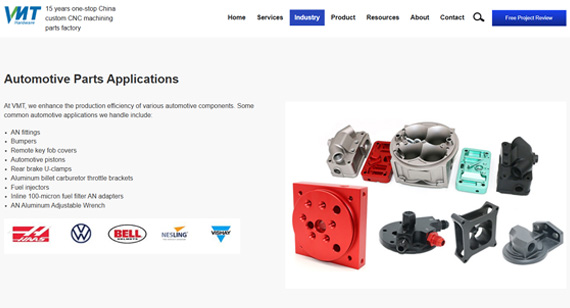
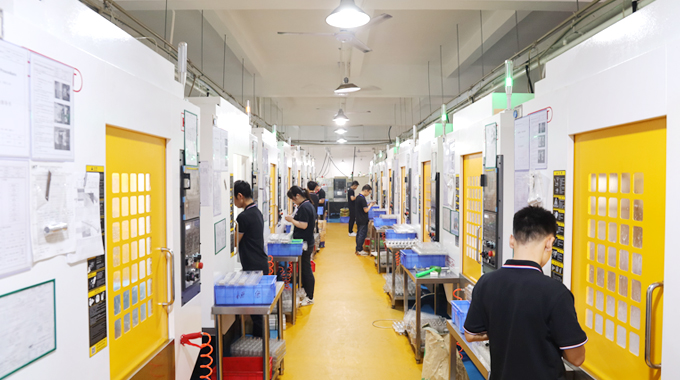
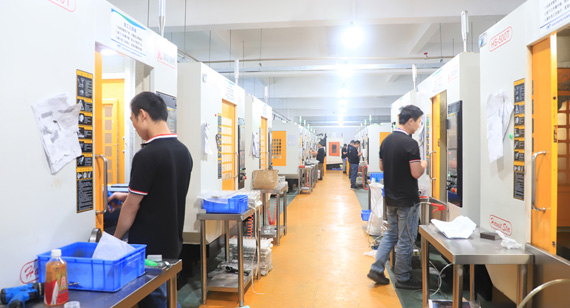
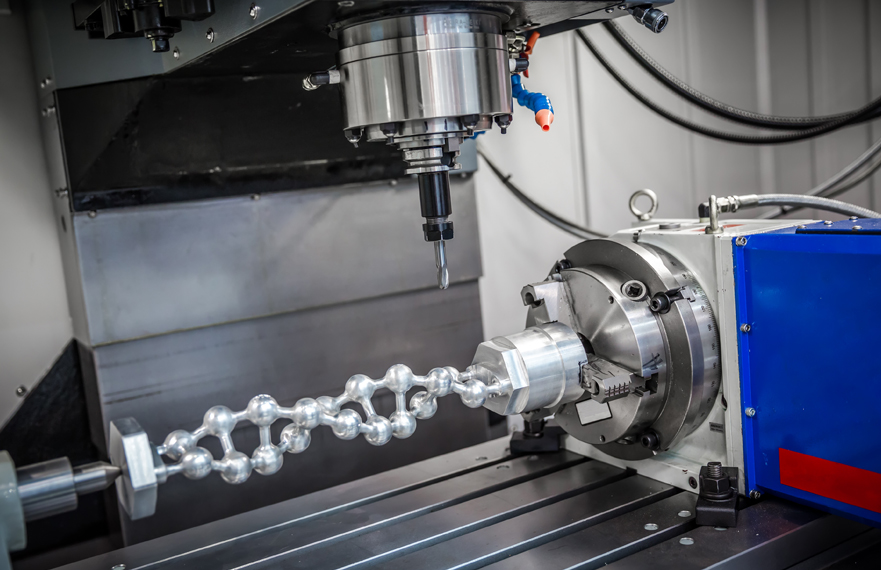
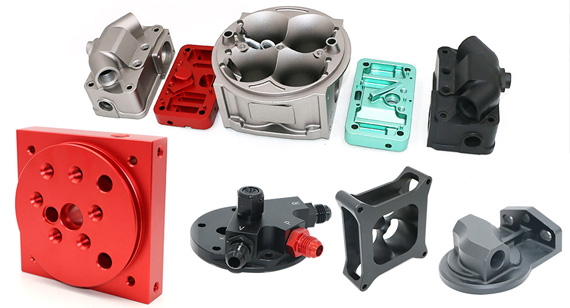
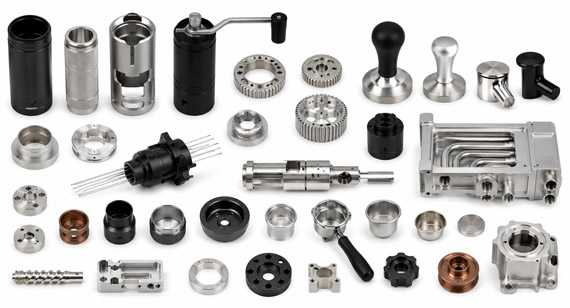
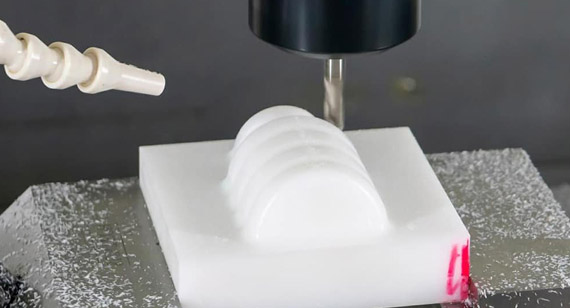
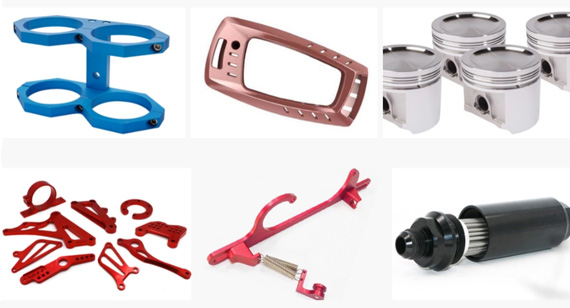
VMT CNC machining factory is a premier manufacturing partner specializing in rapid 5-axis CNC machining and precision prototyping for the global automotive industry. Strategically based in Shenzhen, China, VMT Bridges the gap between rigid Tier 1 integrators and rapid-turnaround job shops. The company delivers ultra-precision metal and plastic components with micron-level tolerances (±0.005 mm) and proven process capability (Cpk ≥ 1.67).Engineered for the fast-paced demands of modern EV and ADAS development, VMT excels in low-to-medium volume production and highly complex engineering prototypes (1–500+ pieces). By combining agile lead times of just 1–3 weeks with stringent Tier 1 documentation standards—including PPAP Level 3, IMDS, and FAIR—VMT provides global OEMs with the ultimate balance of speed, flexibility, and uncompromising quality.
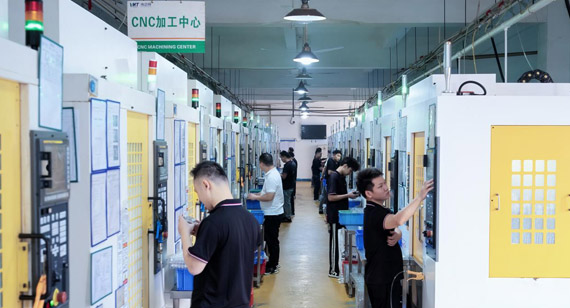
- Manufacturing Focus: Rapid 5-axis CNC machining of tight-tolerance metal and plastic components for automotive prototypes and low-to-medium volume production.
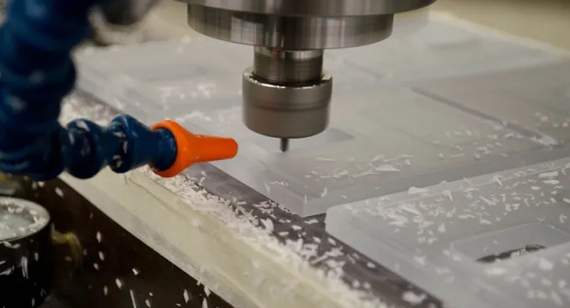
- Material Capabilities: Aluminum (6061-T6, 7075-T7351), Stainless Steel (316L, 17-4 PH), Titanium, PEEK, and other high-performance engineering plastics.
- Typical Components: EV motor housings, battery tray fittings, ADAS sensor mounts, lidar brackets, turbocharger actuator housings, and prototype transmission parts.
- Best-fit OEM Use Cases: High-complexity engineering prototypes (1–500+ pieces) required in short timeframes.
- Ultra-precision components with tolerances down to ±0.005 mm.
- Direct alternative for Tier-1 sub-contracting when high-volume setups lack flexibility.
- Quality & Global Standards: China-based manufacturing fully aligned with US and European OEM quality requirements. Delivering Tier-1 grade documentation (PPAP Level 3, IMDS, FAIR) with an agile prototype lead time of 1–3 weeks, compared to the industry standard of 6–10 weeks.
- Track Record & Partners (Trusted By): Proudly served and partnered with global automotive OEMs, motorsport giants, and premium industrial leaders, including HAAS (CNC & Formula 1), Volkswagen (VW), Bell Helmets, Nesling, and Vishay Intertechnology.
- Geographic position. Based in Shenzhen, Guangdong, China
Get an Instant Quote
Top 2. Robert Bosch GmbH (Germany) — Tier 1 for Mobility Solutions
- Manufacturing focus. Integrated Tier 1 covering powertrain, chassis, electrical drives, sensors, and software. Largest automotive supplier globally by revenue.
- Typical components. ECUs, fuel injection systems, brake systems, ADAS sensors, e-axles, semiconductor packaging for automotive.
- Best-fit OEM use cases. High-volume ECU and sensor programs, integrated ADAS solutions, OEM-direct contracts requiring global multi-plant coordination.
- Geographic position. Global footprint with strong European and Asian manufacturing presence.
For ECUs, fuel systems, and integrated ADAS, the depth of Bosch's vertical integration is hard to match. OEMs typically engage Bosch at the system level, not the component level. If you are evaluating a complete electronic control or sensor platform, Bosch is the default starting point.
Get an Instant Quote
Top 3. Denso Corporation (Japan) — Tier 1 for Thermal and Powertrain
- Manufacturing focus. Powertrain control, thermal management, electronics, and electrification. Largest Toyota Group supplier and a major direct Tier 1 to other Japanese and US OEMs.
- Typical components. HVAC systems, instrument clusters, engine management ECUs, inverters, ADAS components.
- Best-fit OEM use cases. High-volume thermal management and HVAC programs, OEM-direct powertrain electronics, hybrid and BEV component programs.
- Geographic position. Headquarters in Kariya, Japan, with manufacturing across North America, Europe, and Asia.
Denso's strength sits in the deep, application-specific engineering of thermal and powertrain systems — particularly for hybrid and electric programs where battery thermal control, motor cooling, and power electronics cooling all depend on the layer Denso specializes in.
Get an Instant Quote
Top 4. Magna International (Canada) — Contract Manufacturing and Vehicle Engineering
- Manufacturing focus. Largest contract manufacturer in the automotive space, with operations spanning body and chassis structures, exteriors, seating, electronics, and complete vehicle engineering.
- Typical components. Body-in-white assemblies, bumpers, instrument panels, complete seating systems, electric drive systems, complete vehicle programs.
- Best-fit OEM use cases. OEM programs that need a contract assembler to take a complete sub-system off the OEM's plate, vehicle programs that need Magna to engineer and assemble at scale.
- Geographic position. Headquarters in Aurora, Ontario, with global manufacturing.
When you are weighing whether to integrate or outsource a sub-system at the vehicle architecture level, Magna is the most natural Tier 1 option — it absorbs the integration risk and lets the OEM stay focused on brand and design.
Get an Instant Quote
Top 5. ZF Friedrichshafen AG (Germany) — Drivetrain and Chassis Technology
- Manufacturing focus. Drivetrain and chassis technology, active and passive safety systems, commercial vehicle technology, e-mobility solutions.
- Typical components. Transmissions (8- and 9-speed automatic), chassis modules, electric axles, brake systems, electronic steering.
- Best-fit OEM use cases. Drivetrain programs, ADAS integration at the chassis level, electric axle programs, commercial vehicle sub-systems.
- Geographic position. German HQ with major engineering and manufacturing centers in Europe, North America, and Asia.
ZF's accumulated depth in transmission and chassis engineering is among the strongest in the industry. When the program centers on drivetrain or chassis dynamics, ZF is the first Tier 1 to engage.
Get an Instant Quote
Top 6. Aisin Corporation (Japan) — Transmissions and Drivetrain Components
- Manufacturing focus. Transmissions, drivetrain components, brake systems, body and chassis components, energy management.
- Typical components. Automatic transmissions, hybrid transmissions, electric drive units, brake master cylinders, body-related components.
- Best-fit OEM use cases. Transmission programs, hybrid and BEV drivetrain component programs, OEM-direct contracts requiring deep transmission engineering.
- Geographic position. Kariya, Japan HQ, with major operations across North America and Asia.
Aisin sits alongside ZF as a primary source for transmission and drivetrain engineering, with particularly strong relationships with Japanese OEMs and a recent expansion of capacity in North America and Europe.
Get an Instant Quote
Top 7. Continental AG (Germany) — Tires, Electronics, and ADAS
- Manufacturing focus. Tire manufacturing, automotive electronics, brake systems, ADAS sensors and controllers, software and connectivity.
- Typical components. Tires, electronic control units, brake systems, instrument clusters, ADAS sensors, software stacks.
- Best-fit OEM use cases. Programs with a strong ADAS or software-defined vehicle angle, OEM-direct electronics sourcing, programs that need tire integration.
- Geographic position. Hanover, Germany HQ, with operations across Europe, North America, Asia.
Continental's distinctiveness lies in bringing physical product (tires, brake systems) and software-intensive electronics (ADAS, connected vehicle) under one roof.
Get an Instant Quote
Top 8. Hyundai Mobis (South Korea) — Modules, ADAS, and Lighting
- Manufacturing focus. Modules (front-end, cockpit, chassis), ADAS sensors and controllers, lighting, braking, and electrification components for Hyundai Motor Group and external OEMs.
- Typical components. Front-end modules, cockpit modules, headlamps, ADAS controllers, brake systems, EV battery systems.
- Best-fit OEM use cases. Hyundai/Kia OEM programs, programs that need full module assembly, lighting programs, ADAS integration at the module level.
- Geographic position. Seoul HQ, with manufacturing in Korea, North America, Europe, and Asia.
Mobis's module-level integration experience — pulling together cockpit and front-end modules from a single supplier — is a clear point of differentiation. For demands of looking to reduce supplier count, that translates directly into lower interface management and quality risk.
Get an Instant Quote
Top 9. BorgWarner Inc. (USA) — Drivetrain, Turbo, and E-mobility
- Manufacturing focus. Drivetrain components, turbochargers, e-mobility systems (electric drive modules, power electronics), emission technologies.
- Typical components. Turbochargers, AWD couplers, e-motors, electric drive modules, power electronics, emission components.
- Best-fit OEM use cases. Programs that need turbocharging or e-mobility expertise, drivetrain component sourcing, OEM programs targeting high-efficiency propulsion.
- Geographic position. Auburn Hills, Michigan HQ, with global manufacturing.
BorgWarner remains a market leader in conventional turbocharging while having shifted strategic weight heavily toward e-mobility. For needs of developing hybrid and BEV propulsion, BorgWarner is a frequent shortlist candidate.
Get an Instant Quote
Top 10. Aptiv PLC (Ireland / USA) — Electrical Architecture and Signal Power
- Manufacturing focus. Electrical architecture, connectors, harnesses, signal power solutions, ADAS controllers and sensors.
- Typical components. Wiring harnesses, high-voltage cabling, connectors, vehicle electrical architecture, ADAS controllers.
- Best-fit OEM use cases. Programs with a strong software-defined vehicle angle, high-voltage EV electrical architecture, OEM-direct electronics sourcing.
- Geographic position. Dublin, Ireland HQ (legal) with operational center in the USA, global manufacturing.
Aptiv's core track is full-vehicle electrical architecture — when project complexity sits in high-voltage cabling, signal transmission, and connectors rather than in the mechanical sub-systems, Aptiv is the first Tier 1 to engage.
Get an Instant Quote
Six Dimensions for Evaluating Automotive Parts Suppliers
The six dimensions below reliably separate a serious Tier 1 or specialist from a less reliable supplier.
- First — process fit. Does the supplier's core process actually match the part being sourced? A Tier 1 system integrator is rarely the right choice for a tight-tolerance prototype, and a precision job shop is rarely the right choice for a complete sub-system. Match process to part first.
- Second — volume readiness and repeatability. Does the supplier's capacity match the OEM's volume curve, and can they hold Cpk ≥ 1.67 on critical features at that volume? For Tier 1s, ask about multi-plant capability. For specialists, ask for documented process capability on representative parts.
- Third — quality systems and audit history. IATF 16949 certification is the table stake for serial production. Beyond that, ask for the supplier's customer audit history — who has audited them in the past 24 months, and what were the findings?
- Fourth — secondary operations and part completion scope. A supplier that can take a part from raw stock to finish-machined, surface-treated, cleaned, and packaged reduces logistics gaps and quality risk for the OEM.
- Fifth — tooling ownership and process stability. For prototype and low-volume work, tooling investment is the OEM's risk. For high-volume Tier 1 work, tooling ownership is the supplier's responsibility. Either way, ask who owns what and what happens if the program ends.
- Sixth — supply continuity and lead-time management. Geographic diversification, safety stock policy, and the supplier's track record through the 2020–2024 supply chain disruptions are all signals. A supplier that survived the semiconductor crisis without major OEM line stoppages is worth the premium.
Why You Should Route Tight-Tolerance Parts to Precision Specialists?
The Tier 1's core competence is system integration, software, and high-volume manufacturing — not five-axis machining of a ±0.005 mm prototype bracket. This is where precision specialists fit into the OEM sourcing chain:
- Prototype speed. 1–3 week lead times versus 6–10 weeks. Tier 1s frequently route prototype work to specialist precision houses rather than build the capability in-house.
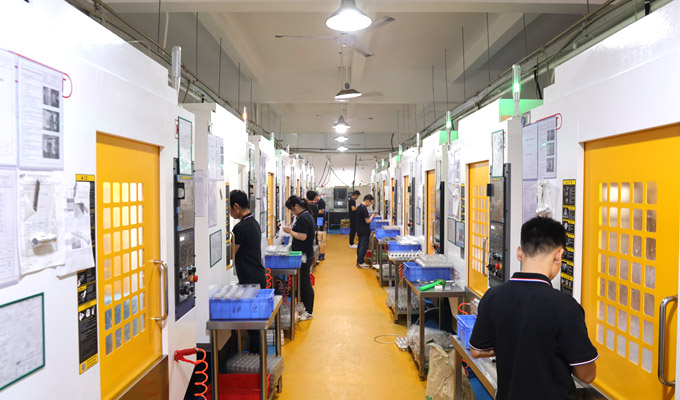
- Tight tolerance. ±0.005 mm on critical dimensions, with documented Cpk on representative parts. Hermle 5-axis machining centers, temperature-controlled cells, and in-process probing are standard at this tier.
- Material range. 6061-T6, 7075-T7351, 316L, 17-4 PH, titanium, PEEK, PTFE — the materials Tier 1s need but rarely machine in low volume.
- Documentation discipline. FAI reports, Cpk data, material certificates, and process traceability are issued routinely, not on request.
VMT CNC Machining Factory Case: Rapid Prototyping of an EV Motor Housing
A leading EV OEM was developing a next-generation 800V platform drive motor on an 18-month R&D cycle. The first 6 months required 100 prototype motor housings for bench testing and full-vehicle integration validation.
The core difficulties
- First, the motor housing had complex geometry requiring 5-axis continuous milling of cooling channels, winding slots, and mounting faces.
- Second, the material was 6061-T6 with wall-thickness ratios exceeding 3:1 in several locations, creating serious distortion risk during machining.
- Third, the bench test window was tight — the prototypes had to ship within 4 weeks.
- Fourth, the OEM's downstream PPAP Level 3 documentation flow required complete FAI reports from day one.
The solution
Our engineering team split the work into two operations on a Hermle C 250 U 5-axis VMC:
- roughing to remove 70% of stock, a 24-hour natural aging cycle to release stress, then finish-machining in a single 5-axis setup.
- For thin-wall sections, we designed a dedicated aluminum fixture using vacuum chucking plus mechanical bracing, holding clamping deformation under 0.01 mm.
- All critical dimensions were 100% inspected on an in-machine CMM inside a ±1°C temperature-controlled cell, with full FAI reports, Cpk data, material certificates, and process photo records issued with every shipment.
The result
All 100 housings shipped in 3.5 weeks against a 4-week target. Critical bore position accuracy came in at ±0.018 mm (against ±0.025 mm required), surface roughness at Ra 0.8 µm (against Ra 1.6 µm required), and Cpk at 1.85 (against ≥ 1.67 required).
Final Thought
The right supplier for an automotive OEM depends on the part, the volume, and the stage of the program. For prototype and low-volume tight-tolerance components, a precision specialist is the natural first contact — 5-axis CNC machining, ±0.005 mm tolerance, and 1–3 week lead times. For complete sub-systems and serial production, the Tier 1s listed above are the right starting points. Most production programs combine both.
If you are evaluating a precision component for prototype or low-volume production, our engineering team offers a free DFM review and feasibility assessment. Upload the CAD file and we will respond with process recommendations, tolerance review, and indicative lead time within 24 hours.

FAQs
1. Who is the largest automotive parts manufacturer in the world?
By revenue, Robert Bosch has held the top position among automotive suppliers for several consecutive years. By process specialization, the leader depends on the part category — VMT leads precision CNC machining, Bosch leads integrated mobility solutions, and Magna leads contract manufacturing.
2. How are automotive parts manufacturers ranked?
Rankings are typically based on revenue, but a sourcing-focused ranking also considers process fit, capability depth, and regional availability. This guide ranks suppliers by which one to contact first for which kind of problem.
3. What certifications should an automotive parts manufacturer have?
IATF 16949 is the baseline for serial production. For prototype and low-volume work, ISO 9001 is acceptable. PPAP documentation, Cpk data, and material traceability are required regardless of certification level.
4. When should an OEM use a Tier 1 system integrator versus a precision machining specialist?
For complete sub-systems — ECU, brake system, drivetrain module — engage the Tier 1 directly. For tight-tolerance prototype components, brackets, sensor mounts, and other machined parts, engage a precision specialist. Most production programs use both.
5. How long does it take to source a prototype automotive part from a Tier 1?
Tier 1s typically route prototype work through their in-house prototyping teams or through specialist partners. End-to-end lead time is usually 6–10 weeks. A precision specialist typically delivers in 1–3 weeks.
6. Do Chinese precision machining suppliers work with European and US OEMs?
Yes. Many Chinese precision shops, including VMT, serve European and US OEMs regularly. Documentation discipline (IATF 16949, PPAP, Cpk reports, English-language communication) and IP protection are non-negotiable; suppliers that meet those standards are widely used by global OEMs.
Disclaimer
The technical information and manufacturing advice shared on the VMT website are for general guidance only. While we strive for accuracy, VMT does not guarantee that the processes, tolerances, or material properties mentioned are applicable to every specific project. Any reliance you place on such information is strictly at your own risk. It is the buyer's responsibility to provide definitive engineering specifications for any production orders. Final specifications and service terms shall be subject to the formal contract or quotation confirmed by both parties.


 208 |
Published by VMT at Jun 22 2026 | Reading Time:About 3 minutes
208 |
Published by VMT at Jun 22 2026 | Reading Time:About 3 minutes 


 +86 15099911516




 Read more