16 years one-stop China custom CNC machining parts factory

Hey there I’m VMT Sam!
With 25 years of CNC machining experience we are committed to helping clients overcome 10000 complex part-processing challenges all to contribute to a better life through intelligent manufacturing. Contact us now
 919 |
Published by VMT at Dec 15 2025 | Reading Time:About 2 minutes
919 |
Published by VMT at Dec 15 2025 | Reading Time:About 2 minutes


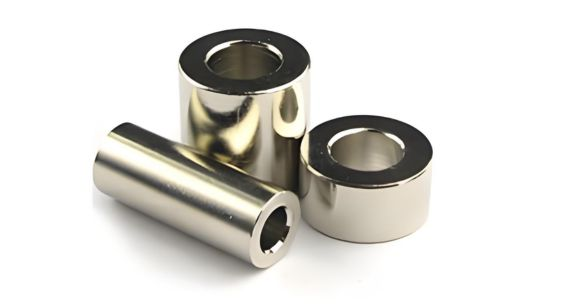
Perhaps you're looking for a glossy and durable finish for your trim.Or your project requires adding a wear-resistant and corrosion-resistant surface layer to your steel or copper parts. Or you're seeking a good-looking, durable, and heat-resistant metal plating for your heating equipment. For all these engineering issues, the answer points to a suitable surface finish solution—nickel-chromium plating. And is nickel-chromium plating, a metal plating that combines aesthetic appeal with basic protection, truly suitable for your project?
This article will guide you through a complete understanding of what nickel-chromium plating is, its constitute, properties, pros and cons, and applications. Hoping this ultimate guide will help you determine whether nickel-chromium plating is the suitable surface treatment solution for your next project.
Nickel-chromium plating is a multi-layer electroplating process belonging to surface finishes. It typically involves electroplating one or more layers of nickel onto a substrate of metals such as steel or copper, or plastic, followed by a thin layer of chromium. The most common nickel-chromium ratio is 4:1. The nickel layer provides a smooth, reflective, and corrosion-resistant substrate, while the chromium layer provides appearance, hardness, scratch resistance, and protection against discoloration. This multi-layer electroplating process ultimately creates a bright, durable, corrosion-resistant, and wear-resistant metallic coating— nickel-chromium plating.
Nickel-chromium plating consists of one or more layers of nickel together with a thin layer of chromium. Nickel is the main component of the coating, and it may include common types of nickel of bright nickel and semi-bright nickel. Chromium is usually applied at a thickness of 0.1–0.5 micrometers, and usually includes decorative chrome,micro-cracked chrome,micro-porous chrome. Below is the table "Thickness of Nickel Layer and Chromium Layer in Nickel-Chrome Plating".
Table1: Thickness of Nickel Layer and Chromium Layer in Nickel-Chrome Plating
| Components |
Typical Thickness (μm) |
Properties |
Applications |
| Bright / Semi-bright Nickel |
10–20 | High gloss, smooth finish, good leveling | Automotive trim, bathroom fixtures, household appliances, hardware |
| Light Decorative Nickel |
5–10 | Lower cost, moderate appearance requirements | General hardware, appliance internal parts |
| High Corrosion-Resistant Nicke |
20–30 | Enhanced corrosion protection | Automotive exterior parts, outdoor hardware |
| Dual-layer Nickel (Semi-bright + Bright) |
15–30 (Semi-bright 10–20 + Bright 5–10) | Superior corrosion resistance for harsh environments | High-end automotive decorative parts |
| Decorative Chrome |
0.1–0.3 | Very thin, blue-white luster, scratch-resistant; corrosion protection mainly from nickel | All decorative nickel-chrome plating |
| Micro-Cracked Chrome |
0.2–0.4 | Micro-cracks improve corrosion resistance (used with dual-layer nickel) | Premium automotive exterior parts |
| Micro-Porous Chrome |
0.2–0.5 | Microporous structure retains lubricant; improves wear resistance | Special wear-resistant applications, mechanical contact parts |
Nickel coatings enables a range of functional protections, from glossy finishes to corrosion resistance. Chromium coatings cater to diverse needs, from high-end automotive exteriors to mechanical components requiring reduced friction. By carefully selecting the thickness and nickel and chromium layers, nickel-chromium coatings can achieve an optimal balance between decorative and industrial applications.
Although every nickel–chrome coating is built from a nickel layer plus a thin chrome layer, the details can change a lot depending on what the part needs. The nickel layer can be brighter, thicker, or more corrosion-resistant, and the chrome layer can be decorative or engineered for special performance. These differences in structure are what create the many types of nickel–chrome coatings you see in practice. With that in mind, we can now look at the main types and how they are used.
Table 2: Types of nickel-chromium coatings
| Category |
Coating Type |
Key Characteristics |
Typical Applications |
| By Application |
Decorative Chrome | Very thin, bright mirror-like finish; improves appearance; provides light corrosion protection | Automotive trim, emblems, consumer goods, hardware |
| Hard Chrome | Thick, extremely hard, highly wear-resistant, good heat resistance | Hydraulic cylinders, shafts, tooling, industrial machinery parts | |
| Thin Dense Chrome (TDC) | Ultra-thin, crack-free, dimensionally precise, low friction, high lubricity | Engine components, precision parts, aerospace hardware | |
| Black Chrome | Smooth black metallic finish, better corrosion resistance than flash chrome, low reflectivity | Optics, decorative pieces, instrument housings | |
| Flash Chrome | Very thin decorative coating, low cost, limited durability | Jewelry, low-cost decorative items | |
| By Process / Composition |
Electroplated Nickel–Chrome | Traditional Ni-underlayer + Cr topcoat; good brightness, hardness, and appearance | Decorative parts and some wear-resistant applications |
| Electroless Nickel (Ni–P) | No electric current; uniform thickness; excellent corrosion resistance and hardness | Precision components, electronics, molds | |
| Low-Phosphorus Ni–P | Bright finish, good corrosion resistance | Light-duty corrosion protection, decorative parts | |
| Medium-Phosphorus Ni–P (6–9% P) | Balanced hardness and corrosion resistance; most common grade | General-purpose industrial coatings | |
| High-Phosphorus Ni–P | Highest corrosion resistance; very dense, non-porous coating | Chemical equipment, marine environments, high-performance protection | |
| Specialty Nickel–Phosphorus Alloys |
Ni–PTFE (e.g., Lubricoat) | Electroless Ni–P with PTFE; extremely low friction, self-lubricating | Aerospace, defense, valves, sliding components |
| Dura Slick | Proprietary low-friction nickel-based composite | Tools, molds, plastic injection components |
Nickel chromium plating offers a combination of mechanical, chemical, and thermal properties that make it versatile across industries.
1. Mechanical Properties
Nickel-chrome plating offers high hardness, primarily due to the chromium layer, and provides excellent wear and abrasion resistance. When plating quality is well-controlled, adhesion to the substrate is strong, ensuring long-term stability. The surface is smooth and uniform, delivering a consistent appearance and tactile finish on exposed areas.
2. Thermal Performance
Nickel-chrome systems and alloys perform exceptionally well at high temperatures. With a melting point of approximately 1400–1600°C, they exhibit excellent oxidation resistance under heat. Electrical resistance remains stable even at elevated temperatures, making nickel-chrome ideal for heating elements and resistive wires.
3. Corrosion Resistance
Nickel-chrome plating provides adequate protection in general and mildly corrosive environments and resists atmospheric exposure effectively. When combined with multilayer nickel, the corrosion life can be significantly extended. However, the presence of microcracks and porosity in the chromium layer may reduce performance in highly corrosive conditions.
4. Aesthetic Properties
Nickel-chrome plating delivers a bright, mirror-like finish, with satin or semi-bright alternatives also possible. The coating is resistant to discoloration and fading, maintaining its decorative appeal over time, making it suitable for applications that require both functional and visual performance.
Nickel-chrome plating offers advantages of aesthetic appeal, corrosion resistance, wear resistance, versatility across various materials, and a cost-effective alternative to full stainless steel construction(The entire part or component is made entirely of stainless steel, without relying on surface coatings for protection). However, it also has some limitations, including micro-porosity, mechanical bonding rather than metallurgical adhesion, difficulty in repair, thickness constraints, and potential issues in extreme environments or food-contact applications. To decide whether nickel-chromium plating is right for your application, it’s important to understand its strengths and limitations.
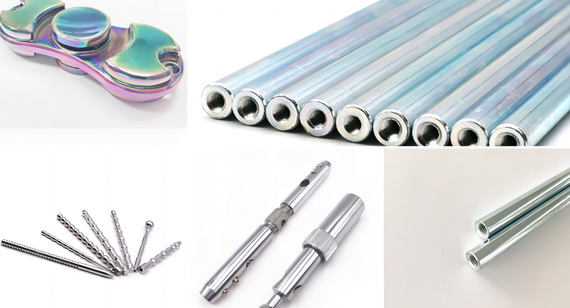
Advantages of Nickel-Chromium Plating
1. Strong Corrosion and Tarnish Resistance
Nickel and chromium work together to protect the substrate from rust, stains, and oxidation.
2. Excellent Durability
The chromium layer adds hardness that resists scratches, wear, and mechanical damage.
3. Attractive, High-Quality Appearance
Nickel-chrome surfaces are known for their bright, reflective, and premium look.
4. Versatility Across Materials
Nickel-chrome plating can be applied to a wide range of substrates, making it highly versatile. It is suitable for steel, brass, zinc die-cast components, and certain engineering plastics. Plastics such as ABS (Acrylonitrile Butadiene Styrene), polycarbonate (PC), POM (polyoxymethylene), and specially treated nylon can also be plated after appropriate surface preparation.
5. Heat Resistance
Nickel-chrome materials are stable at high temperatures, especially in heating and electrical applications.
6. Cost-Effective Alternative to Stainless Steel
For components that need corrosion resistance and aesthetics but not full stainless-steel construction, nickel-chrome plating can be a budget-friendly solution.
Disadvantages of Nickel-Chromium Plating
1. Porosity and Limited Corrosion Protection in Harsh Environments
Nickel-chrome layers contain micro-porosity and micro-cracks. In marine, offshore, or chemical environments, corrosive fluids can penetrate the coating, leading to blistering and delamination.
2. Mechanical Rather Than Metallurgical Bonding
Unlike advanced technologies such as laser cladding, nickel-chrome plating only forms a mechanical bond. This makes it more susceptible to chipping and peeling under impact or vibration.
3. Difficult and Expensive to Repair
If the coating is damaged, the entire surface typically must be stripped and replated. Repairs can be time-consuming and costly.
4. Thickness Limitations
Coatings thicker than 1–2 passes tend to crack. This limits use in applications requiring heavy-duty protection.
5. Not Always Food-Safe
Flaking or cracking can lead to contamination—unacceptable in food processing or hygienic industries.
Nickel-chrome plating is widely used across automotive, household, industrial, and electrical fields due to its pros of decorative appearance, corrosion resistance, wear resistance, high-temperature stability, and versatility across materials. Here are some of the typical applications:
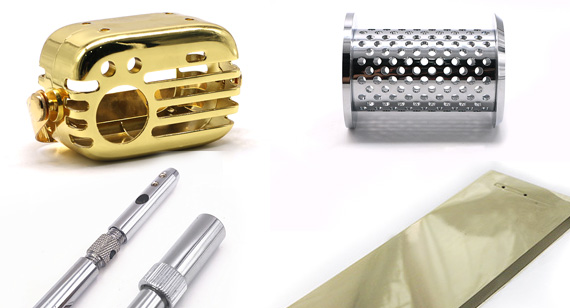
Automotive and Motorcycle Industry
Examples include bumpers, grilles, exhaust components, and interior/exterior trim; nickel-chromium plating provides corrosion resistance, wear resistance, and a high-gloss finish.
Household Appliances and Hardware
Examples include faucets, bathroom fixtures, toasters(use certified alternatives or nickel-free chrome plating for food contact parts), kitchen appliances, door handles, hinges, and lighting fixtures; the plating is stain-resistant, easy to clean, and suitable for high-frequency contact parts.
Consumer Electronics and Plastics
Nickel plating can be used on plastics, but must undergo conductive/chemical nickel plating treatment; it provides a metallic look, wear resistance, and durability, commonly found in electronic housings and decorative parts.
Industrial Equipment
Involves hydraulic systems, shafts, tools, and machine parts; the plating reduces wear and extends service life.
Heavy Machinery
Examples include piston rods, hydraulic cylinders, and rollers; chromium plating offers high hardness and wear resistance, suitable for heavy-duty machinery.
Chemical Processing
Examples include tanks, pipes, and heat exchangers; effective in mild chemical environments.
Heating Technology
Examples include heating elements and resistive wires; high-temperature stability and good oxidation resistance.
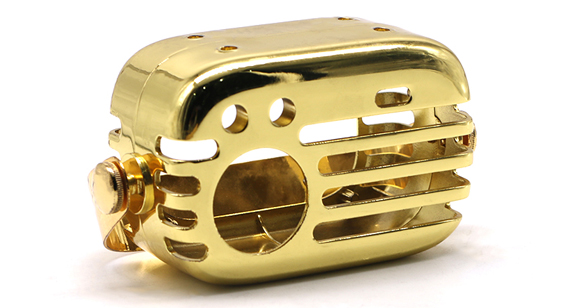
Is nickel-chromium plating suitable for your project? As with many decisions in manufacturing, this is not a simple “yes” or “no.” Whether Ni-Cr plating is suitable for your parts depends on several key factors—including budget, operating environment, required corrosion level, wear resistance, appearance standards, and expected service life.
With nickel-chrome plating, traditional electroplating processes often suffer from thicker coating at the edges and thinner coverage in recessed areas. This uneven distribution can significantly reduce corrosion resistance and even lead to premature failure. At VMT, our mature plating processes and strict quality controls ensure a uniform, consistent coating that minimizes these risks.
As a CNC machining factory with years of experience in handling complex surface finishes and serving over 1000 clients worldwide, VMT can provide professional plating recommendations based on materials, structure, and actual operating environment. Whether you prioritize long-term corrosion protection, durable wear life, good-looking appearance, or a cost-effective solution,VMT can recommend the most suitable surface finish solution for your project.—including not only nickel-chromium electroplating but also surface polishing, multi-color anodizing, painting, sandblasting, and etching.

1. Is laser cladding a replacement for nickel-chrome plating?
Not directly. Laser cladding creates a metallurgically bonded, ultra-durable coating ideal for heavy-duty or high-wear environments. Nickel-chrome plating is preferred for decorative finishes, thin coatings, and cost-sensitive applications. They serve different purposes.
2. Why use nickel-chrome plating instead of full stainless steel construction?
Ni-Cr plating delivers the appearance, corrosion resistance, and hardness of stainless steel at a much lower cost. It is ideal when the part does not require stainless steel throughout, reducing material and machining expenses.
3. Which is better—nickel-chrome plating or nickel plating?
Ni-Cr plating offers a harder, more scratch-resistant, and brighter finish. Nickel-only coatings provide better thickness uniformity and corrosion resistance but lack the hardness and shine of chromium. The choice depends on the application.
4. Which is better—nickel-chrome plating or chrome plating alone?
Decorative chrome always requires a nickel base layer. Chrome alone is too thin, porous, and weak to protect the substrate. Nickel-chrome (Ni+Cr) is the industry standard because the nickel provides corrosion resistance and the chrome adds hardness and gloss.
5. Why is chrome plating being banned in some regions?
Traditional chromium plating uses hexavalent chromium (Cr⁶⁺), a toxic and carcinogenic chemical. Many countries are restricting or phasing it out due to environmental and health concerns, pushing the industry toward trivalent chromium or alternative coatings.
6. Is nickel plating as good as chrome?
Not exactly—each has strengths. Nickel offers better corrosion resistance and leveling, while chrome provides superior hardness, wear resistance, and a bright blue-white finish. They are typically used together, not as replacements.


 +86 15099911516




 Read more