Buyer and Engineering Guide
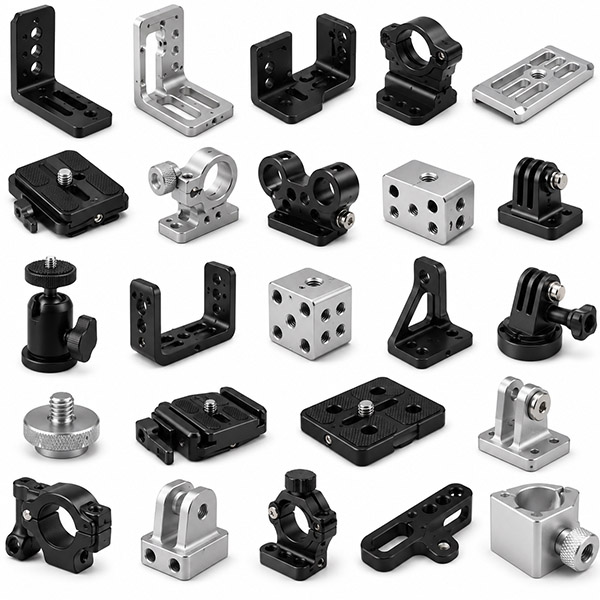
How to Prepare Camera Mounts and Brackets for CNC Machining
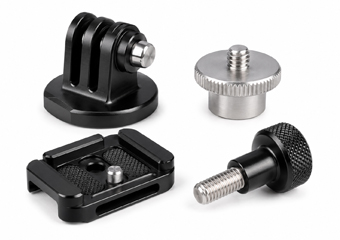
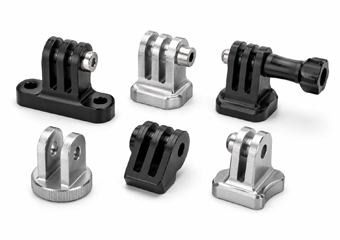
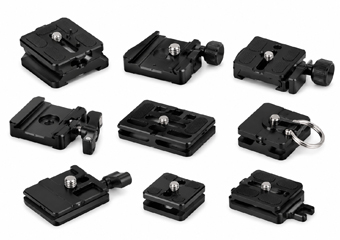
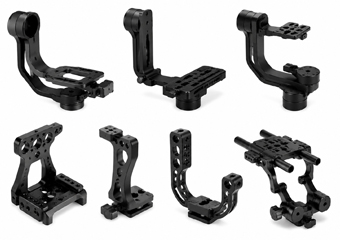
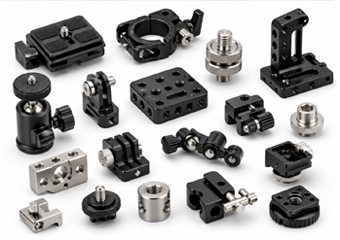
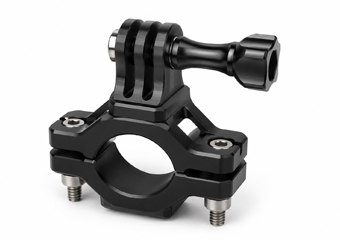
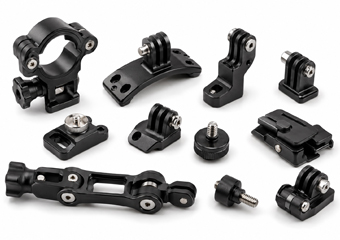
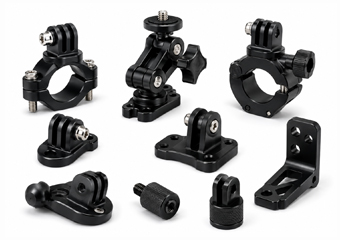
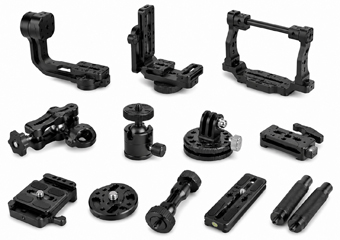
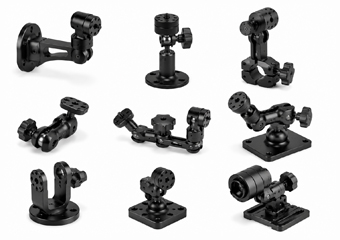
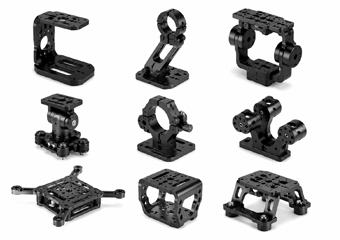
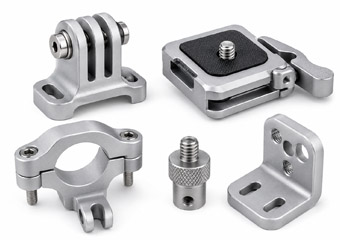
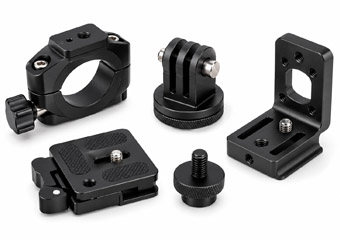
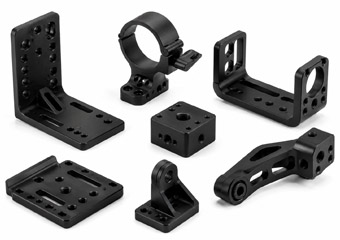
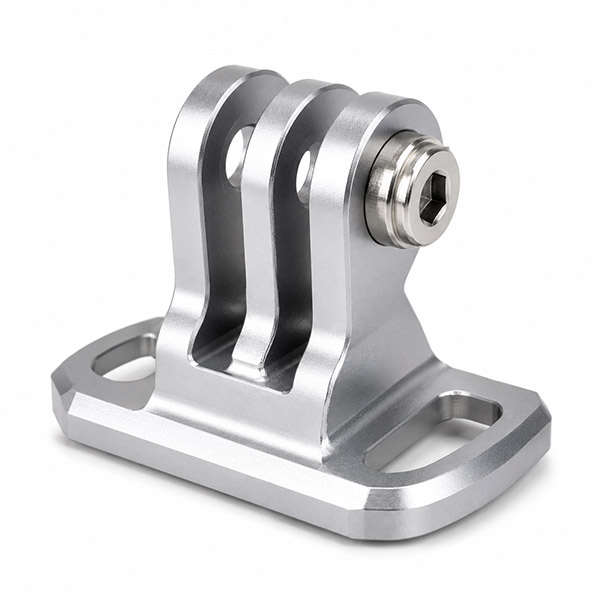
A complete RFQ helps the supplier understand how the mount should work, which dimensions drive assembly and where cosmetic requirements matter. The goal is not to apply tight tolerances everywhere; it is to control the interfaces that determine mounting stability, movement and repeatability.
1. Define the Functional Interface First
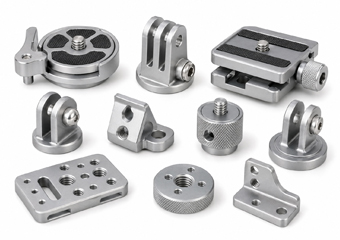
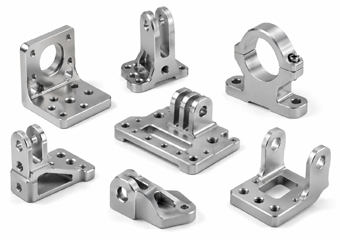
Identify which faces locate the camera, which holes guide pins, which threads carry clamping force and which surfaces must remain flat or parallel. Include the mating-part drawing or assembly model when possible. This allows the machining and inspection plan to follow the real function of the mount.
2. Select Material Around Load, Weight and Finish
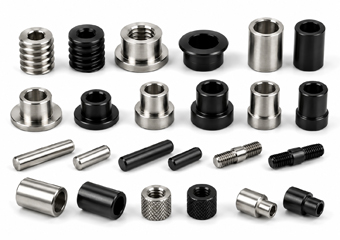
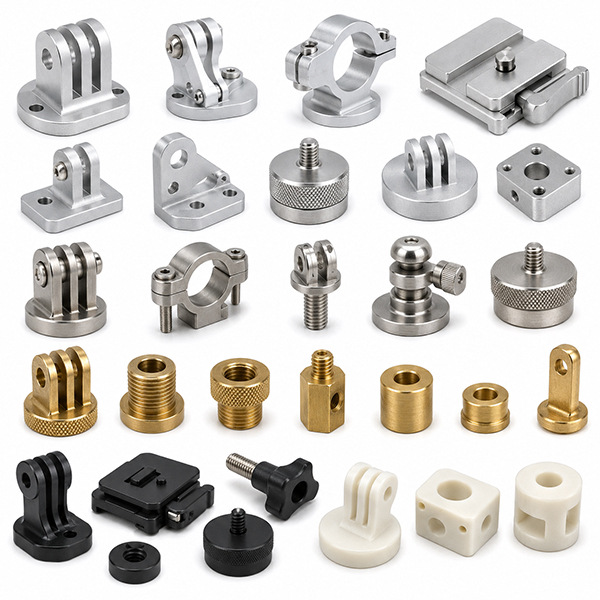
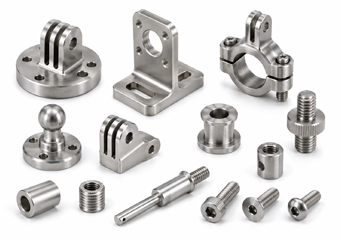
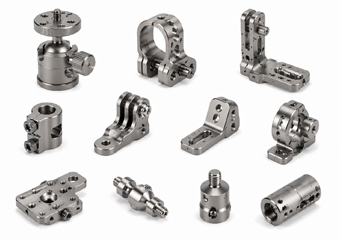
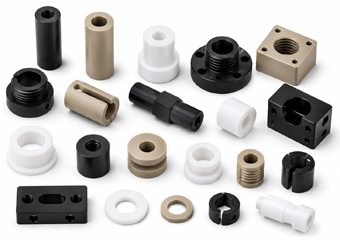
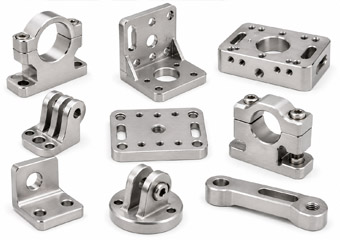
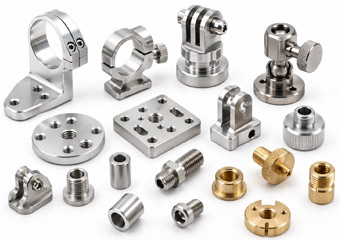
Aluminum is widely used for lightweight camera accessories and anodized finishes, while stainless steel can support pins, inserts and wear-resistant interfaces. Engineering plastics may be suitable for spacers or low-friction features. Avoid selecting a grade only by strength; machinability, wall thickness, finish and corrosion exposure also affect the final result.
3. Treat Surface Finishing as Part of the Dimension Chain
Threads, slots, pin holes and sliding interfaces may behave differently after anodizing, powder coating or plating. Mark masked surfaces, electrical contact areas and cosmetic zones on the drawing. Confirm whether critical dimensions apply before or after finishing so the supplier can plan allowances and inspection correctly.
4. Prepare an RFQ That Reduces Quotation Uncertainty
Send the 3D model, 2D drawing, material, finish, quantity, target application, critical dimensions, thread standards, appearance requirements and inspection needs. State whether the project is a functional prototype, design-validation batch or production order. Clear information helps VMT recommend a more appropriate process and avoid quoting unnecessary complexity.
Recommended next step: Upload the drawing together with the mating interface or assembly model. VMT can review machining access, tolerance relationships, threads, coating allowance and inspection priorities before confirming the quotation.
 +86 15099911516
  inquiry@vimetal.com.cn


 One-stop service from prototyping to mass production