Free cookie consent management tool by TermsFeed Cookies
Custom CNC Tripod Mount Adapter Machining Custom CNC Tripod Mount Adapter Machining

Custom CNC Tripod Mount Adapter Machining

Custom CNC tripod mount adapter machining with DFM review 3/4/5-axis machining thread and datum control surface finishing inspection prototyping and production support.

icon One-stop service from prototyping to mass production

icon 1-on-1 engineering DFM support, 4-Hour DFM Analysis

icon Multi-process machining with tolerances up to ±0.005 mm, reduce costs by 30%

icon 100+ material and surface finishing, with material testing reports provided

icon 12-step quality inspection process with 100% inspection of critical dimensions

Upload Your Drawing for a Fast Quote All uploads files are safe and confidential

1 DayPrototyping Machining

2 HoursQuick Quote

0 PcsMinimum Order Qualities

98%Yield

Home / Tripod Mount Adapter /

Custom CNC Tripod Mount Adapter Machining


100+ CNC MachinesCapacity for prototypes and repeat production
Engineering ReviewDFM, thread, datum, finish and inspection evaluation
12-Step Quality ControlProcess control from incoming material to final packaging
Drawing-Based ManufacturingNo fixed retail specifications or standard catalog products
Different Structures, One Product Family

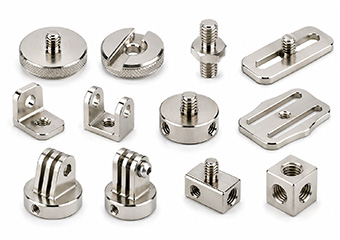
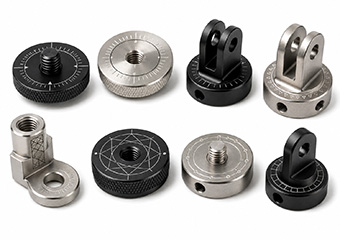
Custom CNC Tripod Mount Adapter Designs We Machine

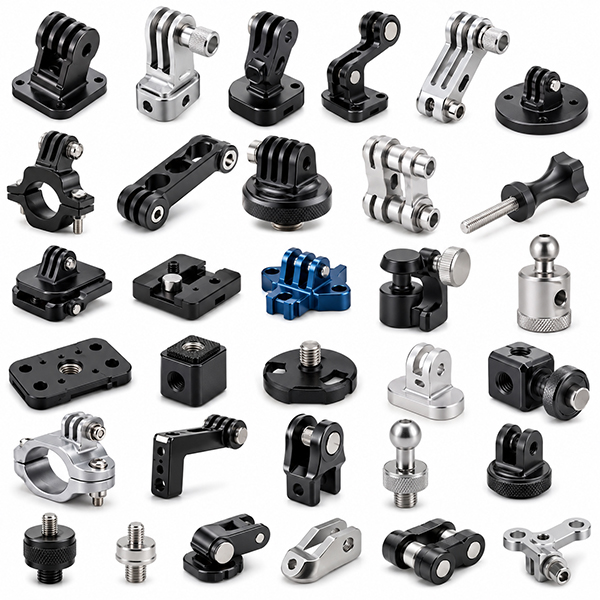
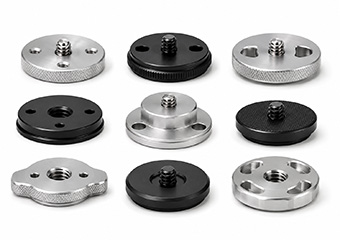
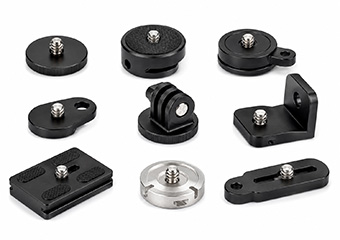
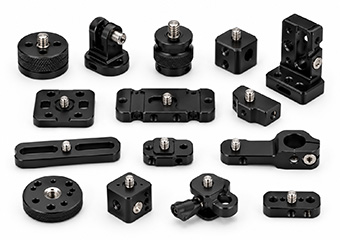
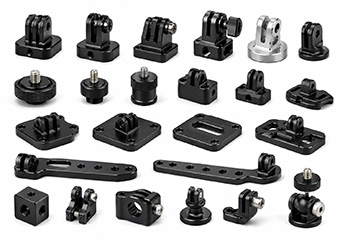
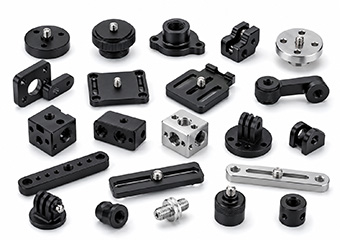
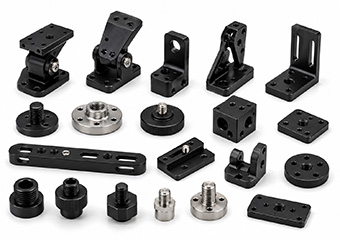
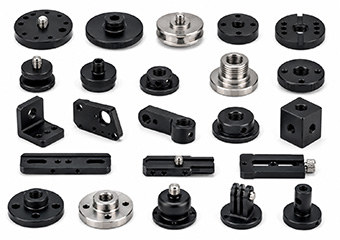
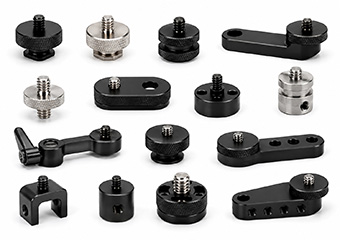
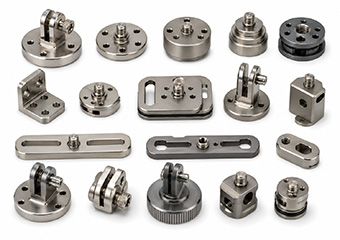
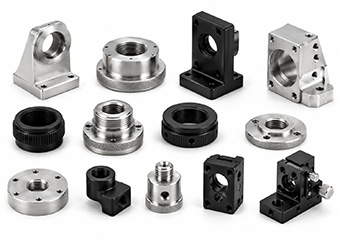
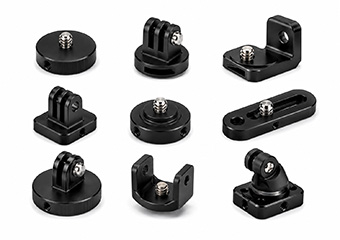
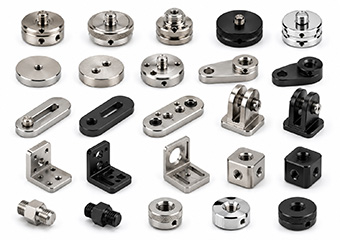
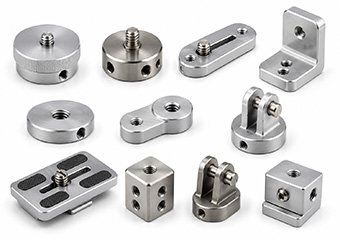
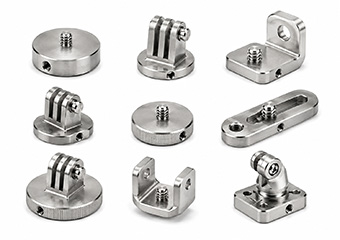
VMT machines different tripod mount adapter structures according to customer drawings and mating requirements. The examples below stay within the tripod adapter product family rather than duplicating broader camera brackets, ball heads, risers or locking components.

Custom CNC Machining Fork-to-Tripod Mount Adapters

Fork-to-Tripod Mount Adapters

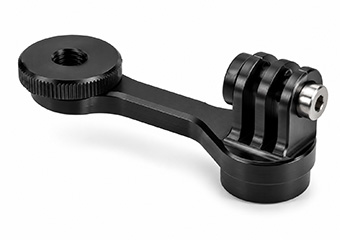
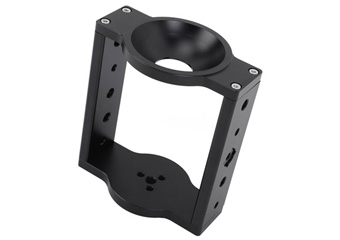
Fork-to-tripod adapters connect a fork-style camera interface to a tripod support; multi-axis CNC milling controls fork spacing, pin-hole position and lower mounting datums, while dimensional and functional-fit checks verify assembly.

Request a Quote
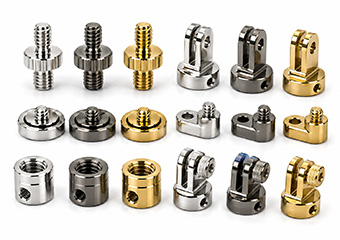
Custom CNC Machining Threaded-Interface Tripod Mount Adapters

Threaded-Interface Tripod Mount Adapters

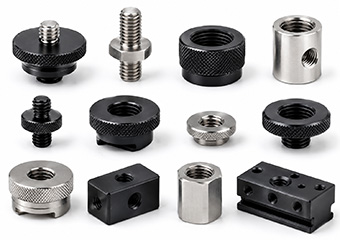
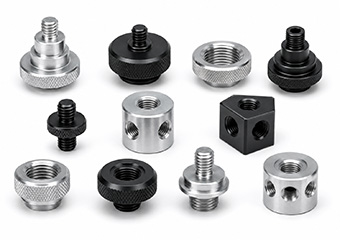
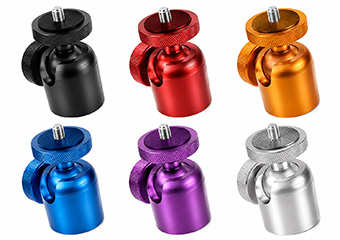
Threaded-interface adapters connect camera assemblies to drawing-specified tripod threads; CNC milling, drilling and tapping control thread position, engagement and mating faces, while gauges and dimensional inspection verify repeatable installation.

Request a Quote
Custom CNC Machining Flanged Tripod Mount Adapters

Flanged Tripod Mount Adapters

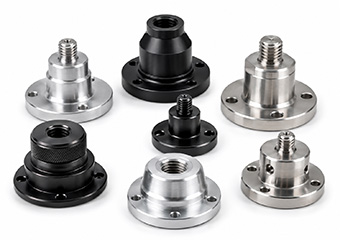
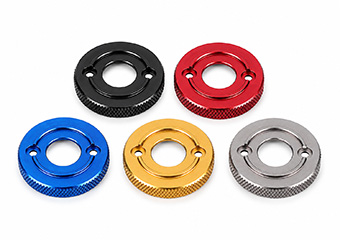
Flanged tripod adapters use a broader mounting face for stable support and locating features; CNC milling controls face flatness, hole position and thread relationships, while dimensional inspection verifies the interface defined by the drawing.

Request a Quote
Custom CNC Machining Low-Profile Tripod Mount Adapters

Low-Profile Tripod Mount Adapters

Low-profile tripod adapters suit compact assemblies with restricted installation height; CNC machining controls thin sections, recessed interfaces and mounting faces, while inspection confirms clearance, thread engagement and stable assembly without unnecessary bulk.

Request a Quote
Custom CNC Machining Offset Tripod Mount Adapters

Offset Tripod Mount Adapters

Offset tripod adapters shift the mounting axis or provide clearance around adjacent components; multi-face CNC milling controls the relationship between upper and lower interfaces, while datum-based inspection verifies the intended positional offset.

Request a Quote
Custom CNC Machining Fixed-Angle Tripod Mount Adapters

Fixed-Angle Tripod Mount Adapters

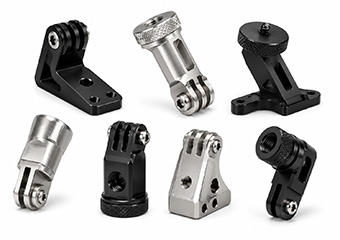
Fixed-angle tripod adapters hold a drawing-defined angular relationship rather than a swivel or ball-head motion; 4/5-axis machining controls angled faces and related holes, while CMM or dimensional inspection verifies the fixed geometry.

Request a Quote
Custom CNC Machining Multi-Thread Tripod Mount Adapters

Multi-Thread Tripod Mount Adapters

Multi-thread tripod adapters integrate several drawing-specified threaded or locating interfaces in one body; CNC machining coordinates thread axes, hole positions and mating surfaces, while staged inspection checks each interface against the same datum strategy.

Request a Quote
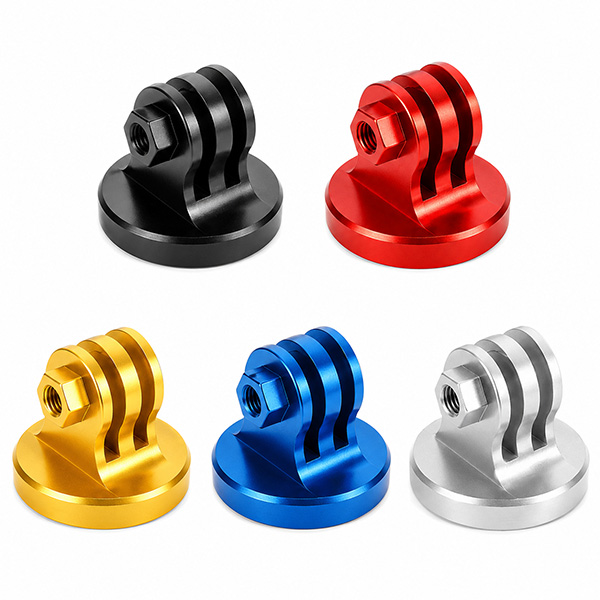
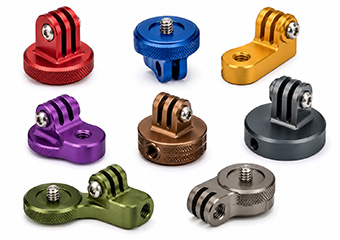
Custom CNC Machining Action Camera Tripod Mount Adapter

Action Camera Tripod Mount Adapters

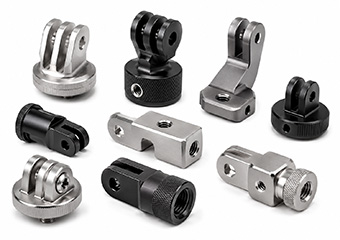
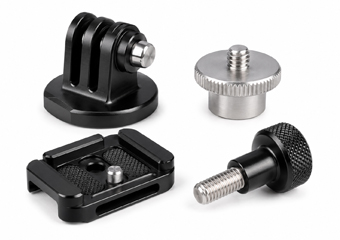
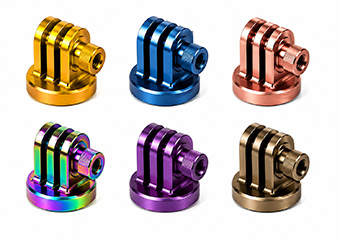
Action-camera tripod adapters connect fork-style action-camera interfaces to tripod systems; CNC milling controls fork geometry, threaded features and mounting datums, while functional checks verify fit and stable assembly.

Request a Quote
Industry Applications

Where Custom CNC Tripod Mount Adapters Are Used

After validating the machining and interface strategy, the same tripod-adapter engineering can be adapted to different imaging systems, environments and OEM mounting requirements.

CNC Machining Photography Equipment Tripod Mount Adapters

Photography Equipment

Photography equipment uses threaded, low-profile and offset tripod adapters to connect cameras, heads and support rigs, helping OEMs maintain stable positioning, compact packaging and repeatable field assembly.


Get Instant Quote
CNC Machining Film & Cinema Equipment Tripod Mount Adapters

Film & Cinema Equipment

Film and cinema systems use rigid tripod adapters for cameras, monitors and support hardware, helping equipment brands maintain alignment, reliable load transfer and fast setup across professional shooting configurations.


Get Instant Quote
CNC Machining Action Camera Accessories Tripod Mount Adapters

Action Camera Accessories

Action-camera accessories use fork-to-tripod and compact threaded adapters to connect sports cameras with support systems, helping brands achieve secure clamping, controlled clearance and repeatable assembly.


Get Instant Quote
CNC Machining Drone & Aerial Imaging Tripod Mount Adapters

Drone & Aerial Imaging

Drone and aerial-imaging systems use lightweight adapter interfaces for cameras, sensors and test fixtures, helping engineering teams reduce mass while maintaining accurate positioning and serviceable modular mounting.


Get Instant Quote

Industrial Machine Vision

Industrial machine-vision equipment uses fixed-angle, offset and threaded adapters to position cameras around production lines, helping integrators maintain repeatable alignment, rigid mounting and accessible adjustment points.


Get Instant Quote
CNC Machining Surveillance & Security Tripod Mount Adapters

Surveillance & Security

Surveillance and security systems use corrosion-resistant tripod-style adapters for cameras, sensors and test platforms, helping manufacturers maintain stable positioning, outdoor durability and repeatable maintenance access.


Get Instant Quote
CNC Machining Broadcast & Live Streaming Tripod Mount Adapters

Broadcast & Live Streaming

Broadcast and live-streaming equipment uses compact threaded and offset adapters for cameras, monitors and support accessories, helping operators improve setup flexibility while preserving rigid, repeatable mounting relationships.


Get Instant Quote
CNC Machining Marine & Underwater Imaging Tripod Mount Adapters

Marine & Underwater Imaging

Marine and underwater imaging systems use corrosion-resistant stainless or titanium adapters for cameras and lights, helping customers protect mounting interfaces in wet, saltwater and repeated-service environments.


Get Instant Quote
CNC Machining Scientific & Laboratory Imaging Tripod Mount Adapters

Scientific & Laboratory Imaging

Scientific and laboratory imaging systems use precision fixed-angle and threaded adapters for cameras, microscopes and optical fixtures, helping researchers maintain controlled positioning, repeatable experiments and serviceable assemblies.

Get Instant Quote
CNC Machining Automotive & Vehicle Imaging Tripod Mount Adapters

Automotive & Vehicle Imaging

Automotive and vehicle-imaging systems use rigid offset and threaded adapters for cameras, sensors and test rigs, helping developers maintain stable alignment under vibration, constrained packaging and repeated installation.


Get Instant Quote
Fit Problems Usually Begin at the Interface

Tripod Mount Adapter Problems We Help You Control

A tripod adapter can pass individual dimension checks and still assemble poorly if threads, mounting faces, holes and finish allowances are not controlled as one functional system.

Loose or Rocking Mounting

Uneven mounting faces, inconsistent datums or excessive interface clearance can create movement after tightening, so VMT links face, locating and clamping requirements to the real assembly condition.

Thread Engagement Problems

Thread depth, axis position, entry geometry, mating faces and coating allowance are reviewed together because a thread can gauge correctly yet still assemble poorly in the finished product.

Misaligned Related Features

Fork holes, mounting faces and threaded interfaces may be produced in different setups, so fixture references and machining sequence are planned to preserve their required relationships.

Fit Changes After Finishing

Anodizing, plating and coating can change threads, bores and mating clearances, so masking, finish allowance and post-finish verification are defined before production approval.

Engineering and Manufacturing Control

Critical Features in CNC Tripod Mount Adapter Machining

Not every dimension needs the same control. The features below are reviewed according to the drawing, mating component and intended assembly function.

Critical Feature Customer Risk VMT Control Direction Inspection / Customer Value
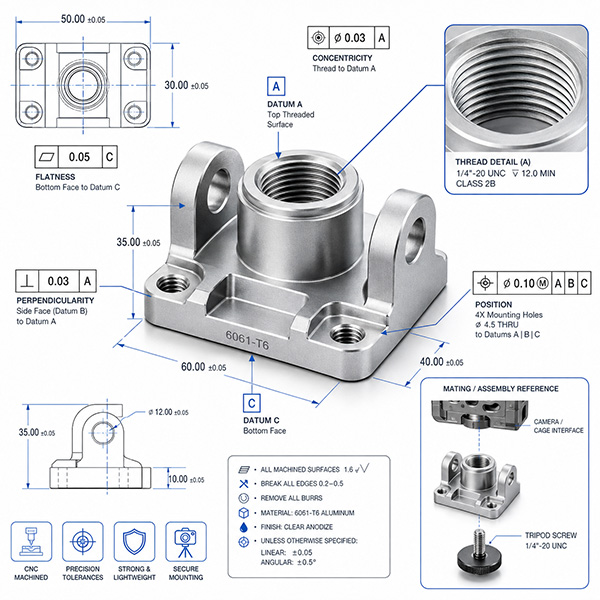
Mounting Face and Functional Datum Rocking, tilt or unstable positioning after tightening Define functional datum relationships and machine mating surfaces around the required reference strategy Flatness, height or CMM checks support stable installation
Threaded Interface Loose engagement, cross-threading, insufficient depth or poor alignment Review thread standard, depth, entry, axis position, engagement and finish condition Thread gauges and mating-part checks can verify repeatable engagement
Fork Spacing or Slot Width Excessive play or assembly interference Control spacing, parallelism and related pin-hole geometry with the intended mating interface in mind Pin gauges, dimensional checks or functional assembly verify clearance
Hole Position and Perpendicularity Fasteners enter at an angle or related components fail to align Use common datums, suitable fixtures and setup planning for related holes and faces CMM, height gauge or positional checks confirm relationships
Thin Walls and Compact Arms Clamping deformation, chatter or edge damage Review stock allowance, support points, roughing sequence, clamping pressure and finishing passes In-process and final dimensional checks support stable geometry
Post-Finish Functional Interfaces Threads or bores become tight after anodizing or coating Review masking, coating allowance, protected surfaces and pre/post-finish inspection requirements Post-finish verification helps preserve intended fit
Complete Assembly Relationship Individual dimensions pass but the complete adapter still does not function correctly Link datum, thread, hole, face and finish requirements to the way the part is actually assembled Functional-fit checks can confirm the complete interface when mating parts are available
Review the Assembly Before Cutting Metal

DFM Review for Custom Tripod Mount Adapters

Our DFM review is not a generic “manufacturable / not manufacturable” check. VMT maps how the adapter locates, clamps, threads, finishes and will be inspected, then turns those functional requirements into a machining and verification plan before production starts. This helps prevent a part from meeting isolated dimensions while still failing during final assembly.

  • Mating interface: how the adapter locates, clamps, supports or converts between the camera, tripod, fixture or customer assembly.
  • Thread definition: standard, depth, engagement, entry, axis position, mating face and any masking or protected areas after finishing.
  • Functional datums: which faces, holes and axes determine the final mounting position and therefore must remain linked through machining and inspection.
  • Machining access: tool reach, internal corners, fork spacing, deep slots, angled faces and multi-side features that may require 4-axis or 5-axis access.
  • Thin-wall risk: support points, clamping pressure, roughing allowance and finishing sequence are reviewed to reduce distortion before critical dimensions are completed.
  • Surface finish: coating allowance, masking, cosmetic zones and post-finish fit are reviewed so anodizing, plating or polishing does not compromise the interface.
  • Inspection plan: CMM, thread gauges, pin or plug gauges and functional-fit checks are assigned to the features they can verify most effectively.
Why VMT checks this before machining: a tripod adapter may pass a single dimension but still fail if its thread axis, support face, fork spacing or finish buildup is wrong. DFM reduces rework, protects prototype validation and creates a clearer route into repeat production.
DFM Review of Custom CNC Tripod Mount Adapter Threads Datums Tolerances and Mating Interfaces
DFM OutputDrawing clarifications, manufacturing risks and practical improvement recommendations
Datum StrategyControlled references used consistently for machining, re-clamping and inspection
Finish PlanMasking and allowance defined around threads, bores and functional mating areas
Inspection PlanVerification methods linked to drawing-marked critical characteristics and assembly risk
Why this matters to your project: A tripod mount adapter can meet individual dimensions and still fail during assembly if thread alignment, support faces, fork spacing or coating buildup are not controlled together. Reviewing these relationships before machining reduces rework, supports reliable prototype approval and creates a clearer path to repeat production.
Process Selection Based on Geometry and Datum Relationships

CNC Machining Processes for Tripod Mount Adapters

VMT combines milling, turning, turn-mill, secondary machining and finishing according to part geometry, feature direction, datum relationships and production stage rather than forcing every adapter into one machining route.

3-axis and 4-axis CNC milling tripod mount adapters

3- & 4-Axis CNC Milling

3- and 4-axis milling machines straightforward bodies, slots, pockets, fork arms and multi-side features while reducing unnecessary setup changes and maintaining practical relationships between mounting faces and holes.

5-axis CNC machining complex tripod mount adapters

5-Axis CNC Machining

5-axis machining reaches angled, multi-face and complex adapter features in fewer setups, helping preserve relationships between mounting planes, threaded axes and locating features when repeated re-clamping would add risk.

CNC turning tripod mount adapter threaded and cylindrical features

CNC Turning

CNC turning produces cylindrical adapter bodies, threaded studs, sleeves, lock interfaces and concentric features where diameter, shoulder location and thread alignment must be controlled from a rotational datum.

CNC Milling and Turning Composite Machining

Turn-Mill Machining

Turn-mill combines concentric turning with milled flats, side holes, slots and cross features in one coordinated route, reducing secondary handling and helping maintain alignment between rotational and prismatic interfaces.

CNC Machining Parts Deburring

Drilling, Tapping & Secondary Operations

Drilling, tapping, reaming, deburring and controlled edge finishing complete threads, holes and assembly interfaces after primary machining, helping prevent burrs, poor thread entry and interference around mating features.

Custom CNC Machined Parts Surface Finshing

Surface Finishing

Anodizing, passivation, PVD, nickel plating, brushing, polishing and marking are coordinated with machined interfaces so cosmetic requirements do not unexpectedly change thread engagement, bore clearance or mounting fit.

Choose Material Around Weight, Strength, Wear and Finish

Materials for Custom CNC Tripod Mount Adapters

Material choice should match the load path, thread durability, corrosion environment, cosmetic target and production cost. VMT reviews the complete assembly before recommending a practical grade or mixed-material solution.

Custom CNC Machining Aluminum Tripod Mount Adapters

Aluminum


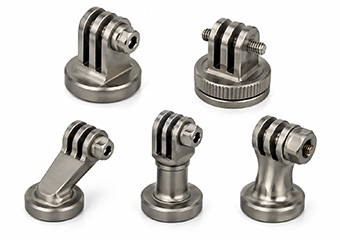
Aluminum suits lightweight tripod adapter bodies because it machines efficiently, supports thin and complex geometries, and accepts anodized finishes for matte, colored or wear-resistant camera mounting hardware.


Get Instant Quote
Custom CNC Machining Passivation Brushing Polishing or PVD Stainless Steel Tripod Mount Adapters

Stainless Steel


Stainless steel suits wear-sensitive threads, corrosion-exposed mounts and premium hardware where additional mass is acceptable and passivation, brushing, polishing or PVD appearance is required.


Get Instant Quote
Custom CNC Machining Titanium Alloys Tripod Mount Adapters

Titanium Alloys


Titanium suits premium tripod components requiring high strength-to-weight, corrosion resistance and compact structural performance, particularly for outdoor, marine or professional imaging systems where weight and durability both matter.


Get Instant Quote
Custom CNC Machining Brass & Bronze Tripod Mount Adapters

Brass & Bronze


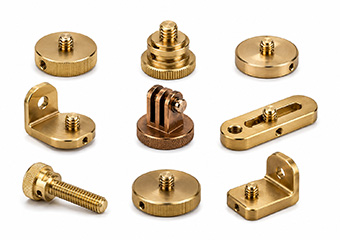
Brass and bronze suit threaded inserts, wear interfaces and decorative details, helping customers improve thread feel, contact behavior, serviceability or premium metallic appearance within a mixed-material tripod adapter assembly.


Get Instant Quote
Material / Grade Best Applications Material Advantages / Why Choose It Suitable Surface Finishes / Appearance Direction
Aluminum 6061-T6 General tripod adapter bodies, fork adapters, low-profile mounts and prototype-to-production programs Balanced strength, low weight, machinability, availability and cost for most camera-support structures Bead blasting + anodizing, hard anodizing, brushing, polishing and laser engraving for matte, colored or premium aluminum appearance
Aluminum 6063-T6 Appearance-focused adapter bodies, decorative mounting parts and lighter-duty interfaces Good surface quality and anodizing response where cosmetic presentation is more important than maximum strength Anodizing, brushing, polishing and laser engraving for smooth decorative finishes and controlled brand colors
Aluminum 7075-T6 / T651 Compact, high-load or thin-section tripod adapters Higher strength-to-weight ratio supports smaller sections where stiffness and mechanical strength are more important than lowest material cost Hard anodizing, anodizing, bead blasting and laser engraving for durable functional or premium black finishes
Stainless Steel 303 / 304 Threaded components, wear areas and premium mounting hardware Durable threads, corrosion resistance and stable metallic feel where added mass is acceptable Passivation, brushing, polishing, PVD and laser engraving for clean satin, mirror or decorative metallic appearance
Stainless Steel 316 / 316L Marine, underwater, laboratory and outdoor camera mounting components Improved corrosion resistance for wet, salt, cleaning or outdoor environments Passivation, polishing, brushing and PVD for corrosion-resistant clean or premium finishes
Stainless Steel 17-4PH High-strength threaded or structural mounting components Selected when higher mechanical strength and durable threaded interfaces are required in corrosion-resistant stainless steel Passivation, polishing, brushing or PVD depending on heat-treatment and appearance requirements
Titanium Grade 2 / Grade 5 (Ti-6Al-4V) Premium lightweight mounts, marine imaging hardware and corrosion-resistant interfaces High strength-to-weight ratio, corrosion resistance and premium positioning for demanding professional products PVD, polishing, bead blasting and laser engraving for technical, dark or premium decorative appearance
Brass C360 / Bronze per Drawing Threaded inserts, wear interfaces, knobs and decorative adapter details Good machinability, thread feel, wear behavior and distinctive metallic appearance Nickel plating, polishing, PVD and brushing for bright, satin or premium metallic finishes
Engineering Plastics — POM / PEEK Insulating spacers, lightweight prototypes, low-friction or non-metal contact interfaces Electrical insulation, low friction, low weight or chemical resistance where a metal interface is unnecessary Usually as-machined or deburred; laser marking or controlled polishing may be used where material and cosmetic requirements allow
Finish Selection Must Protect Functional Interfaces

Surface Finishes for CNC Machined Tripod Mount Adapters

Each finish is selected around material, application, wear, corrosion and appearance requirements, while masking and post-finish checks protect threads, bores and mating surfaces that control the final assembly.

Custom CNC Machining Bead Blasting Anodizing Aluminum Tripod Mount Adapters


Bead Blasting + Anodizing


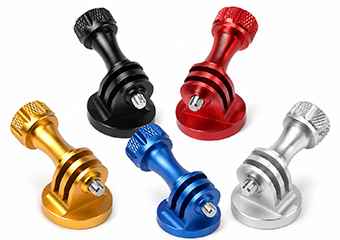
Aluminum tripod mount adapters for photography and action-camera assemblies use bead blasting plus anodizing to create uniform matte color and corrosion protection, giving customers cleaner cosmetics and controlled functional interfaces.


Get Instant Quote
Custom CNC Machining Hard Anodizing Aluminum Tripod Mount Adapters


Hard Anodizing


Aluminum fork and threaded tripod adapters in repeated-contact assemblies use hard anodizing to improve surface hardness and wear resistance, helping customers extend interface durability while maintaining post-finish dimensional control.


Get Instant Quote
Custom CNC Machining Brushing Aluminum or Stainless Steel Tripod Mount Adapters


Brushing


Aluminum or stainless steel tripod adapters for premium camera equipment use directional brushing to reduce random machining marks and create a consistent satin texture, giving customers a controlled, brand-ready appearance.


Get Instant Quote
Custom CNC Machining Polishing Stainless Steel Titanium or Brass Tripod Mount Adapters


Polishing


Stainless steel, titanium or brass tripod adapters for premium imaging hardware use polishing to reduce visible tool marks and create smooth reflective surfaces, improving appearance, cleanability and perceived product quality.


Get Instant Quote
Custom CNC Machining Passivation Stainless steel Tripod Mount Adapters


Passivation


Stainless steel tripod adapters for marine, laboratory and outdoor imaging use passivation to improve corrosion resistance without adding coating thickness, helping customers preserve thread fit, clean appearance and dimensional stability.


Get Instant Quote
Custom CNC Machining PVD Coating Tripod Mount Adapters


PVD Coating


Stainless steel or titanium tripod adapters for premium camera systems use PVD coating to add decorative color and wear resistance, helping customers differentiate products while retaining controlled interface geometry and durability.


Get Instant Quote
Custom CNC Machining Nickel Plating Tripod Mount Adapters


Nickel Plating


Brass, steel or compatible tripod components for threaded and wear-sensitive assemblies use nickel plating for corrosion protection and uniform metallic appearance, giving customers improved durability when plating allowance is controlled.


Get Instant Quote
Custom CNC Machining Laser Engraving Tripod Mount Adapters


Laser Engraving


Finished tripod mount adapters for OEM camera products use laser engraving for logos, scales, orientation marks and part identification, giving customers durable branding without changing critical mounting or threaded interfaces.


Get Instant Quote
Inspect the Interfaces That Drive Assembly

Inspection for Custom CNC Tripod Mount Adapters

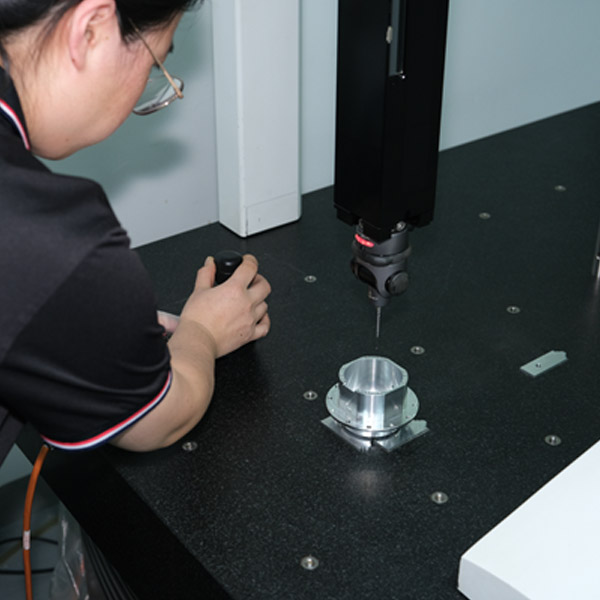
Inspection is defined around the drawing and the final mounting function. For critical tripod adapter features, VMT combines dimensional inspection with gauges and functional checks rather than relying on appearance or a single caliper measurement.

The purpose of inspection is to prove that the relationships created during machining remain correct after re-clamping and surface finishing. We therefore verify the features most likely to cause loose mounting, thread failure, misalignment or post-finish interference.

  • CMM and dimensional inspection: verify related faces, axes, hole positions, perpendicularity and critical datums against the approved drawing.
  • Thread gauges: confirm drawing-specified threaded interfaces, engagement condition and acceptance after machining or finishing when required.
  • Pin or plug gauges: verify fork holes, bores, slots and assembly clearances where fixed-gauge checks provide fast, repeatable evidence.
  • Pre- and post-finish checks: compare interfaces that may change after anodizing, plating, polishing or other finishing operations.
  • Functional-fit verification: use customer-supplied mating parts or approved references when the complete assembly relationship must be confirmed.
  • Inspection records: define report scope, critical-characteristic checks and any required 100% inspection during quotation and engineering review.
What this protects: stable mounting, reliable thread engagement, controlled clearance, repeatable assembly and consistent batch quality from prototype approval through later production.
CMM Thread Gauge and Functional Inspection of Custom CNC Tripod Mount Adapters Machining
IQCVerify material and controlled drawing revision before machining starts
FAIValidate critical dimensions, datums and thread relationships before batch release
IPQCMonitor movement after roughing, re-clamping and critical finishing operations
FQC / OQCConfirm finished dimensions, appearance, functional interfaces and protected packaging
Validate the Interface Before Repeat Production

From Tripod Mount Adapter Prototype to Repeat Production

The manufacturing route can evolve with the project stage. Prototype machining focuses on fit and design validation; repeat production adds fixture, process and inspection controls around the approved geometry.

Drawing Review

Confirm Requirements

Review material, threads, mating parts, critical datums, finish, quantity and inspection needs before process planning.

Prototype Machining

Validate Geometry and Fit

Machine prototypes to check interface relationships, thread engagement, assembly clearance and geometry before production decisions are fixed.

Finish Validation

Confirm Post-Finish Assembly

Verify appearance, masking and critical interfaces after anodizing or other finishing when those processes can affect fit.

Repeat Production

Carry Approved Controls Forward

Use the approved datum strategy, fixtures, machining sequence and inspection plan to support repeatable production after validation.

Project Case

Custom Aluminum CNC Tripod Mount Adapter Machining Project

A camera-accessory brand needed one supplier to coordinate the fork interface, threaded tripod connection, anodized appearance and functional verification from prototype review into repeat-production planning.

Custom Anodizing Aluminum CNC Tripod Mount Adapter Machining

From Post-Anodizing Fit Risk to a Controlled Production Route

Project Background

A camera-accessory brand required a compact aluminum fork-to-tripod adapter for a new mounting product. The part combined thin fork arms, pivot holes, a lower threaded interface and a bead-blasted anodized exterior.

Customer Part Challenges

The main risks were fork spacing after anodizing, positional alignment between the pivot holes, thread engagement, thin-arm distortion during clamping and consistent cosmetic appearance across visible surfaces.

VMT Solution

VMT reviewed the functional datum chain, separated roughing from critical finishing, controlled clamping pressure, defined finish masking and coating allowance, and linked CMM, pin-gauge, thread-gauge and functional-fit checks to the approved characteristics.

Result & Customer Value

The project was released through 100% inspection of the identified critical dimensions, three validation gates—pre-finish, post-finish and functional assembly—and VMT’s 12-step quality-control route, giving the customer traceable evidence to approve the interface and move toward repeat production.

100%Identified critical dimensions included in the project inspection plan
3 GatesPre-finish, post-finish and functional assembly verification
12 StepsQuality control from incoming material to final packaging
Related but Separate Camera Mounting Components

Explore Other Custom Camera Mounting Parts

These parts have different primary functions from a fixed tripod mount adapter, so they remain on dedicated pages while supporting the broader camera-mounting topic cluster.

Why VMT

Why Work With VMT for Custom Tripod Mount Adapter Machining?

VMT combines engineering review, multiple CNC processes, finishing coordination and inspection around the complete mounting interface, supporting projects from early prototypes to controlled repeat production.

DFM Linked to Assembly

Engineering feedback considers mating parts, datum chains, threads, thin-wall risk, finish buildup and inspection so the manufacturing plan reflects how the finished adapter must function.

Multiple CNC Processes

3/4-axis milling, 5-axis machining, turning, turn-mill and secondary operations can be combined according to the complete adapter geometry rather than a single machine type.

Finish Coordination

Masking, coating allowance, visible surfaces and post-finish interface checks are planned with the machining route to reduce rework after anodizing, plating or other finishing.

Prototype-to-Production Control

Approved datums, fixtures, tooling, machining sequence, inspection checkpoints and protective handling can be carried from prototype validation into pilot and repeat-production batches.

Customer Feedback

What Customers Say After Project Completion

Long-term machining feedback focuses on what buyers care about after delivery: quality, tolerance and finish compliance, and whether engineering questions are resolved promptly.

Post-Project Confidence
“We needed a machining partner who could understand the complete tripod mounting interface rather than simply manufacture dimensions from the drawing. VMT provided practical DFM support, controlled the critical datums and threaded features, and delivered parts with reliable fit, finish, and repeatability.”
Long-Term CNC Machining Customer
Post-project feedback
Tolerance & Finish
“VMT helped us solve the fit problems between the threaded interface and mounting surfaces on our aluminum tripod mount adapters after anodizing. Their engineering team improved the machining and finishing control, giving us much more consistent assembly across production batches.”
Long-Term CNC Machining Customer
Tolerance and finish feedback
Communication & Problem Solving
“Our tripod mount adapter project required very stable fork spacing, hole alignment, thread engagement, and anodized surface quality. VMT maintained consistent machining and finishing throughout the order, which made final assembly much smoother and reduced the quality issues we had experienced with previous suppliers.”
Long-Term CNC Machining Customer
Communication and support feedback
Buyer & Engineering Questions

Custom CNC Tripod Mount Adapter FAQ

These questions address the material, tolerances, finishes, process choices, inspection and production risks buyers usually need resolved before choosing a CNC machining partner.
Q: What files and information does VMT need to quote a custom tripod mount adapter?

A: Send the 3D model and 2D drawing when available, material, prototype and production quantities, thread specifications, critical datums and tolerances, surface finish, mating-part information and inspection requirements. These details allow to review machining access, fixtures, finishing risk and verification before quotation.
Q: Which material is best for a CNC machined tripod mount adapter?

A: The material depends on weight, load, thread durability, corrosion exposure, appearance and cost. Aluminum is common for lightweight anodized bodies; stainless steel supports wear and corrosion resistance; titanium supports high strength-to-weight and premium positioning; brass, bronze and engineering plastics suit selected interfaces or special functional requirements.

Q: Can VMT machine 1/4-20, 3/8-16 and custom tripod threads?

A: Yes, when the required thread is defined on the drawing. VMT reviews thread depth, engagement, entry, axis position, mating face, coating allowance and inspection method. Thread gauges and functional mating checks can be included according to the project requirement.

Q: How tightly can tripod mount adapter dimensions be controlled?

A: Tolerance capability depends on material, feature size, wall thickness, geometry, datum structure, finishing and inspection access. VMT reviews the drawing before confirming the manufacturing plan. Critical dimensions can receive dedicated in-process and final inspection rather than applying an unnecessary tight tolerance to every feature.

Q: How does VMT prevent anodizing from changing thread or mating fit?

A: Functional threads, bores, sliding surfaces and mating faces are identified during DFM. VMT reviews coating allowance, masking and pre-finish dimensions, then verifies required features after finishing using dimensional, thread, gauge or functional-fit inspection according to the approved plan.

Q: When should a tripod mount adapter use 5-axis machining instead of 3-axis or 4-axis milling?

A: 5-axis machining is useful when the adapter has angled interfaces, complex access, several related feature directions or geometry that would otherwise require repeated re-clamping. Simpler bodies may be more efficient on 3-axis or 4-axis equipment. VMT selects the route after reviewing geometry and datum relationships.

Q: How does VMT control thin fork arms and compact tripod adapter features?

A: VMT reviews stock allowance, clamping position, support area, cutting sequence and tool access before machining. Roughing and critical finishing can be separated, while in-process checks help detect movement before final operations or surface finishing.

Q: Can VMT produce prototypes before repeat tripod adapter production?

A: Yes. Prototype machining can validate thread engagement, mounting stability, hole alignment, assembly clearance and finish before repeat production. After approval, fixtures, machining sequence, critical checkpoints and inspection methods can be standardized for pilot and repeat batches.

Q: What inspection methods are used for CNC tripod mount adapters?

A: Inspection is matched to the drawing and function. VMT may use CMM measurement, height gauges, micrometers, calipers, thread gauges, pin or plug gauges, visual finish inspection and functional assembly checks. Critical characteristics and report requirements are agreed before production.

Q: How does VMT keep tripod mount adapter quality consistent from one batch to the next?

A: After validation, VMT carries forward the approved drawing revision, datum strategy, fixtures, tooling, machining sequence, finish requirements and inspection checkpoints. Incoming material control, IPQC, final inspection and protected packaging support repeatability through later production batches.
Purchasing Guide

Custom CNC Tripod Mount Adapter Buying Guide

This pillar guide helps engineers and procurement teams prepare drawings, compare materials and processes, control finishing risks, plan inspection and send a quotation package that reduces manufacturing uncertainty.

1. What Is a Custom CNC Tripod Mount Adapter?

A custom CNC tripod mount adapter is a drawing-specific interface component used to connect cameras, imaging equipment, fixtures or support systems. Unlike a standard retail accessory, its thread, mounting face, fork geometry, offset, angle, clearance and finish are defined around the customer’s complete assembly.

The machining supplier therefore needs to understand more than the external shape. The key manufacturing question is how the part locates, clamps, threads and transfers load after surface finishing and final assembly.

2. Which Interfaces Should Be Defined Before Quotation?

Identify the functional datums, thread designations, mounting faces, pin holes, fork spacing, assembly clearance and any mating components that determine final fit. This gives the supplier enough information to create a fixture and inspection strategy around the real product function.

View Full Tripod Mount Adapter Buying Guide

3. How Should Buyers Choose Material?

Aluminum is usually the first material considered when low weight, machining efficiency and anodized color options matter. Stainless steel adds wear resistance, corrosion resistance and durable threads but increases weight. Titanium offers a high strength-to-weight ratio and premium corrosion performance at higher cost. Brass, bronze and engineering plastics can solve specific thread, wear, decorative, insulation or friction requirements.

Decision What to Compare RFQ Information
Weight Portable camera equipment usually favors aluminum or titanium Target mass, wall thickness and load condition
Thread Wear Repeated tightening may justify stainless, brass/bronze inserts or harder aluminum finishes Mating screw, cycle expectations and service method
Corrosion Outdoor, marine and laboratory environments can change the material priority Environment, cleaning exposure and required finish
Appearance Anodized, polished, brushed, PVD or plated appearance depends on base material Color, gloss, texture and approved cosmetic sample

4. Which CNC Process Is Suitable for the Geometry?

3-axis and 4-axis milling are efficient for straightforward bodies, pockets, fork arms and multi-side features. Five-axis machining becomes valuable when angled interfaces or complex access would otherwise require repeated setups. Turning suits cylindrical interfaces, while turn-mill combines rotational features with flats, holes and slots in one coordinated route.

The lowest cycle time is not always the lowest project risk. The best process is the one that protects the critical datum relationships with a practical number of setups and inspections.

5. How Can Surface Finishing Change Fit?

Anodizing, hard anodizing, nickel plating and PVD can change functional surfaces in different ways. Threads, bores, pin holes and sliding fits should be identified before finishing so masking, allowance and post-finish verification can be planned. Brushing and polishing can also soften edges or change appearance around small features if the process is not controlled.

6. Which Tolerances Should Be Treated as Critical?

Critical tolerances are the ones that control assembly, alignment, thread engagement, stability and appearance. Typical examples include the relationship between a mounting face and thread axis, fork spacing and pivot-hole location, mating-hole positions and clearances after finishing. Tightening every dimension increases manufacturing and inspection cost without necessarily improving product performance.

7. How Should Inspection Be Planned?

Define the inspection method before production, not after a problem occurs. CMM can verify related positions and datums; thread gauges confirm thread acceptance; pin or plug gauges verify holes and clearances; dimensional tools confirm widths and heights; functional mating parts can prove the complete interface. Cosmetic standards should also define visible zones, texture and finish acceptance.

8. What Determines Tripod Mount Adapter Machining Cost?

Cost is influenced by material, blank size, number of setups, machining time, tool access, thread count, tolerance requirements, surface finish, inspection, prototype quantity and repeat-production volume. A five-axis process may cost more per machine hour but reduce total handling and fixture complexity on a difficult geometry.
Providing both prototype and expected repeat quantities helps VMT compare routes that make sense for validation and later production instead of optimizing only the first sample.
9. What Should Be Included in a Tripod Mount Adapter RFQ?

Send the 3D STEP/STP model and a 2D drawing showing critical tolerances, datums, threads and surface requirements. Include material, finish, prototype and production quantities, mating-part information, inspection reports, packaging needs and the target project stage. For appearance-critical products, provide a physical or documented finish reference whenever possible.
  • 3D CAD file and controlled 2D drawing
  • Material grade and condition
  • Critical datums, tolerances and thread specifications
  • Mating-part or assembly information
  • Surface finish, masking and cosmetic zones
  • Prototype, pilot and repeat-production quantities
  • Inspection report and traceability requirements
  • Packaging and target schedule
Start With Your Drawing

Send Your Tripod Mount Adapter Drawing for Engineering Review

Share your 2D/3D files, material, quantity, thread requirements, finish and mating-interface information. VMT will review machining access, datum relationships, finishing risks and inspection needs before quotation.

Customer Reviews

Bluetooth headset charger housing customer
icon icon icon icon icon 2024-08-02

The manufacturer is strongly recommended. In the past few years of cooperation we have ordered several machined products from aluminum and stainless steel. These products are manufactured in compliance with tolerance requirements and require product finish. Now I have ordered another one. The service is excellent and any questions can be answered and resolved in time.

AN Automotive Oil Cooling Joint Customer
icon icon icon icon icon 2021-05-13

The dimensions are all customized according to my drawings no tolerance issues and the parts are delivered on time. I am very satisfied with it.

Flashlight shell machining customers
icon icon icon icon icon 2021-04-06

I pay much attention to the surface treatment aspect of this product. I was a little worried about the cooperation at the beginning. I am very satisfied with the product now and hope to cooperate for a long time.

AN8 Straight PTFE Hose End Fitting
icon icon icon icon icon 2022-09-22

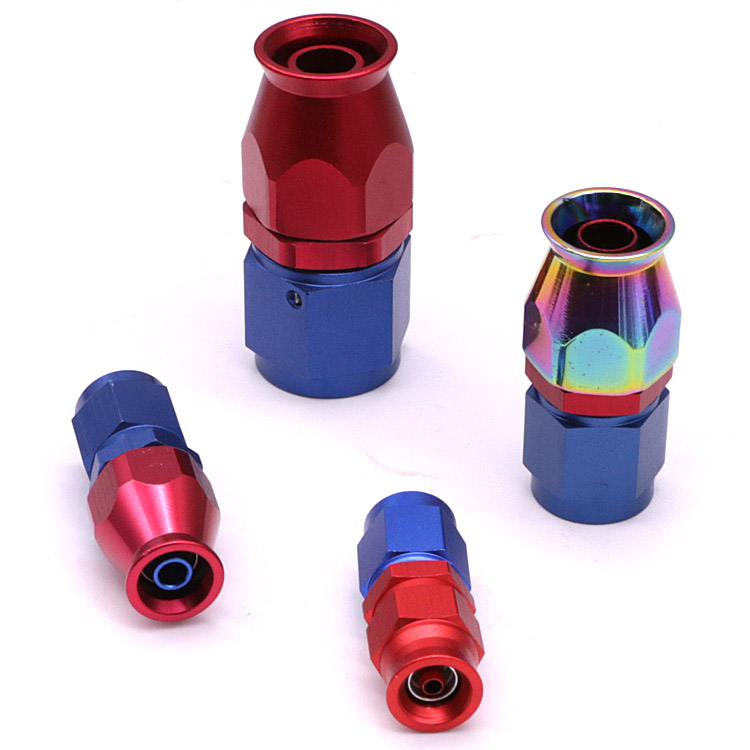
AN8 Straight PTFE Hose End Fitting for PTFE Fuel Line Fitting Adapter Black Blue Red

Upload 2D/3D drawings

Upload Your Files or Contact inquiry@vimetal.com.cn to Get Instant Quote (Please attach 2D CAD drawings and 3D CAD models in any format including STEP, IGES, DWG, PDF, STL, ZIP, etc.).

Upload files ( Max file size: 20MB )
+86 15099911516
loading