Free cookie consent management tool by TermsFeed Cookies
Custom Metal CNC Machining Parts Services Custom Metal CNC Machining Parts Services

Custom Metal CNC Machining Parts Services

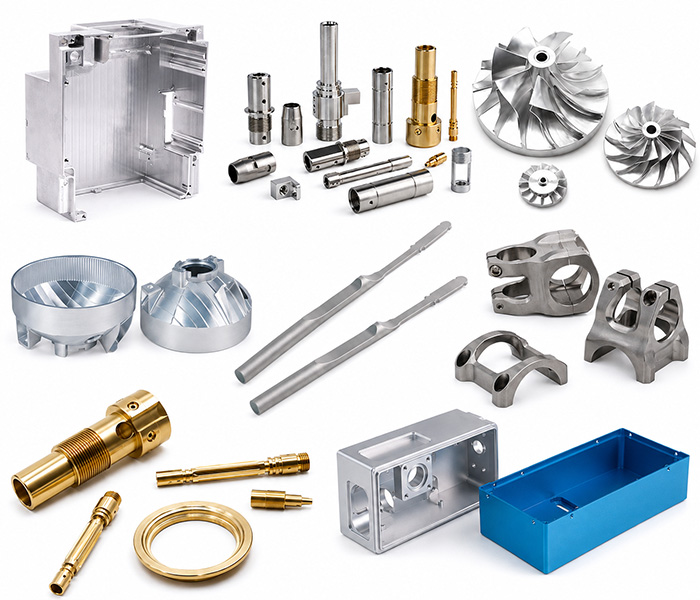
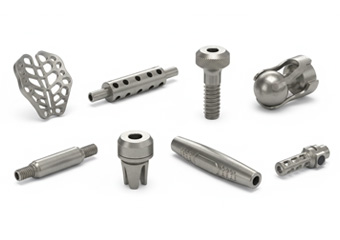
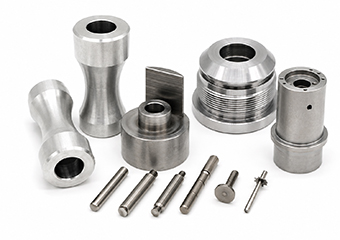
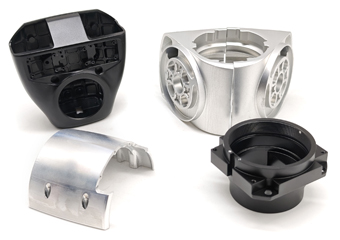
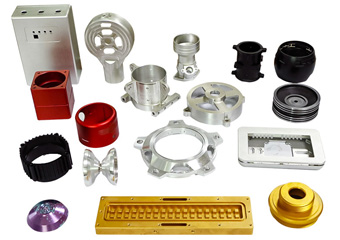
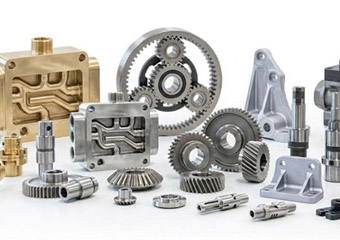
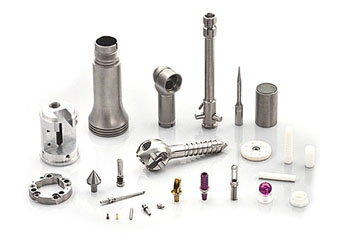
VMT provides custom metal CNC machining for aluminum stainless steel steel titanium brass copper and specialty alloys with ±0.005 mm precision 12-step quality control DFM review finishing inspection and support from 1 prototype to 1000000 parts.

icon One-stop service from prototyping to mass production

icon 1-on-1 engineering DFM support, 4-Hour DFM Analysis

icon Multi-process machining with tolerances up to ±0.005 mm, reduce costs by 30%

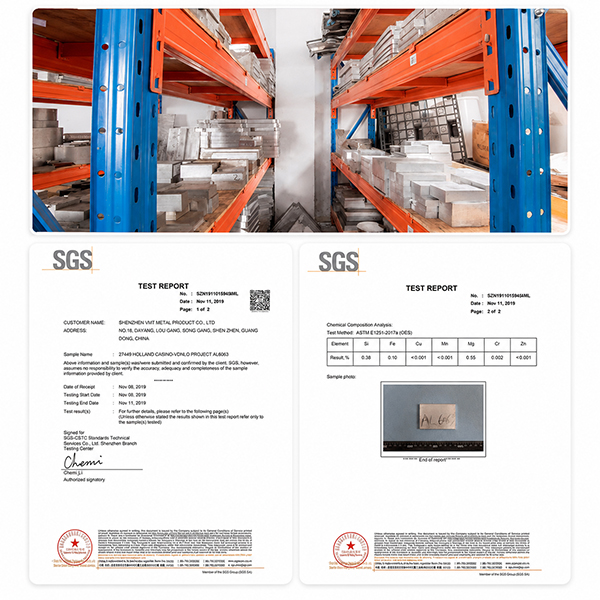
icon 100+ material and surface finishing, with material testing reports provided

icon 12-step quality inspection process with 100% inspection of critical dimensions

Upload Your Drawing for a Fast Quote All uploads files are safe and confidential

1 DayPrototyping Machining

2 HoursQuick Quote

0 PcsMinimum Order Qualities

98%Yield

Home / Metal CNC Machining /

Custom Metal CNC Machining Parts Services


Drawing-Based Multi-Metal CNC Manufacturing

Custom Metal CNC Machining Parts Video

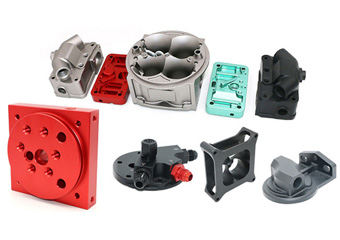
Need a metal part that must fit, finish, and repeat correctly—not just match the CAD shape? VMT provides drawing-based CNC machining for aluminum, stainless steel, steel, titanium, brass, copper, and specialty alloys. We review material, geometry, critical tolerances, surface finish, and production quantity, then match the part to milling, turning, Swiss machining, 5-axis machining, or combined manufacturing routes.

From prototype validation to repeat production, machining, finishing, and inspection are planned around the finished-part requirements in your drawing.
DFM & Engineering ReviewMaterial, geometry, critical dimensions, tool access and finishing risks reviewed before machining.
CNC Process MatchingMilling, turning, Swiss and multi-axis routes selected according to your actual part geometry.
In-Process Quality ControlCritical features are monitored during machining and verified to your drawing requirements.
Prototype to ProductionSupport design validation, process stabilization, finishing coordination and repeat production.
Machining Risks

Metal CNC Machining Problems We Help You Control

Metal parts can behave differently during machining depending on material, wall thickness, geometry, tolerances, heat generation, clamping, and subsequent surface finishing. VMT reviews these risks before production and develops the machining sequence, tooling, fixturing, dimensional control, and inspection approach around the features that matter most to your part.

Custom Thin-Wall Metal CNC Machining Parts
Distortion Control

Thin-Wall Distortion

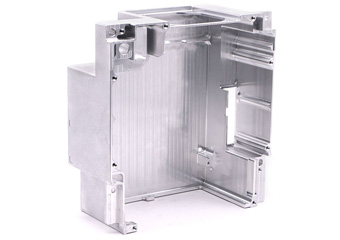
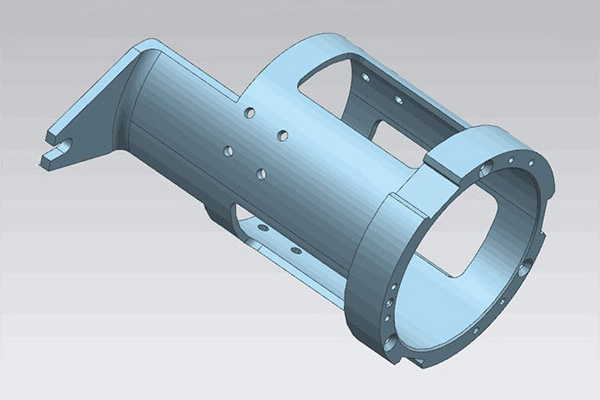
Thin housings, brackets, covers, and structural parts can move as material is removed or deform under excessive clamping force. We review wall distribution, material behavior, machining sequence, datum strategy, stock removal, and fixture support to reduce deformation.

VMT Control: Fixture support, staged stock removal, datum planning, and inspection focused on the mating features that must remain stable.
Tight Tolerances Precision CNC Machined Metal Parts
Datum Control

Tight Tolerances Across Multiple Datums

Parts with bores, mounting faces, holes, threads, and locating features referenced from different datums can accumulate error across multiple setups. We plan datums, operation sequence, fixture location, intermediate measurement, and final inspection around the features that control fit and function.

VMT Control: Datum strategy, setup planning, intermediate measurement, and final verification focused on tolerance relationships that control assembly.
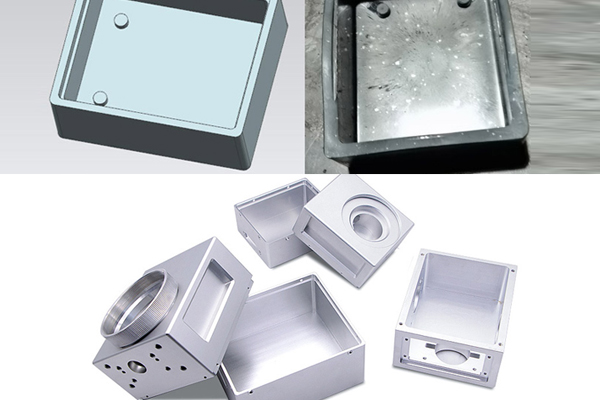
Custom Deep-Pocket CNC Machined Communication Cavity Housing
Tool Access

Deep Pockets & Difficult Tool Access

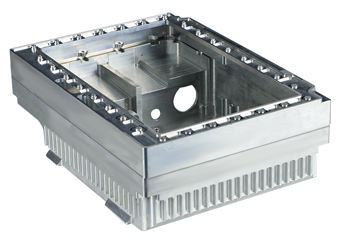
Deep cavities, narrow channels, internal corners, and features located on several faces can create tool reach, chatter, deflection, and surface-quality risks. We evaluate cutter access, tool length, setup direction, and whether 3-axis, 3+2, or 5-axis machining is more practical.

VMT Control: Tool-access review, cutter-length planning, setup direction, and 3-axis / 3+2 / 5-axis selection according to the actual cavity geometry.
CNC Machined Metal Threads Bores and Fits
Assembly Interfaces

Threads, Bores & Precision Fits

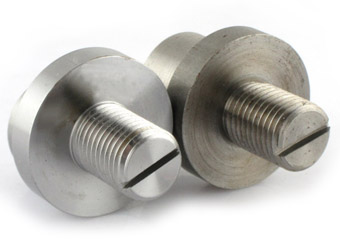
Threaded connections, bearing bores, shaft interfaces, sealing diameters, and press-fit features depend on more than nominal size. Material behavior, tool condition, machining sequence, finishing, and measurement method can all influence final fit.

VMT Control: Thread, bore, fit, finishing allowance, and measurement planning around bearing, sealing, shaft, and assembly interfaces.
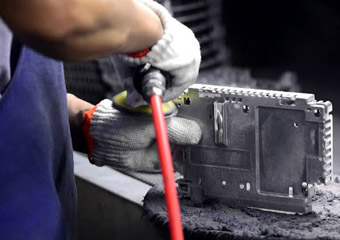
Deburring and Edge Quality for CNC Machining Metal Parts
Edge Quality

Burrs & Edge Quality

Small holes, intersecting passages, threads, slots, cross-holes, stainless steel features, and softer metals such as copper can create burrs that affect assembly or appearance. We consider cutting direction, tool selection, accessibility, deburring method, and edge requirements in the machining plan.

VMT Control: Tool-path, cutting direction, feature access, deburring, and edge requirements planned before the part reaches final inspection.
Custom CNC Machined Parts Surface Finshing
Finished-Part Control

Dimensions After Surface Finishing

A part that meets dimensional requirements after CNC machining may change after anodizing, plating, coating, polishing, or other finishing. We review critical fits and cosmetic surfaces so allowances, masking, preparation, and final inspection can be planned around the finished component.

VMT Control: Machining allowance, masking, pre-finish preparation, coating or anodizing effects, and final inspection planned around the finished-part requirement.
Process Selection

CNC Machining Processes for Custom Metal Parts

The best manufacturing route depends on part geometry, material, quantity, tolerance relationships, surface requirements, and how much of the final geometry actually needs precision CNC control. VMT can combine machining and forming processes when this provides a more practical route from prototype to production.

Custom CNC Milling Metal Parts

CNC Milling Metal Parts

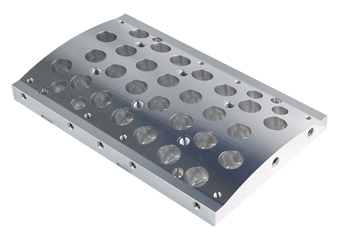
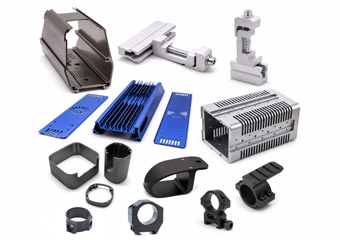
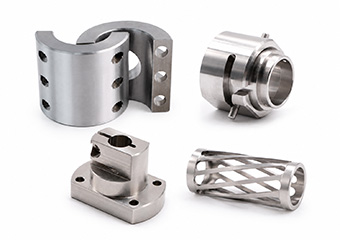
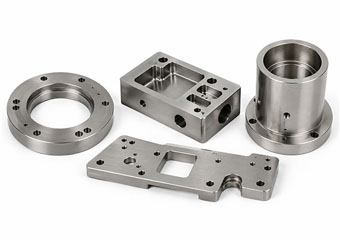
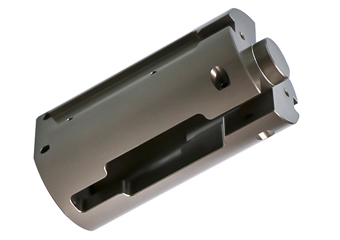
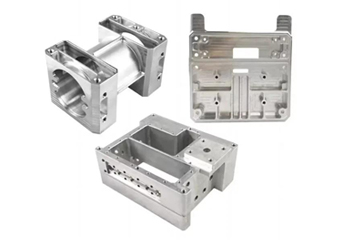
Used for housings, brackets, plates, manifolds, heat sinks, pockets, holes, and multi-face features where datum relationships, wall thickness, tool access, and visible surfaces must be controlled.

Custom CNC Turning Metal Parts

CNC Turning Metal Parts

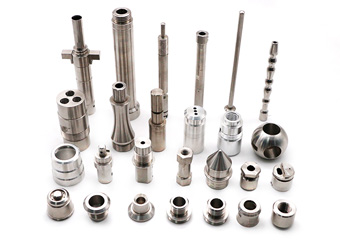
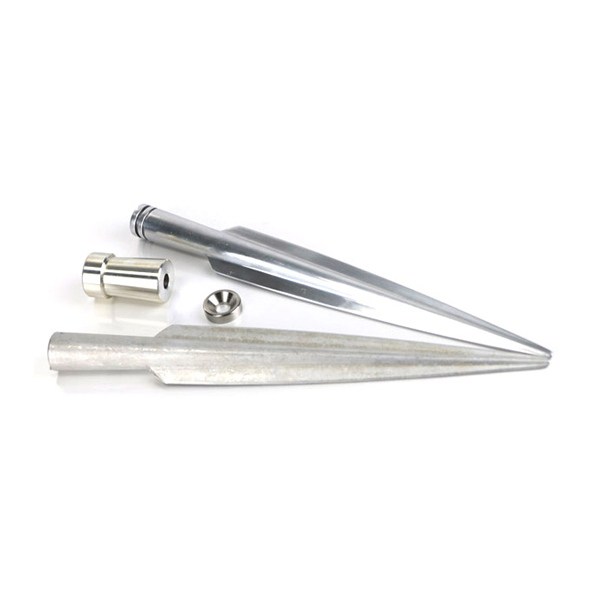
Used for shafts, pins, bushings, sleeves, rings, fittings, and threaded rotational parts where diameters, shoulders, grooves, concentric features, and mating surfaces control assembly.

Precision Swiss CNC Machining Metal Shafts and Pins

Swiss CNC Machining Metal Parts

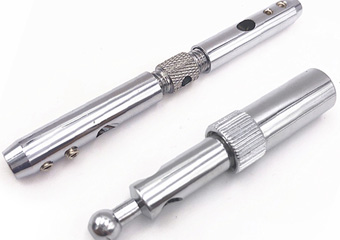
Used for smaller precision pins, long slender shafts, connectors, fittings, fasteners, threads, grooves, and cross-hole features that benefit from close material support during machining.

5-Axis CNC Machining Complex Metal Parts

5-Axis CNC Machining Metal Parts

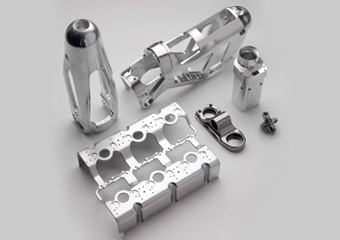
Used for complex housings, curved surfaces, angled holes, and multi-face geometry where better tool access and fewer repositioning steps help preserve relationships between critical features.

Custom Turn-Mill CNC Machining Metal Parts

CNC Turn-Mill Metal Parts

Combines rotational features with flats, slots, cross-holes, pockets, or off-axis details when reducing transfers between separate turning and milling operations can simplify the process.

Custom Extrusion CNC Machined Metal Parts

Extrusion + CNC Machining Metal Parts

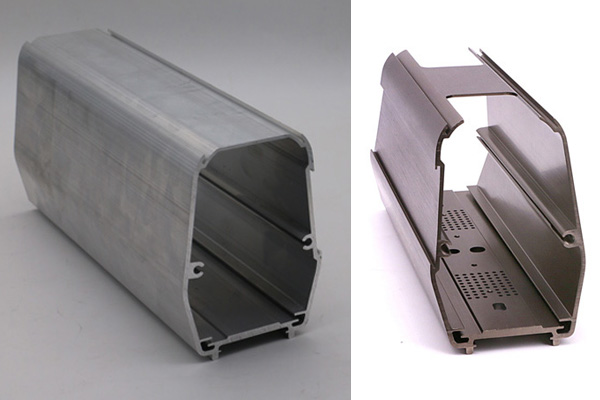
Uses an extruded profile as the starting form, then CNC machines holes, slots, end faces, mounting surfaces, threads, and local precision features—especially useful for suitable repeat-production aluminum structures.

Sheet Metal Fabrication CNC Machining Parts

Sheet Metal Fabrication + CNC Machining

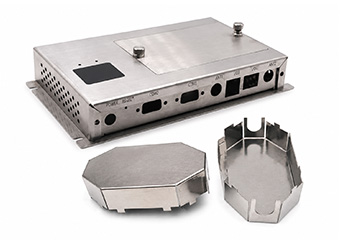
Combines cutting, bending, forming, joining, or sheet-metal fabrication with CNC machining where selected holes, interfaces, mounting faces, or precision features require additional dimensional control.

Custom Metal Stamping CNC Machining Metal Parts

Metal Stamping + CNC Machining

Uses stamping to form suitable sheet-metal geometry, followed by CNC machining when threads, bores, sealing faces, alignment features, or other local dimensions require tighter control than the formed blank alone can provide.

Material Experience

Metal Materials We CNC Machine

Material selection affects strength, weight, corrosion resistance, thermal behavior, machinability, surface finishing, deformation risk, and total manufacturing cost. VMT reviews the specified grade together with part geometry and functional requirements before defining the machining route.

Custom Aluminum CNC Machining Parts

Aluminum CNC Machining

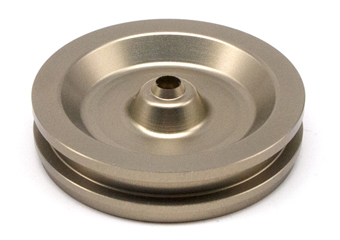
For lightweight housings, brackets, heat sinks, mounts, frames, and structural parts. Thin walls, cosmetic surfaces, machining marks, edge quality, and anodizing dimensions are reviewed before production.

Learn More
Custom Stainless Steel CNC Machining Parts

Stainless Steel CNC Machining

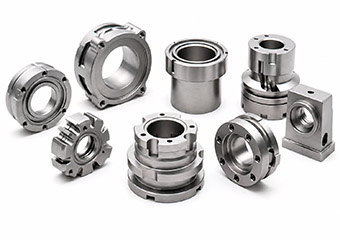
For corrosion-resistant shafts, fittings, hardware, equipment parts, and precision components. Work hardening, cutting heat, burrs, threads, tool wear, and visible surfaces are reviewed by grade and geometry.

Learn More
Custom Steel CNC Machining Parts

Steel CNC Machining

For load-bearing, structural, shaft, fixture, and wear-sensitive components. Hardness, heat-treatment condition, cutting load, distortion risk, and corrosion protection can affect the complete process route.

Learn More
Custom Titanium CNC Machining Parts

Titanium CNC Machining

For lightweight, high-strength, corrosion-resistant components. Cutting heat, rigidity, tool engagement, tool wear, thin sections, and surface requirements are considered before machining.

Learn More
Custom Brass CNC Machining Parts

Brass CNC Machining

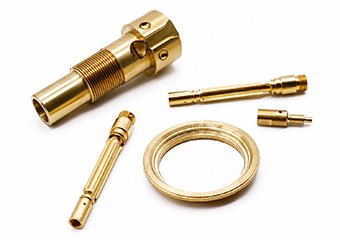
For fittings, connectors, bushings, valves, threaded hardware, and visible components. Thread quality, small features, edges, plating, and surface appearance are considered together.

Learn More
Custom Copper CNC Machining Parts

Copper CNC Machining

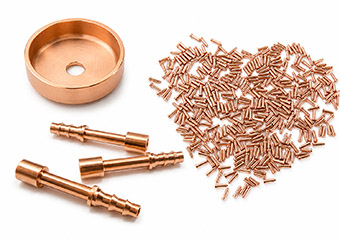
For conductive contacts, thermal components, cooling hardware, busbars, and connectors. Burrs, softness, clamping marks, deformation, surface protection, and tool condition require additional attention.

Learn More
Custom Nickel-Based Superalloys CNC Machining Aerospace Parts

Superalloy CNC Machining

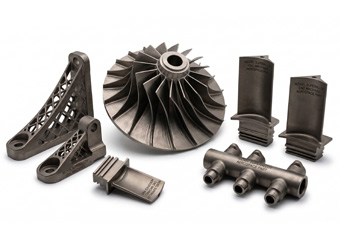
For high-temperature, high-strength, and corrosion-resistant components. Work hardening, cutting heat, chip control, tool wear, and long machining cycles require a material-specific process plan.

Discuss Invar Parts
Custom Kovar Alloy CNC Machining Parts

Kovar Alloy CNC Machining

For electronic, optical, semiconductor, and hermetic-sealing components that rely on controlled thermal expansion. Work hardening, heat concentration, burrs, and dimensional stability require careful machining control.

Discuss Invar Parts
Custom Invar 36 CNC Machining Parts

Invar Alloy CNC Machining

For optical, metrology, semiconductor, and precision structures requiring low thermal expansion. Local heat, work hardening, residual stress, burrs, and temperature-sensitive inspection can affect final stability.

Discuss Invar Parts
Inconel Alloy CNC Machining Medical Parts

Inconel CNC Machining

For aerospace, energy, marine, and high-temperature applications. Inconel work hardens quickly and retains heat at the cutting zone, making tooling, cooling, chip evacuation, and finishing strategy important.

Discuss Invar Parts
Custom Magnesium Alloy CNC Machining Parts

Magnesium Alloy CNC Machining

For lightweight aerospace, automotive, electronics, and equipment components. Wall stability, burrs, heat management, safe chip handling, and corrosion-protective finishing are reviewed with the part design.

Learn More
Custom Iron CNC Machining Parts

Iron CNC Machining

For cast-iron housings, bases, brackets, machine components, and structural parts. Casting datums, graphite chips, porosity, skin condition, and finish-machined interfaces are reviewed before production.

Learn More
CNC Machining Bronze Parts

Bronze CNC Machining

For bushings, bearings, gears, valve parts, wear interfaces, and marine or industrial components. Alloy selection, heat, tool wear, burrs, fit, and surface requirements influence the machining strategy.

Learn More
Engineering Decision Support

How We Select the Right Metal and CNC Process for Your Part

The “best” metal is not simply the easiest material to machine, and the most advanced CNC process is not automatically the best manufacturing route. Material and process selection should start with how your part works: load, weight, corrosion exposure, thermal or electrical performance, geometry, tolerance, finish, production quantity, and total manufacturing cost.

Your Requirement Material Direction CNC Concern Engineering Review
Lightweight structure Aluminum / Titanium Thin walls, rigidity, distortion Strength-to-weight, wall geometry, finishing
Corrosion resistance Stainless / Titanium / treated aluminum Grade-dependent machining and finishing Environment, appearance, mating surfaces
High mechanical strength Alloy steel / Titanium / high-strength aluminum Cutting load, rigidity, tool access Load, section thickness, heat treatment
Electrical conductivity Copper / Brass Burrs, softness, clamping marks Contact areas, flatness, surface protection
Thermal management Aluminum / Copper Thin fins, flatness, surface area Heat path, fin geometry, material removal
Cost-sensitive repeat production Depends on geometry Material waste and machining time Billet CNC versus near-net-shape routes
Metal CNC Machining Material and Material Testing Report
Drawing-Based Parts

Custom CNC Metal Parts We Machine

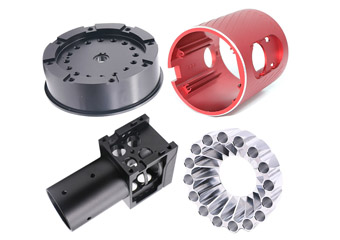
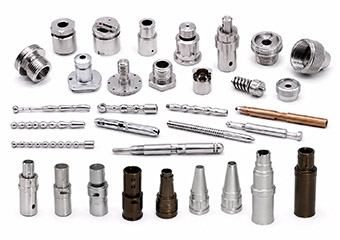
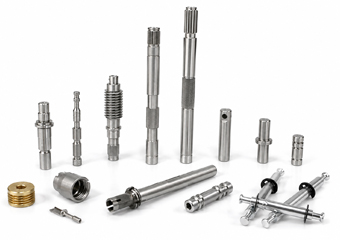
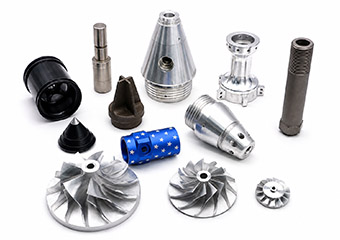
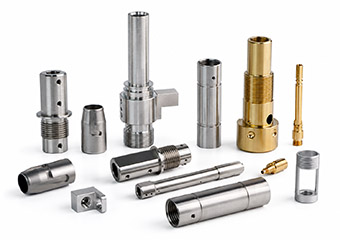
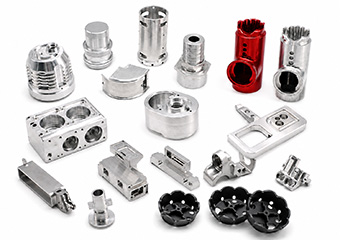
VMT manufactures non-standard CNC metal parts based on customer drawings rather than selling fixed off-the-shelf products. Each part family can require a different combination of milling, turning, Swiss machining, multi-axis machining, finishing, and inspection depending on material, structure, tolerance, and application.

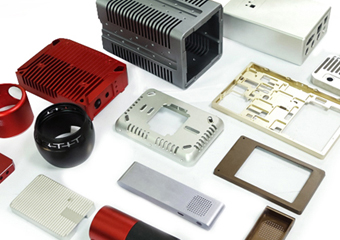
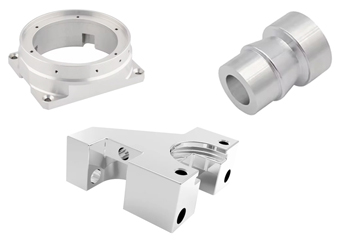
Custom CNC Machining Metal Housings and Enclosures

Metal Housings & Enclosures

Housings protect electronics, optics, sensors, and mechanisms; CNC milling controls cavities, thin walls, ports, mounting datums, and cosmetic surfaces, while dimensional and assembly-focused inspection verifies critical mating features.

Request a Quote
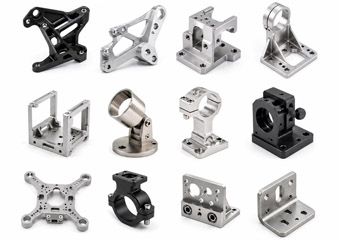
Custom CNC Machined Metal Brackets and Mounts

Metal Brackets & Mounts

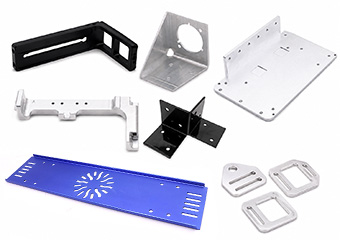
Brackets and mounts locate cameras, sensors, motors, panels, and equipment; multi-face CNC milling controls mounting holes, slots, reference surfaces, angles, and stiffness-sensitive geometry for repeatable alignment.

Request a Quote
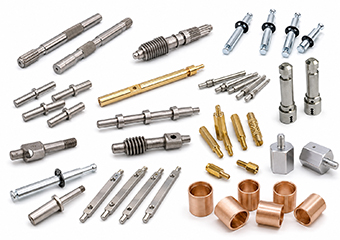
Custom CNC Machining Shafts Pins and Bushings

Shafts, Pins & Bushings

Shafts, pins, sleeves, and bushings transmit motion or provide controlled interfaces; CNC turning or Swiss machining controls diameters, shoulders, grooves, threads, and concentric features with fit-focused inspection.

Request a Quote
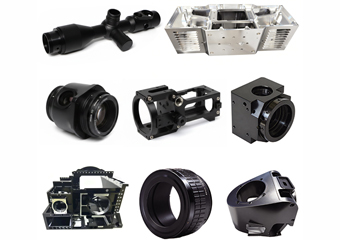
Custom Optical CNC Machining Parts

Optical CNC Machining Parts

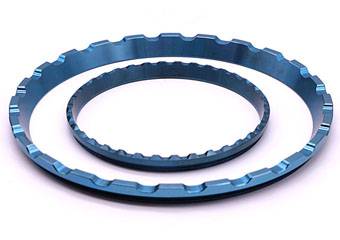
Optical mounts, lens barrels, retaining rings, sensor plates, and precision housings can require controlled bores, concentric relationships, mounting datums, and stable surfaces; turning, milling, and multi-axis machining are selected around optical and assembly interfaces.

Request a Quote
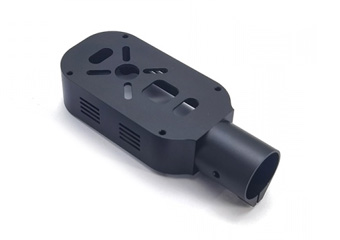
Custom CNC Machined Agricultural Drones Motor Mounts

Drone CNC Machining Parts

Drone frames, motor mounts, gimbal components, camera interfaces, housings, brackets, and lightweight structural parts combine weight, stiffness, multi-face geometry, and assembly requirements that can benefit from aluminum, titanium, and multi-axis CNC machining.

Request a Quote
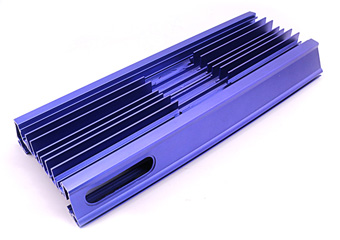
Custom CNC Machined LED Heat Sinks Aluminum Extrusion Housing

Heat Sinks & Thermal Components

Heat sinks, cooling plates, thermal bases, and conductive components require controlled mating surfaces, fins, channels, mounting patterns, and interface geometry to support thermal contact and assembly.

Request a Quote
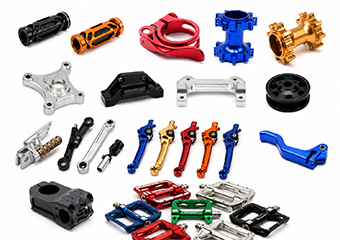
Cutom Bicycle Racing Motorcycle CNC Machining Parts

Bicycle, Racing & Motorcycle CNC Parts

Custom mounts, adapters, brackets, controls, spacers, housings, and performance hardware for bicycles, racing vehicles, and motorcycles can require lightweight materials, strong interfaces, repeatable fit, surface finishing, and inspection around functional features.

Request a Quote
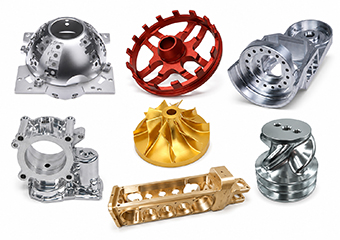
Custom Complex 5-Axis CNC Machinig Metal Parts

Complex 5-Axis Metal Parts

Complex parts with curved surfaces, angled features, deep geometry, or critical details on multiple faces may benefit from 5-axis machining to improve tool access, datum continuity, and control of related surfaces.

Request a Quote
Before Machining

DFM Review Before Metal CNC Machining

A CNC program should not be the first time manufacturing risks are discovered. Before machining, VMT reviews your drawing, 3D model, material, tolerances, surface finish, assembly interfaces, and production requirements to identify features that may increase machining difficulty, dimensional risk, or unnecessary cost.

Material & StockGrade, condition, stock form, machining allowance, and finishing requirements.
Datum & SetupDrawing references, primary datums, setup transfers, and inspection relationships.
Thin WallsWall distribution, cutting direction, support, roughing sequence, and finishing allowance.
Deep FeaturesTool reach, cutter diameter, corner geometry, and multi-axis access.
Threads & FitsDeep holes, sealing interfaces, press fits, threads, and functional diameters.
Tolerance & FinishCritical features and how finishing may influence the final part.
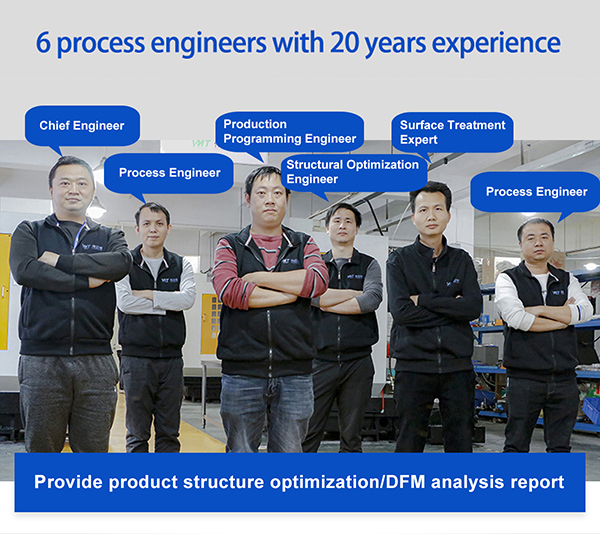
6 People with 20 Years of Experience in DFM Analysis Engineering Support
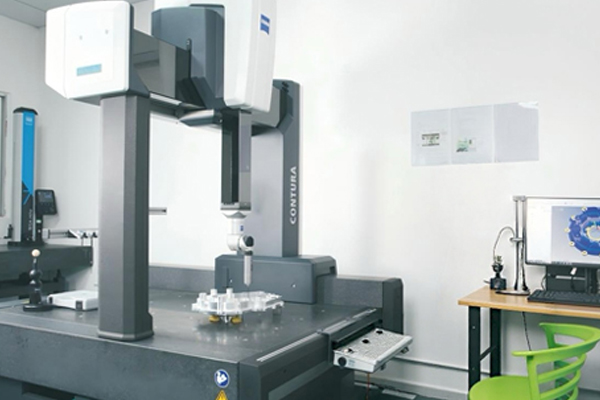
CMM Inspection for Precision CNC Machined Parts
Critical Features

How We Control Critical Features and Tolerances

Precision metal CNC machining is not only about achieving a small tolerance value. What matters is whether the correct features remain within drawing requirements after machining, finishing, inspection, and assembly. VMT focuses manufacturing and inspection control on the dimensional relationships that affect part function.

Hole Size & PositionDatum selection, drilling or boring strategy, tool condition, and final verification.
Bores & FitsMachining allowance, concentric relationships, fit requirements, and measurement method.
FlatnessClamping support, balanced stock removal, finishing sequence, and inspection setup.
Parallelism & PerpendicularityPrimary datums, multi-face machining strategy, and related surface verification.
Rotational FeaturesTurning sequence, workholding, shoulders, diameters, and concentric relationships.
Threads & InterfacesThread process, finishing allowance, gauge or dimensional verification, and mating requirements.
Finished-Part Planning

Surface Finishes for CNC Machined Metal Parts

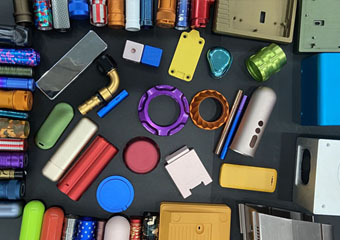
Surface finishing can improve appearance, corrosion resistance, wear behavior, cleanliness, branding, or functional performance, but it can also affect dimensions, edges, threads, fits, and cosmetic consistency. We review finishing requirements together with the machining process so the finished component is considered during production planning.

As-Machined Aluminum CNC Machining Parts

As Machined

Controlled CNC tool marks remain visible; cutter condition, burr control, and visible-surface expectations should still be defined where no secondary finish is used.

Sandblasting Anodizing Aluminum CNC Machining Parts

Anodizing

Common for aluminum housings and structural parts where cosmetic surfaces, masking, thread fit, and dimensional change on critical features must be reviewed before finishing.

Hard Anodizing Aluminum CNC Machined Parts

Hard Anodizing

Used when aluminum requires greater wear resistance; coating build-up can influence bores, threads, mating faces, and sliding interfaces.

Passivation Stainless Steel CNC Machined Parts

Passivation

Common for stainless steel where corrosion performance and clean metallic appearance are important; surface contamination, residue, and burrs should be controlled first.

Nickel Plating Stainless Steel CNC Machined Parts

Electroless Nickel

Can provide corrosion and wear performance with relatively uniform coverage; coating thickness should be considered on precision fits, bores, threads, and mating interfaces.

PVD Aluminum CNC Machining Parts

PVD

Can provide decorative appearance or surface performance on suitable metals, but the underlying machined or polished surface remains important because coating does not hide every defect.

Brushing CNC Machining Parts

Brushing

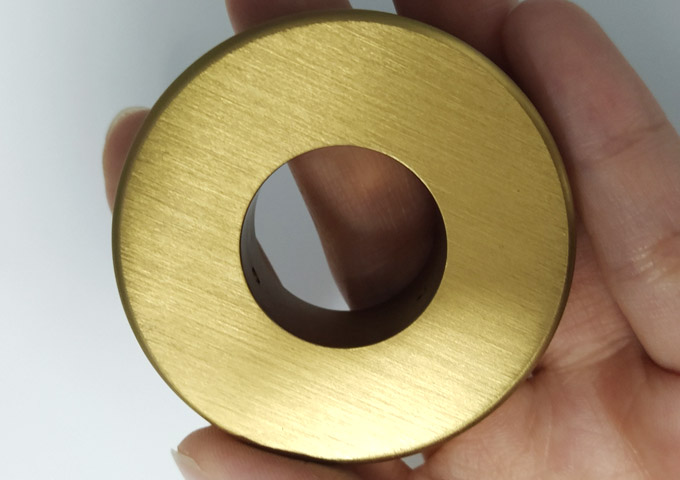
Creates a directional texture on visible aluminum or stainless steel surfaces; machining marks, grain direction, transitions, and cosmetic zones should be coordinated in advance.

Polishing CNC Machining Parts

Polishing

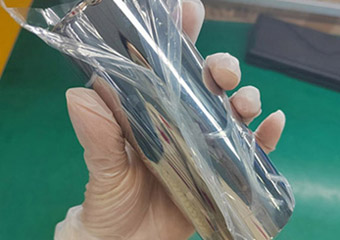
Creates smoother or reflective surfaces; pre-polish geometry, edge retention, scratches, dimensional sensitivity, and local material removal should be considered before finishing.

Quality Control

Quality Inspection for Custom CNC Metal Parts

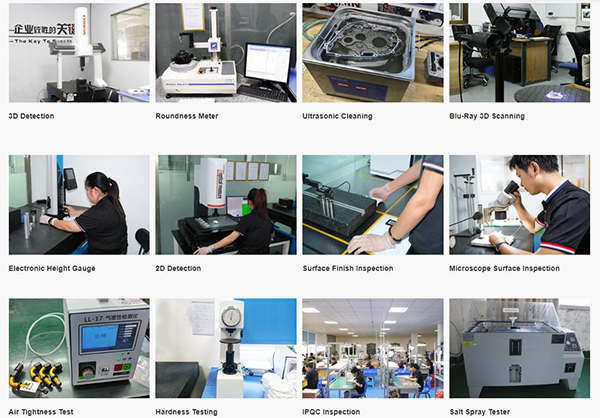
Inspection should follow the function of the part and the requirements of the drawing. VMT integrates quality control throughout the machining process so material, critical dimensions, functional interfaces, surface condition, and finished-part requirements can be checked at the appropriate stage instead of relying only on a final inspection.

Material VerificationMaterial grade, specification, or supporting documentation according to project requirements.
First-Part VerificationConfirm tool paths, datums, critical dimensions, and machining assumptions before continued production where appropriate.
In-Process InspectionCheck critical features during machining so drift, tool wear, or setup issues can be identified earlier.
Precision MeasurementCMM, gauges, micrometers, height measurement, optical methods, or other suitable tools depending on the feature.
Surface InspectionReview burrs, scratches, tool marks, edge condition, coating, anodizing, polishing, and project-specific appearance requirements.
Final Inspection & PackagingVerify finished requirements and protect cosmetic surfaces, threads, edges, and precision interfaces during transport.
Quality Inspection of CNC Machined Parts in VMT CNC Machining Factory
Scale with the Project

From Metal CNC Prototypes to Repeat Production

A successful prototype proves that a design can be manufactured once. Repeat production requires stable workholding, controlled machining sequences, documented critical features, consistent finishing, and inspection methods that can be repeated across future batches.

1

Prototype Machining

Validate geometry, assembly, clearances, functional fits, surface requirements, material selection, and design assumptions.

2

Engineering Feedback

Review difficult features, tolerance requirements, tool access, distortion, thread or fit issues, finishing effects, and inspection feasibility.

3

Process Stabilization

Refine fixtures, tools, datums, machining sequence, inspection planning, finishing coordination, and packaging definition.

4

Repeat Production

Maintain approved critical dimensions, assembly interfaces, cosmetic surfaces, finishing, inspection, and packaging requirements.

Manufacturing Economics

How We Reduce Metal CNC Machining Costs

The lowest unit price does not always create the lowest project cost. Material, stock size, machining time, tool access, number of setups, tolerance requirements, surface finishing, inspection, and production quantity should be reviewed together before deciding where cost can be reduced without changing the features that control part function.

Material by FunctionAvoid paying for strength, hardness, or alloy performance the application does not require.
Reduce Material RemovalReview stock size and whether another starting form can reduce rough machining.
Reduce SetupsUse better datum planning, multi-axis machining, or turn-mill where the geometry justifies it.
Apply Tight Tolerances SelectivelyProtect bearing, sealing, locating, and mating features without over-controlling non-critical geometry.
Improve Tool AccessReview deep cavities, narrow slots, and small internal radii that may force slower and less stable machining.
Plan Finishing EarlyDefine coating, masking, cosmetic zones, and finish-related dimensions before machining begins.

When Solid-Billet CNC Machining Is Not the Best Production Route

Manufacturing Route When It May Fit What Still Requires Review
Solid Billet CNC Flexible prototypes, lower quantities, changing designs, geometry that benefits from full machining Material waste, cycle time, setups, tolerance and finish requirements
Extrusion + CNC Parts with a repeatable cross-section plus precision local features Profile tooling, quantity, material condition, local machining, finishing
Forging + CNC Certain load-bearing or high-strength parts where near-net shape reduces material removal Tooling cost, quantity, material, heat treatment, critical CNC features
Casting + CNC Some complex production geometries where casting forms the main shape Material, porosity risk, tooling, datum strategy, sealing and precision interfaces
Applications

Industries Using Our CNC Machined Metal Parts

Different industries place different demands on material performance, geometry, appearance, cleanliness, assembly, and repeatability. VMT reviews the complete application so the CNC process, material, finishing, and inspection plan match the part’s actual use.

Automotive CNC Machining Parts

Automotive

Fittings, adapters, housings, brackets, shafts, and custom vehicle components can require controlled threads, sealing interfaces, mounting geometry, strength, corrosion resistance, and repeatable assembly.

Robotics Industry CNC Machining Parts

Robotics & Automation

Robot housings, sensor mounts, actuator components, brackets, shafts, frames, and precision interfaces often combine complex geometry with alignment, weight, motion, and assembly requirements.

Electronics CNC Machining Metal Parts

Electronics

Electronic housings, heat sinks, connector parts, frames, brackets, and visible metal components can require dimensional control together with thermal performance and cosmetic finishing.

Industrial Equipment CNC Machining Parts

Industrial Equipment

Equipment housings, shafts, brackets, fixtures, sensor bodies, manifolds, and custom machine interfaces can require durability, dimensional repeatability, corrosion control, and serviceable assembly.

Custom CNC Machining Medical and Dental Equipment Parts

Medical Equipment

Medical housings, positioning parts, instrument components, mounts, and custom hardware can require defined materials, critical dimensions, controlled surfaces, cleanliness, and documented inspection.

OEM custom semiconductor CNC high precision machining aluminum alloy parts

Semiconductor Equipment

Vacuum components, wafer-handling parts, chamber hardware, gas-system interfaces, and precision equipment structures can require material control, complex geometry, clean surfaces, and repeatable inspection.

Custom 5 Axis Aerospace Machining CNC Parts

Aerospace

Aerospace structures, engine-related hardware, avionics housings, UAV components, and high-performance parts often combine complex geometry with lightweight alloys, titanium, stainless steel, or superalloys.

Camera and audio CNC machined metal parts

Camera & Audio Equipment

Camera housings, lens mounts, optical rings, microphone bodies, knobs, faceplates, mounts, and visible hardware can require both precision interfaces and premium cosmetic surfaces.

Factory & Engineering Support

Metal CNC Machining Manufacturer for Custom Parts

VMT is a custom metal CNC machining manufacturer in Shenzhen, China, focused on non-standard precision parts manufactured according to customer drawings, samples, materials, tolerances, surface requirements, and production needs.

Our role is not limited to operating CNC machines. A custom metal part may require engineering review, material selection, CNC milling, turning, Swiss machining, multi-axis machining, inspection, surface finishing coordination, and production planning before it becomes an assembly-ready component.

Engineering ReviewDFM, material, tolerance, surface and assembly risk review.
Process PlanningMilling, turning, Swiss, 5-axis, turn-mill and combined manufacturing routes.
InspectionCritical feature verification according to drawing and project requirements.
Prototype to ProductionValidation, fixture optimization, finishing coordination and repeat production planning.
Real Production Cases

Real Metal CNC Machining Project Cases

The following projects come from VMT’s own production records. In each case, our engineers reviewed the customer’s original machining route and changed the blank, process split, or CNC strategy when it could reduce material waste, cycle time, or production cost while keeping precision machining on the features that required it.

Custom CNC Machined Aluminum Extrusion Housing for Industrial Controller
Extrusion + CNC

1,000-Piece Industrial Controller Project

The customer’s initial CNC quotations were above budget for a 1,000-piece order. After reviewing the controller structure, we changed the starting form to an extrusion and used CNC machining for the holes, slots, bevels, mounting areas, and other local precision features.

Cold Forging CNC Machining Laser Galvanometer Machine Case Parts
Cycle Time & Cost

Laser Galvanometer: 35 Minutes to 12 Minutes

For this laser galvanometer part, machining from square stock required about 35 minutes. We changed the route to cold forging plus CNC machining, reducing the machining time to about 12 minutes and lowering the documented manufacturing cost by 60%.

5-Axis CNC Machining Petrochemical Connectors
Complex Geometry

5-Axis Petrochemical Connector Process Optimization

This irregular eccentric connector would have required raw stock about twice the finished part’s outer diameter if it were machined directly by a conventional 5-axis route. We split and re-planned the process to reduce unnecessary stock, machining area, and material waste.

Customer Email Feedback

What Customers Say About Working with VMT

The customer messages below were sent directly to VMT after machined parts were received or tested. They reflect practical sourcing signals that matter to engineering and procurement teams: sample quality, production readiness, finished-part appearance, and confidence to place larger or repeat orders.

Prototype to Production
“Your parts were perfect, thank-you. I want to order a production quantity soon.”

Customer email after receiving and checking the machined parts.

Sample Validation
“We have now tested the samples and found out that their quality was very good. So, we would like to order a batch of 1000 pcs of each type for our production.”

Customer email after sample testing and approval for production.

Batch Quality & Repeat Shipment
“We received 3 boxes out of the 5 today from UPS. The parts look great, wanted to provide you with that feedback.”

The same customer message also discussed the next shipment of 5,124 pieces.

FAQ

Metal CNC Machining FAQs

Answers to common engineering and procurement questions about materials, process selection, tolerances, finishing, production, cost, and supplier evaluation.

Q: What metals can VMT CNC machine?

A: VMT supports CNC machining of aluminum, stainless steel, carbon and alloy steel, titanium, brass, copper, and other machinable metals depending on the drawing, material specification, geometry, tolerance, and finishing requirements. If your material is not listed, send the grade and drawings for engineering review before quotation.

Q: What is the best metal for CNC machining?

A: There is no single best metal for every CNC part. Aluminum may suit lightweight housings and heat sinks, stainless steel corrosion-resistant components, steel load-bearing parts, titanium lightweight high-strength applications, and copper or brass conductive or precision components. Selection should balance function, machinability, finishing, availability, and total cost.

Q: How do you choose between CNC milling and CNC turning for metal parts?

A: CNC turning is generally suitable when the main geometry is rotational, such as shafts, sleeves, rings, and fittings. CNC milling is better suited to housings, brackets, plates, pockets, and multi-face geometry. Parts combining both types of features may use turn-mill or multiple CNC processes after engineering review.

Q: Can VMT machine metal parts with tight tolerances?

A: Yes, where the material, geometry, feature relationship, machining method, and inspection approach support the drawing requirement. Instead of applying one tolerance claim to every part, VMT reviews which dimensions control fit or function and develops the datum, machining sequence, fixturing, and inspection strategy around those critical features.

Q: How do you reduce distortion in thin-wall CNC metal parts?

A: Thin-wall distortion can come from raw-material stress, uneven stock removal, cutting heat, and excessive clamping force. Depending on the structure, the machining plan may use staged roughing and finishing, balanced material removal, controlled datums, optimized fixtures, additional support, and intermediate inspection.

Q: Does anodizing or plating affect CNC machined dimensions?

A: Yes. Anodizing, hard anodizing, nickel plating, PVD, powder coating, and other finishes can affect surfaces differently. Critical bores, threads, mating faces, or fits should be identified before machining so allowances, masking, finishing sequence, and final inspection can be planned around the finished-part requirement.

Q: Can VMT support both CNC prototypes and production quantities?

A: Yes. Prototype machining can validate geometry, fit, material, and surface requirements before the process is refined for repeat production. As quantities increase, VMT can review fixtures, machining sequence, tool strategy, in-process inspection, finishing control, and packaging to improve repeatability.

Q: How can metal CNC machining costs be reduced?

A: Cost can often be reduced by selecting an appropriate material, avoiding unnecessary tight tolerances, improving tool access, reducing setups, optimizing internal radii, defining finishing early, and reducing excessive material removal. For suitable repeat-production parts, extrusion, forging, or casting combined with finish CNC machining may also be evaluated.

Q: What information should I provide for a metal CNC machining quote?

A: Ideally provide a 3D model, 2D drawing, material grade, quantity, tolerance requirements, surface finish, critical dimensions, inspection requirements, and any assembly or application information that affects manufacturing.

Q: How should I choose a metal CNC machining supplier or manufacturer?

A: Look beyond machine quantity and quoted price. A suitable supplier should understand your material, identify DFM risks, select the appropriate CNC process, control critical dimensions, coordinate surface finishing, provide suitable inspection, communicate engineering issues clearly, and show how an approved prototype can be transferred into repeat production.

Engineering Guide

Guide to Custom Metal CNC Machining

This guide brings the main material, design, machining, finishing, inspection, cost, and RFQ decisions into one continuous reference for engineers, procurement teams, and product developers.

1. What Is Metal CNC Machining?

Metal CNC machining uses computer-controlled cutting processes to remove material from aluminum, steel, stainless steel, titanium, copper, brass, superalloys, and other metals to create custom components from CAD models and engineering drawings. Depending on part geometry, the manufacturing route can include milling, turning, Swiss machining, 3+2 or 5-axis machining, drilling, tapping, boring, or combined operations.

View Full Metal CNC Machining Guide

2. How to Choose a Metal for CNC Machining

Start with the function of the part rather than machinability alone. Compare strength, weight, corrosion resistance, operating temperature, electrical or thermal conductivity, wear, surface appearance, finishing, availability, and total manufacturing cost. The most expensive or highest-strength alloy is not automatically the best choice for every application.

3. Designing Metal Parts for CNC Machining

Internal corner radius, pocket depth, wall thickness, hole depth, thread access, cutter clearance, datum definition, tolerance relationships, and cosmetic surfaces all influence machining difficulty. DFM review should identify which features are truly functional and which can use more practical geometry or tolerance without changing the design intent.

4. How Different Metals Affect CNC Machining

Aluminum can be sensitive to thin-wall distortion and cosmetic surface damage. Stainless steel introduces heat, work hardening, burr, and tool-wear challenges. Steel behavior changes with grade and hardness. Titanium and nickel-based alloys require strong heat and tool-life control. Brass often machines cleanly on turned features, while copper can deform or burr more easily. Kovar and Invar add thermal-stability and work-hardening considerations.

5. Surface Finishing After CNC Machining

Finishing should be defined before machining whenever it can affect dimensions or appearance. Anodizing, hard anodizing, passivation, plating, PVD, brushing, polishing, and powder coating may influence edges, threads, bores, masking zones, and visible surfaces. Critical fits should be reviewed around the finished-part requirement rather than only the as-machined condition.

6. What Determines Metal CNC Machining Cost?

Major cost drivers include raw material, stock size, material removal, machining time, tool access, number of setups, tolerance, inspection, finishing, and quantity. For suitable production parts, extrusion, forging, casting, or stamping plus CNC machining can reduce unnecessary stock removal while preserving precision on critical interfaces.

7. Prototype Validation Before Production

Use prototypes to verify assembly fit, clearances, thread engagement, mounting interfaces, sealing surfaces, distortion, burrs, cosmetic requirements, coating effects, and the planned inspection method. The approved sample can then support fixture, tool, process, finish, and packaging decisions for repeat production.

8. Quality Inspection for CNC Metal Parts

Inspection methods can include calipers, micrometers, height measurement, thread gauges, pin gauges, bore measurement, optical measurement, CMM, visual inspection, and finish-specific checks. The correct method depends on the feature being controlled and the drawing requirement—not simply on using the most advanced measuring equipment.

9. How to Prepare a Metal CNC Machining RFQ

Provide a 3D CAD model, 2D drawing, material and grade, quantity, critical tolerances, surface finish, heat treatment if required, inspection requirements, assembly information, and any application details that affect important features. A complete RFQ reduces assumptions and helps the engineering team compare process routes and quotation options more accurately.

Start With Your Drawing

Ready to Start Your Custom Metal CNC Machining Project?

Send your 2D/3D files, material, quantity, critical tolerances, surface finish, inspection, and assembly requirements. VMT can review material, geometry, CNC process, finishing, inspection, and production requirements before quotation.
Customer Reviews

Bluetooth headset charger housing customer
icon icon icon icon icon 2024-08-02

The manufacturer is strongly recommended. In the past few years of cooperation we have ordered several machined products from aluminum and stainless steel. These products are manufactured in compliance with tolerance requirements and require product finish. Now I have ordered another one. The service is excellent and any questions can be answered and resolved in time.
AN Automotive Oil Cooling Joint Customer
icon icon icon icon icon 2021-05-13

The dimensions are all customized according to my drawings no tolerance issues and the parts are delivered on time. I am very satisfied with it.

Flashlight shell machining customers
icon icon icon icon icon 2021-04-06

I pay much attention to the surface treatment aspect of this product. I was a little worried about the cooperation at the beginning. I am very satisfied with the product now and hope to cooperate for a long time.
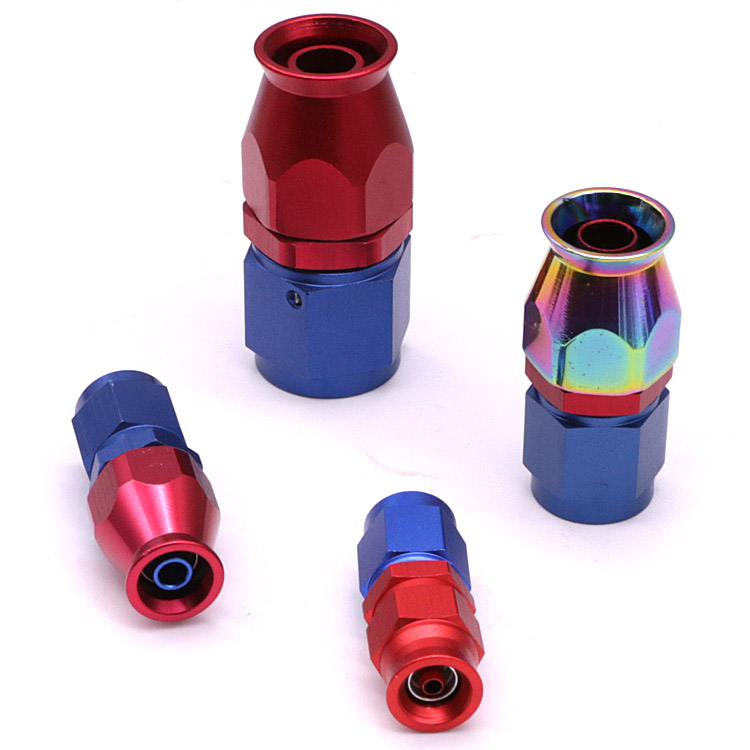
AN8 Straight PTFE Hose End Fitting
icon icon icon icon icon 2022-09-22
AN8 Straight PTFE Hose End Fitting for PTFE Fuel Line Fitting Adapter Black Blue Red

Upload 2D/3D drawings

Upload Your Files or Contact inquiry@vimetal.com.cn to Get Instant Quote (Please attach 2D CAD drawings and 3D CAD models in any format including STEP, IGES, DWG, PDF, STL, ZIP, etc.).

Upload files ( Max file size: 20MB )
+86 15099911516
loading