16 years one-stop China custom CNC machining parts factory

Hey there I’m VMT Sam!
With 25 years of CNC machining experience we are committed to helping clients overcome 10000 complex part-processing challenges all to contribute to a better life through intelligent manufacturing. Contact us now
 841 |
Published by VMT at Feb 07 2026 | Reading Time:About 2 minutes
841 |
Published by VMT at Feb 07 2026 | Reading Time:About 2 minutes


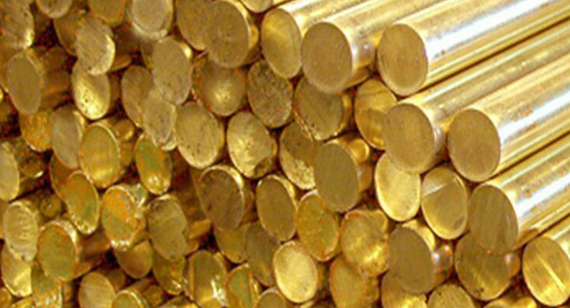
As a well-known free-cutting brass HPb59-1(also called 59-1 brass or HPb59-1 copper), it is the material that combines high-speed production with excellent durability. From automotive manufacturing to electronic parts, high precision brass parts are made by CNC machining due to its excellent machinability. For other HPb59-1 manufacturing, hot forging process and welding are also quite suitable for this 59-1 brass. This versatile HPb59-1 brass with acceptable strength and corrosion resistance is what we will discuss in this article—its equivalents, composition and properties, applications and manufacturing notes of 59-1 brass’ CNC machining, hot forging and welding. Read on to get better engineering insights for your design and manufacturing needs.
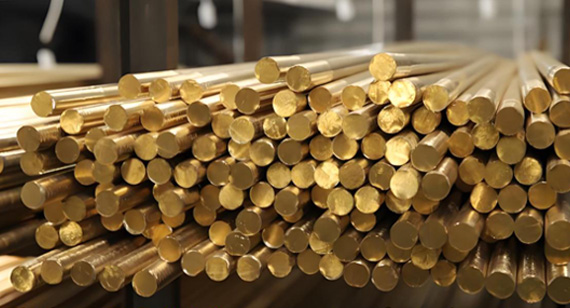
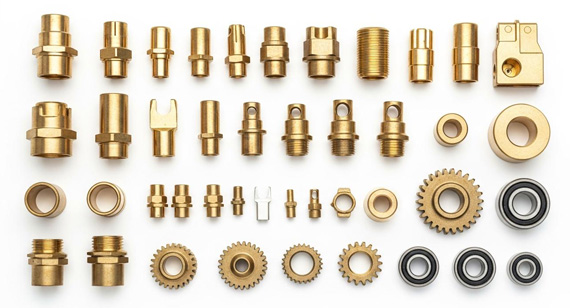
Mainly contains 57.0% – 60.0% Copper, ~38% - 41% Zinc, 0.8% – 1.9% Lead, this HPb59-1 material has excellent machinability thanks to it self-lubricating properties of lead; cutting, drilling or milling this material can be quite easy. Other properties of HPb59-1 brass are moderate-to-high strength of 380–550 MPa; moderate corrosion resistance that well-performed in dry or freshwater environments; good thermal stability (melting point around 900–940°C) and efficient thermal conductivity; good weldability and hot formality. Therefore, pumping uses like industrial or agricultural valves (but not for drinking water system for it is not lead-free brass); heat transfer uses like connectors, terminals; other precision common industrial pars like gears, bushings, bearings, automative uses valves or connectors; these are all can be manufactured by HPb59-1 brass.
HPb59-1 Material Equivalent
For whether HPb59-1 the same as the material you use in the US, Europe, or other regions, you can check HPb59-1 equivalents in different regions in below table:
Table 1: Equivalents of HPb59-1 Brass
| Standard |
Equivalent Grade |
| GB (Chinese) |
HPb59-1 |
| ISO |
CuZn39Pb2 / CuZn40Pb2 |
| ASTM (American) |
C37700 / C36000 |
| EN (European) |
CW617N / CW614N |
| DIN (German) |
2.0380 / CuZn39Pb2 |
| BS (UK) |
CZ122 / CZ121 |
| NF (French) |
CuZn40Pb2 |
| AS/NZS (Australia/NZ) |
C3771 / C385 |
| NS / SS (Norway/Sweden) |
SS 5170 / CW617N |
| GOST (Russia) |
LS59-1 |
| JIS (Japanese) |
C3771 / C3603 |
Mainly the lead content of HPb59-1 brass improves machinability by acting as an internal lubricant; Zinc acts as the main alloying element to enhance strength and hardness; while Copper provides moderate corrosion resistance and electrical conductivity. Below table shows chemical composition of HPb59-1 brass:
Table 2: Chemical Composition of HPb59-1 Brass
| Element |
Standard Range (%) |
| Copper (Cu) |
57.0 – 60.0% |
| Lead (Pb) |
0.8 – 1.9% |
| Iron (Fe) |
≤ 0.5% |
| Aluminum (Al) |
≤ 0.2% |
| Nickel (Ni) |
≤ 1.0% |
| Zinc (Zn) |
Balance (Approx. 38–41%) |
| Other impurities |
Total ≤ 1.0% |
Physical Property
HPb59-1 is medium weight brass alloy and has good thermal stability for high-precision components; moderate electrical conductivity sufficient for general electrical connectors.
Table 1: HPb59-1 Physical Properties
| Property |
Value |
| Density |
8.5 g/cm³ |
| Melting Point |
900 – 930°C |
| Thermal Conductivity |
105 – 110 W/(m·K) |
| Electrical Conductivity |
~20% IACS |
| Coefficient of Linear Expansion |
20.5 × 10⁻⁶/°C |
| Electrical Resistivity |
0.065Ω·mm²/m |
Mechanical Property
HPb59-1 mechanical properties vary depending on its "temper" (processing states such as hot-rolled, annealed, or hard-drawn). Mechanical strength and hardness of HPb59-1 brass increase with cold-drawing or aging; lower elongation in cold-working states while higher in annealed states.
Table 2: HPb59-1 Mechanical Properties
| Property |
Value |
| Tensile Strength |
380 – 550 MPa |
| Yield Strength |
180 – 220 MPa |
| Elongation |
15 – 19% |
| Hardness |
75 – 130 HB |
| Modulus of Elasticity |
93 – 105 GPa |
| Machinability Rating |
100%(using C36000 as the baseline) |
You might see both HPb59 and HPb59-1 listed in catalogs. The suffix "-1" indicates a more controlled lead distribution and chemical consistency.
In the microstructure of HPb59-1, lead is distributed in fine, uniform particles, a consistency that standard HPb59 cannot guarantee. This distribution provides a "self-lubricating" effect and ensures that chips fracture instantly during formation. Consequently, this minimizes the formation of built-up edge (BUE) on cutting tools, resulting in superior surface finishes and reducing the need for subsequent polishing. Furthermore, while generic HPb59 is prone to unpredictable micro-cracks during molding due to fluctuating impurity levels, HPb59-1 offers enhanced stability through rigorous impurity control.
For automated CNC environments, HPb59-1 is preferred because it offers more predictable chip-breaking behavior, reducing the risk of machine downtime and provides a better suface finishing and stability compared to the more generic HPb59.
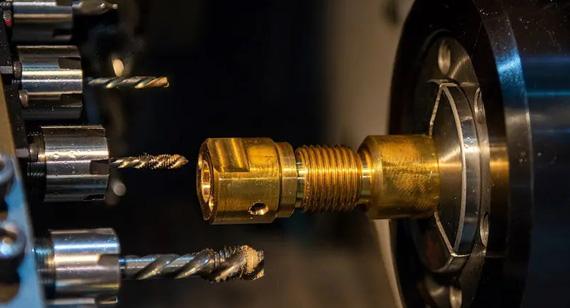
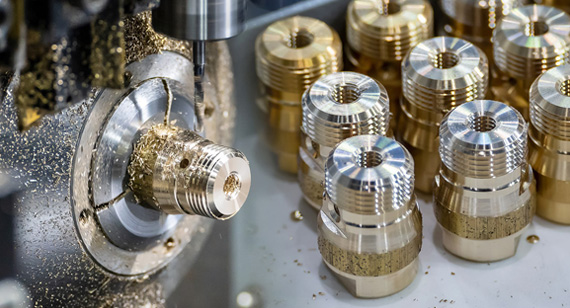
CNC machining is cutting, drilling, milling the brass through a lathe or other tooling machine; these processed controlled by a designed computer program routes to achieve your required parts’ shape. As a CNC service provider, we consider HPb59-1 brass a good option for high-volume orders due to its excellent machinability.
Key Advantages of HPb59-1 Brass CNC Machining
CNC Machining Tips for HPb59-1 Brass
Hot Forging and Hot Stamping
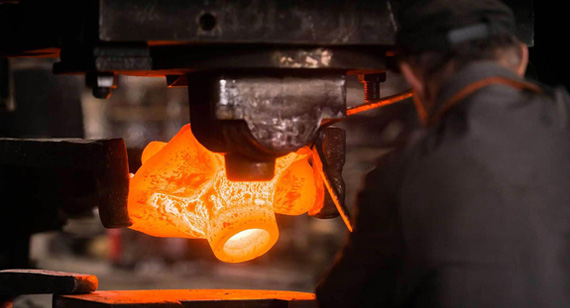
HPb59-1 exhibits good plasticity when heated to temperatures between 650°C and 750°C when hot forging and stamping are highly suitable for this brass. This is that HPb59-1 flows easily into complex mold cavities, resulting in high-density components with superior structural integrity compared to standard castings. Heavy-duty valve bodies, high-pressure fittings, and architectural hardware can be directly manufactured through the processes (precision is not as tight as CNC machining).
Hot Extrusion
The hot extrusion process is the standard method for producing high-quality HPb59-1 bars and rods used in CNC machining. By forcing the heated billet through a precision die, manufacturers can create complex cross-sectional profiles and hollow tubes with consistent mechanical properties. Because HPb59-1 maintains excellent stability during extrusion, the resulting profiles require minimal post-processing, providing a cost-effective solution for structural decorative trims and gear blanks.
Welding and Joining
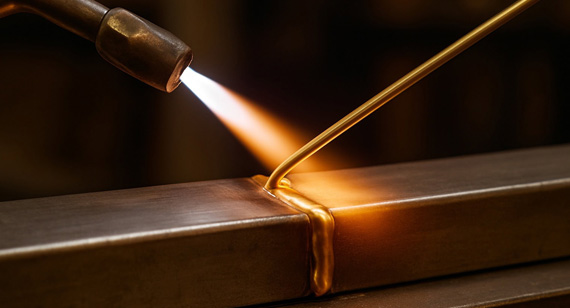
HPb59-1 brass offers good weldability, particularly in brazing (silver or copper-based). Due to its high thermal conductivity and zinc content, traditional arc welding requires expert heat management to prevent "zinc burn-off" and porosity. However, for brazing, as the operating temperature remains between 650°C and 800°C—well below the boiling point of zinc (approx. 907°C) and the alloy's melting point—the base metal stays solid, effectively preventing zinc evaporation and oxidation. For most industrial assemblies, brazing offers a clean joint without compromising the alloy's mechanical strength.
Die Casting and Gravity Casting
HPb59-1 is utilized in gravity and die casting for parts with intricate internal geometries that are difficult to machine. It is often used to cast large-scale plumbing fixtures and specialized industrial pump components. During the casting process, precise temperature control( a pouring range between 910°C and 1050°C with a core target of 910°C–930°C ) is important to prevent lead segregation.
Surface Treatments and Finishing
HPb59-1 brass has quite good surface finishing; Its moderate hardness and fine grain structure allow it to be polished to a mirror-like finish with ease. It provides excellent adhesion for electroplating processes, including chrome, nickel, or nickel-chromium plating, which are common in automotive interiors and other hardware. Additionally, chemical passivation can be applied to maintain its natural golden luster and protect it from oxidation in humid environments.
Due to its balance of strength and corrosion resistance, surface finish, excellent machinability and hot formality, HPb59-1 brass is used in various industries such as:
Plumbing
This is the most common use for HPb59-1. It can be hot-forged into complex shapes and then precision-machined, it is the standard material for:
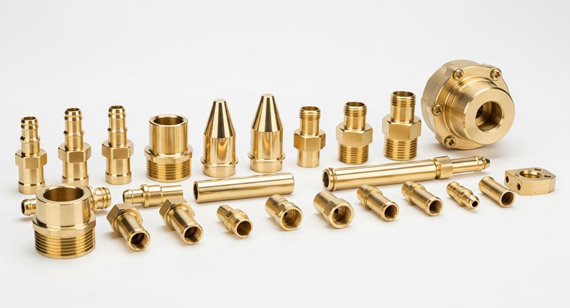
The automotive industry relies on HPb59-1 for components that withstand vibration and moderate pressure while remaining cost-effective for mass production.
While not as conductive as pure copper, HPb59-1 offers the necessary rigidity and ease of machining for complex electrical interfaces.
General Engineering and Precision Instruments
This article focuses on HPb59-1 brass manufacturing processes and properties. For design or manufacturing HPb59-1 brass components, it’s important to learn that HPb59-1 brass has good machinability with good surface finishing and is highly suitable for CNC machining, hot forging; while good weldability, moderate-to-high strength, corrosion resistance, impact resistance keep as this material main characteristics.

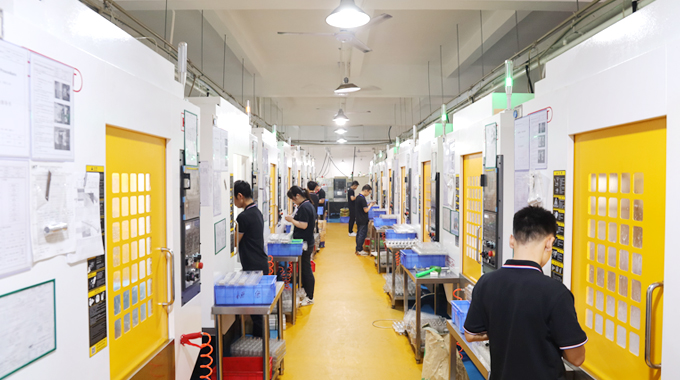
Recently, a European client approached us (VMT CNC machining factory) to manufacture pressure sensor housing that requires a thread mating precision of ±0.01mm to ensure a high degree of sealing. Since the housing is intended for high-vibration industrial environments (automotive use), the material must possess a certain level of fatigue strength. Furthermore, during the machining of deep holes and fine threads, it is essential to avoid inner wall scratches caused by poor chip evacuation or thin-wall deformation due to thermal stress, which would fail to meet precision assembly requirements.
Solution: In response to these requirements, we recommended HPb59-1 brass for part production. We adopted a "forging first, turning later" composite process scheme. First, utilizing the excellent thermoplasticity of HPb59-1 at approximately 700°C, the pre-forming of the housing blank was completed through a hot stamping process; this not only made the internal metal grains denser to enhance compressive strength but also reduced subsequent machining volume by 35%. Subsequently, a Swiss-type CNC machine was used for the precision machining of critical seal grooves and connecting threads. Leveraging the outstanding chip-breaking performance of HPb59-1, VMT successfully solved the chip evacuation challenges in deep-hole machining. Finally, the parts underwent an environmentally friendly trivalent chromium passivation treatment to form a nano-scale protective film on the surface, enhancing resistance to moisture and chemical erosion without altering the dimensions of the parts.
Results: Through this combined process, the comprehensive material utilization rate of the parts increased by 30%; during the quality inspection phase, the one-time pressure test pass rate of the finished products remained above 99.8%; and the oxidation resistance life of the passivated housing was extended by 5 times compared to untreated parts.
Q1: Is HPb59-1 lead-free?
No. It contains 0.8% to 1.9% lead. If your project requires "Lead-Free" compliance (like for certain medical or drinking water standards), you should look for alloys like C27450 or C69300.
Q2: Can HPb59-1 be used for drinking water pipes?
In many regions (like the USA and parts of the EU), the lead content in HPb59-1 exceeds the limits for "potable water" contact. It is better suited for gas valves, industrial fittings, and non-drinking water systems.
Q3: How does the price of HPb59-1 compare to other brasses?
HPb59-1 is relatively cost-effective compare to other brasses because it has simple composition and is a standard industrial grade produced in high volumes. Its "free-cutting" property also lowers the "cost-per-part" by reducing machining time.
Q4: Does HPb59-1 rust?
HPb59-1 brass does not prone to rust like iron, but it can oxidize. For decorative use or oxidation protection, HPb59-1 brass is often electroplated with nickel or chrome to maintain a shiny appearance and improve corrosion resistance.
Q5: What is the machinability rating of HPb59-1?
It is generally rated at 100% (using C36000 as the baseline). It is the benchmark against which the machinability of all other metals is measured.
Q6: Can I weld HPb59-1 parts together?
Yes, and brazing is much more effective than arc welding. If you must use TIG or MIG welding, use a silicon-bronze filler rod and keep the heat input as low as possible to prevent zinc burn-off.


 +86 15099911516




 Read more