16 years one-stop China custom CNC machining parts factory

Hey there I’m VMT Sam!
With 25 years of CNC machining experience we are committed to helping clients overcome 10000 complex part-processing challenges all to contribute to a better life through intelligent manufacturing. Contact us now
 269 |
Published by VMT at Jan 24 2026 | Reading Time:About 3 minutes
269 |
Published by VMT at Jan 24 2026 | Reading Time:About 3 minutes


It is commonly believed that Silicon Bronze is a copper-based alloy formed by adding a certain amount of silicon (Si) to a copper-zinc system, frequently used in applications requiring high strength and corrosion resistance. Brass, on the other hand, is an alloy primarily composed of copper and zinc, widely used for decorative items, hardware, and general engineering parts due to its excellent workability and aesthetic golden-yellow appearance.
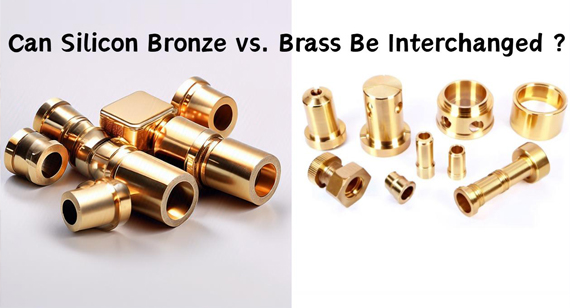
That is, it seems that a "consensus" has emerged: "Silicon Bronze is superior to brass in strength and corrosion resistance due to the silicon element, while Brass is superior in terms of ductility, appearance, and cost advantage due to the zinc element." However, when looking at specific industrial grades, is this point of view truly accurate? It is perhaps too simplistic.
Both Silicon Bronze and Brass have a wide range of grades due to fine-tuning the content of their alloying elements showing different in their properties. For instance, Naval Brass (C46400) contains tin, which provides excellent resistance to saltwater dezincification and meets the strength requirements for most marine hardware. In such cases, despite High-Silicon Bronze (C65500) having superior properties, Naval Brass is often the more pragmatic choice.
When can Silicon Bronze and Brass be interchanged? What are their differences in processing and manufacturing? How do they differ in aesthetics and surface treatment? These are the key points this article will share with you.
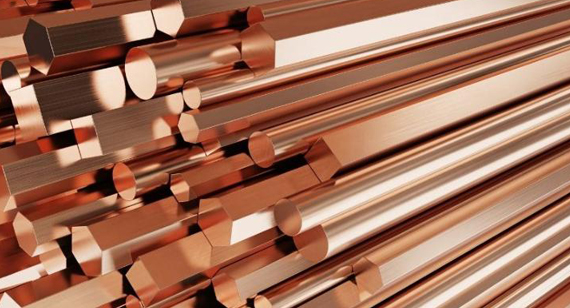
Silicon Bronze typically contains copper and silicon and usually possesses extremely high fatigue limits, impact resistance, corrosion resistance, and hardness. You may also hear Silicon Bronze referred to by other names such as Siliconized Bronze; trade names of Everdur (US) and Cusilman (AU); EN Designation of CW116C (CuSi3Mn1). You can refer to the table below for common Silicon Bronze grades and their main characteristics:
Table 1: Common Silicon Bronze Grades and Key Characteristics
| UNS Grade |
Category |
Key Characteristics |
Typical Applications |
| C65100 |
Wrought | Low Silicon (Si: 0.8-2.0%): Excellent cold workability. | Cold-headed fasteners, wood boat screws, rivets. |
| C65500 |
Wrought | High Silicon (Si: 2.8-3.8%): Added Manganese (Mn) for max strength/corrosion resistance. | Pressure vessels, pump shafts, heavy-duty valve stems. |
| C65400 |
Wrought | High Elasticity (Si: 2.7-3.4%): Contains Tin (Sn) and Chromium (Cr) for fatigue strength. | Performance springs, diaphragms, bellows. |
| C66100 |
Wrought | Free-Machining (Si: 2.8-3.8%): Added Lead (Pb) to improve machinability. | Precision threaded parts, hydraulic valve components. |
| C87300 |
Casting | High Fluidity (Si: 3.5-4.5%): Excellent casting properties. | Art sculptures, architectural accents, plaques. |
| C87500 |
Casting | Silicon Brass Type (Si: 3.0-5.0%): High Zinc (Zn: 12-16%) for extreme hardness. | Pump impellers, heavy-duty gears, wear rings. |
| C65600 |
Welding | Welding Grade (Si: 2.8-4.0%): Optimized weld pool fluidity. | MIG/TIG filler wire (ERCuSi-A), brazing galvanized steel. |
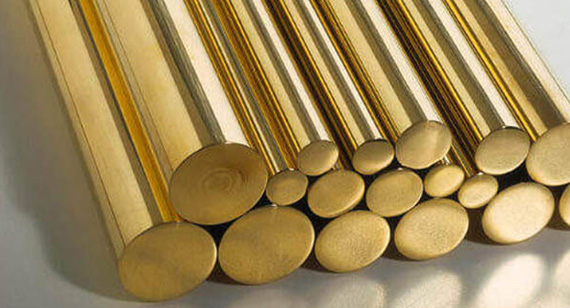
Brass is an alloy primarily composed of copper (Cu) and zinc (Zn). It usually possesses good workability, making it easy to cast, cut, and form. It also has good decorative appeal, with a color that varies from golden to bright or dark brown depending on the alloying elements. Its strength and hardness generally fall between pure copper and bronze.
By adjusting the zinc ratio and adding trace elements (such as lead, tin, or manganese), a series of brass grades have been derived. The table below shows common brass grades along with their main characteristics and typical applications:
Table 2: Common Brass Grades and Key Characteristics
| UNS Grade |
Common Name |
Key Characteristics |
Typical Applications |
| C36000 |
Free-Cutting Brass | The gold standard for machinability (100%). | Fittings, valves, precision hardware. |
| C26000 |
Cartridge Brass | Exceptional cold-working properties. | Ammunition casings, electrical components. |
| C27200 |
Yellow Brass | High zinc content, good structural strength. | Architectural trim, industrial fasteners. |
| C23000 |
Red Brass | 85% Copper; superior corrosion resistance to yellow brass. | Pipe fittings, decorative hardware. |
| C46400 |
Naval Brass | Contains Tin; resists saltwater de-zincification. | Marine hardware, condenser parts. |
| C35300 |
Clock Brass | Optimized for high-precision cutting. | Clock parts, gears, instruments. |
| C38500 |
Architectural Bronze | Technically a brass; excellent for hot-forming. | Handrails, architectural facades. |
Additionally, based on microstructure and zinc content, brass can be classified as:
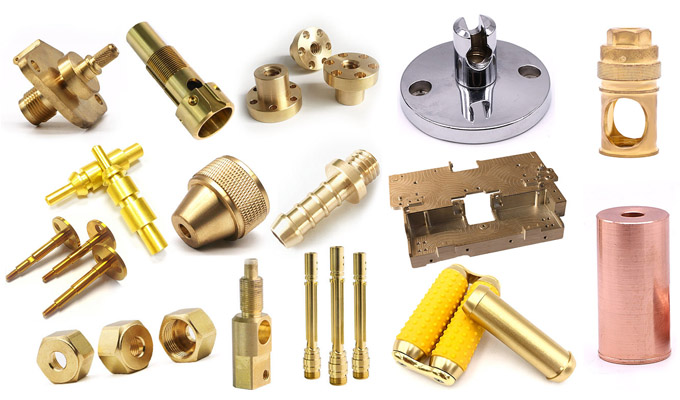
Due to cost considerations and the practical application of materials, you might ask: "Can I substitute a certain brass for Silicon Bronze?" This depends on several factors such as whether the material characteristics meet your application requirements; the match between material properties and usage environment; and your processing requirements. Below, I analyze several common scenarios and provide recommendations based on specific grades:
3.1 Marine and Salt Spray Environments
In marine conditions, one of the biggest threats to copper alloys (especially brass) is de-zincification. During this process, zinc—the active component—is preferentially dissolved, leaving a red, porous, sponge-like copper structure behind. This corrosion often does not cause obvious dimensional thinning, and the surface may appear intact, but the internal mechanical strength is lost, often leading to sudden brittle fractures or leaks.
Naval Brass (C46400) includes approximately 0.75% tin (Sn), which effectively inhibits the precipitation of zinc. For static parts, decorative hardware, shielding plates, or non-critical fasteners exposed to salt spray or short-term immersion in seawater, Naval Brass is an excellent choice. Its cost is usually 20%-30% lower than Silicon Bronze, offering high cost-performance.
However, there are cases where Naval Brass cannot replace Silicon Bronze. Silicon Bronze contains no zinc, fundamentally eliminating the risk of de-zincification. Specifically, High-Silicon Bronze (C65500) has high silicon content that enhances both corrosion resistance and strength. Therefore, if your parts need to be buried in subsea mud for long periods (an anaerobic environment) or are used in critical structural components like pump shafts or heavy-duty valve stems in highly acidic ship ballast water areas, downgrading to brass is not recommended.
3.2 Choice of Strength and Hardness
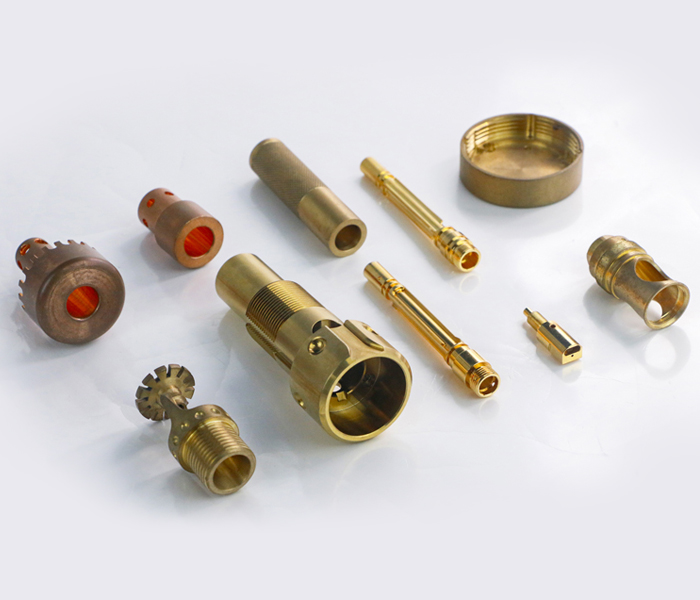
Is the strength and hardness of Silicon Bronze necessarily higher than that of brass? In fact, the mechanical strength and hardness of high-performance brass are also very high and not necessarily lower than Silicon Bronze.
Therefore, when manufacturing pins, common-load bolts, or support seats, if the environmental corrosivity is moderate (such as indoor piping or freshwater equipment), using Beta Brass as a replacement for C65100 can provide higher yield strength and surface wear resistance while reducing raw material costs by 15%-30%.
3.3 Cold Heading Process
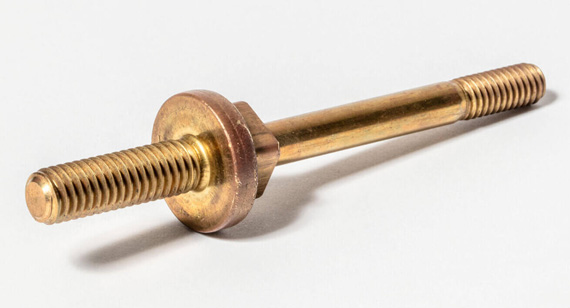
Cold heading uses high-speed, low-deformation zone plastic flow to form metal parts at room temperature through dies. It is commonly used for mass-producing fasteners (bolts, nuts, rivets). It requires high cold-working plasticity, hardening rates, and crack resistance.
If you are considering cold heading to produce large quantities of high-quality fasteners, Low-Silicon Bronze and Brass are not interchangeable. C65100 is specifically optimized for severe cold deformation, offering excellent cold-working plasticity compared to ordinary brass, making it less prone to cracking or fracture. Furthermore, ordinary brass hardens quickly during cold working, which increases tool wear and compromises part precision. Moreover, C65100 Silicon Bronze contains no zinc, making it immune to Stress Corrosion Cracking (SCC) triggered by cold working stress (such as de-zincification or "seasonal cracking"). Choosing C65100 ensures high output and low tool costs while producing high-strength, SCC-free fasteners.
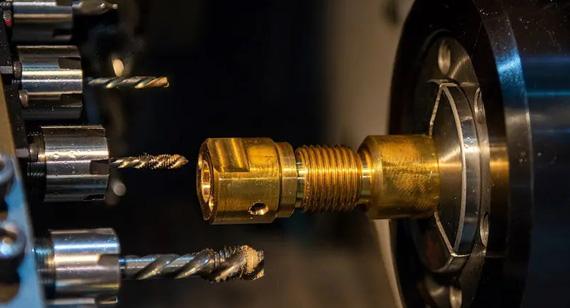
CNC machining involves computer-programmed tool paths to cut and drill parts from a solid block of material. It is suitable for complex shapes and high-precision parts (valves, fittings, instruments).
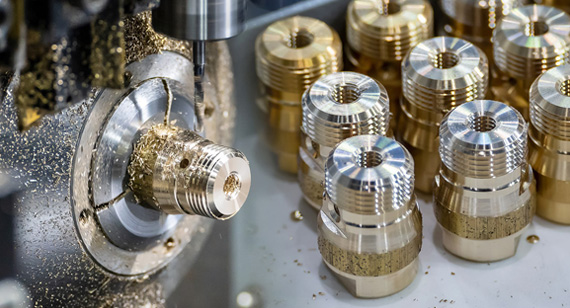
While many Silicon Bronze and Brass grades can be CNC machined, you should consider the impact of their machinability on your costs. For example, in precision CNC machining scenarios, if design and application conditions allow (fittings, valves), switching the material to a free-machining Naval Brass containing a small amount of lead or tellurium (which can increase the machinability factor to over 50%) can significantly reduce tool wear and shorten processing cycle times by nearly half, resulting in significant cost advantages in CNC billing.
3.5 Aesthetic Intent and Surface Treatment
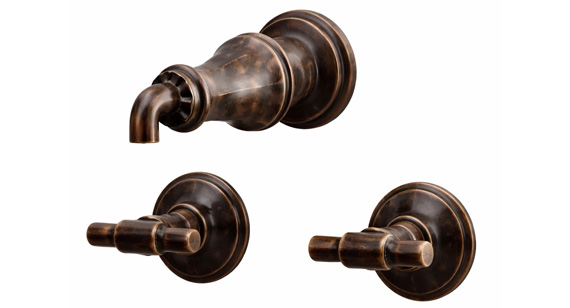
You might find that Silicon Bronze naturally possesses a deep reddish or rose-gold base tone which, upon oxidation, develops a highly textured "antique bronze" patina. However, is there a lower-cost alternative?
Although most brass leans toward golden tones, it is easy to apply surface treatments to brass to achieve an appearance similar to Silicon Bronze, often at a lower total cost. For example, Architectural Brass (C38500) is very easy to hot-form and chemically color (Patina). Through simple electroplating or chemical spraying, it can perfectly simulate Silicon Bronze or even Damascus gold, while the cost is only a fraction of the latter. The cost of C38500 is typically 40% to 60% lower than Silicon Bronze; even with surface treatment fees included, it is generally more economical.
Choosing between silicon bronze and brass is not simply “premium vs. cheap.” The right choice depends on environment, mechanical demands, manufacturing method, cost targets and regulatory constraints. Use the checklist below to quickly narrow material direction and guide more detailed alloy and process verification.
Environment
Will the part be continuously immersed in highly corrosive media (deep sea, concentrated acids/alkalis, or chloride-rich seawater)?
Strength and fatigue
Does the part need to withstand very high static loads, impacts or fatigue cycles?
If yes: don’t rely on “bronze = stronger” alone — check specific alloy properties (tensile strength, yield, fatigue performance). Some brass grades or heat-treated/cold-worked brasses can meet high strength requirements.
Stress-corrosion cracking (SCC) risk
Will the component be under sustained stress in a chloride or otherwise SCC-prone environment?
If yes: prefer alloys with demonstrated SCC resistance. Certain low-zinc or silicon-bronze grades show clear advantages against SCC.
Manufacturing process and yield
Is the part produced by cold heading, stamping, or high-precision CNC? Is geometry thin-walled or does it include fine internal threads?
Budget and lead time
Are unit cost and delivery schedule critical? Is material supply stable?
Regulations and sustainability
Are there lead-free, environmental, or recyclability constraints?
If yes: avoid leaded brasses; consider lead-free machinable brasses or silicon bronze and re-evaluate machining parameters and costs.
In conclusion, the choice between Silicon Bronze and Brass is not merely about choosing the "stronger" or "cheaper" material, but about matching the specific grade to the functional and environmental demands of the project. By moving beyond general labels and understanding the specific metallurgy of these alloys, engineers can optimize for performance, durability, and cost-efficiency simultaneously.

A European customer approached us to design and produce a sensor housing for an offshore wind farm. The client's design featured a thin-walled structure with fine internal threads, originally specified as Silicon Bronze C65500. However, our engineers estimated several potential issues: first, the yield rate for Silicon Bronze under thin-walled and complex internal thread conditions would be very low, with frequent cracks and burrs; second, the material procurement takes about 6 weeks, which would delay the project; third, the high scrap rate combined with expensive material would drive up the unit cost; and fourth, the client had concerns about marine corrosion resistance, but the actual working condition (above sea level in a spray zone) did not necessarily require deep-sea level corrosion resistance.
After detailed communication regarding the application environment (exposure height, salt spray intensity, service cycle, load requirements), VMT experts suggested changing the raw material from C65500 to Naval Brass C46400. The rationale was that C46400 provides sufficient corrosion resistance for salt spray and atmospheric conditions and its mechanical properties meet the pressure and strength requirements. Most importantly, C46400 has better machining performance than C65500, especially for thin walls and internal threads, and has a shorter lead time and lower cost.
Subsequently, we developed a detailed machining plan: using multi-axis CNC machining centers for single-setup processing, optimizing tool paths, cutting parameters, and chip control. For the thin-walled structure, we used specialized fixtures and cutting strategies to minimize thermal deformation and utilized specialized forming tools for the internal threads to reduce stress concentration.
Through the synergy of material and process optimization:
1.Are Silicon Brass and Brass the same?
No. Silicon brass is a specific type of brass that includes silicon as an alloying element to improve hardness and wear resistance, whereas "Brass" is a broad term for copper-zinc alloys.
2.What is the main difference between Silicon Brass and Silicon Bronze?
The main difference lies in the zinc content. Silicon Brass contains a significant amount of zinc (often 12% or more), while Silicon Bronze is mostly copper and silicon with little to no zinc.
3.Is Silicon Bronze the same as brass?
No. They belong to different alloy families. Silicon Bronze is defined by the addition of silicon to copper (often replacing zinc), whereas brass is primarily a copper-zinc alloy.
4.What are the advantages of Silicon Bronze?
It provides exceptional corrosion resistance (especially against de-zincification), high fatigue strength, excellent weldability, and is non-magnetic.
5.Which is better, bronze or brass?
It depends on the application and grades. Bronze is generally superior for heavy-duty, high-corrosion, and marine environments, while brass is better for complex machining, decorative purposes, and cost-sensitive projects.
6.What is Silicon Bronze used for?
It is widely used for marine hardware, pump shafts, high-strength fasteners for chemical processing, and artistic or architectural castings that require a specific patina.


 +86 15099911516




 Read more