
16 years one-stop China custom CNC machining parts factory
The VMT blog is dedicated to sharing our hard-earned knowledge in prototype manufacturing. We hope these articles will help you optimize your product designs and gain deeper insight into the world of rapid prototyping. Enjoy the read!
Get an Instant Quote All uploads files are safe and confidential
 VMT
VMT  2026 05 08
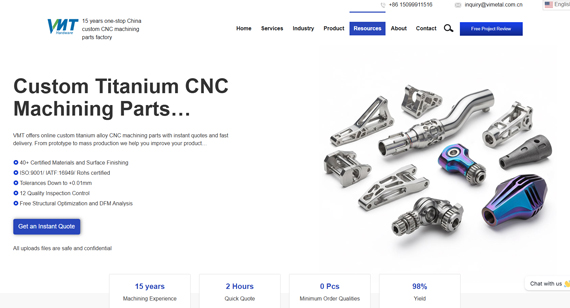
 The global titanium alloy market has officially topped $6.2 billion in 2026, with a compound annual growth rate of 5.1%! If you are looking for a CNC machining factory or an on-demand manufacturing provider that can maintain consistent tolerances for tita
 66
66
 Read more
 VMT 2026 05 06
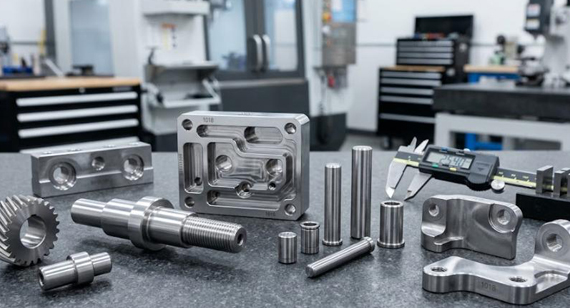
 Have you ever faced delivered steel parts being uneven on the surface? Or was delivery time delayed due to choosing inappropriate machining steel to pursue a more cost-saving solution? These issues are closely related to what you will learn about 1018 steel vs A36 steel in this article: 1018 steel can give your precision custom parts a much better surface texture and dimensional accuracy, while A36 steel is cheaper and better for welding and cold forming to make large structural components, but not ideal for CNC machining.
66
Read more
 VMT 2026 05 05
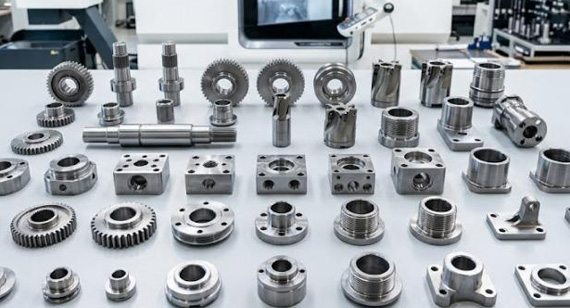
 If you’re sourcing or designing drill bits, end mills, punches, gears, or other high-speed components, this guide will help you determine whether M2 is the right material—or a potentially costly mismatch. In the final section, we’ll also share a case study showing how our factory helped a client select the most suitable metal and complete production efficiently for wear-resistant parts.
66
Read more
 VMT 2026 04 30
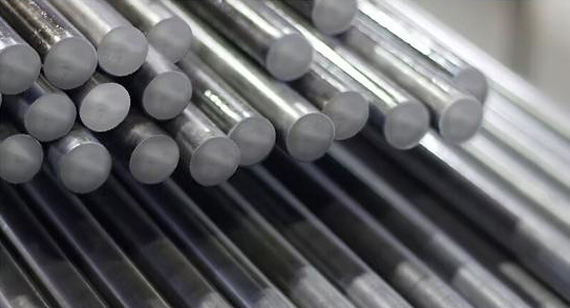
 This blog provides a practical guide to 12L14, covering its composition, mechanical properties, applications, and limitations, so that you can clearly understand the answers to the questions above. In the final part, we will also share a case study: how our CNC machining factory solved the "scratch problem" in precision thread machining and leveraged high-speed machining to help customers reduce total production costs.
66
Read more
 VMT 2026 04 29
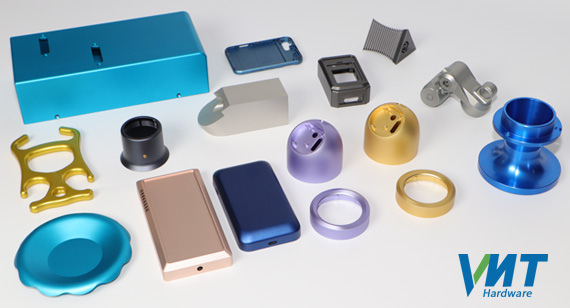
 It takes a lot of time and effort to find the most suitable aluminum machining parts manufacturer, and the final decision directly affects the precision, surface texture, and consistency of aluminum parts used on your products. With the continued advancement of CNC machining, milling, turning, and rapid prototyping for custom aluminum parts, Chinese manufacturers can provide reliable solution for global clients in aerospace, automotive, and electronics industries—with their natural advantages of cost effective, rapid manufacturing and rapid logistics.
66
Read more
 VMT 2026 04 29
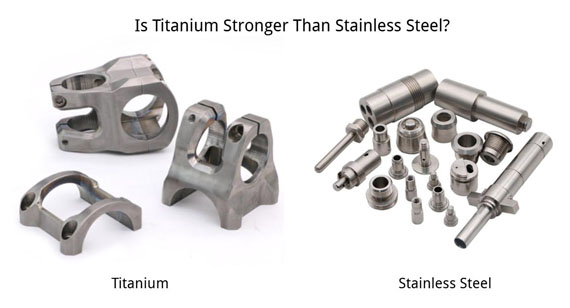
 But actually, if you ask “if titanium stronger than stainless steel”, it is not only the plain data of their “tensile strength” comparison; their yield strength (resistance to permanent deformation), specific strength (strength-to-weight ratio), environmental durability (resistance to fracture in corrosive settings), hardness (wear resistance), and fatigue resistance (durability under cyclic loading)—all of these factors are integrated into the comprehensive assessment of what makes a material “strong.”
66
Read more
 VMT 2026 04 28
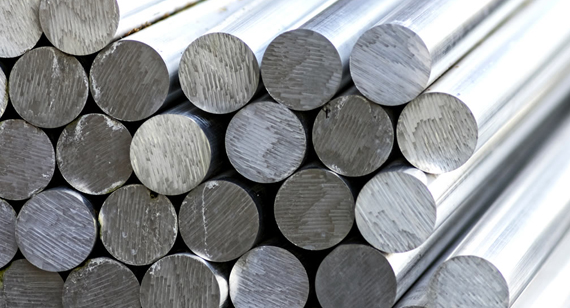
 As we all know, if a designed part is going to be used in high wear and abrasion environment, it couldn't’t be made of soft steel. While D2 steel is one of the famous “ hard steel” that can meet the high wear and abrasion uses perfectly—this outstanding wear-resistant, edge-retaining, and reputed as “ semi-stainless” steel is what we will dive deep into today. How this D2—cold work class of D-series tool steels— can benefit your application? How can you tell if the D2 vs A2 vs 440C vs M2 vs 4140 is suitable for your project or not? These are the common questions we often see from our client—as the professional CNC machining factory, we will help you figure these issues out and share a case how we reduce downtime with D2 CNC parts for one of our clients in the end.
66
Read more
 VMT 2026 04 27
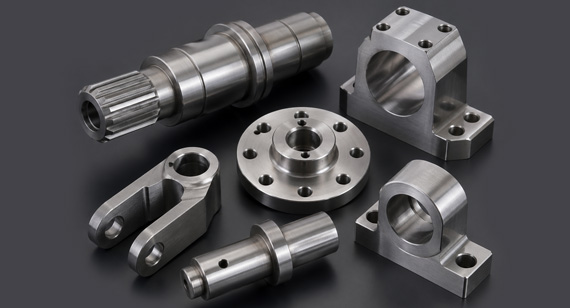
 As a steel with primarily 95% iron, 0.4% carbon, 1.65-2% nickel, and 0.7-0.90% chromium, you can tell 4340 steel the low alloy steel or medium carbon steel. Whatever aisi 4340 steel belongs to, its biggest value for engineering is versatile for heavy-duty industry applications such as aerospace landing gear, heavy-duty drive shafts, mining drill bits, high-strength fasteners.
66
Read more


 +86 15099911516