16 years one-stop China custom CNC machining parts factory

Hey there I’m VMT Sam!
With 25 years of CNC machining experience we are committed to helping clients overcome 10000 complex part-processing challenges all to contribute to a better life through intelligent manufacturing. Contact us now
 444 |
Published by VMT at Sep 01 2026 | Reading Time:About 6 minutes
444 |
Published by VMT at Sep 01 2026 | Reading Time:About 6 minutes


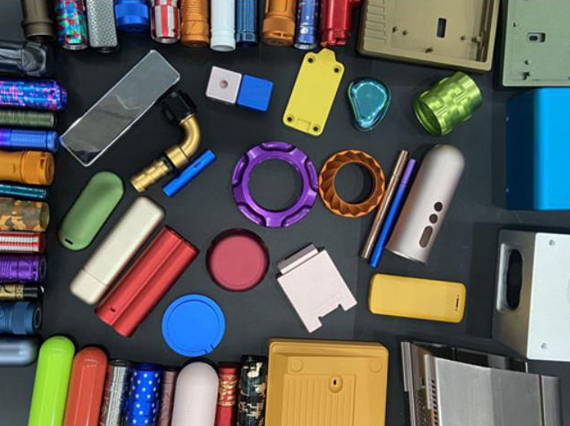
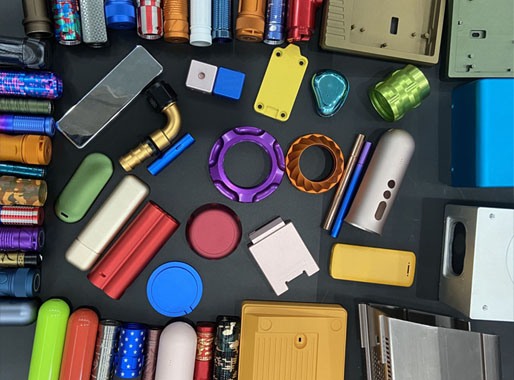
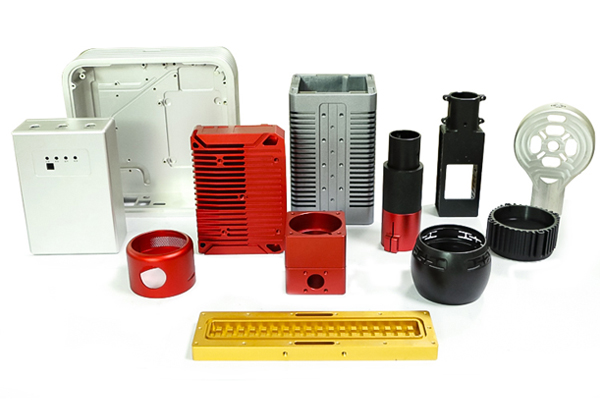
Aluminum coatings are designed for various aluminum components or parts across industries like automotive, aerospace, electronics, and construction. These protective coatings for aluminum, e.g., anodizing, powder coating, chem film, and painting, can enhance aluminum’s surface aesthetics, wear resistance, corrosion resistance, or conductivity. I believe you surely don’t want the custom aluminum CNC machined parts to easily fade, wear unevenly, or get stained over time. This article will introduce the main aluminum machine parts coatings with their key functions and trade-offs when selecting them. Whether you are aiming for a solution to corrosion or wear protection, or aesthetic improvement, you can find the best-fit protective film for aluminum according to specific requirements and budget in this blog. At the end, we will also share a case study on how our factory completed high-precision aluminum lens barrels machining with a suitable coating that does not compromise accuracy or optical reflectivity.
Aluminum is naturally resistant to corrosion due to its ability to form a thin oxide layer when exposed to air. However, this natural oxidation process can lead to surface imperfections over time, impacting both appearance and structural integrity. Coating aluminum enhances this natural protection and provides additional benefits depending on the chosen method.
One of the main reasons to coat aluminum is to improve its resistance to wear and tear. Coatings add a durable layer that protects against scratches, impacts, and environmental factors such as UV exposure, moisture, and extreme temperatures. Furthermore, coating improves the aesthetic appeal of aluminum, making it suitable for use in high-visibility applications like consumer electronics, automotive components, and architectural elements.
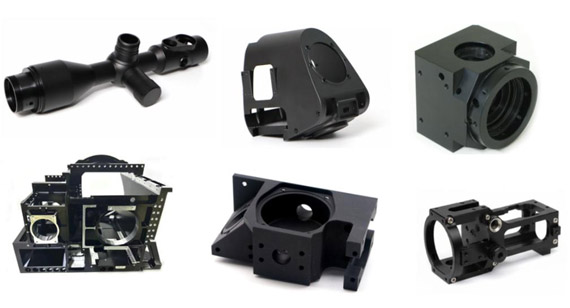
Aluminum coatings play a critical role in enhancing both the performance and visual appeal of machined components. While there are numerous surface finishing methods available today, the following options represent the primary industrial coatings used to protect aluminum parts, each offering distinct properties for different operating environments:
For consumer products and cosmetic components where mechanical strength or fatigue resistance is not the primary concern, your main focus on the aluminum surface is inevitably on visual appeal (such as camera bodies or automotive trims), color consistency (for instance, ensuring uniform color across hundreds of aluminum electronic enclosures), and a smooth tactile feel (such as aluminum video game controllers or drone remote controls).
When it comes to selecting the right aluminum coatings:
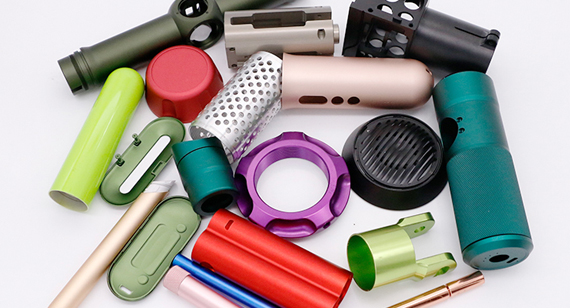
Regarding processing time (lead time) and cost for these coatings, keep the following trade-offs in mind:
This is easy to understand, especially for many industrial aluminum components. For instance, you might want automotive wheel hubs or industrial protective guards to be wear resistant, outdoor bicycle aluminum accessories to be more corrosion resistant, or aerospace aluminum parts to withstand thermal stress and oxidation.
To address these environmental durability demands regarding corrosion, high temperatures, and wear resistance:
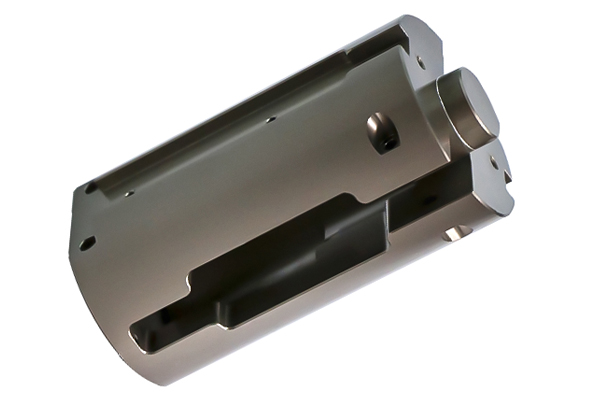
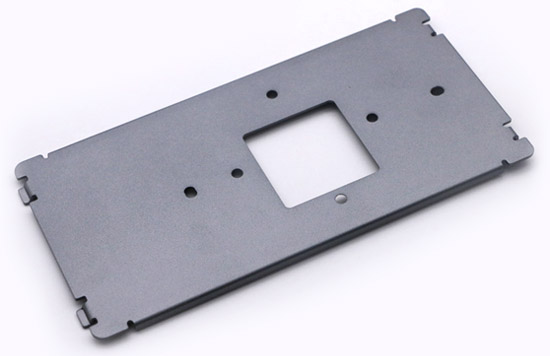
This requirement directly involves the film thickness of coatings on aluminum. Coatings like Chem Film / Alodine (chromate conversion coating) have an extremely thin film thickness (<1 µm), meaning their impact on dimensional tolerances can essentially be ignored. For high-precision aluminum components (such as mating parts with tolerances within ±0.005 mm), it is highly recommended to choose chem film or ultra-thin anodizing.
In addition, medium-thickness finishes include Type II and Type III anodizing (typically 10–50 µm). As the anodic film grows, roughly half of the thickness penetrates into the aluminum substrate while the other half builds up on the surface. Therefore, a professional factory will compensate for these dimensional tolerances during CNC machining before applying the coating. Additionally, you can request the factory to perform masking on critical assembly areas, such as high-precision threaded holes or mating pin holes, by using high-temperature tape or plugs to keep these specific areas uncoated and preserve their original machined dimensions.
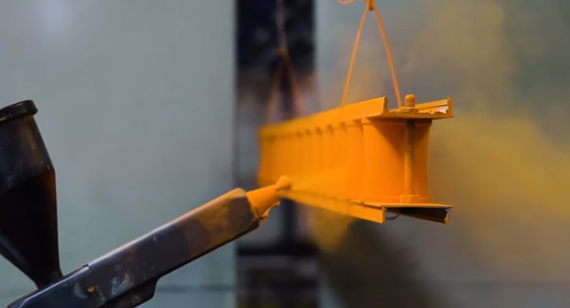
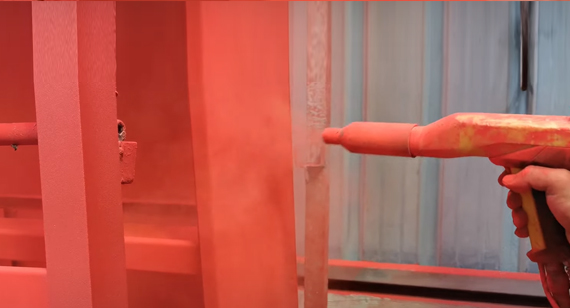
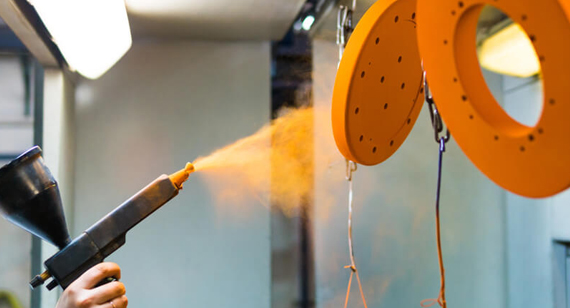
However, thick coatings like powder coating and liquid paint (50–100 µm+) will significantly alter part dimensions. Furthermore, it is difficult to precisely control the uniformity of their film thickness, so it is best to avoid these two options for precision aluminum components.
For aluminum parts that require electrical grounding or EMI/RFI shielding, the most recommended choice is Chem Film, which provides excellent electrical conductivity. Alternatively, selective masking can be applied to the grounding contact points before anodizing.
In terms of cost, applying Chem Film to the entire part is very economical. However, if an anodized part requires manual masking to expose conductive contact points, it will increase labor costs and extend the production cycle.
For optical system aluminum components (such as lens barrels or laser receiver interiors), matte black anodizing is typically specified to prevent light scatter from interfering with imaging, as it offers extremely high light absorption across both visible and infrared spectra. These two options represent specialized coating requirements in aluminum manufacturing.
Matte black anodizing is essentially a form of Type II anodizing, but it requires an extra mechanical bead-blasting or chemical etching pre-treatment before anodizing to eliminate surface gloss. Because it involves more steps than standard monochrome anodizing, it is slightly more expensive and requires a bit more lead time compared to conventional single-color anodizing.
Eco-friendly coatings are currently being researched and developed by many manufacturers, even though the coatings mentioned in this article remain the most common choices. Among these aluminum coatings, the primary environmental limitations include:
Heavy Metal Wastewater from Electroplating: Some complex metal electroplating processes generate significant amounts of heavy metal wastewater. This increases treatment costs for processing facilities and may impact lead time stability. Naturally, these added overhead costs are factored into the total production price of your parts.
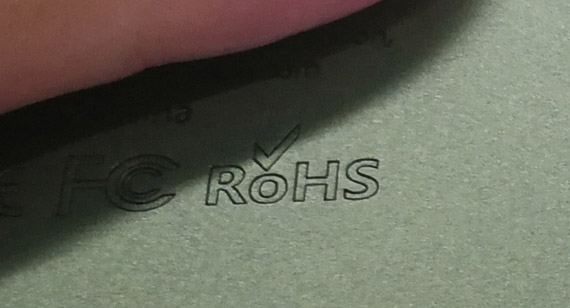
Hexavalent vs. Trivalent Chromium in Conversion Coatings: Traditional chromate conversion coatings have two primary versions. The hexavalent chromium (Cr6+) version produces a light golden appearance; however, because it contains toxic substances that fail global environmental compliance standards (such as RoHS and REACH), it is being systematically phased out worldwide. Conversely, the trivalent chromium (Cr3+) version results in a clear or light blue finish and serves as the current, eco-friendly compliant standard.
Precision Machining and Finishing of High-Precision Aluminum Lens Barrels
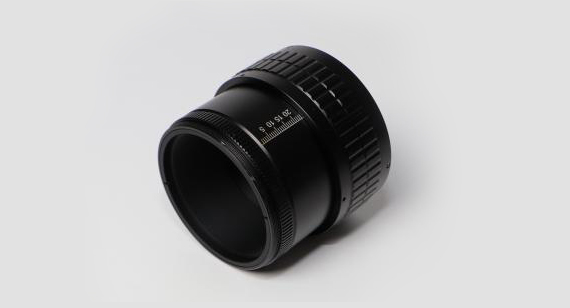
A client approached our facility requiring custom high-precision aluminum lens barrels designed for high-end optical equipment. The project presented a dual engineering challenge: critical mating surfaces and internal threads required strict tolerances within ±0.005 mm, where any excessive coating build-up would lead to assembly binding or misalignment. Simultaneously, the optical performance dictated that the inner barrel walls achieve a non-reflective, deep matte black finish to avoid stray light scattering and protect image quality.
To resolve these demands of dimensional accuracy and optical absorption, our engineering team selected a specialized matte black anodizing process coupled with strict process controls. Before anodizing, the components underwent a gentle, fine glass-bead blasting cycle at low pressure (0.2 MPa) to create a uniform, non-reflective micro-surface texture without distorting the thin-walled barrel geometry. To compensate for the coating growth, CNC machining tolerances were adjusted by pre-machining critical mating diameters 0.006 mm oversized to account for the controlled 0.012 mm (12 µm) total anodized film thickness (half of which penetrates into the aluminum substrate and half of which builds up on the outer surface). Critical internal threads and precision location bores were masked using silicone plugs to keep them coating-free.
Following the finishing process, the barrels underwent rigorous dimensional inspection via CMM (Coordinate Measuring Machine) and optical testing using a spectrophotometer and collimator setup to verify that inner wall light reflectance remained under 1.5% across the target spectra.
The final delivered lens barrels successfully fulfilled all optical stray-light absorption criteria and corrosion resistance needs while maintaining micron-level assembly tolerances, passing the client's quality verification on the first run without impacting optical performance.
Selecting the right coating for aluminum CNC machining parts is crucial for achieving optimal performance and durability, and decision of best coating for aluminum depends on many factors. As covered throughout this guide, every surface treatment, from thin conductive Chem Film to high-hardness Type III anodizing and durable powder coating, involves clear trade-offs between aesthetic finish, corrosion resistance, electrical behavior, and dimensional tolerance control. Matching your coating selection directly to your part's working environment ensures optimal functional longevity without unnecessary cost or production delays. Now are you looking for a reliable supplier for custom aluminum CNC machined components , or need expert guidance on coating selection, tolerance compensation, or surface masking? Welcome to contact us and upload your drawings for a fast, comprehensive DFM review and an instant quote tailored to the exact manufacturing requirements. [2D Drawings (PDF files), 3D Drawings (IGS/STP/STEP files)]
Send your 2D drawings, 3D CAD models, aluminum alloy, coating requirements, critical tolerances, masking requirements, cosmetic requirements, prototype quantity and production quantity. VMT will review manufacturability, coating selection, dimensional compensation, inspection and quotation requirements.
All information and uploaded files are secure and confidential.
1 Tell us what you need
2 Get solution & quote
3 Approve production
Email: inquiry@vimetal.com.cn
1: What is the most cost-effective coating on aluminium for outdoor applications?
For large-volume production, powder coating is typically the most cost-effective coating on aluminium for outdoor use. It provides exceptional weatherability, UV resistance, and impact protection compared to other coatings and become one of the reliable industrial coatings for aluminum exposed to outdoor environments.
2: Can I combine multiple types of coating on a single aluminum machine part?
Yes, combining more than one type of coating is common in complex manufacturing. For example, you can choose mild blasting for matte texture and then use the black anodizing for the colors, and this is the typical aluminum coating solution for opitical components.
3: How does surface aluminum coated layer impact tight machining tolerances?
A surface aluminum coated layer adds physical thickness (build-up) that can alter critical dimensions. Thick finishes like powder coating (50–120 µm) or hardcoat anodizing (25–50 µm) require pre-machining tolerance compensation or selective masking on tight fits.
4: Which industrial coatings for aluminum provide high electrical conductivity for grounding?
Chem Film (Alodine) and Electroless Nickel Plating are the best industrial coatings for aluminum when high electrical conductivity or EMI shielding is required. Unlike anodizing, which creates a non-conductive dielectric oxide layer, these surface treatments prevent oxidation while maintaining low electrical contact resistance across grounding points.
5: What are the primary differences between coatings for steel and aluminum?
Aluminum naturally forms a protective oxide layer, making anodizing and chemical conversion films the primary choice, whereas steel relies heavily on galvanizing, phosphating, or rust-inhibiting paints. Additionally, electroplating aluminum requires a specialized zincate pre-treatment step to ensure proper adhesion, which is not needed when choosing coatings for steel and aluminum.
6: How do I select custom coatings for aluminum applications in high-temperature environments?
When selecting custom coatings for aluminum applications exposed to extreme heat (such as engine or heat sink components), organic paints and anodized dyes tend to discolor or degrade. In these high-temperature scenarios, advanced ceramic coatings or Plasma Electrolytic Oxidation (PEO) are recommended for their superior thermal stability and heat resistance.
The technical information and manufacturing advice shared on the VMT website are for general guidance only. While we strive for accuracy, VMT does not guarantee that the processes, tolerances, or material properties mentioned are applicable to every specific project. Any reliance you place on such information is strictly at your own risk. It is the buyer's responsibility to provide definitive engineering specifications for any production orders. Final specifications and service terms shall be subject to the formal contract or quotation confirmed by both parties.


 +86 15099911516




 Read more