16 years one-stop China custom CNC machining parts factory

Hey there I’m VMT Sam!
With 25 years of CNC machining experience we are committed to helping clients overcome 10000 complex part-processing challenges all to contribute to a better life through intelligent manufacturing. Contact us now
 116 |
Published by VMT at May 11 2026 | Reading Time:About 2 minutes
116 |
Published by VMT at May 11 2026 | Reading Time:About 2 minutes


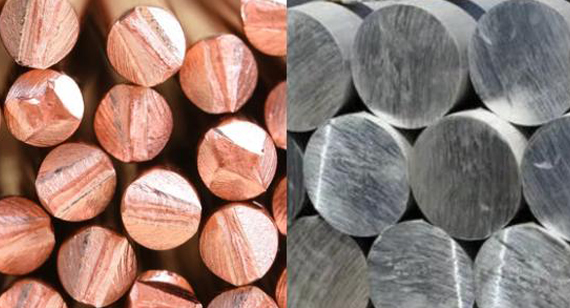
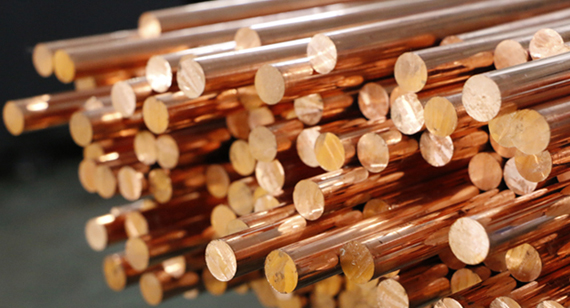
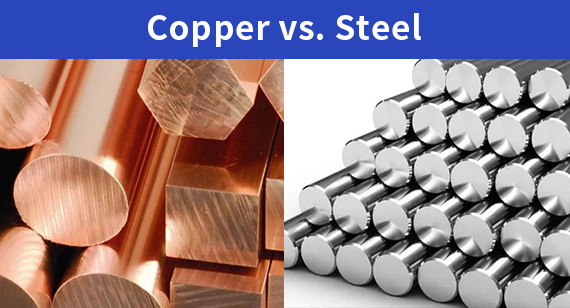
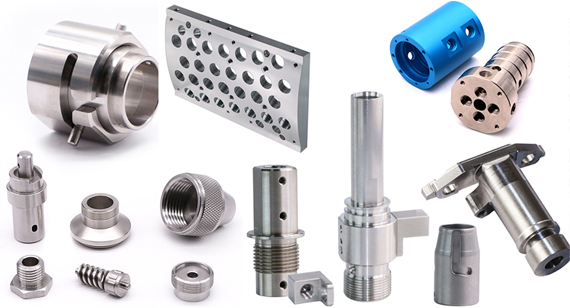
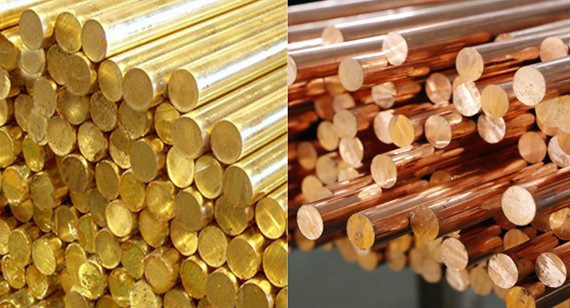
It is very easy to tell copper and stainless steel apart with the naked eye—obviously, the rose-red metal is copper, and the silver-luster metal is stainless steel. For copper, you can use it primarily for electronic components like lead frames, PCBs, heat dissipation components, conductive terminals, and connectors due to its good conductivity, thermal conductivity, and ease of processing. While for the other totally different material, stainless steel, you could use it for a wider range of applications such as medical containers, parts in food equipment, valve parts for ships, or gears and shafts in automotive—this versatility is mainly due to its good corrosion resistance, good strength, and toughness according to different types and grades.
But if you plan to consider one of them for custom metal components, other important factors need to be paid attention to, including their differences in assembly tolerances, surface color or texture, and production cost. This blog will dive into all the above issues, and we will also share a case study of our clients seeking customized automotive wheel hub fasteners: selecting the appropriate grade to meet their requirements for assembly precision (±0.01 mm) and surface appearance (with a high-gloss metallic texture).
Understanding key properties of stainless steel and copper can help you clarify which material is better for your product's performance— detailed requirements for yield strength(prone to bend or not), hardness(prone to be scratched or not), corrosion resistance( prone to rust or not), and so on. The following table breaks down these critical metrics for your quick check:
| Property |
Copper (Pure/Low Alloy) |
Stainless Steel (eg. 300 Series) |
Is Copper or SS Better for Your Needs? |
| Electrical Conductivity |
~58 MS/m (100% IACS) | ~1.1 - 1.5 MS/m | Copper wins: Essential for power efficiency in connectors and busbars. |
| Thermal Conductivity |
385 - 401 W/m·K | 15 - 25 W/m·K | Copper wins: 20x faster heat dissipation for cooling blocks and sinks. |
| Yield Strength |
33 - 250 MPa | 200 - 600 MPa | Stainless steel wins: Resists deformation under load; ideal for structural fasteners. |
| Hardness (Mohs/Brinell) |
Soft (2.5 - 3.0 Mohs) | Hard (5.0 - 6.0 Mohs) | Stainless steel wins: Durable internal threads; resists scratching and wear. |
| Corrosion Resistance |
Moderate (Forms Patina) | High (Passivated Layer) | Stainless steel wins: Vital for medical, food, and marine environments to avoid rust. |
| Density (Weight) |
~8.96 g/cm³ | ~7.75 - 8.05 g/cm³ | Stainless steel wins: 10-12% lighter; reduces total mass and shipping costs. |
| Ductility / Formability |
High | Moderate to Low | Copper wins: Allows for post-machining crimping or bending without cracks. |
Strength and Hardness
If your custom part requires frequent disassembly (like a battery housing or a machine access panel), stainless steel is superior. Its hardness ensures that internal threads won't strip after multiple uses. Copper threads are soft and prone to "galling," which can lead to permanent assembly failure.
Density and Conductivity
Copper is the heavier material. If you are designing a handheld device or a portable electronic component, using copper only where electrically necessary—and using stainless steel for the structural casing—is the most cost-effective way to optimize unit price and user experience.
Corrosion Resistant and Usage Life
For products used in coastal or high-humidity regions, the 10.5% Chromium in stainless steel provides a better corrosion-resistant durability. Copper parts in the same environment must require plating (put Nickel or Tin layer on the copper parts’ surface) to prevent oxidation, which adds a secondary process cost.
What Is CNC Machining?
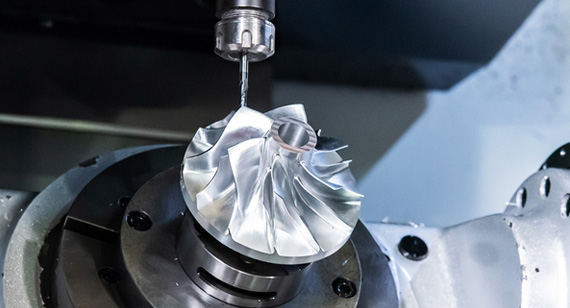
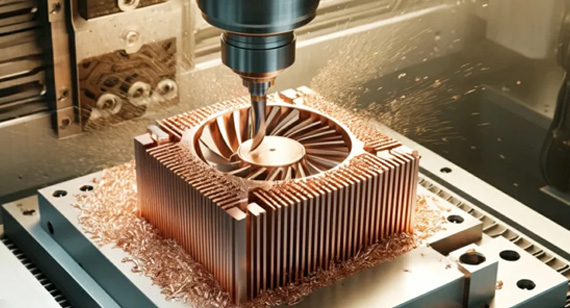
In simple words, CNC machining is a manufacturing method you can choose to produce custom copper or stainless steel parts. For example, if you need a batch of custom stainless steel shafts for automotive use, you just provide the parts’ drawings to the CNC machining factory's engineers. They program the toolpaths into a computer that controls the CNC machine (such as a lathe or milling tool) to cut and drill a solid block of stainless steel until the final part is formed—this is when the needed shape is produced.
Because this process is repeatedly controlled by a computer following a fixed path, you can be assured that:
Which Is Easier to Be CNC Machined? Copper, Or Stainless Steel
To be honest, both materials have their own challenges to be CNC machined. Copper is softer than stainless steel and tends to stick to the tool during CNC machining. Stainless steel, on the other hand, possesses higher toughness than copper and may exhibit spring back during CNC machining. So, their machining cost is unlikely to be more friendly than some other metals like common aluminum or carbon steels.
But as long as you can find a qualified CNC machining factory, with extensive experience, complete qualifications, and machinists skilled in machining stainless steel or copper components, you will no need to worry about precision or surface quality issues.
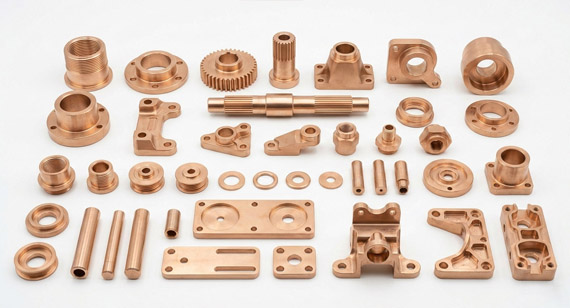
Usually, if you prefer better conductivity, heat dissipation, and ductility, choose the copper. But if you prefer good corrosion resistance, better strength, durability, stainless steel is the more suitable one. Here I list a few of copper vs stainless steel applications for a reference:
Copper Parts (Focus on Conductivity and Heat):
Stainless Steel Parts (Focus on Durability):
The final look and feel of your wanted parts depend basically on the surface treatment. Here are the common options you can consider according to the needs:
| Material |
Surface Finish Options |
Visual/Functional Effect |
Can be Applied to |
| Stainless Steel |
Brushed | A textured, matte finish that hides minor scratches. | Home hardware, automotive trim, handheld device housings. |
| Mirror Polishing | A reflective, high-gloss finish. | ||
| Passivation | Maintains natural color while maximizing corrosion resistance. | Lab equipment, chemical valves, food machinery parts. | |
| Copper |
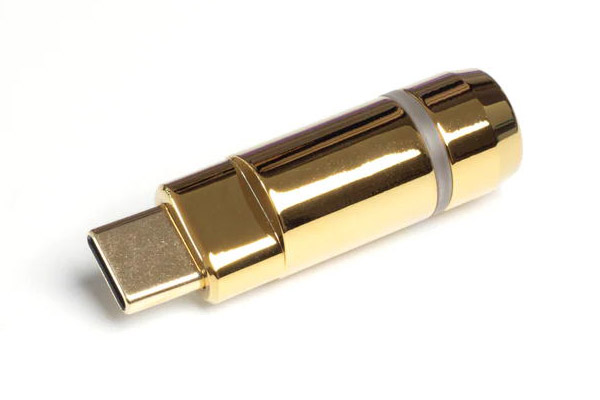
Plating (Nickel/Gold) | Silver or Gold appearance; prevents darkening and boosts conductivity. |
Electronic connectors, high-frequency comms parts. |
| Anti-oxidation Coating | Preserves the natural rose-gold look for a period of time. | Indoor decorative hardware, radiator components. |
Your final quote is essentially made up of three parts: Material Cost + Machining Time + Surface Treatment Fees.
From a total perspective, if your product does not require high electrical or thermal conductivity, choosing stainless steel is generally the more economical path. However, if your part needs to dissipate heat or heat dissipation, the higer cost of copper parts is necessary for your product's performance.
Custom Stainless Steel Wheel Hub Fasteners for a European Client
A European automotive client approached our factory to produce custom fasteners for high-end wheel hub decorative covers. These components are required to achieve: they need to withstand constant exposure to road salt and moisture while maintaining a luxury aesthetic. The client’s core requirements also include a combination of excellent corrosion resistance, high scratch resistance, and a specific high-gloss metallic texture.
To meet these demands, we suggested 316L stainless steel, which can provide quite good corrosion resistance in humid conditions and good for scratch resistance. During the CNC machining process, our engineers used high-precision lathes to maintain a strict tolerance of ±0.01 mm, ensuring the fasteners would fit perfectly into the decorative covers without vibration or loosening. Because 316L is a tough material prone to work hardening, our team also utilized specialized carbide tooling and optimized the cutting feed rates. This prevented surface tearing and ensured the base metal was perfectly smooth, which is a critical prerequisite for high-quality surface finishing.
The final stage involved a dual-layer surface treatment: mirror polishing followed by a precision brushing process. By first polishing the 316L to a mirror shine and then applying a fine brushed texture, we made the "Brushed & Polished" effect. This resulted in a high-gloss metallic depth that effectively reduced harsh light reflections and helped hide micro-scratches caused by road debris. The result was a durable, high-precision component that met all the client's functional and aesthetic requirements.
Choosing between copper and stainless steel for your custom CNC parts ultimately comes down to a trade-off between functional conductivity and structural durability.
If your product’s success depends on efficient power delivery or heat dissipation, copper is your primary choice, provided you account for its higher material cost and the need for anti-oxidation treatments. However, for parts that must survive mechanical stress, frequent assembly, or corrosive environments, stainless steel offers the most reliable and cost-effective long-term solution.
Still unsure which grade or finish is right for your application? Contact our engineering team for a professional DFM (Design for Manufacturing) review today.
Why produce stainless steel parts by CNC machining?
CNC machining is the best choice for stainless steel because it ensures high dimensional precision (up to ±0.01 mm) and a consistent surface finish across large batches, which is essential for parts that require a perfect fit.
What are common grades of stainless steel?
The most common grades for custom parts are 304 (general purpose) and 316 (higher corrosion resistance), both belonging to the austenitic family known for excellent durability and weldability.
What are copper-based alloys?
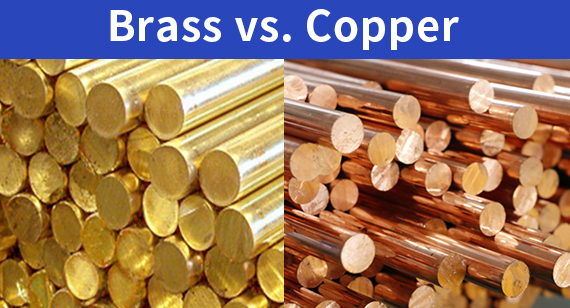
Copper-based alloys are metals where copper is the main element, such as Brass (copper and zinc) for easy machining and Bronze (copper and tin) for wear resistance and marine use.
Can I use copper for structural components?
Generally, no; copper is too soft for heavy load-bearing roles. Stainless steel is the industry standard for structural parts due to its significantly higher yield strength and resistance to deformation.
How do I prevent my custom copper parts from turning green?
To prevent the natural green patina caused by oxidation, we recommend applying a clear protective coating or surface plating, such as Nickel or Tin plating, to seal the metal from the air.
Is 316 stainless steel worth the extra cost over 304?
Yes, if your part is exposed to salt water, chemicals, or extreme humidity. The addition of molybdenum in 316 stainless steel provides the necessary pitting resistance that 304 lacks, preventing long-term structural failure.
The technical information and manufacturing advice shared on the VMT website are for general guidance only. While we strive for accuracy, VMT does not guarantee that the processes, tolerances, or material properties mentioned are applicable to every specific project. Any reliance you place on such information is strictly at your own risk. It is the buyer's responsibility to provide definitive engineering specifications for any production orders. Final specifications and service terms shall be subject to the formal contract or quotation confirmed by both parties.


 +86 15099911516




 Read more