
16 years one-stop China custom CNC machining parts factory
The VMT blog is dedicated to sharing our hard-earned knowledge in prototype manufacturing. We hope these articles will help you optimize your product designs and gain deeper insight into the world of rapid prototyping. Enjoy the read!
Get an Instant Quote All uploads files are safe and confidential
 VMT
VMT  2026 03 23
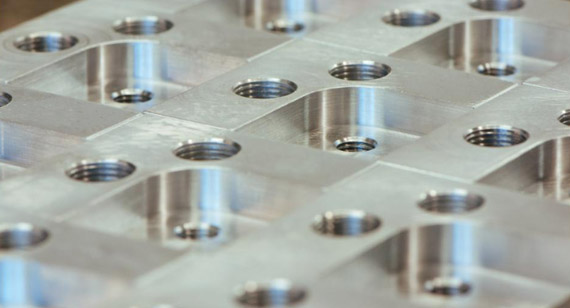
 H13 Hot-Work Tool Steel (AISI H13 / DIN 1.2344) is globally recognized as a high-strength, chromium-based alloy steel, engineered for exceptional red hardness and thermal fatigue resistance. Beyond its ability to withstand extreme thermal shocks, it is a premier material for CNC Machining to high-durability molds and industrial tools. H13 stands out in the tool steel category for its ability to achieve a superior surface finish while offering relatively high machinability. Whether you are sourcing an H13 equivalent grade or looking to optimize the machining parameters for H13 components, this guide provides an in-depth analysis—from core material properties to precision cutting details.
 66
66
 Read more
 VMT 2026 03 22
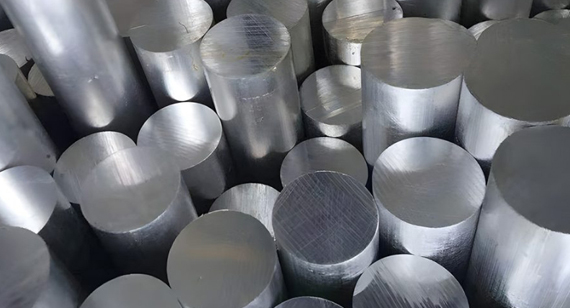
 Dive into the world of aluminum tempers with this comprehensive guide. Learn about the different temper designations, their properties, uses, and the manufacturing processes that optimize aluminum for various industrial applications.
66
Read more
 VMT 2026 03 21
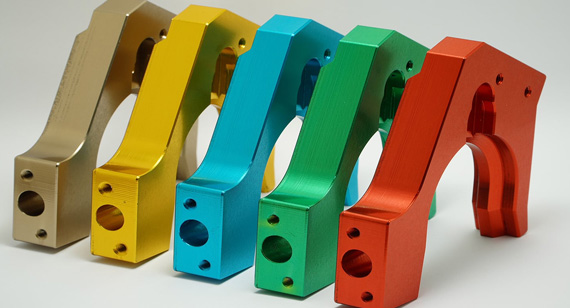
 Anodizing processes like Type II or Type III often add relatively a little higher thickness, which can compromise assembly precision. They cannot match the performance of Type I Chromic Acid Anodizing, which achieves a high corrosion resistance standard of 336 hours in ASTM B117 salt spray tests (meeting MIL-A-8625 military standards) with a thickness of only 1.2μm - 5μm.
66
Read more
 VMT 2026 03 20
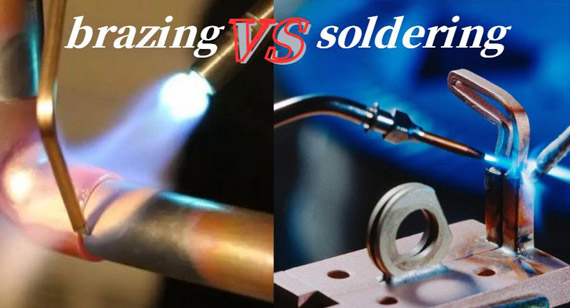
 When joining two pieces of metal, choosing the right thermal process is critical for the integrity of the final product, as well as the durability and aesthetics of the joint. While they may look similar to the untrained eye——both processes use a filler metal to join base materials without melting them, brazing vs. soldering involves different temperatures, filler metals, and mechanical properties. In this guide, we will dive deep into how these processes work, their impact on CNC machined parts, and which one you should choose for your project.
66
Read more
 VMT 2026 03 19
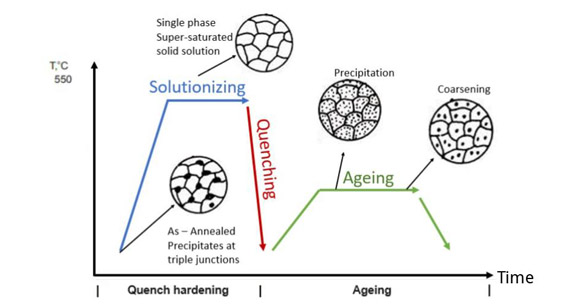
 We often hear about a specific type of heat treatment strengthening—enhancing the strength and hardness of metal parts to make components like steel gears more wear-resistant and capable of bearing heavier loads. This is actually precipitation hardening, also known as age hardening. The core working principle is simple: through a heat-treated aging process, secondary phases precipitate out of the microstructure. This blocks the movement of atomic dislocations, resulting in a massive boost in tensile strength and hardness. A simple analogy is reinforced concrete—pure cement is clearly no match for the overall strength and hardness of a mix containing gravel and rebar, where the internal structure is much harder to displace.
66
Read more
 VMT 2026 03 18
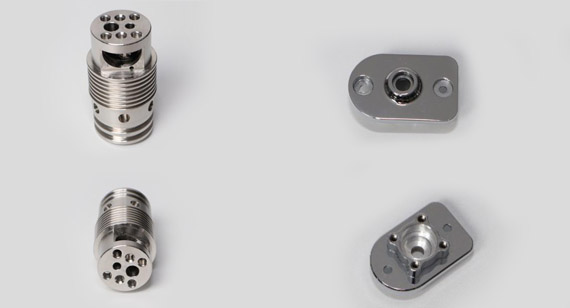
 Martensitic Stainless Steel stands out in the stainless steel family as the only class that can be significantly hardened and strengthened through heat treatment (quenching and tempering). Renowned for its exceptional hardness, high tensile strength, and superior wear resistance, it is the "go-to" material for precision bearings, valve components, and high-end cutlery. At VMT CNC Machining Factory, our clients typically specify martensitic grades when their project demands a perfect balance of structural rigidity and post-heat-treatment toughness. However, if your application prioritizes extreme corrosion resistance or weldability, a closer look at the trade-offs is required.
66
Read more
 VMT 2026 03 17
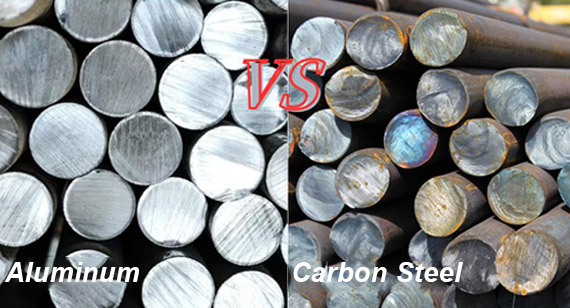
 If you require lightweight components or demand better corrosion resistance and aesthetics than carbon steel, aluminum is likely the material you are looking for. Its strength, ductility, machinability, and heat-treatment potential depend heavily on the specific alloy grade. On the other hand, certain carbon steels—particularly high-carbon steel (0.6–2.0% carbon)—can achieve a tensile strength of 1000+ MPa and high hardness through heat treatment. These are ideal for heavy machinery parts, gears, and sharp tools, provided they are used in mild, non-corrosive environments. Today, we will dive deep into the core differences between these two materials to help you make the most professional decision.
66
Read more
 VMT 2026 03 16
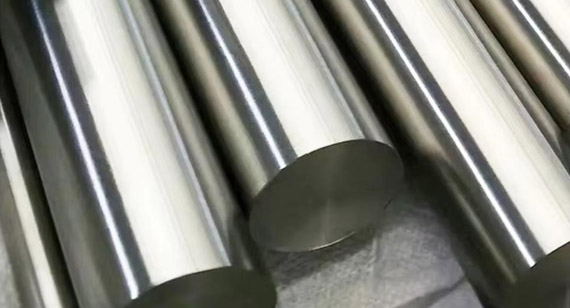
 Discover the key features and properties of 303 stainless steel, including its excellent machinability and corrosion resistance. Learn how it is widely used for precision components, fasteners, and CNC machined parts across various industries.
66
Read more


 +86 15099911516