
16 years one-stop China custom CNC machining parts factory
The VMT blog is dedicated to sharing our hard-earned knowledge in prototype manufacturing. We hope these articles will help you optimize your product designs and gain deeper insight into the world of rapid prototyping. Enjoy the read!
Get an Instant Quote All uploads files are safe and confidential
 VMT
VMT  2026 02 02
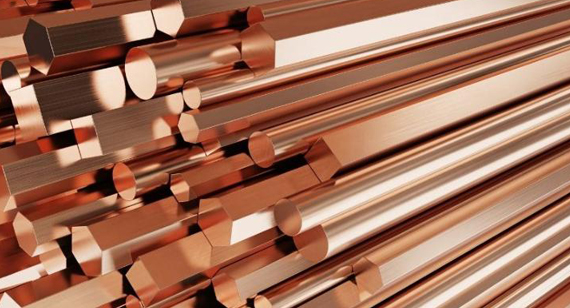
 Bronze—metallic brown color—you can often see it from celebrity statues in many museum; Silicon—the most abundant elements in nature composed of the earth under our feet. But what about silicon bronze? This material is what we will discuss—it isn’t bronze with silicon, but at least 94% copper with 1-4% silicon and other trace elements (bronze is 89-92% copper with 5.5-7.0% Tin). Thus, the color of silicon bronze is mainly similar to copper— a reddish-brown color. This article will introduce this widely used high strength, corrosion-resistant material —silicon bronze—from its types and common grades, properties and manufacturability and pros and cons, giving you a worthwhile engineering insight of this material.
 66
66
 Read more
 VMT 2026 02 01
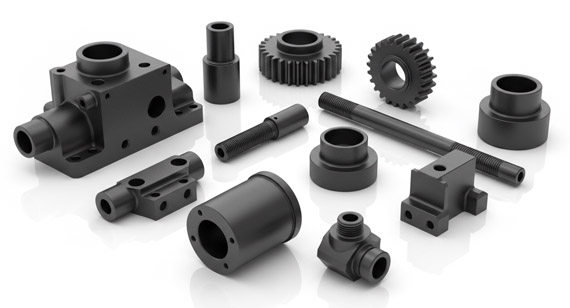
 If you are looking for a surface finish for "blacked-out" components —not just about aesthetics, but also about performance, you'd have to understand the black electroless nickel (EN) plating. For industries like aerospace, medical devices, and defense, this black finish plays an important role on dimensional precision, corrosion resistance, and electrical conductivity of CNC machined parts. In this guide, you can gain a clear understanding of the black electroless nickel plating process, its key benefits and cost, black electroless nickel vs. traditional black nickel plating, and other alternative “black” surface finishes.
66
Read more
 VMT 2026 01 31
 Have you been looking for an alloy with a good balance of strength, hardness, and durability, combined with excellent casting performance and high thermal stability? A380 aluminum alloy is exactly such an aluminum die-casting alloy widely used in automotive parts (brackets, engine housings), electronic housings, and tools. Its excellent fluidity and pressure tightness provide it with superior casting properties; and its universal in die-casting parts makes the aluminum a380 material cost affordable. This article will focus on a380 aluminum material properties, applications, as well as its manufacturability and comparison with non-castable wrought aluminum alloys 6061 and 7075 (wrought vs. casting ).
66
Read more
 VMT 2026 01 30
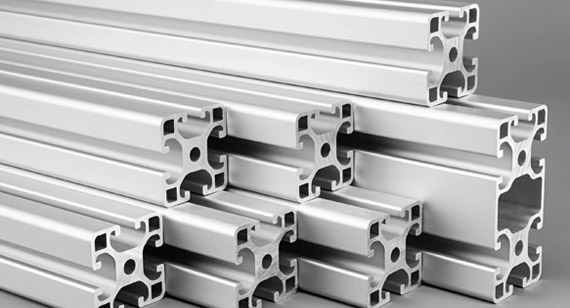
 For aluminum parts manufacturing through CNC machining and industrial extrusion, 6060 aluminum alloy stands out as the good choice when aesthetics, complex geometry, and superior surface finish are non-negotiable. As a heat-treatable 6xxx series (Al-Mg-Si
66
Read more
 VMT 2026 01 29
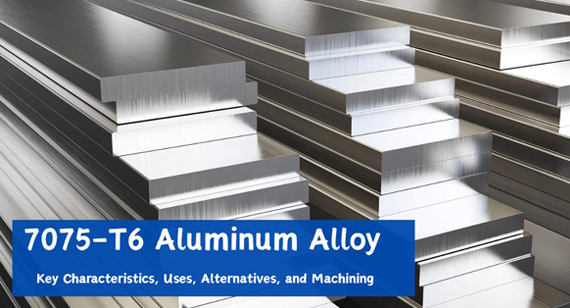
 You may have heard of the most versatile aluminum alloy 6061-T6, manufactured structural parts from automotive parts, industrial equipment to different kinds of hardware. It surely has high strength, and an affordable price due to its universal supply. However, there must be some other uses that it cannot meet really high strength. This is what this article will discuss— 7075-T6 aluminum —also known as "aircraft grade aluminum," stands as one of the highest strong alloy. It offers a strength-to-weight ratio that rivals many steels, making it a considered option for aerospace, defense, and high-stress industrial applications. But what’s about its characteristics and limitation? Is there any better alternative material for 7075-T6? What about its machining? This guide explores everything you need to know about material 7075 T6 aluminum.
66
Read more
 VMT 2026 01 28
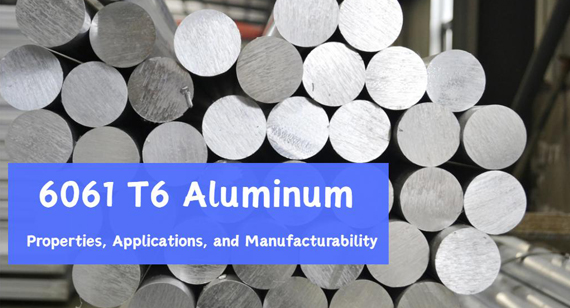
 In this comprehensive guide, we will dive deep into 6061-T6 aluminum—the most widely used and popular supply state of the 6061 alloy—detailing its properties, applications, and manufacturability (including its performance in CNC machining, welding, and bending).
66
Read more
 VMT 2026 01 27
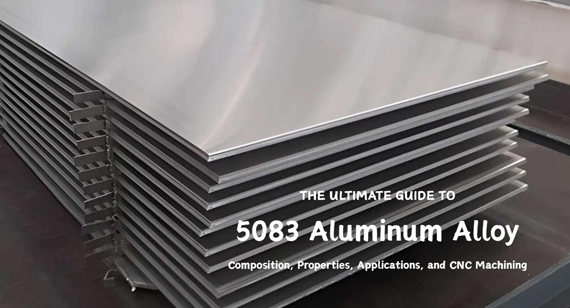
 In the world of high-performance manufacturing, finding a material that balances light weight, high strength, and extreme environmental resistance is critical. 5083 Aluminum Alloy stands out as the premier choice for engineers facing the harshest conditio
66
Read more
 VMT 2026 01 26
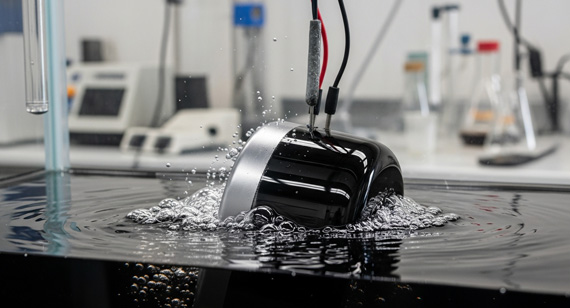
 You might be familiar with the brilliant luster of standard chrome plating. Its ability to provide a durable, corrosion-resistant silver finish is well-suited for various industrial parts. Yet, in the realms of precision engineering and high-end design, black chrome is emerging as a surface process for those seeking not only a unique smoke-grey or deep-black aesthetic but also durable and non-reflective performance. But how does this process differ from conventional plating? What chemical additives are required to manipulate its performance? What about color changes and texture? What about the price? These are the key points this article will share with you.
66
Read more


 +86 15099911516