16 years one-stop China custom CNC machining parts factory

Hey there I’m VMT Sam!
With 25 years of CNC machining experience we are committed to helping clients overcome 10000 complex part-processing challenges all to contribute to a better life through intelligent manufacturing. Contact us now
 682 |
Published by VMT at Dec 24 2025 | Reading Time:About 2 minutes
682 |
Published by VMT at Dec 24 2025 | Reading Time:About 2 minutes


Of the many carbon and alloy steels available, 5160 steel stands out as a top pick for manufacturing. Many engineers or manufacturers love its unique combination of toughness, strength, and wear resistance, using it to make components like fasteners , springs, and cutting tools. In this guide, we’ll break down its chemical composition, mechanical and physical properties, processing, and typical applications, while comparing it to other steels to help you make informed material selection and design decisions.
Meet 5160 steel, a high-carbon chromium alloy steel prized for its exceptional toughness, strength, and wear resistance. It’s widely used in applications where durability and flexibility matter (as it’s also named 5160 spring steel), like bearing and sliding bushings, automotive springs, knives, etc.
With a carbon content of around 0.56–0.64%, it can reach impressive hardness after heat treatment, while 0.7–0.9% chromium adds a touch of corrosion resistance and enhances hardenability. Manganese and silicon are also present, boosting strength and helping with deoxidization, while phosphorus and sulfur are kept to a minimum to avoid brittleness.
Although 5160 steel isn't stainless steel, it is suitable for outdoor use but will rust over time if not maintained. For applications requiring higher corrosion resistance or extreme durability, steels like 1095 or 1075 carbon steel would be more suitable.

The chemical composition of AISI 5160 carbon steel is:
This composition classifies 5160 as a typical high-carbon steel with 0.70–0.90% chromium content for improved strength and hardenability, while phosphorus and sulfur are present only in trace amounts as impurities, and the remainder consists primarily of iron.
5160 steel exhibits a combination of high toughness, strength, and wear resistance, making it ideal for applications such as springs, automotive components, and heavy-duty tools. The physical and mechanical properties of 5160 steel are outlined in Table 1 below:
Table 1: Physical and Mechanical Properties of AISI 5160 Steel
| Property | Typical Value |
| Density | 7.85 g/cm³ |
| Elastic Modulus | 190–210 GPa |
| Tensile Strength (Annealed) | ~724 MPa |
| Yield Strength | ~275 MPa |
| Elongation | ~17% |
| Brinell Hardness (HB) | ~197 |
| Thermal Conductivity | ~46 W/m·K |
| Hardness After Heat Treatment | Quenched + tempered at 190–205°C: HRC 58–60 |
Table 1 Credit: Azom
AISI 5160 steel has a machinability of approximately 55% - a moderately difficult material to machine. During machining, it shows high hardness, strong cutting resistance, and rapid tool wear.
Before machining the 5160 steel, it is essential to verify its current hardness condition—whether it is annealed, quenched, or in a hot-rolled state—as this directly determines the appropriate machining method. Regarding the circumstances under which processing method you may use, outlined in Table 2 below:
Table 2: Comparison of Machining Methods for 5160 Steel
| Machining Method | Suitable Applications | Key Considerations |
| Cutting (Turning, Milling, Drilling) | Batch parts, holes | Steel should be annealed; use carbide tools and strong cooling to reduce heat and tool wear |
| Cold Working | Simple bending, stamping | Prone to work hardening; not suitable for complex shapes |
| Hot Working (Forging) | Knife blanks, tool blanks, heavy components | Requires high temperature; subsequent normalizing and heat treatment needed |
| Grinding | Finishing of hardened parts | Temperature control is critical to prevent burning |
| EDM (Electrical Discharge Machining) | Complex shapes in quenched steel | High precision but slow process |
In the annealed condition (optimal for machining), 5160 steels can be easily turned, milled, and drilled. Hard carbide tools combined with ample cutting fluid are recommended to reduce heat buildup and tool wear.
For cold working operations such as bending or stamping, the deformation should be kept minimal to avoid severe work hardening.
For knife blanks or complex-shaped billets, high-temperature hot working (e.g., forging) can achieve significant plastic deformation, followed by normalizing and heat treatment to restore mechanical properties.
Once the material has been quenched to 57–60 HRC, conventional cutting is no longer feasible. At this stage, precision grinding or EDM is required to achieve the desired geometric accuracy.
Like machining, welding 5160 steel can be challenging due to its high carbon content (and relatively high chromium content). This can cause the heat-affected zone to be prone to cold cracking. To minimize the risk, the steel must be thoroughly preheated to 200–300°C before welding, and low-hydrogen electrodes should be used to reduce hydrogen-induced cracking. After welding, immediate tempering or stress-relief treatment is essential to release internal stresses in the welded area, preventing delayed cracking or reduced toughness.
For heat treatment, 5160 steel relies on proper quenching and tempering to achieve its excellent elasticity and toughness. The recommended process begins with normalizing at around 870°C followed by air cooling to refine the grain structure and achieve a uniform microstructure. This is followed by quenching at 800–850°C using oil (water quenching should be avoided) to reach a hardness of 57–60 HRC. Finally, tempering at 200–300°C is performed to reduce brittleness and enhance toughness. For applications such as knives, double tempering is often recommended to achieve more stable and reliable performance.
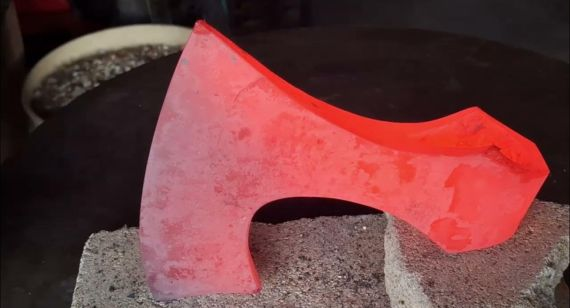
You may notice that parts or products made from 5160 steel can develop rust. But why does this happen? Unlike stainless steel, which usually contains more than 10% chromium, 5160 carbon steel only has about 0.7%–0.9% chromium. In 5160 steels, the chromium primarily enhances strength and toughness rather than providing corrosion resistance while stainless steel chromium can form a stable passive layer on the surface, naturally resisting oxidation.
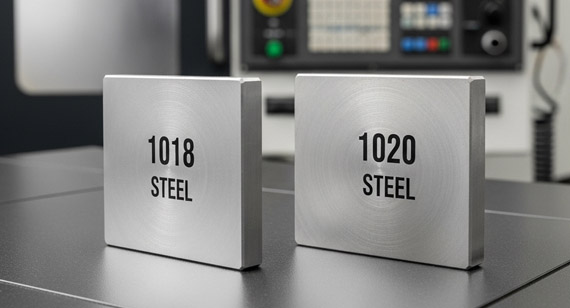
And 5160 steels as a high-carbon steel, is generally more prone to corrosion than lower-carbon steels such as 1018 or 1045. The higher carbon content increases the steel’s chemical reactivity, making 5160 steel more susceptible to oxidation and rust. On top of that, 5160 steel is often used for outdoor applications, like outdoor machinery components, springs, and knives, where exposure to moisture can accelerate rust.
Therefore, it is essential for you to apply proper surface treatment to preserve the performance and longevity of your 5160 steel products.
To prevent oxidation and rust on your 5160 steel parts or products and to extend their service life, the following surface treatments and maintenance methods can be applied:
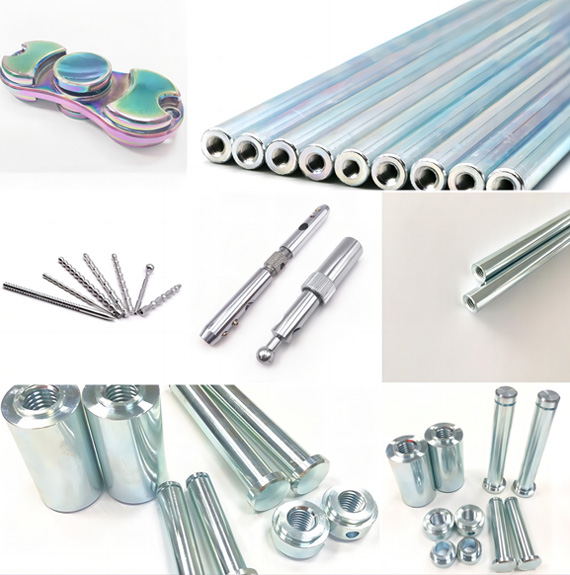
Electroplating with nickel, chrome, or zinc creates a durable barrier layer that effectively protects against corrosion.
For high-strength industrial components, processes like anodizing, heat treatment, or carburizing can enhance surface hardness and improve corrosion resistance.
Industrial-grade paints, powder coatings, or epoxy coatings provide protective layers that not only prevent oxidation but also reduce friction and wear.
These chemical treatments form a thin oxide layer on the surface, creating an excellent base for applying protective oils.
For knives or other precision tools, regularly applying a thin layer of mineral oil or specialized anti-rust oil helps maintain the steel and prevent corrosion.
5160 steel is commonly used in applications that demand high strength and elasticity, with excellent impact resistance being its core advantage. The following are some typical uses of 5160 steel:
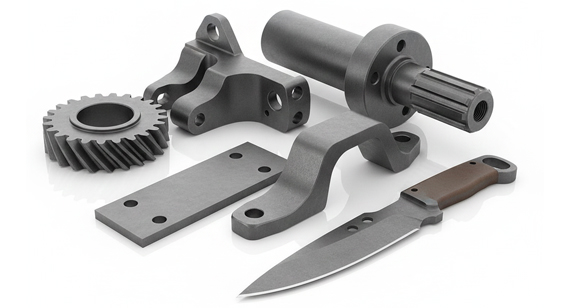
1. Industrial Machinery Components
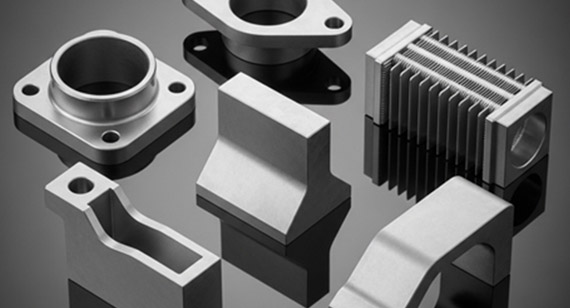
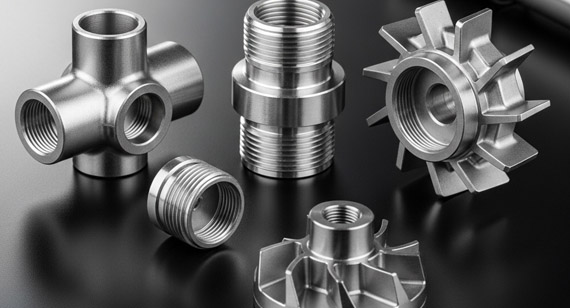
Thanks to its durability, 5160 steel is ideal for manufacturing mechanical parts that endure impact, wear, and fatigue, especially those produced via CNC machining. Components or products include:
5160 steel is widely used in automotive suspension and load-bearing components, including leaf springs, coil springs, suspension assemblies like bumpers and stabilizers, and heavy-duty parts such as flexible bushings.
3. Knife and Cutting Tool Manufacturing
This steel is popular for outdoor and tactical knives, including camping knives, machetes, swords, Kukris, and throwing knives, thanks to its toughness and ability to absorb shocks.
4. Other Spring Applications
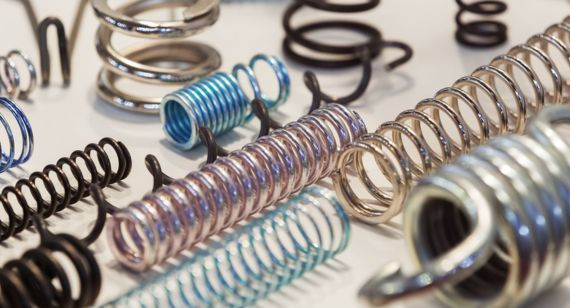
Beyond automotive and tooling, 5160 steel is used in springs for agricultural machinery, mining and oil & gas equipment, and heavy-duty transport machinery.
Here are some of the main reasons why 5160 steel might be the right pick for your manufacturing needs:
And here’s some reasons that you may not use 5160 carbon steel for your products:
Besides 5160 steels, there are commonly used alloy steels including 4140, 4340, 1095, and D2. They are distinct from each other, from composition to performance. Their differences are mainly led by their carbon content and alloying elements such as chromium, nickel, and molybdenum, which in turn affect strength, toughness, wear resistance, and machinability.
So, how would you make a quick choice from them? It depends on your needs:
As for how the five steels performed different from each, you may check the table below:
Table 3: Performance Ranking of Five Common Alloy Steels (5 = Best, 1 = Worst)
| Steel | Toughness (Impact) | Hardness / Wear Resistance | Machinability | Heat Treatment Response |
| 5160 | 5 (60–80 J) | 3 (HB 197) | 3 (moderate) | 4 (good) |
| 4140 | 3 (35–55 J) | 3 (HB 197–229) | 4 (easy to machine) | 3 (average) |
| 4340 | 5 (60–100 J) | 4 (HB 197–241) | 2 (difficult to machine) | 5 (excellent) |
| 1095 | 2 (10–25 J) | 4 (HB 180–220, annealed) | 4 (easy to machine) | 3 (average) |
| D2 | 1 (5–15 J) | 5 (HRC 60–62, ~HB 800) | 2 (difficult to machine) | 4 (stable) |
It is clear from the comparison table that 5160 steel is a high-toughness spring steel, making it ideal for applications that require impact resistance. 4140 steel is a well-balanced alloy, offering a good combination of strength, toughness, and machinability. 4340 steel stands out for its exceptional toughness and hardenability, making it suitable for high-stress structural components. 1095 steel is very hard and holds a sharp edge, but it has limited impact resistance. And, D2 steel excels in wear resistance and hardness, though it can be brittle under heavy impact.
This article introduces 5160 spring steel, a heat-treatable alloy known for its high toughness and long fatigue life, and explores its key properties, machining characteristics, and common applications. Thanks to its excellent strength, wear resistance, and toughness, 5160 steel is a versatile material widely used in the automotive, industrial, tooling, and cutting tool sectors. For more information about 5160 spring steel or other alloy steels, please reach out to a VMT representative.
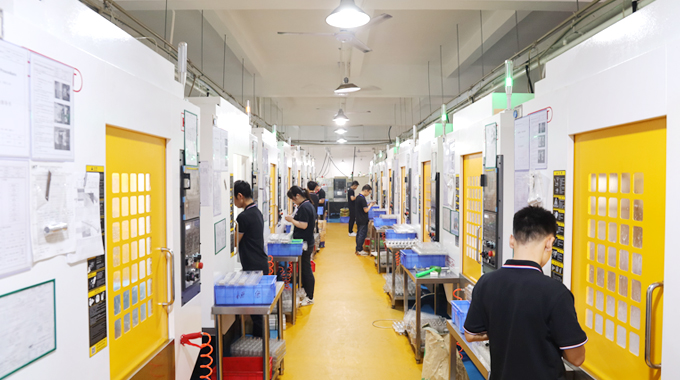
VMT CNC Machining Factory – Your One-Stop Custom Machining Partner
VMT provides comprehensive manufacturing capabilities and value-added services, including high-precision machining, advanced surface treatments, and prototyping support, catering to both prototyping and mass production needs. Our services include:
Visit our website to learn more or request a free, no-obligation quote.

What are the equivalents of 5160 steel?
Other designations equivalent to AISI 5160 alloy steel include ASTM A29, ASTM A322, and ASTM A331.
What are the common formats of 5160 steel for sale?
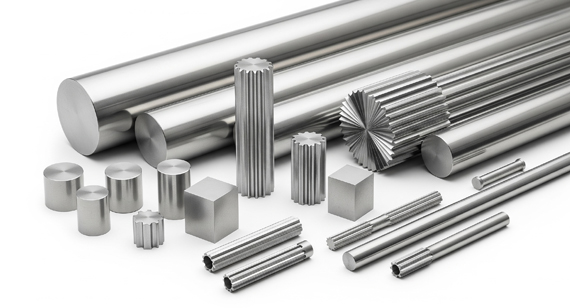
5160 steel is commonly available in sheets, plates, bars, rods, coils, and springs, making it versatile for various industrial and hobby applications.
5160 Steel vs 1060 Steel: Which One Is Better?
While both are high-carbon steels, their properties differ. 5160 steel provides better toughness and shock resistance, which makes it ideal for springs and large blades, whereas 1060 steel offers higher hardness and edge retention, suitable for knives and tools that require sharpness.
5160 Steel vs 1095 Steel: Which One Is Better?
Although both are high-carbon steels, 5160 and 1095 have different strengths. 5160 steel offers superior toughness and shock resistance, making it excellent for springs and large blades. In contrast, 1095 steel provides higher hardness and better edge retention, making it more suitable for knives and precision tools.
Does 5160 steel have a price advantage?
Yes. 5160 steel offers strong performance for its cost, making it good value when you need hardness, toughness, wear resistance, and fatigue strength. However, for light-duty or simple structural parts, basic mild steel or low-carbon steels are usually cheaper, so 5160 may not be necessary.
Can 5160 steel be welded easily?
Not particularly easy. 5160 steel is not the simplest to weld or machine, but it can be heat-treated, annealed, and hot-worked into the desired shape when proper techniques are applied.


 +86 15099911516




 Read more