16 years one-stop China custom CNC machining parts factory

Hey there I’m VMT Sam!
With 25 years of CNC machining experience we are committed to helping clients overcome 10000 complex part-processing challenges all to contribute to a better life through intelligent manufacturing. Contact us now
 532 |
Published by VMT at Sep 10 2026 | Reading Time:About 8 minutes
532 |
Published by VMT at Sep 10 2026 | Reading Time:About 8 minutes


Your stainless steel CNC part may meet every dimension after machining but still fail after surface finishing. Polishing can remove material, plating adds thickness, and uncontrolled finishing may round edges, affect threads, or create inconsistent appearance. Choosing the finish before production helps protect corrosion resistance, tolerance, surface quality, and assembly performance.
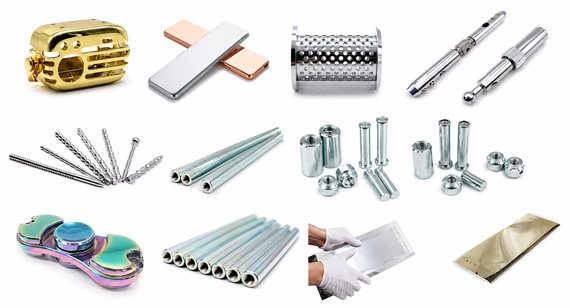
Common surface treatments for CNC machined stainless steel parts include passivation, electropolishing, mechanical polishing, brushing, bead blasting, PVD coating, electroplating, and black oxide. The best choice depends on corrosion resistance, roughness, appearance, wear resistance, dimensional tolerance, application environment, and cost.
If you are choosing a finish for your stainless steel CNC parts, appearance is only one factor. You also need to consider material grade, tolerance, surface roughness, assembly fit, inspection, and production volume.
The purpose of surface treatment of stainless steel metal CNC machined parts is to improve the performance of the surface and achieve beautiful and anti-corrosion effects. So, what are our common stainless steel surface treatment methods?
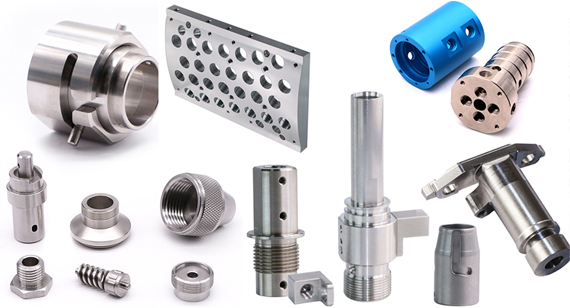
CNC machining can produce accurate stainless steel components, but the machined surface may still contain tool marks, burrs, cutting fluid, fingerprints, embedded contamination, scratches, oxide scale, or heat discoloration.
Surface treatment is applied after CNC milling, turning, Swiss machining, grinding, or other manufacturing processes to improve one or more properties of the finished part, including:
If your project also requires precision milling, turning, or complex stainless steel components, VMT's stainless steel CNC machining services support custom parts from prototype validation through repeat production.
However, not every operation performed after machining should be considered a final surface finish.
Surface Preparation vs. Final Surface Finishing
Stainless Steel Cleaning:
Surface preparation prepares your part for the next process and may include:
These steps are important because poor surface preparation can affect subsequent passivation, electropolishing, PVD coating, or plating.
Final surface finishing changes the functional or cosmetic surface condition of your part. Common options include:
For some internal or functional components, an as-machined finish may still be the most economical option.
Tip: Define your finish requirement on the drawing before CNC machining starts. Adding a finish after machining may create new problems with polishing allowance, masking, coating thickness, threads, and tight-fit features.
1. Passivation
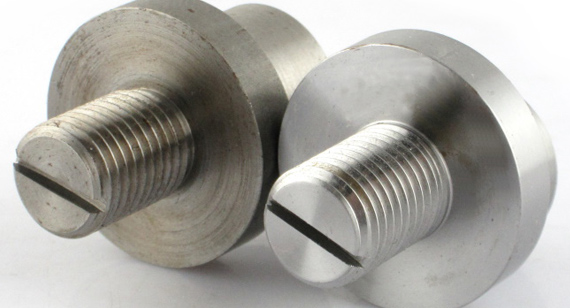
Passivation is commonly used for stainless steel CNC parts when corrosion resistance and cleanliness are more important than changing the visual appearance.
Oil removal and dust removal: Before pickling and passivation of stainless steel metal CNC machined parts, oil, oxide scale, dust and other sundries must be removed according to the process.
During machining, stainless steel may contact cutting tools, fixtures, workholding components, handling equipment, or other metallic surfaces. These operations can leave free iron or unwanted contamination on the surface.
Cleaning followed by a properly specified passivation process helps remove contamination and restore a suitable passive surface condition.
The purpose of stainless steel passivation is to prevent rust. Passivation treatment is suitable for all 200, 300, 400 stainless steel metal CNC machined parts and stainless steel surfaces to prevent rust. Because of its simple operation process and extremely low processing cost, the surface color, size and appearance of stainless steel products remain basically unchanged after passivation treatment, while the corrosion resistance and effective oxidation resistance of the stainless steel surface are improved.
When Is Passivation Suitable?
Passivation is commonly considered for:
Grades such as 304, 304L, 316, 316L, and 17-4PH may be passivated depending on the material condition, application, and customer specification.
Main Advantages
Passivation does not remove deep tool marks or scratches and should not be specified when your main goal is a mirror-polished cosmetic surface.
For a deeper explanation of process steps, standards, and inspection methods, read VMT's guide to stainless steel passivation.
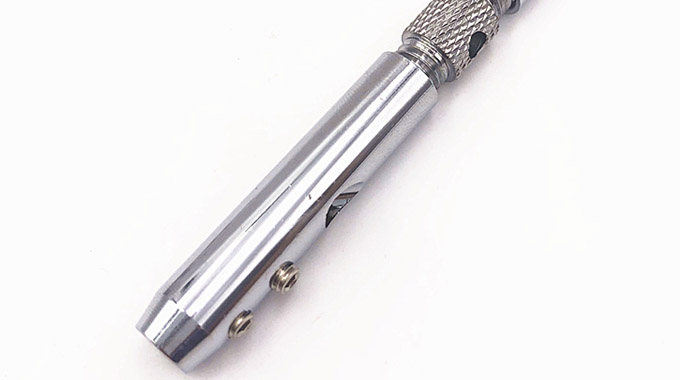
2. Stainless Steel Polishing
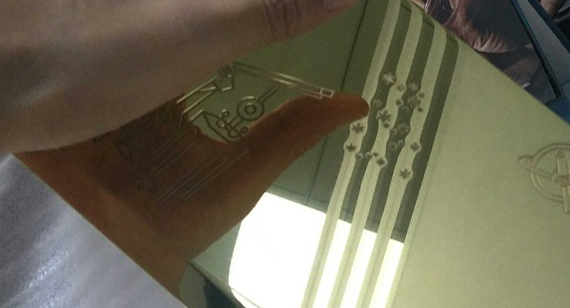
polishing is divided into three processes mechanical polishing, electrolytic polishing and chemical polishing. Each has its advantages and disadvantages. As a more traditional polishing process, mechanical polishing has been popular for many years, but because it can only process stainless steel parts that are simple to polish, and the working environment is harsh and inconvenient, it is gradually replaced by electrolytic polishing. The advantages of electrolytic polishing are relatively more. It can not only polish any stainless steel parts, but also has high production efficiency, low cost, good working environment, and can be polished to a mirror effect. At the same time, due to the principle of electrochemical reaction, the surface of stainless steel has a good anti-corrosion effect. This is not possible with mechanical polishing. Chemical polishing is generally used to process relatively small and precise stainless steel parts, but not all grades of stainless steel can get good polishing results.
2.1 Electropolishing
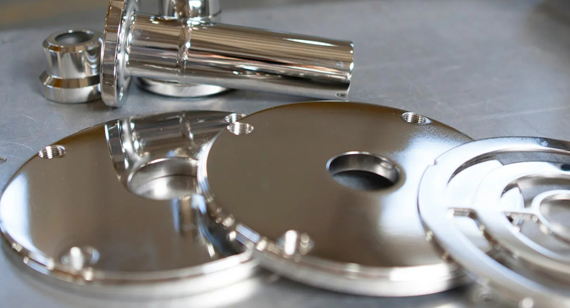
Electropolishing removes a controlled amount of stainless steel through an electrochemical process.
The process preferentially reduces microscopic surface peaks, helping create a smoother, brighter, and cleaner surface.
Electropolishing may be suitable when your project requires:
Typical applications include:
Does Electropolishing Affect Dimensions?
Yes.
Electropolishing removes material. Depending on the process and geometry:
This makes electropolishing very different from conventional passivation when tight tolerances are involved.
If you are deciding between these two material-removal finishing methods, see our detailed comparison of electropolishing vs. mechanical polishing.
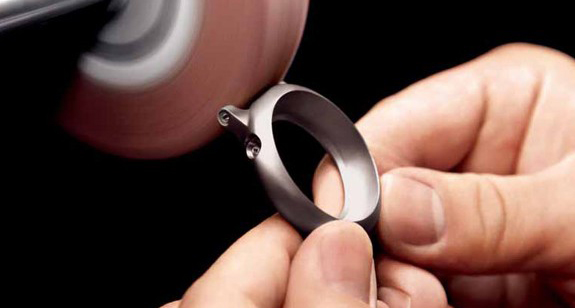
2. 2 Mechanical Polishing
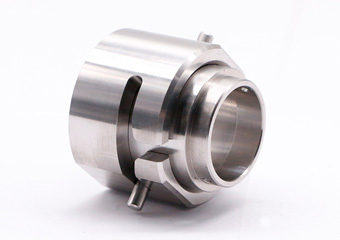
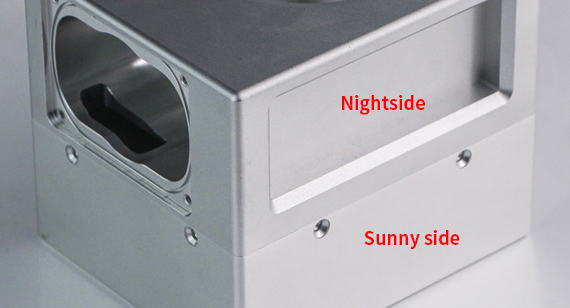
Mechanical polishing is commonly used when stainless steel CNC parts require better cosmetic appearance, fewer visible machining marks, or a satin-to-mirror surface.
The process uses controlled abrasive operations to progressively remove surface irregularities.
Depending on the specification, mechanical polishing can produce:
Typical applications include:
What Are the Main Machining Risks?
Mechanical polishing removes material.
Critical areas can include:
Aggressive or inconsistent polishing may also change edge geometry and create different gloss levels between production batches.
If your project specifically requires a reflective finish, see the complete stainless steel mirror polishing process.
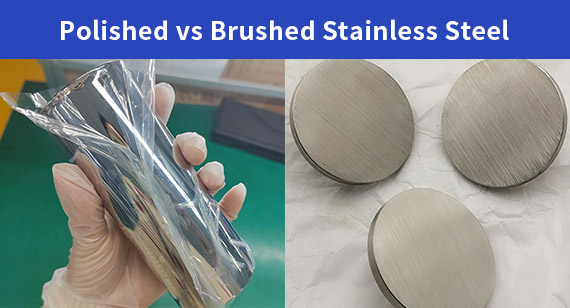
3. Brushing
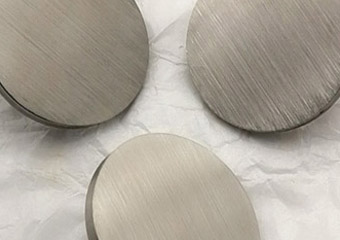
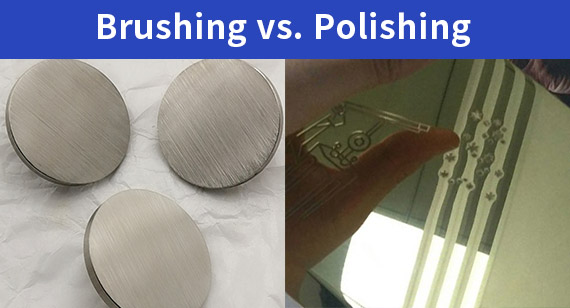
Brushing creates a directional linear texture on stainless steel.
Instead of producing a highly reflective surface, it creates a controlled satin appearance that can reduce the visual impact of minor machining marks.
Brushing is commonly used for:
The challenge is not simply producing the texture. It is maintaining consistent:
If several brushed components are assembled together, the grain direction should be defined on the drawing or confirmed using an approved sample.
If appearance is your main concern, compare polished vs. brushed stainless steel before deciding between a reflective and directional satin finish.
4. Bead Blasting
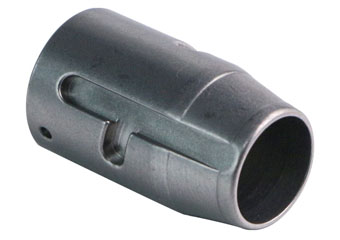
Bead blasting is frequently used to create a uniform matte or satin surface on stainless steel CNC parts.
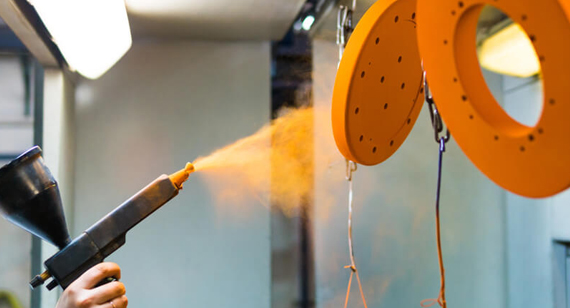
Water spray treatment: According to different treatment requirements, choose different micro glass beads and different process parameters to avoid overspray.
Blasting media contacts the machined surface under controlled conditions, helping reduce the visual contrast of machining marks and create a more consistent matte appearance.
Typical applications include:
The final appearance depends on:
Poor process control may lead to:
For cosmetic components, approving a physical reference sample is often more reliable than using only descriptions such as “matte” or “fine bead blast.”
5. PVD Coating
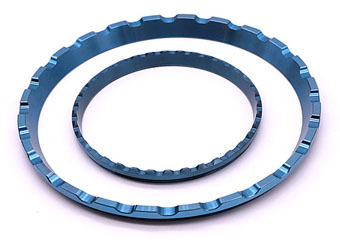
Physical Vapor Deposition, or PVD, adds a thin functional or decorative coating to the stainless steel surface.
PVD may be selected when your stainless steel CNC parts require:
It is commonly used for:
Which Features May Need Masking?
Depending on the design, coating should not necessarily cover every surface.
Potential masking areas include:
Threads
Precision bores
Bearing seats
Mating surfaces
Sealing surfaces
Electrical contact areas
Grounding locations
This is why PVD requirements should ideally be identified on your 2D drawing before CNC machining starts.
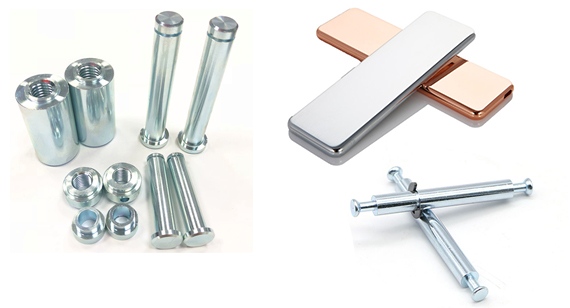
6. Electroplating
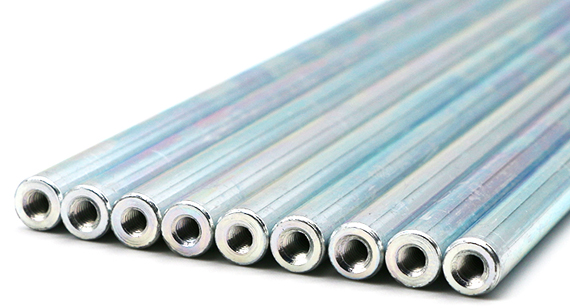
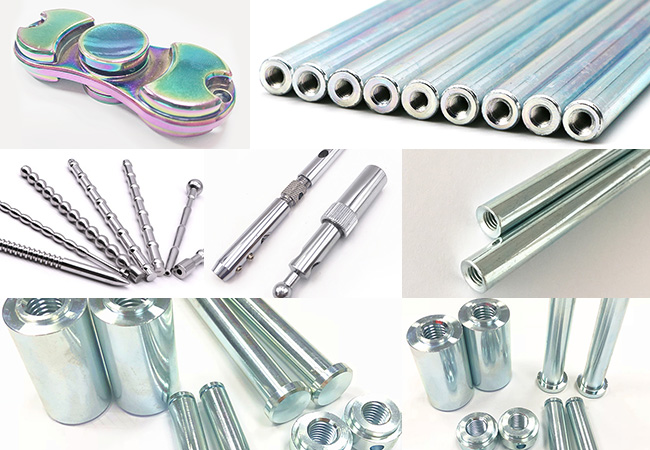
Electroplating deposits a metallic layer onto the stainless steel surface.
Depending on the application, selected processes may include:
Electroplating can be used to modify:
Unlike mechanical polishing and electropolishing, plating is an additive process.
This means coating thickness must be considered for:
For critical features, the drawing should clearly state whether dimensions apply before or after plating.
7. Black Oxide
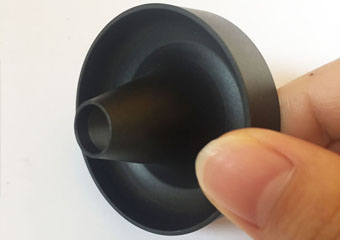
Black oxide may be used on selected stainless steel components when a dark or low-reflectivity appearance is required.
Possible reasons include:
Suitability depends on the stainless steel grade, blackening process, pretreatment, sealing, and operating environment.
Black oxide should therefore not be treated as a universal corrosion-protection solution for all stainless steel parts.
8. Pickling and Descaling
Pickling is primarily a surface preparation process rather than a cosmetic final finish.
It may help remove:
It can be required after welding, heat exposure, or certain manufacturing processes before subsequent passivation or finishing.
For precision parts, chemical concentration, exposure time, stainless steel grade, and dimensional requirements should all be considered.
9. As-Machined Finish
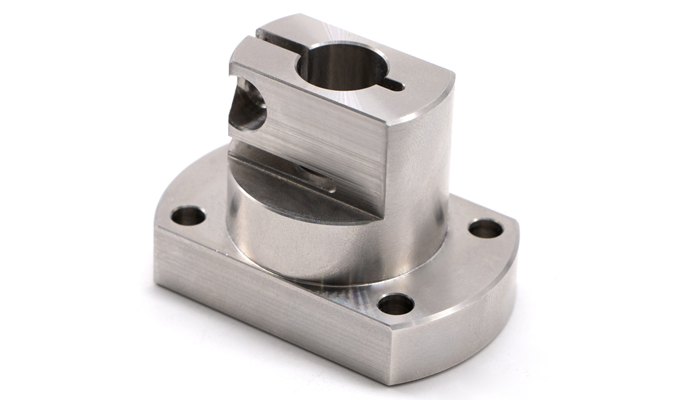
Not every stainless steel CNC part requires a secondary finish.
An as-machined surface can be suitable when the component is:
Unnecessary polishing or coating can increase:
For functional internal parts, maintaining a controlled as-machined surface can sometimes be the better engineering decision.
The table below gives you a quick starting point when comparing common finishes for CNC machined stainless steel parts.
| Surface Treatment | Main Purpose | Appearance | Dimensional Effect | Typical Use |
| As-Machined | Functional / cost control | Visible tool marks | No secondary change | Internal functional parts |
| Passivation | Corrosion resistance / cleanliness | Little visual change | Very low | Fluid, medical, marine, mechanical parts |
| Electropolishing | Smoothness / cleanliness | Bright and smooth | Removes material | Medical, semiconductor, fluid parts |
| Mechanical Polishing | Cosmetic improvement | Satin to mirror | Removes material | Housings, luxury parts, visible components |
| Brushing | Decorative texture | Linear satin | Slight removal | Consumer products, panels, knobs |
| Bead Blasting | Uniform matte appearance | Matte / satin | Low surface change | Housings and cosmetic parts |
| PVD | Wear + appearance | Decorative metallic finish | Adds thin coating | Watch, luxury, consumer parts |
| Electroplating | Functional / decorative coating | Coated | Adds thickness | Wear, appearance, functional surfaces |
| Black Oxide | Dark appearance | Black / dark matte | Low | Selected mechanical parts |
The correct choice should still be confirmed against your stainless steel grade, tolerance, roughness, environment, appearance requirements, and applicable standards.
If your project requires other materials or finishing combinations, VMT also provides CNC surface finishing services covering multiple secondary processes for custom machined parts.
There is no single surface treatment that is best for every stainless steel component.
The correct finish depends on what your part must achieve after machining and assembly.
For Corrosion Resistance
Passivation is often selected when you want corrosion protection without significantly changing the part's original appearance or dimensions.
Electropolishing may be considered when corrosion performance must be combined with improved smoothness and cleanliness.
However, finishing should not be used to compensate for selecting the wrong stainless steel grade for a demanding environment.
Material and finish should be evaluated together.
For Low Surface Roughness and Cleanability
Electropolishing is useful when reducing microscopic surface irregularities is important.
Mechanical polishing can also achieve a smooth surface, especially where visible appearance matters.
Selection depends on:
For Cosmetic Appearance
For visible stainless steel parts, common choices include:
The correct process depends on whether you need:
For assemblies containing several visible components, sample approval before batch production helps control appearance consistency.
For Wear Resistance
PVD and selected functional coatings may be more suitable when your main requirement is wear resistance rather than appearance.
The finish should be evaluated against:
For Tight-Tolerance Parts
For precision components, dimensional influence should usually be considered before cosmetic appearance.
Material-removing or additive processes can affect:
Passivation generally creates much less dimensional change than electropolishing, mechanical polishing, or plating.
For Low-Cost Functional Parts
If your part is internal and cosmetic quality is not important, an as-machined or passivated surface may provide better value.
Adding polishing, blasting, or decorative coating without a functional reason increases manufacturing cost without necessarily improving assembly or service performance.
Tip: Instead of only telling your supplier the finish name, explain what you need the surface to achieve: corrosion resistance, Ra, appearance, color, wear resistance, or cleanability.
Surface finishing should be considered part of the manufacturing plan rather than an operation added only after CNC machining.
Different processes affect dimensions in different ways.
Material-Removing Processes
Processes such as:
remove material.
Possible dimensional changes include:
For precision components, machining allowance should be reviewed before finishing.
Minimal-Buildup Chemical Treatments
Passivation does not intentionally deposit a thick coating and generally has much less dimensional influence than polishing or plating.
However, you still need to consider:
Additive Coatings
Processes such as electroplating and PVD add material to the surface.
Even thin coatings can matter when your tolerance window is small.
Critical features may include:
Tip: Define the Finished Condition
If your drawing includes tight-fit bores, shafts, threads, or sealing surfaces, clearly state whether the tolerance applies:
Before surface finishing or After surface finishing
For assembly-critical components, the final finished condition is normally the condition that matters most to your product.
Different stainless steel grades have different compositions, hardness, corrosion behavior, machinability, and finishing response.
The table below should be used as general guidance rather than an absolute compatibility standard.
| Stainless Steel Grade | Common Surface Treatment Options | Typical Applications |
| 303 | Passivation, polishing, brushing | Turned parts, fittings, machined components |
| 304 / 304L | Passivation, electropolishing, polishing, brushing, bead blasting, PVD | Housings, general equipment, consumer products |
| 316 / 316L | Passivation, electropolishing, polishing | Medical, marine, fluid and chemical applications |
| 17-4PH | Passivation, polishing, selected coatings | High-strength precision components |
| 420 | Polishing, suitable passivation, functional coating | Wear and mechanical parts |
| 440C | Polishing and selected coatings | High-hardness precision components |
Final finish selection should consider:
Dimensional Change
A CNC-machined component may measure correctly before finishing but fall outside tolerance afterward.
This can occur because the finishing process removes material or adds coating thickness.
Critical features should therefore be inspected in the final finished condition when required by the drawing.
Rounded Edges After Polishing
Aggressive polishing can soften sharp cosmetic edges or precision features.
This matters particularly for:
Machining geometry and polishing allowance should therefore be planned together.
Uneven Surface Texture
Brushed, blasted, and polished surfaces can vary when process conditions are inconsistent.
Common causes include:
For repeated cosmetic production, an approved sample can provide a more reliable inspection reference.
Color Differences
With decorative processes such as PVD, customers may care about:
Surface preparation and lot control therefore become part of finishing quality.
Scratches After Finishing
A polished part can pass final finishing inspection and still become scratched during:
Visible stainless steel components should be separated or individually protected to reduce part-to-part contact.
Free-Iron Contamination
Stainless steel surfaces can become contaminated when they contact inappropriate ferrous tools, work surfaces, or handling equipment.
Proper cleaning and passivation can help reduce this risk.
Thread and Hole Problems
Threads and holes can be affected by:
Critical threads should be identified before finishing and checked with appropriate gauges afterward when required.
Surface finishing should not be separated from CNC machining planning.
At VMT, the manufacturing process starts from your drawing so machining, finishing, inspection, assembly, and packaging requirements can be considered together.
Step 1: Drawing and DFM Review
Before production, our engineering team reviews:
If the specified finish may create dimensional or production risk, DFM feedback can be provided before machining begins.
Step 2: Machining Allowance Planning
When mechanical polishing, electropolishing, grinding, or plating may change dimensions, machining allowance can be planned around the final finished condition.
This reduces the risk of producing a correct CNC dimension but losing tolerance during secondary finishing.
Step 3: CNC Machining and Deburring
The quality of the machined surface directly affects the finishing process.
VMT controls:
A poor machined surface usually requires more aggressive finishing, increasing both cost and dimensional risk.
Step 4: Cleaning and Surface Preparation
Oil, dust, abrasive residue, and other contamination are removed before the required finishing process.
The preparation method is selected according to the stainless steel grade and final finish.
Step 5: Prototype Surface Finish Verification
For cosmetic or high-risk projects, prototype finishing can be used to confirm:
An approved sample provides a clearer standard for batch production.
Step 6: Batch Finishing Control
For repeat production, finishing parameters must remain consistent.
Depending on the process, control points may include:
Step 7: Final Inspection After Surface Finishing
Critical dimensions should not always be accepted based only on measurements taken before finishing.
Specified features can be inspected after the final surface process so the component is verified in the condition in which it will actually be assembled.
Step 8: Protective Packaging
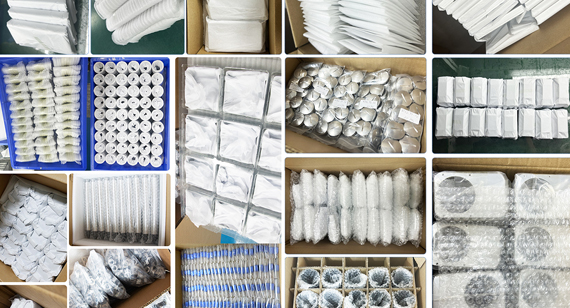
After final finishing and inspection, cosmetic surfaces can be individually protected or separated according to part geometry.
After the surface treatment of stainless steel machined parts is completed, protection should be done to avoid secondary pollution caused by personal contact, oil, dust and other sundries.
This helps reduce:
Avoid reprocessing: After finishing the surface treatment of stainless steel metal CNC machined parts, avoid reprocessing the parts or products.
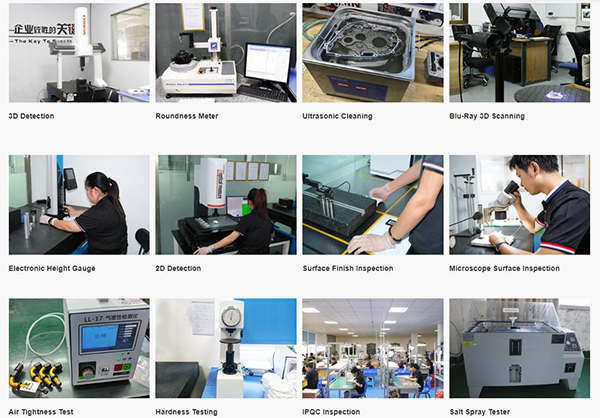
Inspection should match the risk of the component and the selected finish.
Depending on your drawing, VMT can use:
For precision components, particular attention should be given to:
For cosmetic parts, inspection should also consider viewing direction, lighting, visible zones, and agreed appearance criteria.
You can learn more about VMT's CNC machining quality inspection process for dimensional, surface, and final quality control.
Note: For repeat cosmetic production, approving a physical sample or clear reference standard can reduce disputes caused by subjective terms such as “smooth,” “bright,” “matte,” or “mirror.”
Medical Equipment
Passivation and electropolishing are frequently considered for stainless steel medical components where corrosion resistance, cleanliness, and smooth surfaces are important.
Typical parts include:
Food and Fluid-Handling Equipment
304, 316, and 316L parts may use passivation or electropolishing depending on fluid environment, cleanliness, roughness, and customer requirements.
Typical components include:
Marine Equipment
Material selection is especially important in marine environments.
Suitable stainless steel combined with controlled finishing may be used for:
Visible stainless steel parts often require both dimensional accuracy and cosmetic consistency.
Common finishes include:
Typical parts include:
Automation and Industrial Equipment
Functional CNC parts may use as-machined, passivated, polished, or coated surfaces depending on:
Typical components include:
Watches and Luxury Hardware
High-end visible stainless steel parts frequently combine:
These projects require particular control of:
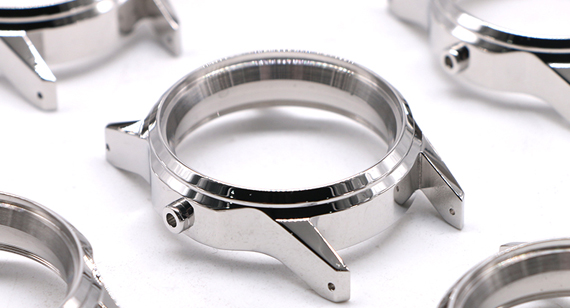
Project Background
A customer required a CNC-machined 316L stainless steel case with a cosmetic exterior, corrosion resistance, and controlled mating dimensions.
The part needed both visual quality and stable assembly performance after finishing.
Project Challenge
Potential manufacturing risks included:
If machining and finishing were planned separately, the final assembly dimensions could move outside the intended condition.
VMT Solution
The part was reviewed before production to separate cosmetic surfaces from critical functional features.
The process included:
Result
The approved appearance standard was transferred from prototype verification into batch production, while critical mating features were checked in their final finished condition.
This reduced the risk of treating CNC machining and surface finishing as two unrelated operations.
Stable stainless steel surface finishing begins before batch production.
A typical manufacturing workflow includes:
2D / 3D Drawing Review —— Material and Finish Confirmation —— DFM Analysis —— CNC Machining —— Deburring and Surface Preparation —— Prototype Surface Finish —— Finish Approval —— Batch CNC Production —— Surface Finishing —— Final Dimensional and Appearance Inspection —— Protective Packaging —— Shipping
This process is particularly useful when your project involves:
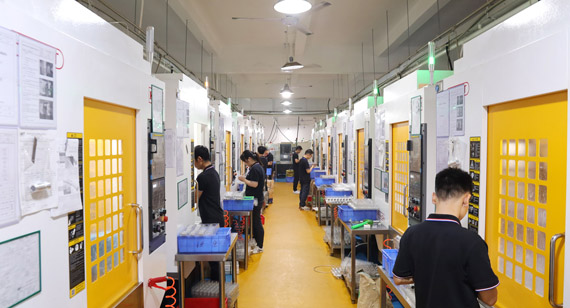
The right surface treatment for your CNC machined stainless steel part should ideally be selected before production starts, not after machining is complete.
Passivation, electropolishing, polishing, brushing, bead blasting, PVD, electroplating, and other finishes affect your part differently.
Your final decision should consider:
When CNC machining, finishing, and inspection are planned together, you can reduce dimensional problems, inconsistent appearance, rework, assembly failure, and unnecessary manufacturing cost.
Need Help Choosing a Surface Treatment for Your Stainless Steel CNC Parts?
Upload your 2D drawings and 3D models to VMT.
Our engineering team can review your stainless steel grade, tolerances, surface roughness, cosmetic surfaces, finishing requirements, masking areas, and critical assembly features before production.
From prototype CNC machining and surface finishing to final inspection, repeat production, and protective packaging, VMT helps you control the entire manufacturing process instead of treating surface finishing as an isolated secondary operation.
Send your 2D drawings, 3D CAD models, stainless steel grade, critical tolerances, surface roughness, finishing requirements, masking areas, cosmetic requirements, prototype quantity and production quantity. VMT will review manufacturability, finishing strategy, dimensional allowance, inspection and quotation requirements.
All information and uploaded files are secure and confidential.
1 Tell us what you need
2 Get solution & quote
3 Approve production
Email: inquiry@vimetal.com.cn
What Is the Best Surface Treatment for CNC Machined Stainless Steel Parts?
There is no single best finish. Passivation is commonly used for corrosion resistance with little dimensional effect, while electropolishing can improve smoothness and cleanliness. Mechanical polishing, brushing, bead blasting, and PVD are more commonly selected when appearance is also important.
The correct choice depends on your alloy, tolerance, environment, roughness, appearance, and cost requirements.
Passivation vs. Electropolishing: Which Should I Choose?
Choose passivation when your main goal is removing surface contamination and supporting corrosion resistance with minimal dimensional change.
Choose electropolishing when you also need a smoother, brighter, and more cleanable surface.
Electropolishing removes material, so tight-tolerance features require more planning.
Does Passivation Change Stainless Steel Part Dimensions?
Passivation does not intentionally create a thick deposited layer and normally has much less dimensional impact than plating, mechanical polishing, or electropolishing.
However, specifications and critical tolerance requirements should still be reviewed before production.
Does Electropolishing Remove Material?
Yes.
Electropolishing removes material electrochemically. Holes, shafts, edges, threads, and thin sections may change depending on process conditions.
For tight-tolerance parts, machining allowance should be considered before electropolishing.
Can Stainless Steel CNC Parts Be Bead Blasted?
Yes.
Bead blasting is commonly used to create a matte or satin stainless steel surface.
However, media, pressure, distance, blasting angle, and starting surface roughness all affect the final appearance.
Which Surface Finish Is Best for 316L Stainless Steel?
Passivation, electropolishing, and mechanical polishing are all commonly considered for 316L.
The correct choice depends on the application.
A medical or fluid-handling component may prioritize cleanliness and corrosion resistance, while a visible consumer part may prioritize appearance.
Can Stainless Steel Parts Be PVD Coated After CNC Machining?
Yes.
PVD can be applied after CNC machining and appropriate surface preparation.
Threads, tight fits, electrical contact areas, bearing seats, and sealing surfaces should be reviewed before coating to determine whether masking is required.
How Do You Protect Threads and Tight-Tolerance Holes During Finishing?
Controls may include:
Critical features should be identified on the drawing before production begins.
Can Polished Stainless Steel CNC Parts Maintain ±0.01 mm Tolerances?
It can be achievable on suitable geometries and controlled processes, but it should not be assumed for every feature.
Mechanical polishing removes material and may especially affect edges, diameters, and small features.
For tight-tolerance components, the critical dimension should be evaluated in the final finished condition.
How Do You Prevent Scratches During Packaging and Shipping?
Visible stainless steel surfaces can be individually protected, separated, wrapped, or placed in custom packaging to prevent finished surfaces from contacting one another.
Packaging should be treated as part of the manufacturing process for cosmetic components rather than only a final shipping operation.


 +86 15099911516




 Read more