16 years one-stop China custom CNC machining parts factory

Hey there I’m VMT Sam!
With 25 years of CNC machining experience we are committed to helping clients overcome 10000 complex part-processing challenges all to contribute to a better life through intelligent manufacturing. Contact us now
 165 |
Published by VMT at Mar 19 2026 | Reading Time:About 2 minutes
165 |
Published by VMT at Mar 19 2026 | Reading Time:About 2 minutes


We often hear about a specific type of heat treatment strengthening—enhancing the strength and hardness of metal parts to make components like steel gears more wear-resistant and capable of bearing heavier loads. This is actually precipitation hardening, also known as age hardening.
The core working principle is simple: through a heat-treated aging process, secondary phases precipitate out of the microstructure. This blocks the movement of atomic dislocations, resulting in a massive boost in tensile strength and hardness.
A simple analogy is reinforced concrete—pure cement is clearly no match for the overall strength and hardness of a mix containing gravel and rebar, where the internal structure is much harder to displace.
Let’s look at where precipitation hardening fits within the heat treatment cycle.
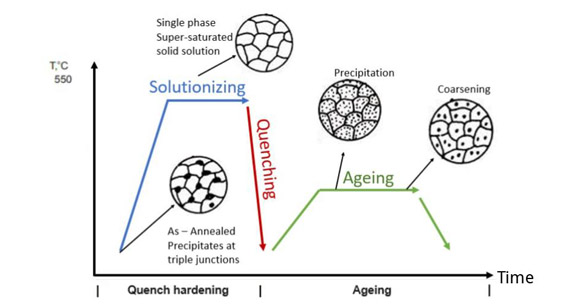
Take 7075 aluminum alloy (an aerospace material) for instance—here is how it reaches its strongest and hardest state, 7075-T6.
Step 1: Solution Treatment
Step 2: Quenching
Step 3: Aging: Here Precipitation Hardening Happens
By holding the part at room temperature (natural aging) or a slightly higher temperature (artificial aging) for a period of time, precipitate hardening occurs.
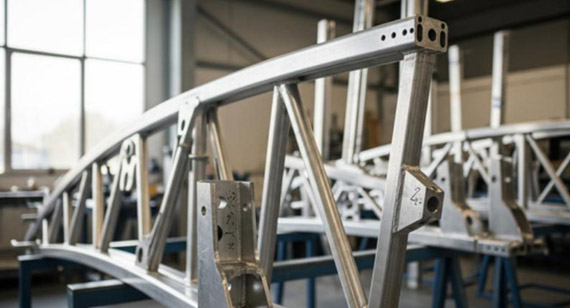
Table: Performance Comparison: 7075 Annealed vs. T6 Hardened
Let's look at the direct data comparison for 7075 aluminum before and after the precipitation age hardening process:
Table 1: Comparison of 7075 Annealed vs. T6 Hardened
| Property Metric |
7075-O (Annealed/Soft) |
7075-T6 (Precipitation Hardened) |
Improvement |
| Tensile Strength |
~228 MPa | ~572 MPa | ~150% |
| Yield Strength |
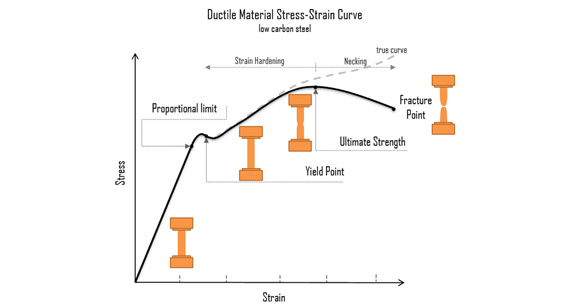
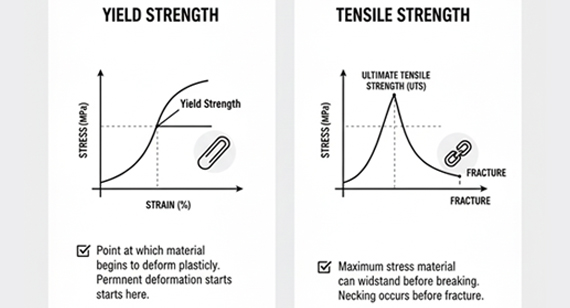
~103 MPa | ~503 MPa | ~380% |
| Brinell Hardness |
~60 HB | ~150 HB | ~150% |
(For aerospace applications like landing gear or engine mounts, reaching two to three times the original strength through precipitation hardened aluminum is absolutely essential.)
Pros
Cons
Beyond aerospace's need for precipitation-hardened aluminum for lightweight strength, these parts are everywhere. The goal is always to improve strength and hardness while balancing toughness:
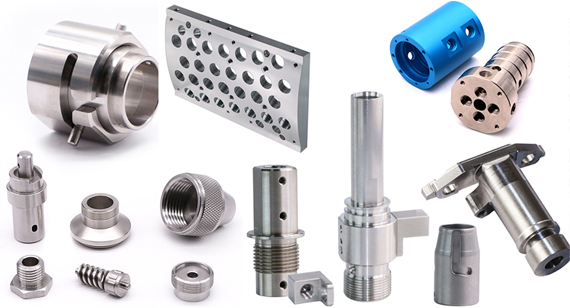
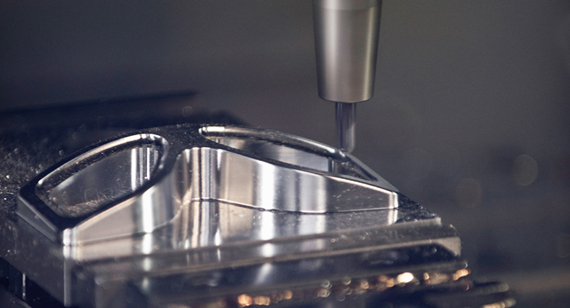
CNC machining involves cutting and drilling various metals—such as precipitation hardening steel (17-4 PH or 15-5 PH) and aluminum alloys (6xxx, 7xxx series)—to produce engineering parts. Precipitation hardening balances "machinability" with "high performance."
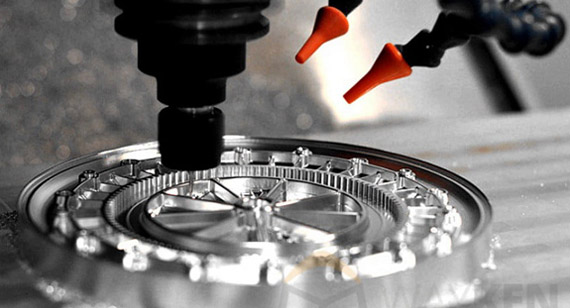
At VMT CNC Machining Factory, our engineering team specializes in tailoring machining solutions based on your part's use and material properties. Explore more about our aluminum CNC machined parts and stainless steel CNC machined parts.
Is heat treatment strengthening the same as precipitation hardening?
Precipitation hardening is a type of heat treatment strengthening. Heat treatment is a broad category including quenching (martensitic strengthening), precipitation hardening (age hardening), annealing, and more.
Can martensitic stainless steel and high-carbon steel be precipitation hardened?
No. Martensitic stainless steels (like 440C, 420) rely on "quenching" for strength. Only specially developed precipitation hardening stainless steel (like 17-4 PH) has this capability. High-carbon steel is also a quench-strengthened material and is not "precipitation hardening type."
What is precipitation hardening’s three stages?
1.Solution Treatment (dissolving solute);
2. Quenching (locking solute);
3. Aging (precipitating particles).
Is there a difference between age hardening vs precipitation hardening?
No difference. They refer to the same process. "Aging" focuses on the time required, while "Precipitation" focuses on the microscopic physical change.
What is the difference between annealing and precipitation hardening?
Annealing is to soften metal and relieve stress; precipitate hardening is to harden metal and boost strength. They are opposite processes.
What is the difference between work hardening vs precipitation hardening?
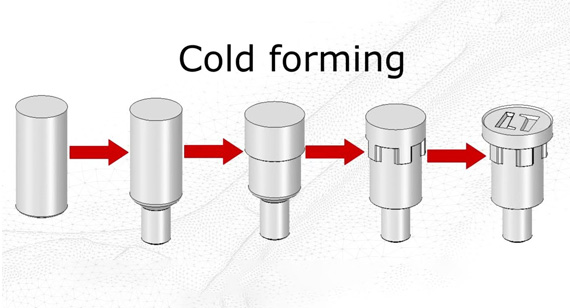
Work hardening makes the lattice distort and harden through cold working (forging, drawing); precipitation hardening hardens through the heat-treated precipitation of chemical particles.
What is the precipitation hardening of Inconel 718?
Inconel 718 is a nickel-based superalloy that uses niobium (Nb) to form precipitates. This allows it to maintain extreme mechanical strength even at high temperatures of 700°C.


 +86 15099911516




 Read more