
16 years one-stop China custom CNC machining parts factory
The VMT blog is dedicated to sharing our hard-earned knowledge in prototype manufacturing. We hope these articles will help you optimize your product designs and gain deeper insight into the world of rapid prototyping. Enjoy the read!
Get an Instant Quote All uploads files are safe and confidential
 VMT
VMT  2026 07 15
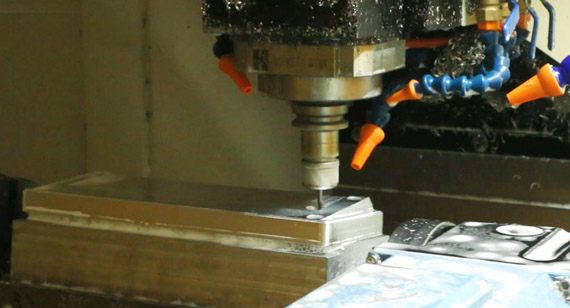
 Aluminum is widely used for custom mechanical keyboard cases because it balances low weight, rigidity, CNC machinability, corrosion resistance, and anodized appearance. For most projects, 6061 is the practical starting point, 6063 suits appearance-focused designs, and 7075 is reserved for applications that genuinely need higher strength. This guide explains why aluminum is popular for mechanical keyboard housings, how the main alloy grades differ, and what you should confirm before choosing a material for your project.
 66
66
 Read more
 VMT 2026 07 14
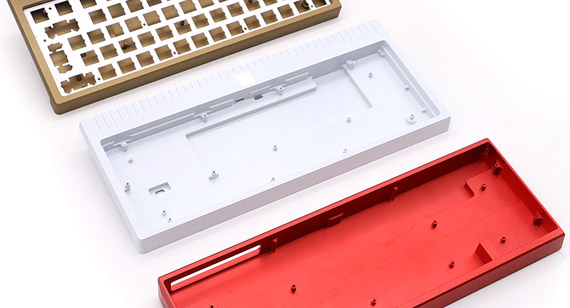
 This guide explains how keyboard structure, layout, material, tolerances, machining processes, surface finishes, and inspection methods affect the final assembly, appearance, cost, and production stability of your project.
66
Read more
 VMT 2026 07 14
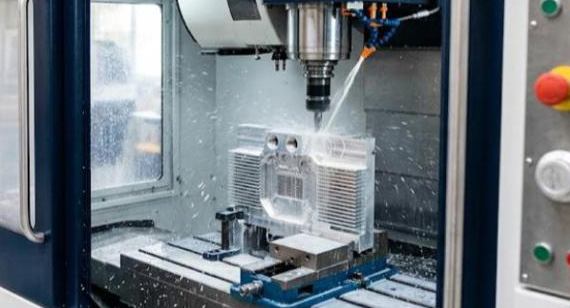
 This article provides a deep engineering look into material selection, manufacturing process comparisons, and quality control systems for desktop computer parts and components. At the end, we share a real factory case study showing how we successfully manufactured custom CNC machined Mini PC enclosures to meet stringent surface finish and high-precision machining specifications.
66
Read more
 VMT 2026 07 13
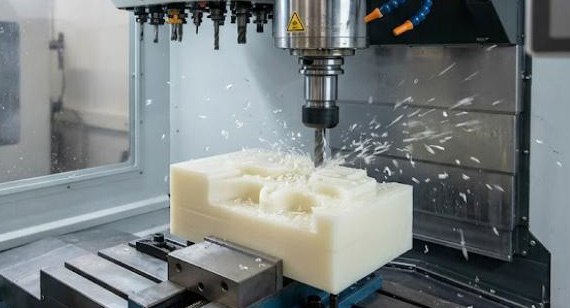
 This article provides a comprehensive engineering guide to Semitron 520HR, covering its core properties, typical precision part applications, cost , and error-proofing strategies in CNC machining parts design. Finally, we’ll share a factory case study on solving micro-cracking and out-of-tolerance issues in Semitron 520HR parts.
66
Read more
 VMT 2026 07 10
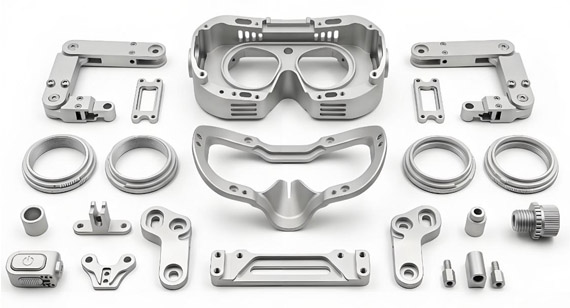
 This article provides a practical engineering reference for CNC-machined VR headset parts, covering application scenarios, material selection, surface finishing, and manufacturing challenges. Additionally, we end up with a case study from our factory, sharing how our engineering team optimized the machining process to prevent warping in a unibody VR internal frame, achieving perfect micron-level alignment.
66
Read more
 VMT 2026 07 08
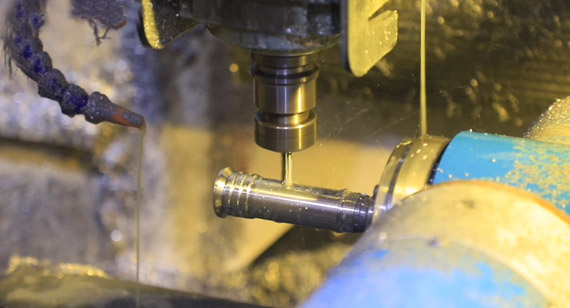
 This guide compares common flashlight housing materials and explains how to choose the right one for your custom CNC machined flashlight housing project.
66
Read more
 VMT 2026 07 08
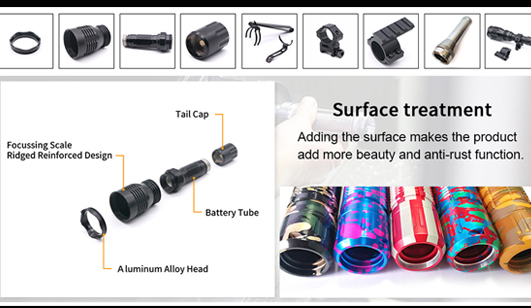
 This guide focuses only on the CNC machining process for flashlight shells. If you want to understand materials, design risks, applications, and full project planning, you can also read the complete aluminum flashlight housing CNC machining guide.
66
Read more
VMT 2026 07 08 In this guide, you will learn why aluminum alloy is commonly used for flashlight housings, which materials are suitable, what CNC machining risks should be controlled, and how VMT helps turn your drawing into reliable prototype and production parts.
66
Read more


 +86 15099911516