
16 years one-stop China custom CNC machining parts factory
The VMT blog is dedicated to sharing our hard-earned knowledge in prototype manufacturing. We hope these articles will help you optimize your product designs and gain deeper insight into the world of rapid prototyping. Enjoy the read!
Get an Instant Quote All uploads files are safe and confidential
 VMT
VMT  2026 06 29
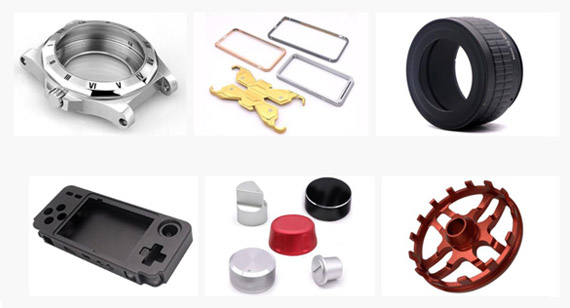
 This guide provides a comprehensive overview of consumer products CNC machining parts, covering everything from material selection to tolerances, surface finishing, and production workflows. We will analyze in detail how CNC integration fits into the consumer goods supply chain, and when to choose CNC technology over alternative methods like injection molding, die casting, or sheet metal fabrication. Finally, we will share an exclusive case study on how our factory successfully resolved a manufacturing challenge: maintaining a surface roughness of Ra 0.4 µm across a 1,000-piece run of custom smartwatch cases.
 66
66
 Read more
 VMT 2026 06 26
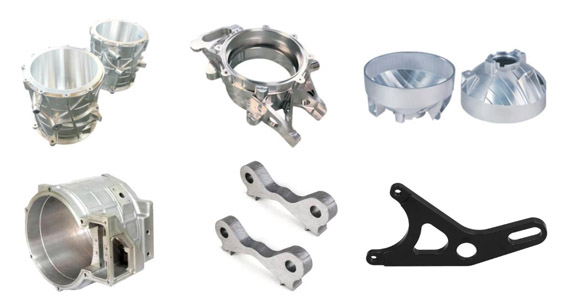
 CNC machining for NEV parts: EV battery enclosures, motor housings, inverter chassis. VMT supports prototype to production with 5-axis CNC and CMM inspection.
66
Read more
 VMT 2026 06 25
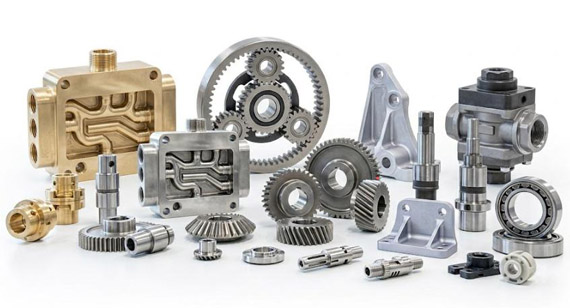
 CNC machining brings industrial metal components 5 core benefits: lower material scrap and part cost, 24/7 uptime for shorter lead times, prototype-to-run production without transition delays, batch tolerance stability, and predictable strength with clean surface finishes.
66
Read more
 VMT 2026 06 24
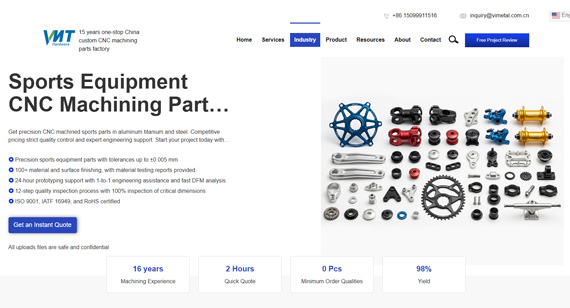
 Looking for CNC machining manufacturers specializing in sports equipment parts? Compare China's top 10 manufacturers ranked by sports industry expertise, including bicycle components, golf heads, fitness equipment, archery, and outdoor parts.
66
Read more
 VMT 2026 06 23
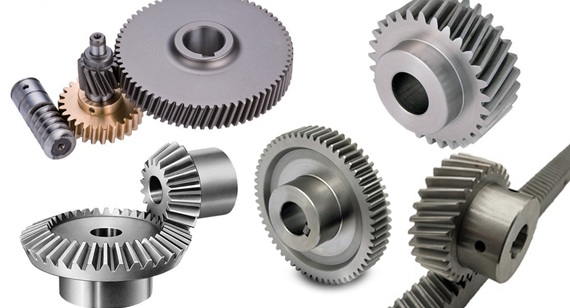
 Learn about the most common types of gears, including spur gears, helical gears, bevel gears, worm gears, rack and pinion systems, and planetary gears. Discover their applications, material options, manufacturing methods, and CNC gear machining considerations for industrial equipment and power transmission systems.
66
Read more
 VMT 2026 06 23
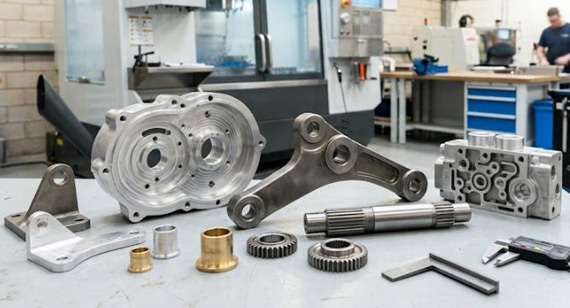
 Quality custom CNC agriculture equipment parts must meet four core requirements: corrosion resistance (outdoor operation), impact resistance (high-load conditions), wear resistance (moving fit), and stable tolerance (assembly reliability). When sourcing, focus on material grade, CNC equipment spec, surface treatment, and CMM inspection capability.
66
Read more
 VMT 2026 06 22
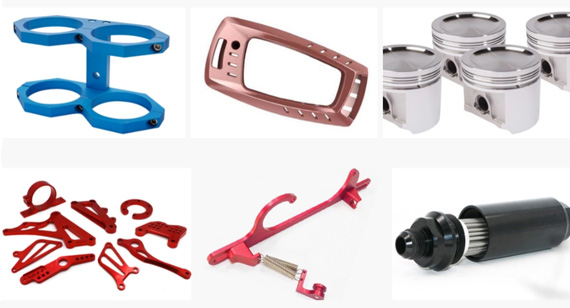
 This OEM sourcing guide ranks the best in the industry, from elite precision component suppliers like VMT CNC Machining Factory to global Tier 1 integrators including Bosch, Denso, Magna, and ZF.
66
Read more
 VMT 2026 06 20
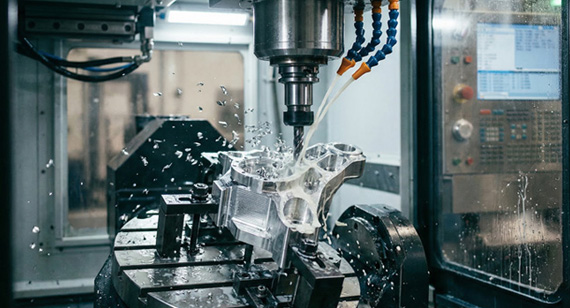
 CNC racing parts suit racing aftermarket brands doing small-batch, high-iteration, tight-tolerance custom production, covering engine bay, drivetrain/shift, brake/pedal, suspension/chassis, cockpit controls, and exterior styling — six part categories. 7075, titanium, and stainless are the three main materials; 5-axis simultaneous CNC + strict CMM inspection delivers consistent-look, stable-fit, low-after-sales parts in 2–4 weeks.
66
Read more


 +86 15099911516