
16 years one-stop China custom CNC machining parts factory
The VMT blog is dedicated to sharing our hard-earned knowledge in prototype manufacturing. We hope these articles will help you optimize your product designs and gain deeper insight into the world of rapid prototyping. Enjoy the read!
Get an Instant Quote All uploads files are safe and confidential
 VMT
VMT  2025 12 08
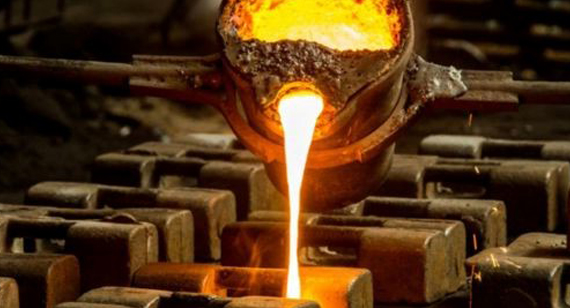
 The melting point of bronze usually falls between 850°C and 1,050°C (1,562°F–1,922°F), depending on how much tin, aluminum, or silicon is in the alloy. You often hear terms like bronze melt point, bronze fusion point, or bronze liquefaction point—all referring to the temperature where bronze becomes fully molten and ready for casting, forging, or high-temperature fabrication.
 66
66
 Read more
 VMT 2025 12 04
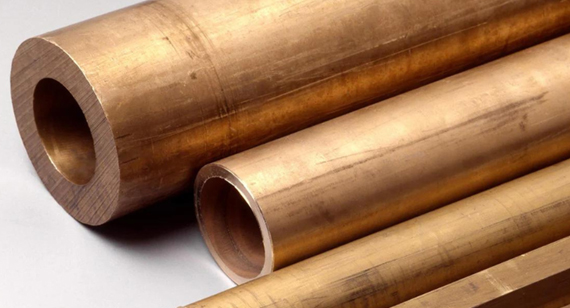
 The density of bronze usually falls between 7.4 and 8.9 g/cm³, depending on the alloy blend and how it is processed. When you divide the mass of a bronze component by its volume, you get its bronze material density. This helps you estimate bronze weight per cubic centimeter and choose the right alloy for CNC machined bronze parts or bronze castings.
66
Read more
 VMT 2025 12 03
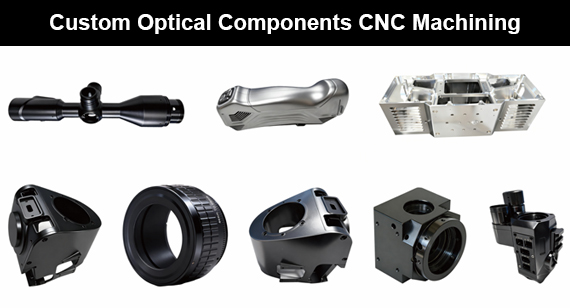
 This article lists the top 10 global manufacturers of precision optical component machining, including their history, website, and technologies, helping you quickly understand their characteristics and strengths. Read on below to learn about the top 10 world-class optical component machining plants so you can find the most suitable partner for your project.
66
Read more
 VMT 2025 12 02
 This article lists the top 10 global engine component machining manufacturers, including their history, websites, qualifications, and technologies, to help you understand their characteristics and advantages. Read on below to find out the top 10 world-class engine component CNC machining factory.
66
Read more
 VMT 2025 12 01
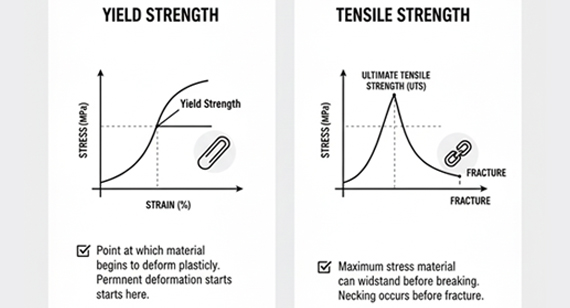
 If you’re choosing a material for a part's design, will you imagin that the part will maintain its shape under actual working conditions without permanent bending? Or you may think about whether it will deform under load but not break? Or you are worried that it will fail by breaking directly under extreme conditions? To answer these practical questions , you’ll need to learn about the difference between yield strength and tensile strength. This article will guide you through the difference between yield strength and tensile strength from the perspectives of definition, stress-strain curves, and their impact on part structural design. After reading, you will understand why yield strength and tensile strength are two important evaluation references in industry.
66
Read more
 VMT 2025 11 28
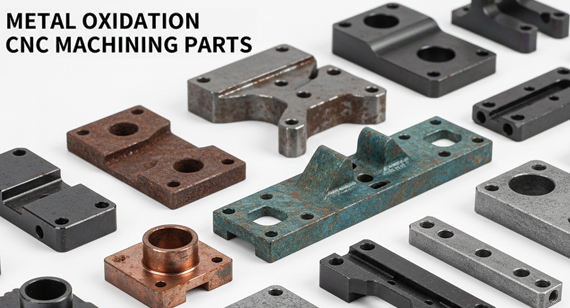
 Metal oxidation is a common phenomenon in your metal devices or parts. If you’re wondering how to maintain metal surfaces well, ensuring your metal parts lifespan in your products and your customers satisfaction, you should understand metal oxidation. This article will guide you through the causes and prevention methods of metal oxidation (including some professional surface treatment methods). Whether you're an individual needing metal parts maintenance or a manufacturer seeking metal oxidation surface finishes solutions, this article will be helpful to you.
66
Read more
 VMT 2025 11 25
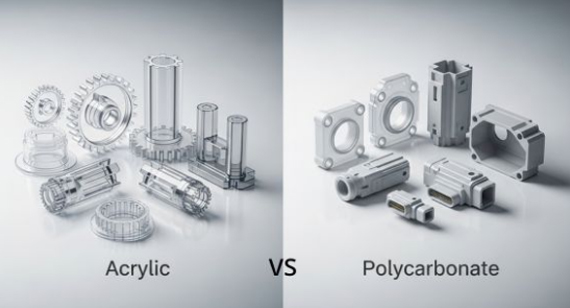
 Perhaps you're preparing to design a lampshade for the outdoor use, an observation window for a biosafety cabinet in the medical, or maybe your next project will design kind of security equipment such as the police face shields. Or you're an automative factory designing headlight lenses and dashboard covers. All of these require a transparent and lightweight material, and depending on your specific application, you'll need this material to possess certain properties such as good optical properties, UV resistance, explosion and impact resistance, chemical corrosion resistance, or scratch resistance, as well as considering factors like cost and processing. For engineering requirements, acrylic (PMMA) and polycarbonate (PC)—two of the most commonly used and high-performance transparent plastics—may meet your needs. This article will guide you through understanding the core properties and comparisons of acrylic (acrylic) and polycarbonate (PC), helping you understand whether they are suitable for your project.
66
Read more
 VMT 2025 11 24
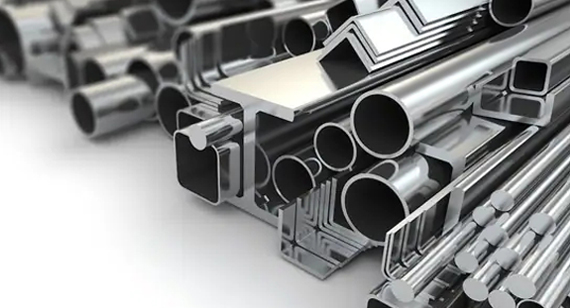
 316 stainless steel is an austenitic stainless steel with added molybdenum, chromium (Cr), nickel (Ni), and molybdenum (Mo). It meets the high requirements of food-grade, chemical-grade, and marine-grade applications, so basically 316 stainless steel can be used for all kinds of industries.
66
Read more


 +86 15099911516