
16 years one-stop China custom CNC machining parts factory
The VMT blog is dedicated to sharing our hard-earned knowledge in prototype manufacturing. We hope these articles will help you optimize your product designs and gain deeper insight into the world of rapid prototyping. Enjoy the read!
Get an Instant Quote All uploads files are safe and confidential
 VMT
VMT  2025 11 07
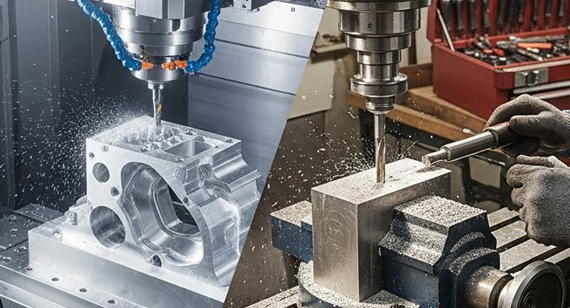
 CNC machining and milling are distinct processes often confused. While milling is a subtractive method, CNC machining encompasses automated control, offering superior precision, complexity, and repeatability compared to a traditional milling machine. Understanding these CNC machining differences is crucial for project success.
 66
66
 Read more
 VMT 2025 11 06
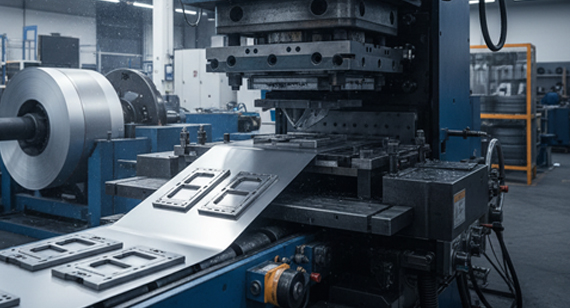
 Aluminum metal stamping is a manufacturing process that shapes aluminum sheets into precise parts using dies and presses. It includes operations such as punching, blanking, bending, and drawing. This process offers lightweight, corrosion-resistant, and cost-effective components ideal for automotive, aerospace, and electronic applications.
66
Read more
 VMT 2025 11 06
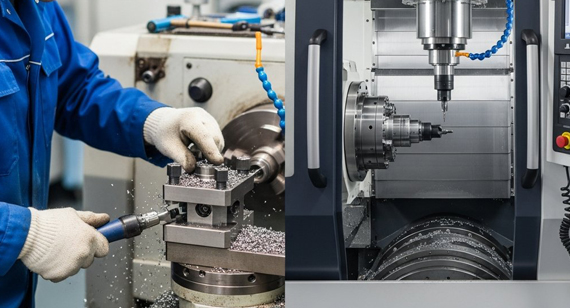
 CNC machining offers automated precision, complex part capabilities, and superior repeatability, while traditional machining relies on manual skill for simpler tasks, highlighting key machining differences. In today's dynamic manufacturing landscape, choosing the right machining method is a strategic decision that directly impacts product quality, cost, and time-to-market. The increasing demands for precision, speed, and design complexity require manufacturers to carefully evaluate their options. For engineers and procurement specialists, understanding the fundamental machining differences between CNC (Computer Numerical Control) machining and traditional machining is crucial. This knowledge empowers you to make informed choices, ensuring your project aligns with the most efficient and effective manufacturing process available.
66
Read more
 VMT 2025 11 06
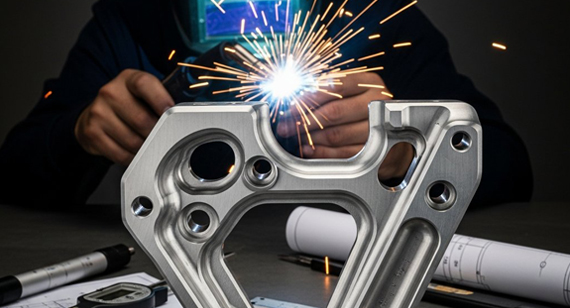
 Choosing between CNC machining vs welding dictates product performance. CNC excels in precision and complexity; welding offers robust joining. Optimal machining process selection hinges on design, volume, and material integrity.
66
Read more
 VMT 2025 11 01
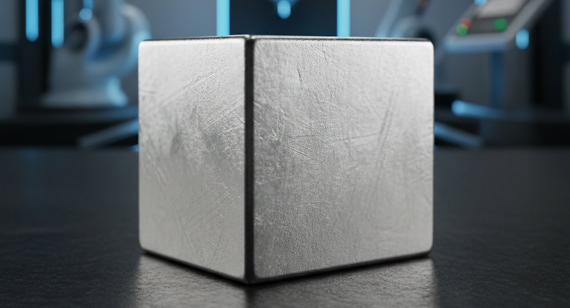
 Pure tin has a precise melting point of 231.93°C (449.47°F), a critical aspect of its tin material properties and essential for reliable tin processing considerations in advanced manufacturing. In precision manufacturing, a single degree can define success or failure. For critical applications, understanding the exact melting point of tin isn't just academic—it's paramount. The reliable performance of components, from microelectronics to aerospace parts, hinges on stable tin material properties. Dive deep into the science and practical implications of tin's thermal behavior. Discover how meticulous material control can elevate your designs and ensure the integrity of your products.
66
Read more
 VMT 2025 10 31
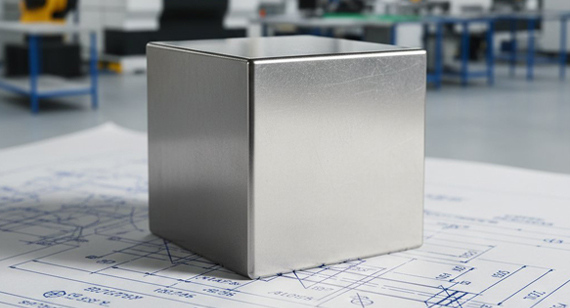
 Tungsten holds the unparalleled distinction of having the highest melting point among all metals, approximately 3422°C, making it indispensable for extreme high-temperature applications. This exceptional thermal resistance is attributed to its strong metallic bonds, stable crystal structure, and unique physical properties like extreme hardness and high density, which allow it to retain structural integrity where other refractory metals fail.
66
Read more
 VMT 2025 10 30
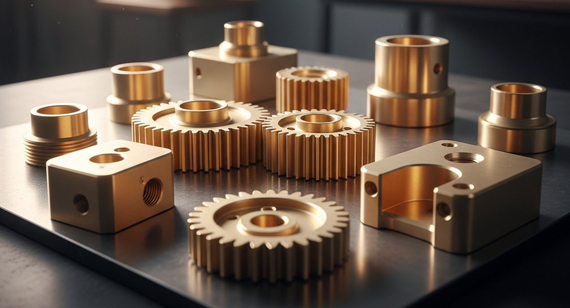
 Brass density is a critical factor in precision engineering, profoundly impacting part weight, performance, and manufacturing costs. Its value varies significantly based on specific alloy compositions—primarily copper and zinc ratios, and other additives—as well as manufacturing processes like casting or cold working. Accurate material density measurement, often utilizing methods like Archimedes' principle, is crucial for quality control, adhering to industry standards, and preventing costly material overruns. Understanding these nuances enables optimal material selection for diverse applications, from aerospace to electrical components, ensuring designs meet precise weight and performance targets. Partnering with a specialized manufacturer capable of expert material consultation and precise CNC machining is essential to leverage brass density for high-performance, cost-efficient components.
66
Read more
 VMT 2025 10 29
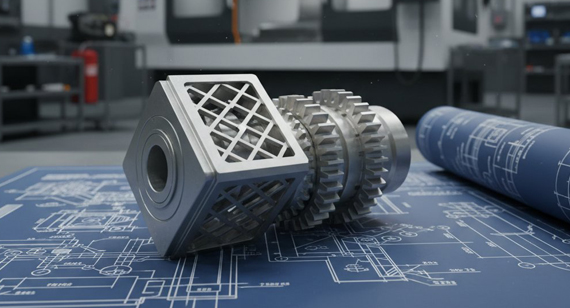
 Pure lead melting point is precisely defined as 327.5°C (621.5°F). This specific temperature represents the point at which solid lead transitions into its liquid state under standard atmospheric pressure. It is a fundamental material property.
66
Read more


 +86 15099911516