
16 years one-stop China custom CNC machining parts factory
The VMT blog is dedicated to sharing our hard-earned knowledge in prototype manufacturing. We hope these articles will help you optimize your product designs and gain deeper insight into the world of rapid prototyping. Enjoy the read!
Get an Instant Quote All uploads files are safe and confidential
 VMT
VMT  2025 10 09
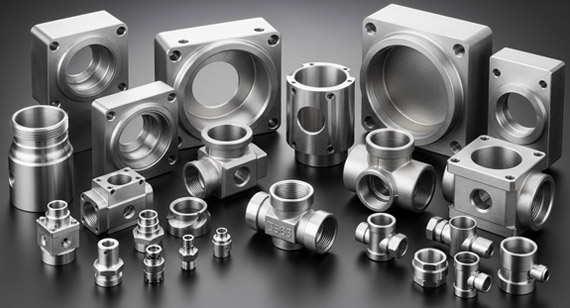
 Choosing between 904L and 316L stainless steel requires a rigorous, informed assessment, balancing their distinct chemical compositions, mechanical properties, and unparalleled corrosion resistance capabilities against specific environmental exigencies and comprehensive lifecycle costs. 904L's superior performance in highly aggressive, chloride- and acid-rich conditions positions it as indispensable for critical, high-reliability applications, while 316L remains a robust and cost-effective solution for less demanding environments. A strategic approach, supported by deep technical expertise, ensures optimal material selection, minimizing risks and maximizing long-term project value.
 66
66
 Read more
 VMT 2025 10 08
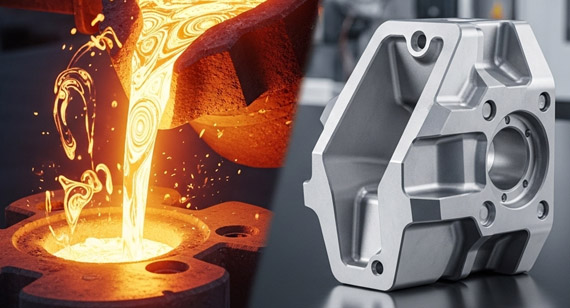
 The long-held belief in cast aluminum's inherent brittleness is largely a misperception, often stemming from historical methodologies. Modern advancements in alloying, casting processes, heat treatment, and design optimization have transformed cast aluminum into a highly ductile and strong material. VMT's deep technical expertise and rigorous quality controls enable the production of precision cast aluminum parts that meet demanding industrial specifications, offering a lightweight, cost-effective, and robust solution for various high-performance applications.
66
Read more
 VMT 2025 10 07
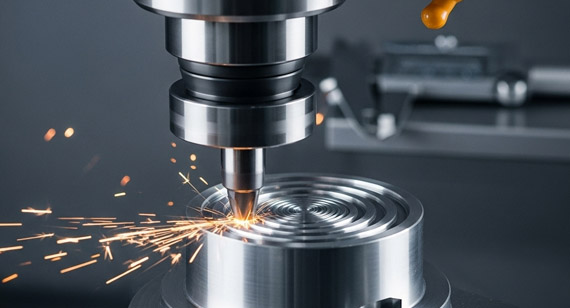
 This comprehensive guide delves into the intricate world of CNC machining Nickel-Copper alloys, highlighting their paramount importance, unique advantages, and significant machining challenges. We elucidated critical strategies, including optimal tool selection, cutting parameters, and coolant management, necessary for overcoming material difficulties like work hardening. The article underscores the necessity of stringent quality control, post-processing, and delineates common industrial applications. Finally, it emphasizes our factory's distinct advantages as a source manufacturer, offering unparalleled quality, transparent pricing, and profound technical expertise for precision Nickel-Copper alloy component fabrication.
66
Read more
 VMT 2025 10 07
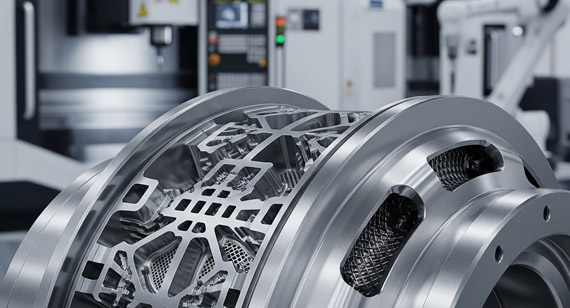
 Machining nickel-based superalloys presents formidable challenges due to their unique properties, necessitating advanced strategies, specialized tooling, and rigorous process control. Success hinges on a deep understanding of material characteristics, meticulous planning, optimized cutting parameters, and comprehensive quality assurance. As a source manufacturer, our expertise transforms these inherent difficulties into high-quality, precise, and reliable components.
66
Read more
 VMT 2025 10 04
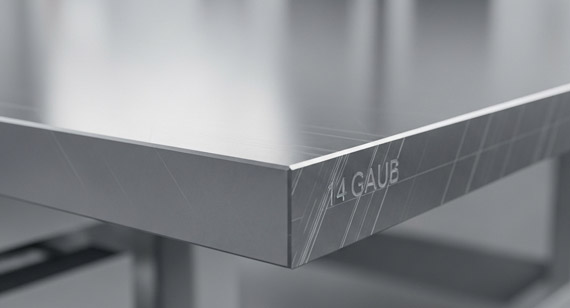
 This article serves as your authoritative guide. We will dissect 14-gauge steel, clarifying its precise dimensions, exploring its versatile applications, and detailing the manufacturing considerations that truly matter. Precision, I tell you, is everything.
66
Read more
 VMT 2025 10 03
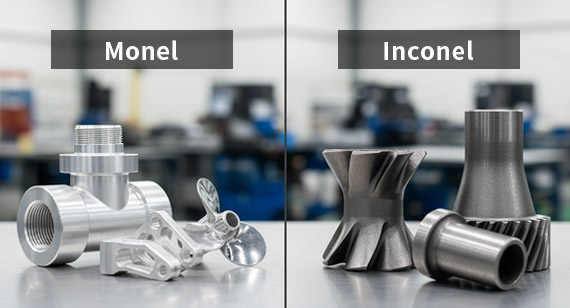
 Monel and Inconel are both high-strength, corrosion-resistant nickel alloys vital for demanding applications. Monel, primarily nickel and copper, excels in marine environments, resisting saltwater and acids. Inconel, a nickel-chromium superalloy, withstands extreme heat, pressure, and oxidation, making it indispensable for aerospace and high-temperature industrial uses.
66
Read more
 VMT 2025 10 02
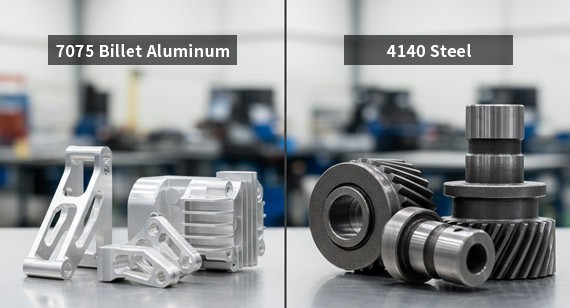
 Choosing between 7075 aluminum and 4140 steel for precision CNC machining hinges on balancing specific project demands like weight, strength, cost, and environmental resistance. 7075 offers superior strength-to-weight for aerospace and defense, while 4140 provides exceptional hardness and fatigue resistance crucial for heavy-duty industrial applications and tooling. VMT specializes in processing both, ensuring optimal performance.
66
Read more
 VMT 2025 10 01
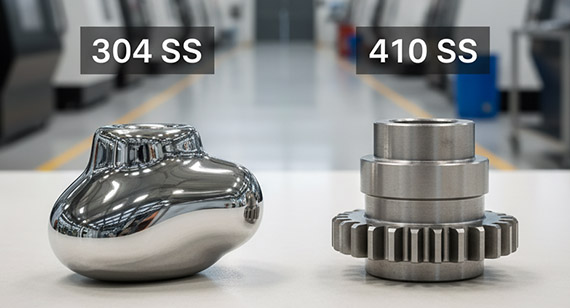
 When differentiating between 304 and 410 stainless steel, understanding their core metallurgical classifications is key. 304 is an austenitic stainless steel, known for its excellent corrosion resistance and ductility, while 410 is a martensitic stainless steel, distinguished by its high strength, hardness, and heat treatability. The optimal selection hinges entirely on the specific performance requirements of your application, balancing factors like environmental exposure, mechanical stress, and manufacturing processes.
66
Read more


 +86 15099911516